6 Traditional US Dishes that are Becoming Hard to Find

Across the United States, a quiet extinction is unfolding—not of wildlife, but of flavors. Culinary conservationists have identified nearly seven hundred traditional food varieties as endangered, with over three hundred more threatened. These are not abstract statistics; they are cherished recipes, regional stories, and family traditions fading from our collective experience. While the globalized appetite for convenience and uniformity grows, the very dishes that narrate America’s diverse culinary heritage are disappearing from tables and menus. This exploration goes beyond nostalgia; it’s a testament to how changing tastes, economics, and lifestyles are reshaping what we eat. Here are six traditional American dishes that are becoming increasingly scarce, and a look at why preserving them matters more than you might think.
Spiedies: Upstate New York’s Endangered Community Treasure
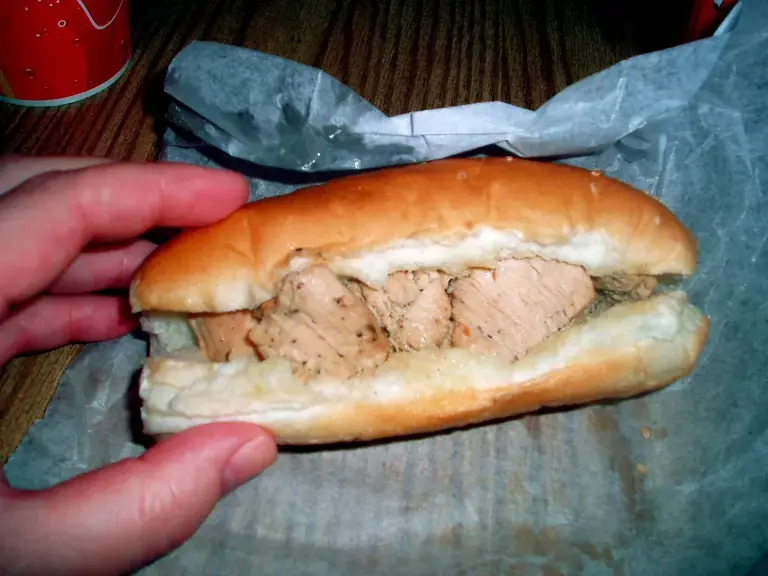
The spiedie is a culinary signature of the Binghamton, New York, region: marinated cubes of meat (traditionally lamb, now often chicken or pork), grilled to perfection and served on soft Italian bread. The soul of the dish lies in its closely guarded marinade recipes, often a family secret blending oil, vinegar, garlic, and herbs. Its vulnerability was starkly exposed during the pandemic, which led to the closure of historic spiedie joints that had served as community pillars for generations. Unlike foods that achieve national fame, the spiedie remained intensely local. This deep localization is both its charm and its peril; when a few key restaurants close and family recipes are lost, the entire tradition teeters. The struggle of the spiedie is a powerful case study in how fragile hyper-regional foodways can be in a homogenizing world.
Welsh Rarebit: The Lost Art of the Grown-Up Cheese Toast

Though of British origin, Welsh rarebit was thoroughly adopted into the American culinary lexicon, offering a sophisticated take on cheese and bread. Far more than mere melted cheese, it was a luxurious sauce—a carefully crafted blend of sharp cheddar, ale, mustard, and Worcestershire, lovingly poured over toasted bread. For generations, it was a staple in taverns and diners, a comforting yet complex dish that demanded a bit of culinary skill. Its decline can be traced directly to the rise of its simpler cousin: the grilled cheese sandwich. In a culture that increasingly prioritizes speed, the two-minute sandwich effortlessly eclipsed the saucier, more involved rarebit. Its disappearance speaks volumes about our changing relationship with kitchen effort, marking a shift away from the nuanced, slow-built flavors that defined earlier comfort food.
Ambrosia Salad: A Cloud of Sweetness from a Bygone Era

Ambrosia salad, a fluffy confection of canned fruit cocktail, mini marshmallows, shredded coconut, and whipped cream, was once the crowning glory of holiday tables and church suppers. Its name, borrowed from the food of the Greek gods, reflected its revered status in 20th-century American potluck culture. A product of its time, it celebrated the novelty and convenience of shelf-stable, processed ingredients. Today, however, it is often dismissed as cloyingly sweet and artificial, out of sync with the fresh, whole-food ethos that now dominates. While it still makes nostalgic appearances in some Southern and Midwestern homes, its presence on public menus has dwindled. Ambrosia is more than a recipe; it’s a edible time capsule of post-war American optimism and the social rituals of communal dining, now fading as those rituals and ingredient philosophies change.
Beef on Weck: Buffalo’s Salty, Savory Secret
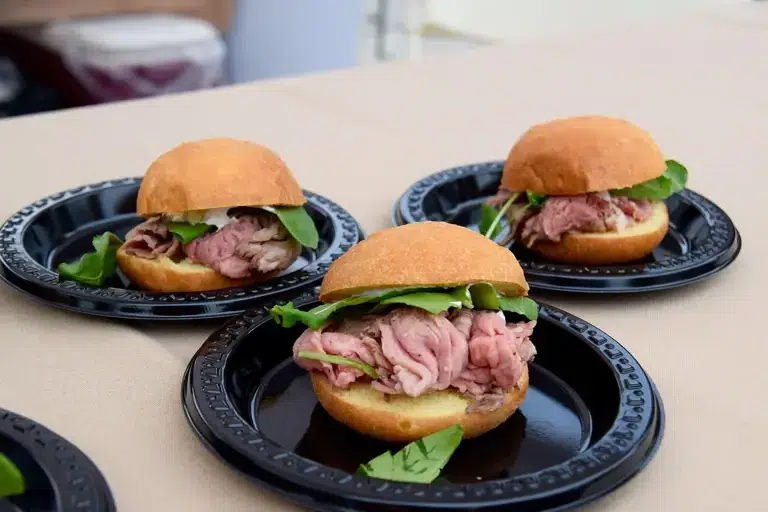
To know Buffalo is to know more than its wings; it is to savor a “Beef on Weck.” This iconic sandwich features thinly sliced, rare roast beef piled high on a kummelweck roll—a crusty Kaiser roll distinctively topped with pretzel salt and caraway seeds. The roll is not merely a vessel but the star, its salty, crystalline crunch and aromatic seeds perfectly contrasting the juicy, horseradish-accompanied beef. Despite its local fame, the sandwich remains stubbornly regional. Its geographical prison is largely due to the kummelweck roll itself, a specialty rarely baked outside Western New York. In a nation of standardized chain restaurants, dishes that rely on hyper-local ingredients and traditions struggle to travel, making Beef on Weck a delicious and endangered emblem of place-based food culture.
Hot Beef Commercial: The Heartland’s Disappearing Diner Plate
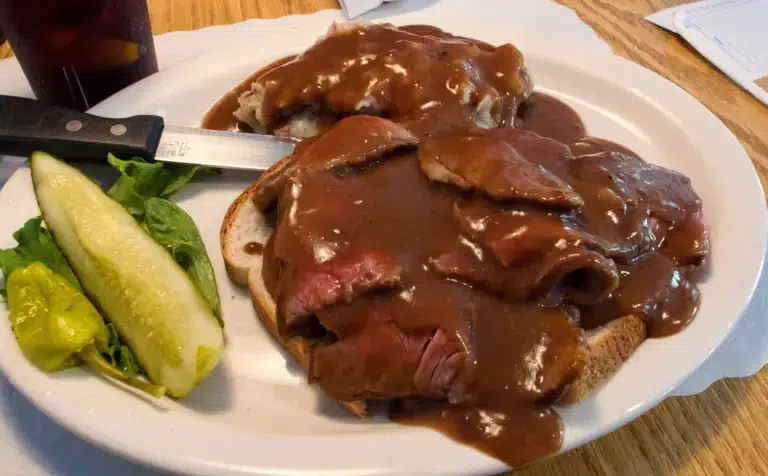
The “Hot Beef Commercial,” a diner classic rooted in Minnesota, is the ultimate expression of Midwestern, meat-and-potatoes comfort. It consists of tender roast beef piled on white bread, smothered in rich brown gravy, and served atop a mountain of mashed potatoes—a plate designed for profound satisfaction. Historically, it fueled business travelers and locals alike from bustling diner counters. Its survival today is often a sign of a time-warped establishment, one with Formica countertops and a cook who has perfected the recipe over decades. As these classic diners shutter and dining habits shift toward fast-casual and delivery, the Hot Beef Commercial faces extinction. It is a dish inseparable from the specific, fading ecosystem of the American greasy spoon.
Tomato Aspic: The Mid-Century Marvel That Lost Its Shimmer

In the 1950s and 60s, no respectable potluck or bridge club gathering was complete without the elegant, trembling presence of a tomato aspic. This savory gelatin creation, made from tomato juice set with unflavored gelatin and studded with celery, olives, or onions, was a centerpiece of domestic artistry. Families displayed these shimmering molds with pride, turning them out onto platters with a ceremonial flourish. Yet, as culinary tastes evolved, the dish became a victim of shifting textures and perceptions. The once-celebrated jiggle began to clash with a modern preference for crisp, fresh, and photogenic foods. The very quality that made it fascinating—its quivering, jewel-like appearance—now feels out of step in an era of “clean eating.” While it survives in memory and the occasional retro cookbook, tomato aspic has largely vanished from contemporary menus, a wobbly relic of a more formally composed dining era.
The fading presence of these dishes is a quiet alarm. Each one represents a chapter in the American story—of immigration, regional identity, technological change, and social custom. Their potential loss is not just about food; it’s about the erosion of cultural memory and diversity on our plates. Seeking out and savoring these endangered flavors wherever they still exist is more than an act of nostalgia; it is a small but meaningful form of culinary conservation.