Unexpected Origins: 9 Meals That Gained Popularity Surprisingly

We tend to think of iconic dishes as having grand origin stories—carefully crafted by visionary chefs or passed down through generations. But the truth is often far less glamorous. Many of the meals we now call classics weren’t born from inspiration; they emerged from shortages, last-minute improvisations, or simple convenience. Over time, practicality turned into preference, and necessity quietly became nostalgia. These nine dishes prove that popularity rarely follows a plan.
Breakfast for Dinner: The Workaround That Stuck

Breakfast for dinner didn’t become popular because someone thought eggs and pancakes belonged at night. It became popular because it was affordable, fast, and flexible. On busy evenings or tight-budget weeks, families turned to breakfast foods as an easier, cheaper alternative to traditional dinners. What started as a practical workaround slowly became intentional. Today, it’s a beloved tradition, proof that practicality can evolve into something people genuinely look forward to.
Instant Ramen: The Global Staple Born from Scarcity

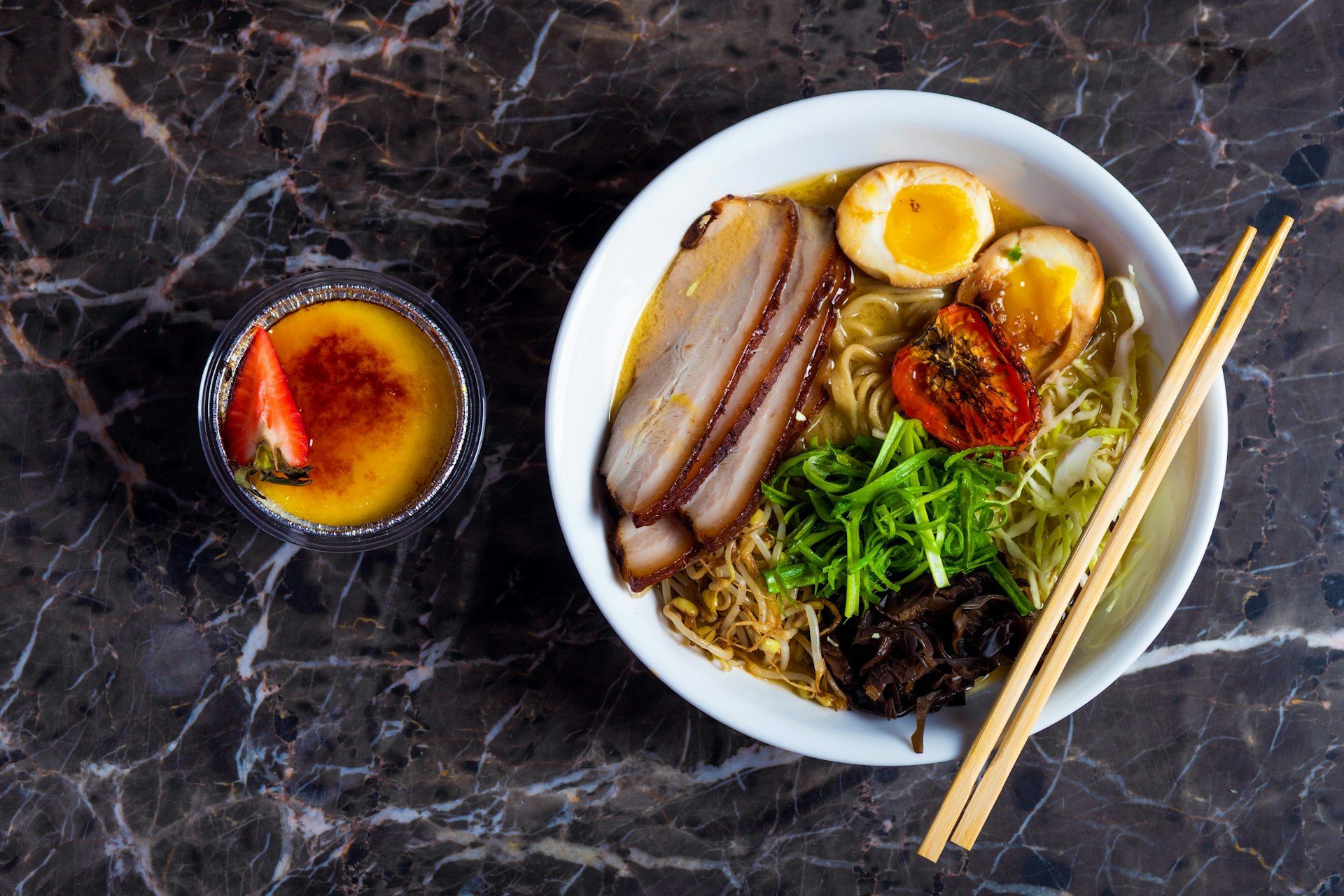
Instant ramen wasn’t designed to be beloved; it was designed to be cheap and filling. Created during a time of food scarcity, it offered calories and warmth at a price almost anyone could afford. Students, shift workers, and budget-conscious households embraced it out of necessity. But something unexpected happened: repetition built comfort. What started as survival food slowly became a source of nostalgia, a quick meal that carries emotional weight even for those who can now afford far more elaborate options.
Caesar Salad: Tableside Theater Born from Empty Shelves

The Caesar salad wasn’t dreamed up by a culinary genius—it was reportedly thrown together during a rush when the kitchen was running low on ingredients. What saved it was presentation. By preparing the salad tableside, the chef turned a simple combination into a performance. Guests remembered the drama as much as the flavor. A moment of improvisation became a lasting symbol of restaurant elegance, proving that how you serve a dish can matter as much as what’s in it.
Pizza by the Slice: Urban Life on a Paper Plate

Pizza by the slice didn’t emerge because it tasted better than a whole pie. It emerged because cities needed food that moved at the same pace as the people living in them. Workers, students, and shoppers wanted something fast, portable, and affordable—something that didn’t require sitting down or sharing. Slices made pizza accessible to individuals on the go. Over time, that simple format became its own icon, representing speed and everyday eating.
Spam and Rice: Rations Turned Comfort Food

Spam and rice didn’t become popular because people preferred canned meat to fresh. It became popular because, during wartime and economic hardship, Spam was widely available and shelf-stable when fresh meat wasn’t. Communities across Asia and the Pacific adapted it into their local cooking, pairing it with rice to create meals that stretched limited resources. Generations later, what began as survival food had become comfort food, shaped by memory and repetition.
Chicken Tikka Masala: The Accidental Bridge Dish

Chicken tikka masala is often called a British national dish, but its origins have little to do with ancient tradition. It was likely created to satisfy diners who found traditional dry grilled chicken too unfamiliar. By adding a creamy, spiced tomato sauce, restaurants softened the experience and made Indian flavors more approachable to Western palates. Its popularity exploded not because it was authentic, but because it adapted. Flexibility turned out to be more powerful than preservation.
Avocado Toast: The Meal That Photographs Well
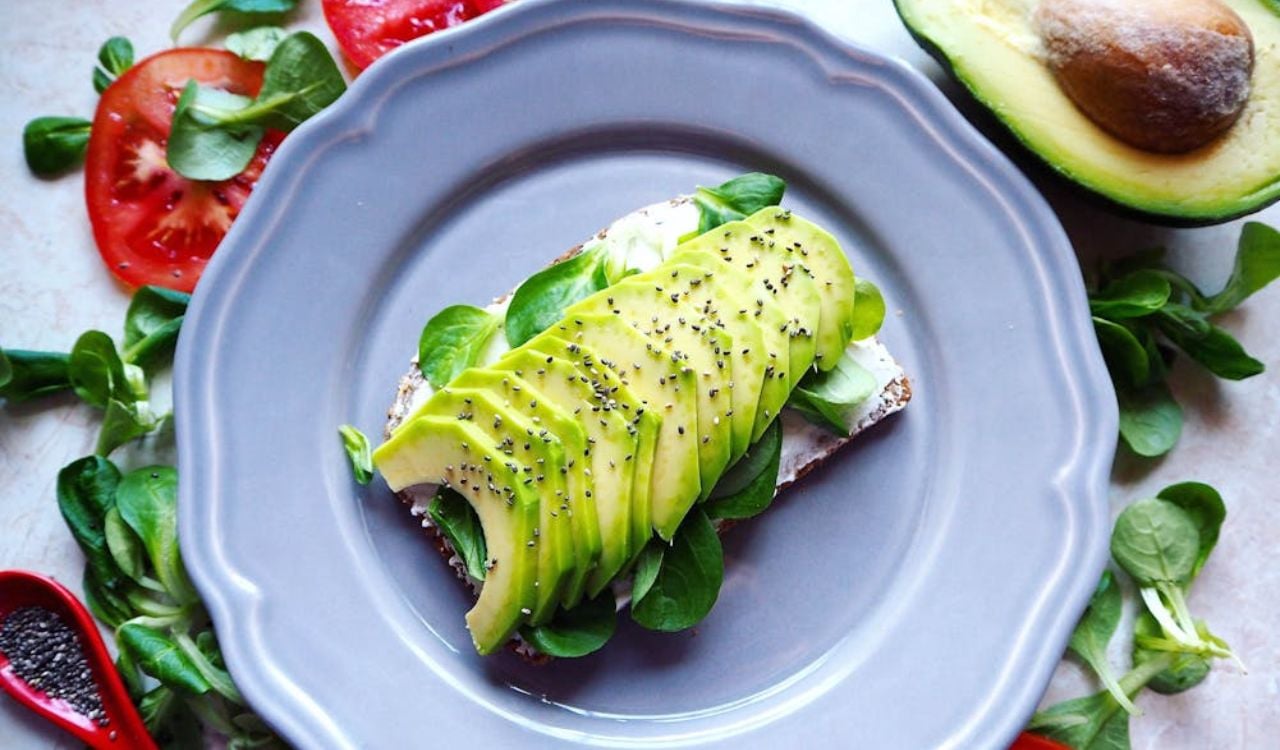
Avocado toast didn’t rise because it was innovative—it rose because it arrived at exactly the right moment. It aligned with wellness trends, required almost no cooking skill, and, crucially, photographed beautifully. Social media turned a simple open-faced snack into a cultural phenomenon. Cafés embraced it because it was cheap to make and endlessly customizable. Its popularity followed visibility, not complexity, proving that exposure can drive demand as powerfully as flavor.
Frozen TV Dinners: Technology Reshaped the Table

Frozen TV dinners didn’t win people over with exceptional taste. They won by fitting perfectly into a new lifestyle. As televisions entered living rooms, families wanted meals that required minimal effort and could be eaten while watching. Pre-portioned aluminum trays solved that problem. Convenience and novelty mattered more than culinary quality. These meals reshaped American dining habits not through flavor, but through timing and technology.
Cup Noodles: Removing Every Obstacle

Cup noodles succeeded by eliminating every possible barrier between hunger and eating. No stove. No bowl. No cleanup. Almost no time. Designed for independence and speed, they became the default option for dorm rooms, late-night offices, and anyone eating alone. Their popularity came from logistics, not taste. But over time, that frictionless experience became familiar, and familiarity quietly turned into comfort.