Vintage Candy Favorites That Are No Longer Available in Stores

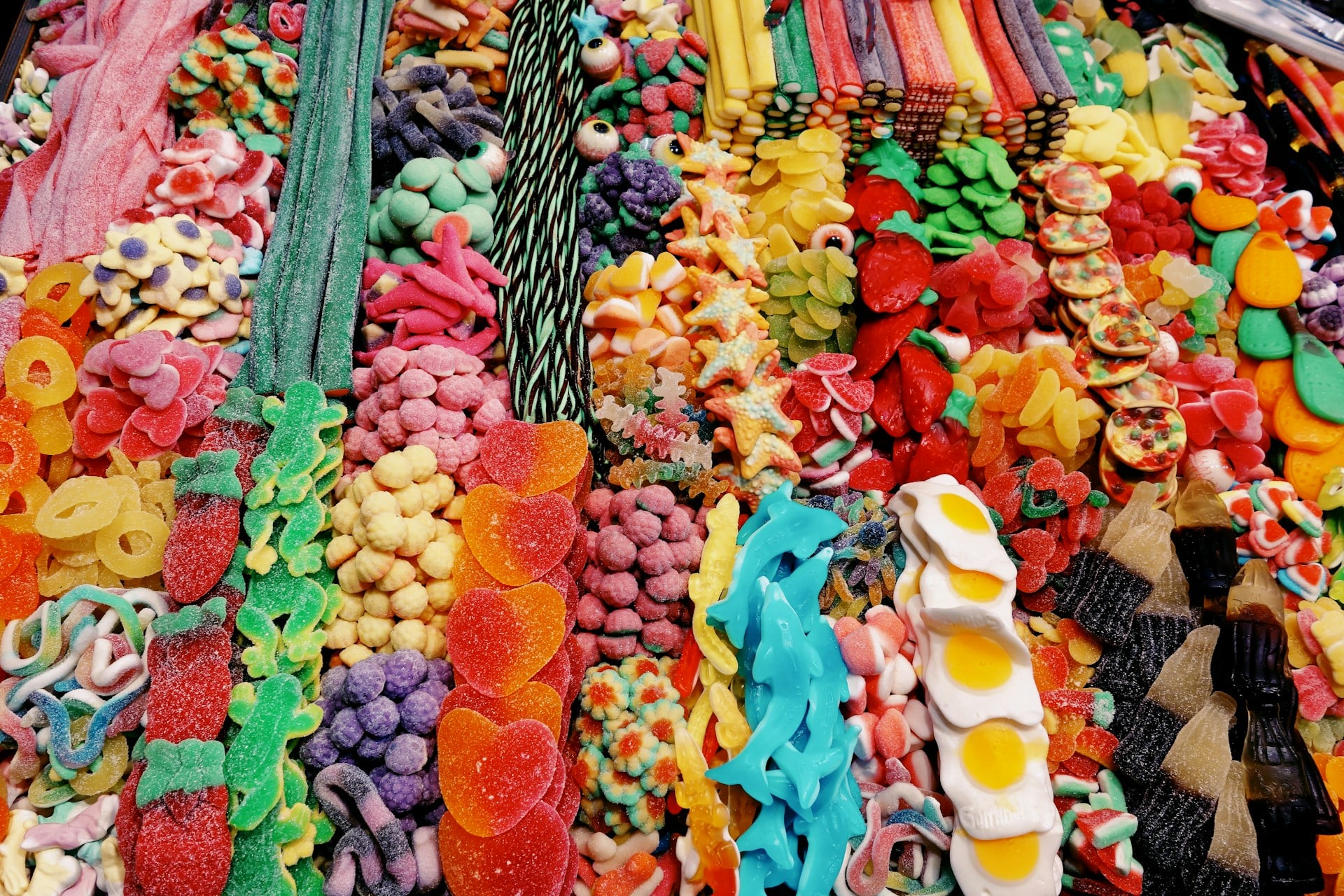
Time waits for no man, and apparently, it doesn’t wait for candy either. Companies like Hershey and Cadbury have been around for over a century, but not every sweet invention survives the test of time. Back in the day, any sugary treat was a novelty, enough to make a fictional kid betray his family for Turkish delight. Today, we have choices, and some candies simply couldn’t keep up. That doesn’t mean they weren’t delicious. Here are seven vintage candies that vanished from shelves, leaving behind only memories and a lingering desire for just one more taste.
Chum Gum
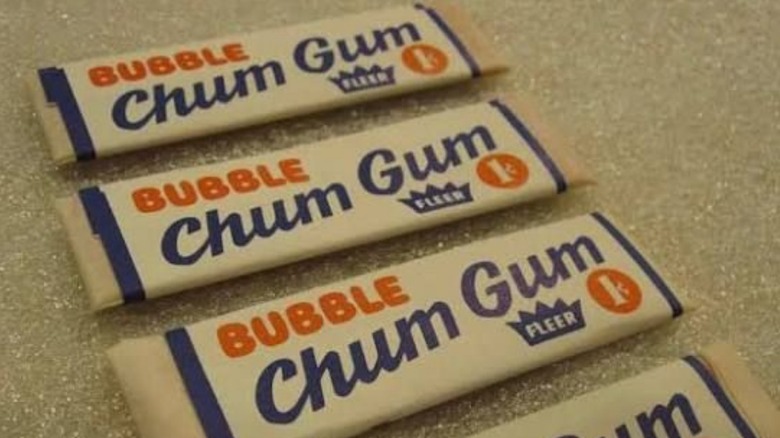
In a world that could use more friendliness, Chum Gum was a simple, beautiful idea. Produced by the Fleer Company, each wrapper contained two pieces of gum, encouraging you to share with a friend (or keep both for yourself, you monster). It was a small gesture of camaraderie in a piece of gum. But Fleer eventually shifted focus to its more popular Dubble Bubble, and Chum Gum was discontinued. The world became a slightly less friendly place.
Caravelle Bar
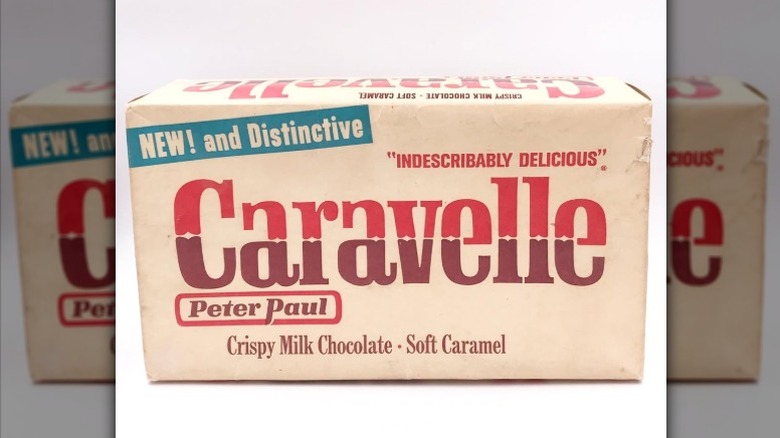
A milk chocolate bar filled with crisped rice and caramel sounds like a winner, and it was. So why did it disappear? The Caravelle bar, made by Peter Paul (the company behind Mounds and Almond Joy), fell victim to a corporate merger. When Cadbury bought Peter Paul in 1978, the Caravelle was discontinued for reasons that remain unclear. It was essentially the precursor to the 100 Grand bar, which survives today. Sometimes being too delightful isn’t enough to survive a merger.
Pyramint
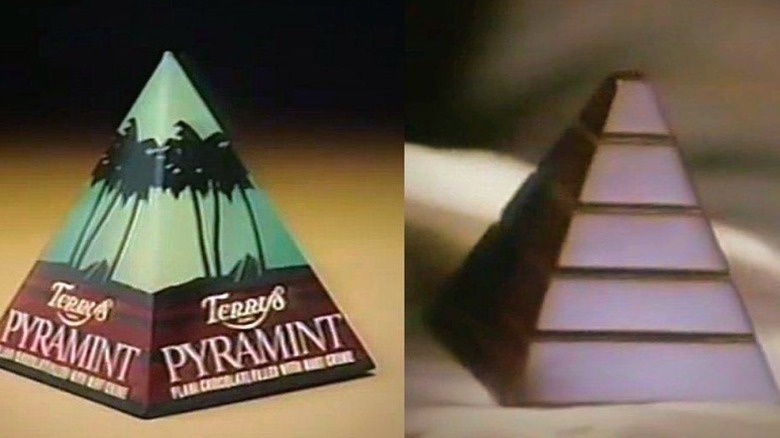
Terry’s, the British chocolatier famous for those chocolate oranges, once created something wonderfully odd: the Pyramint. As the name suggests, it was a chocolate pyramid with a mint filling. Eventually sold in bar form, the novelty couldn’t sustain sales, and it was discontinued in the 1990s. It sounds exactly like the kind of whimsical, conceptual candy Willy Wonka himself might have dreamed up. A chocolate pyramid is hard to forget, even if it’s hard to find.
Chicken Dinner
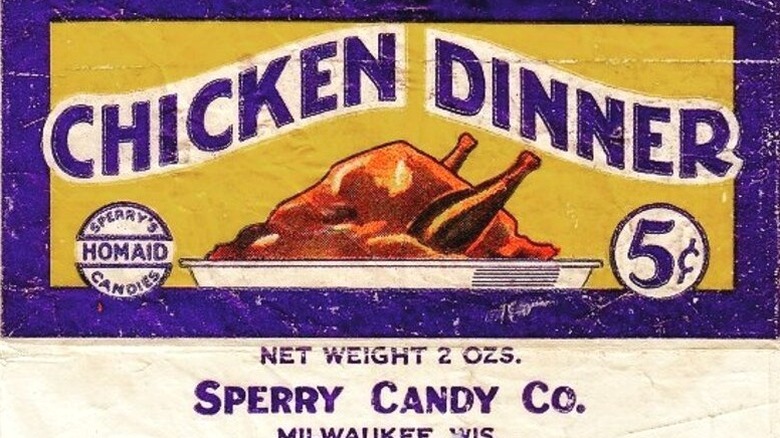
The name is misleading, but the candy was real. The Chicken Dinner bar, made by the Sperry Candy Company, contained chocolate and nuts and was marketed as an upscale, almost nutritious snack. It wasn’t meant to taste like poultry; the name was a bold bid for respectability. Pearson eventually bought the brand and discontinued it, but not before “Time” magazine named it one of the most influential candy bars in history. A strange legacy for a bar with a stranger name.
Slap Stix
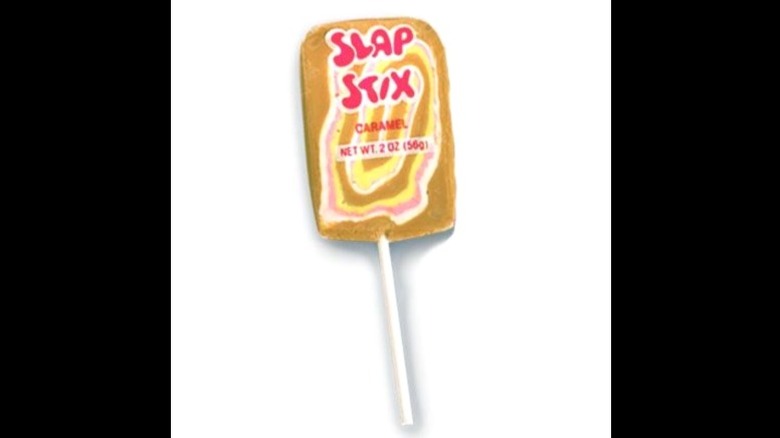
Named after the slapstick comedy device, this candy started life in 1920 as a “Snirkle Pop” before evolving into a banana-flavored caramel sucker with a creamy nougat center. It was playful, sweet, and distinct. The candy survived in various forms until 2021, when its parent company went bankrupt. Since then, small revival efforts have popped up, but the original Slap Stix remains a cherished memory for those who grew up with that banana-caramel-nougat combination.
Squirrel Nut Zippers
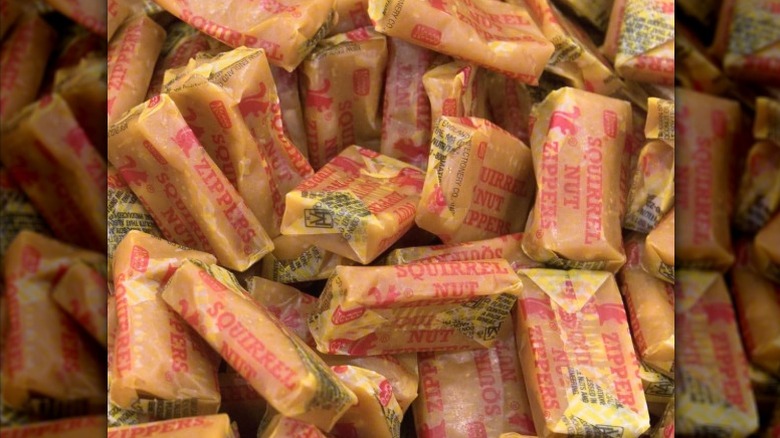
The name might conjure images of a certain Farrelly brothers movie, but its origin is more innocent. The Squirrel brand of caramels created a vanilla counterpart to its chocolate caramels, and a news story about a drunkard blaming his behavior on a cocktail called a “Nut Zipper” inspired the name. The candy was eventually bought by Necco, which went out of business in 2018. The name lives on through a popular swing revival band, but the candy itself is gone. A zippy name, a zippy candy, lost to time.
Seven Up Candy Bar
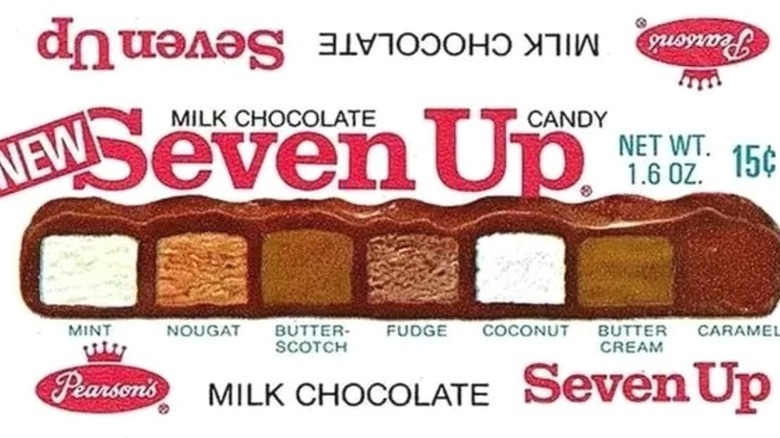
This wasn’t a soda-flavored bar; it was something far more ambitious. Created by William Widman in Dubuque, Iowa, the Seven Up bar was essentially seven mini-candies in one. Each section featured a different filling, nougat, fudge, caramel, offering a variety pack in a single bar. The concept was novel and beloved, but production was a nightmare at scale. Eventually, the 7-Up soda company (a completely separate entity) bought the bar from Pearson’s and promptly discontinued it. A multi-flavor marvel lost to complexity.
These candies remind us that even the sweetest things can disappear. Corporate mergers, shifting priorities, and changing tastes all play a role. But they live on in memory, and every so often, someone tries to bring them back. For now, we have these stories and the hope that maybe, just maybe, one of them will return.