10 Grocery Brands Boomers Loved and What Happened to Them

For Baby Boomers growing up in the 1960s, ’70s, and ’80s, the grocery store was a place of wonder. Aisles were stocked with brightly colored boxes, futuristic frozen dinners, and powdered drinks that promised a taste of space-age living. These brands weren’t just food; they were symbols of postwar optimism, markers of family life, and the background music of countless childhood memories. Some have faded into obscurity, while others quietly evolved or found new life online. Here’s a look at 10 once-iconic grocery brands that defined an era and where they are now.
Tab Soda
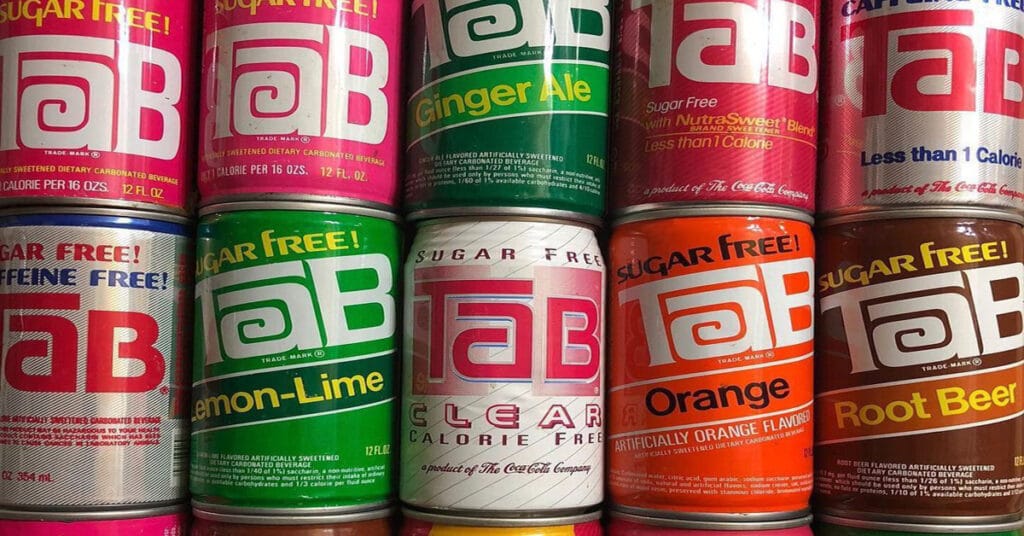
Tab, Coca-Cola’s first diet soda, was once a pop-culture icon sleek, pink, and synonymous with 1970s style. Despite a loyal fanbase, Coca-Cola discontinued it in 2020 amid product line cuts. However, its cult following remains strong, with collectors trading vintage cans and fans clamoring online for a revival. Tab’s legacy paved the way for modern zero-sugar sodas.
Tang

Tang was the orange-flavored powdered drink that felt like the future in a glass. When NASA sent it aboard Gemini and Apollo missions in the 1960s, its space-age reputation was sealed. Every kid wanted a taste of what astronauts drank. Though its prime has passed, Tang never disappeared. Now owned by Mondelez International, it’s still sold in parts of the United States but has found its biggest audience overseas. In Latin America and Asia, it’s available in dozens of fruit flavors, still delivering that sweet, nostalgic tang.
Banquet
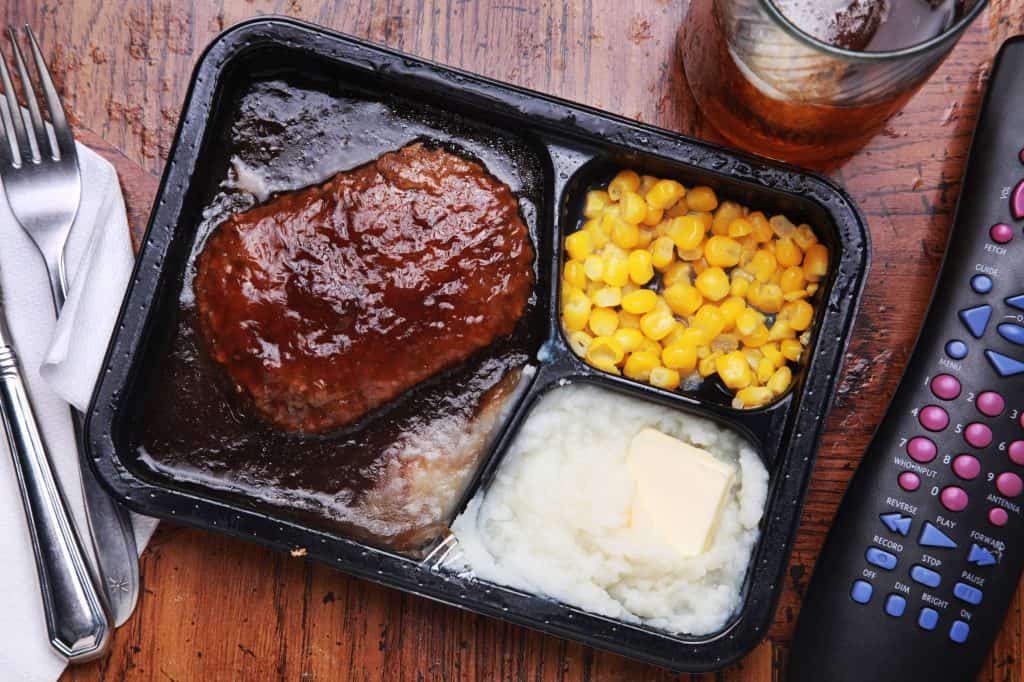
Banquet frozen dinners were the ultimate solution for busy families. By the 1970s, their fried chicken and Salisbury steak TV dinners were household staples, offering warmth and convenience in a single metal tray. Today, Banquet is still very much alive under Conagra Brands. The packaging has modernized with microwave-ready options, and the menu has expanded to include budget-friendly comfort foods. It now competes with fresher meal kits, but for millions, it remains a reliable weeknight backup.
Jell-O Pudding Pops

For kids of the 1980s, Jell-O Pudding Pops were pure magic. Cold, creamy, and perfectly portioned, they were the after-school treat everyone wanted. Then, in the early 2000s, they disappeared. The loss still stings. Kraft Heinz, which owns Jell-O, has teased limited re-releases over the years, but nothing permanent has stuck. Fans now recreate them at home, sharing recipes and memories online. The Pudding Pop lives on in spirit, if not on store shelves.
Chef Boyardee
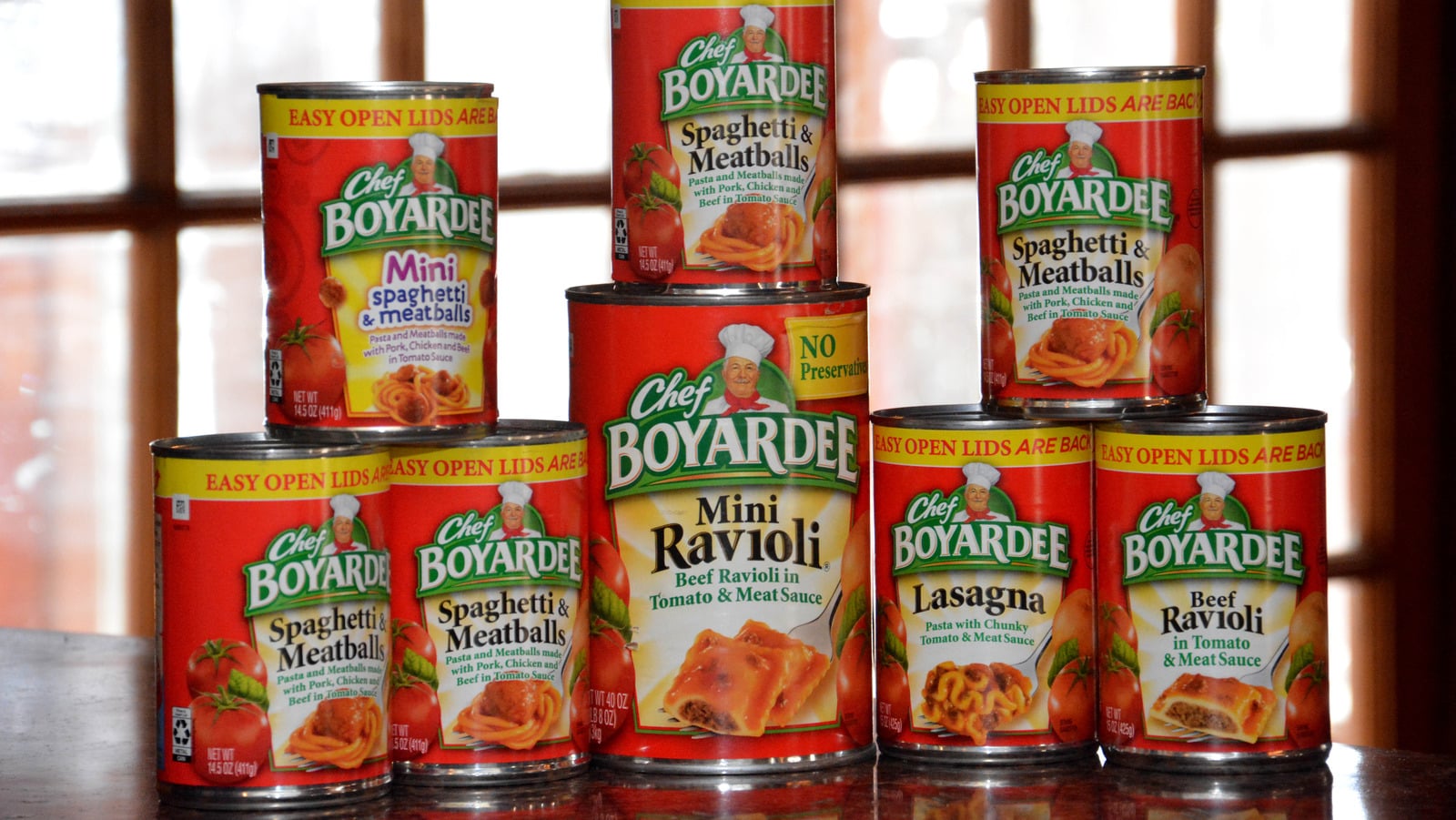
Chef Boyardee brought Italian-inspired convenience to American tables long before anyone knew what “artisanal” meant. Created by real chef Ettore “Hector” Boiardi, the brand’s canned ravioli and spaghetti became a symbol of easy family meals by the 1970s. Today, it’s still widely available, owned by Conagra, and has found an unexpected second life among Gen Z snackers who embrace it with a mix of irony and genuine affection. It’s comfort food, unapologetically itself.
Swanson

In 1953, Swanson changed American dining forever with the first TV dinner. That compartmentalized tray of turkey, peas, and mashed potatoes became a mid-century icon. While Swanson no longer dominates the frozen aisle, its legacy is undeniable. The brand now focuses mainly on canned broth and soup bases under the Campbell Soup Company umbrella. But for anyone who remembers those aluminum trays, Swanson will always be the original.
Kool-Aid

Kool-Aid’s cheerful mascot and that unforgettable “Oh Yeah!” slogan defined childhood summers for generations. It was cheap, it was sweet, and it came in flavors like Sharkleberry Fin that seemed designed for pure fun. Though health-conscious parents eventually turned away from sugary powders, Kool-Aid never disappeared. Still produced by Kraft Heinz, it’s found new life in frozen treats and viral TikTok recipes. Vintage flavors occasionally reappear in nostalgic limited runs, sending fans straight back to the kitchen table.
Lipton Soup Mixes
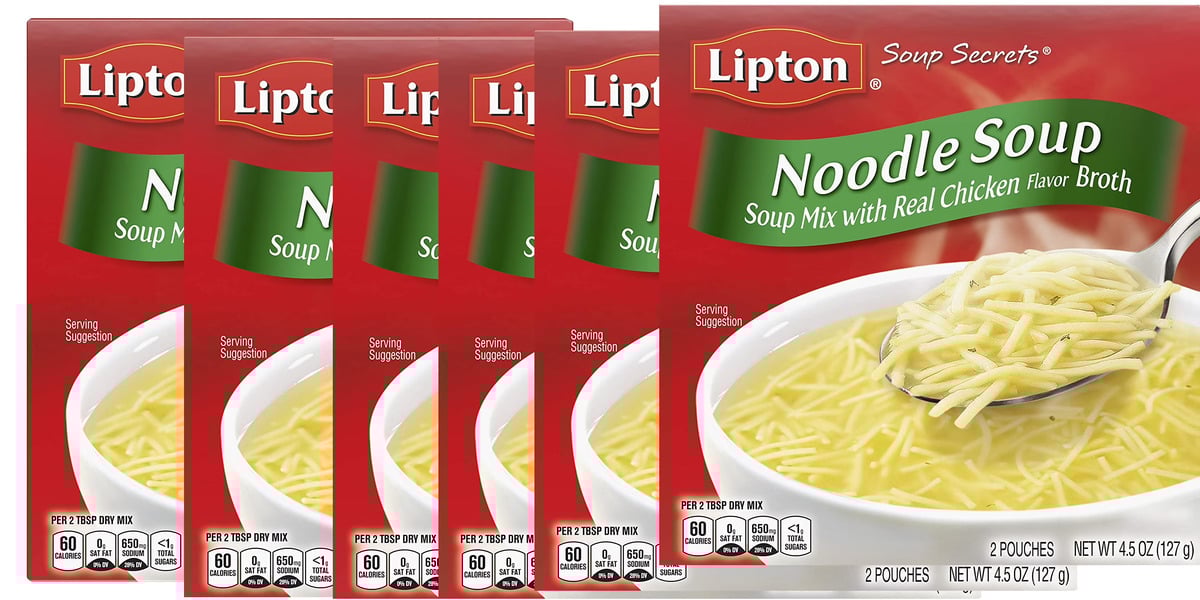
Before instant ramen took over, Lipton Soup Mixes were the shortcut every home cook knew. The onion variety, in particular, was legendary for creating dips and casseroles with almost no effort. While Lipton isn’t as dominant today, its classic mixes are still on shelves, now marketed more as recipe starters than stand-alone soups. For Boomers, that little envelope still holds the key to countless family favorites.
Mrs. Paul’s Fish Sticks

Fish sticks were a weeknight ritual for Boomer families, and Mrs. Paul’s was the name everyone trusted. Launched in the 1940s, it became synonymous with quick, convenient seafood dinners. Today, Mrs. Paul’s is still around, now owned by Conagra through its acquisition of Pinnacle Foods. It’s been overshadowed by newer brands emphasizing freshness and sustainability, but for those who grew up on them, those crispy golden sticks still taste like Friday night.
Carnation Instant Breakfast
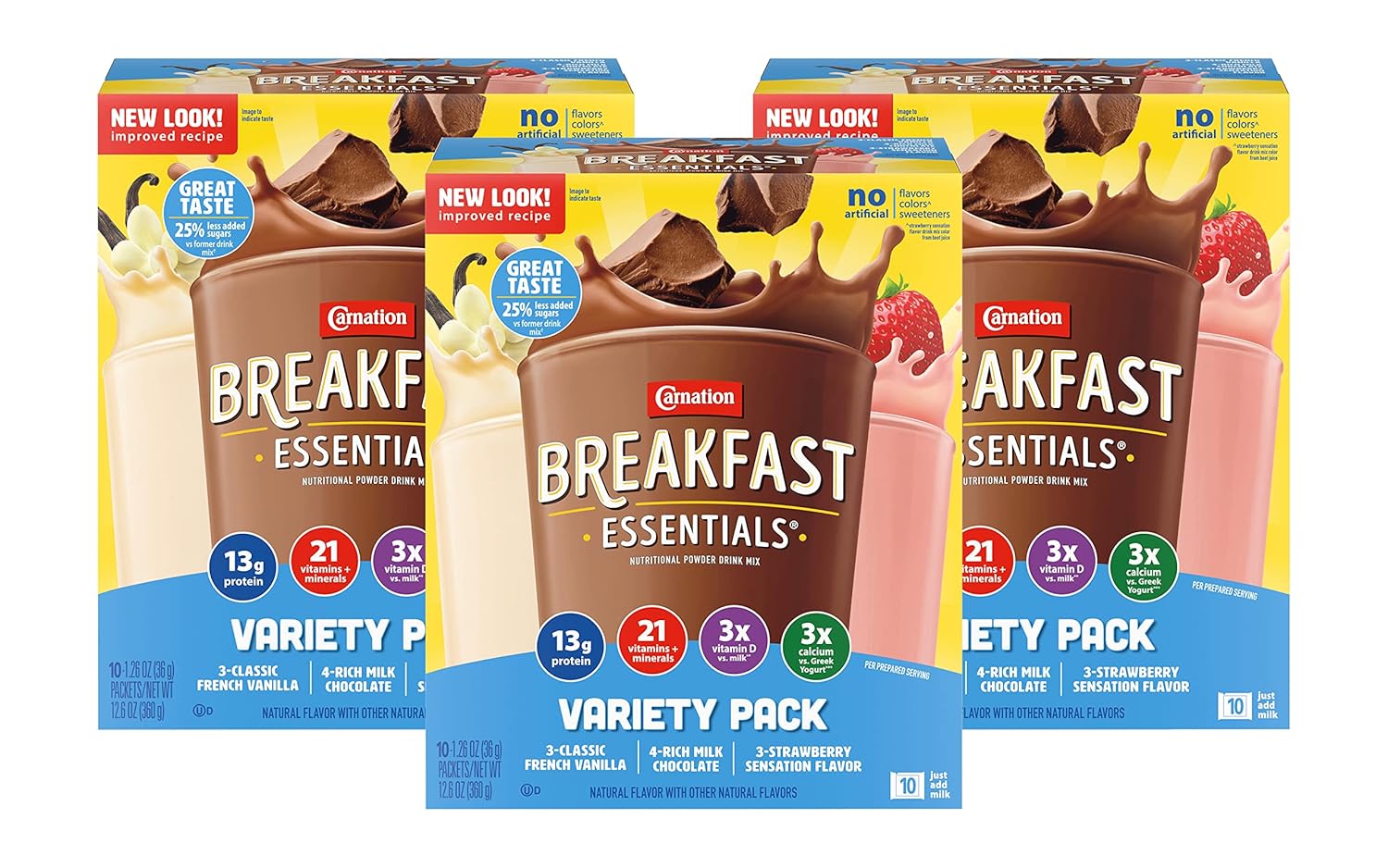
Introduced in the 1960s, Carnation Instant Breakfast promised something revolutionary: a balanced meal you could drink. Parents loved the speed and nutrition claims; kids loved the chocolate flavor. The brand has evolved over the decades, now rebranded as Carnation Breakfast Essentials and focused on protein drinks and on-the-go wellness under Nestlé. It’s less about nostalgia now and more about practical nutrition, but the memory of that foil packet poured into a glass of milk lingers.