Common Signs That Your Seafood May Not Be Fresh Anymore

Buying seafood seems simple—until you realize how easy it is to pick something that’s not as fresh as it should be. The tricky part is that the warning signs aren’t always obvious unless you know what to look for.
Once you understand the basics, though, it gets a lot easier to shop with confidence and avoid anything questionable. Here are the key signs that seafood may be past its prime—and what to check before you buy.
The Counter Staff
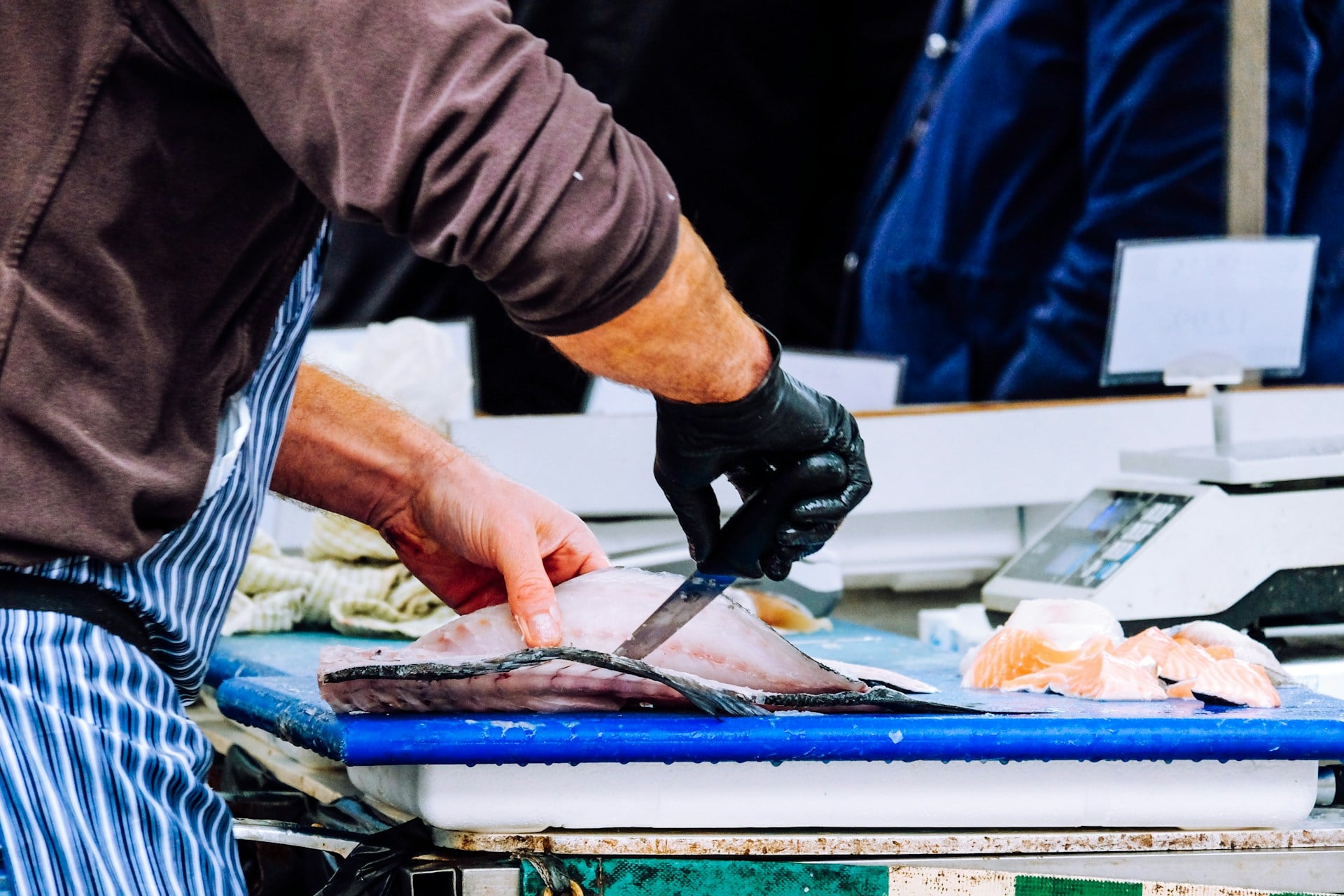
Don’t overlook the people behind the counter. A good fishmonger should be able to tell you where the seafood came from and when it arrived.
If they can’t answer basic questions, that’s a sign to be cautious. Transparency usually means better quality.
The Eyes
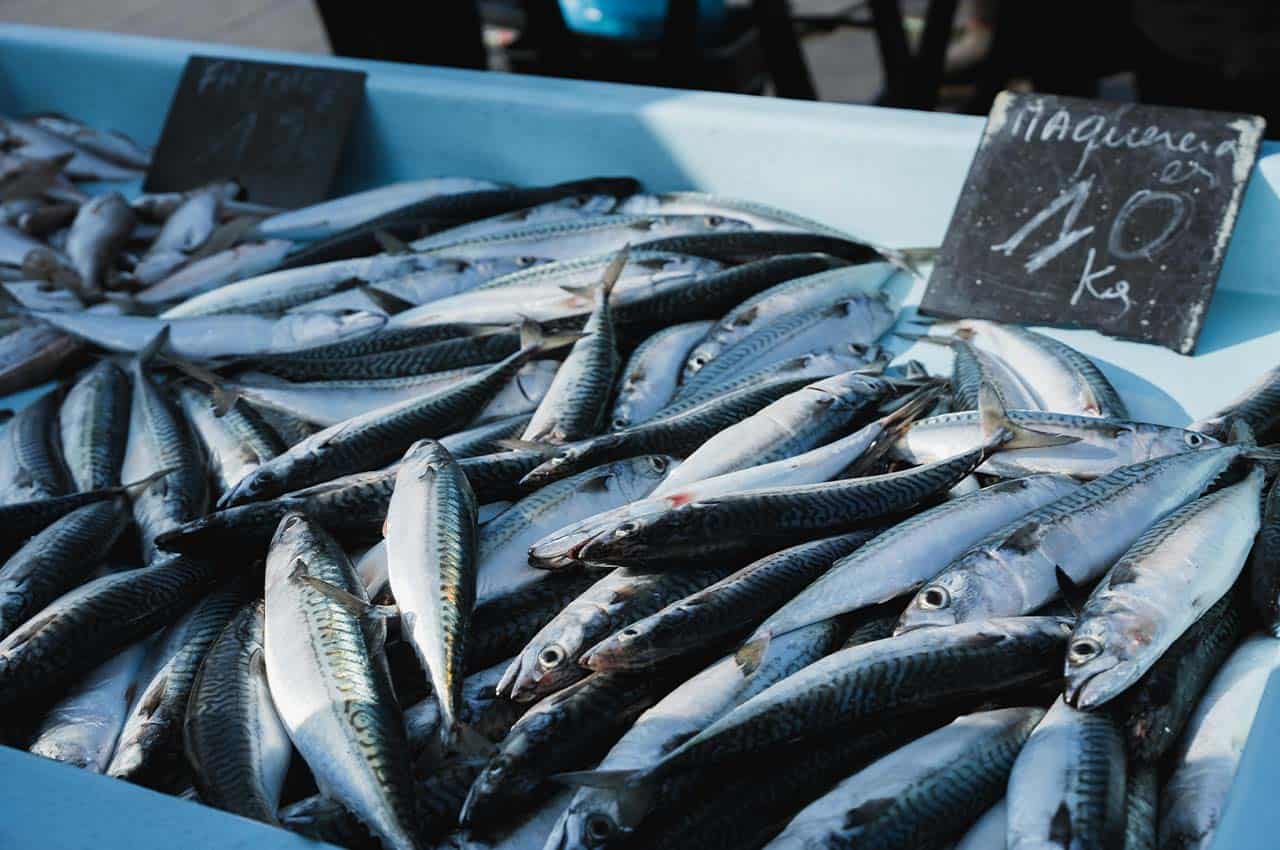
When buying whole fish, the eyes tell you a lot. Fresh fish have clear, bright, slightly bulging eyes.
Cloudy, sunken, or dull-looking eyes are a sign the fish has been sitting for too long.
The Gills
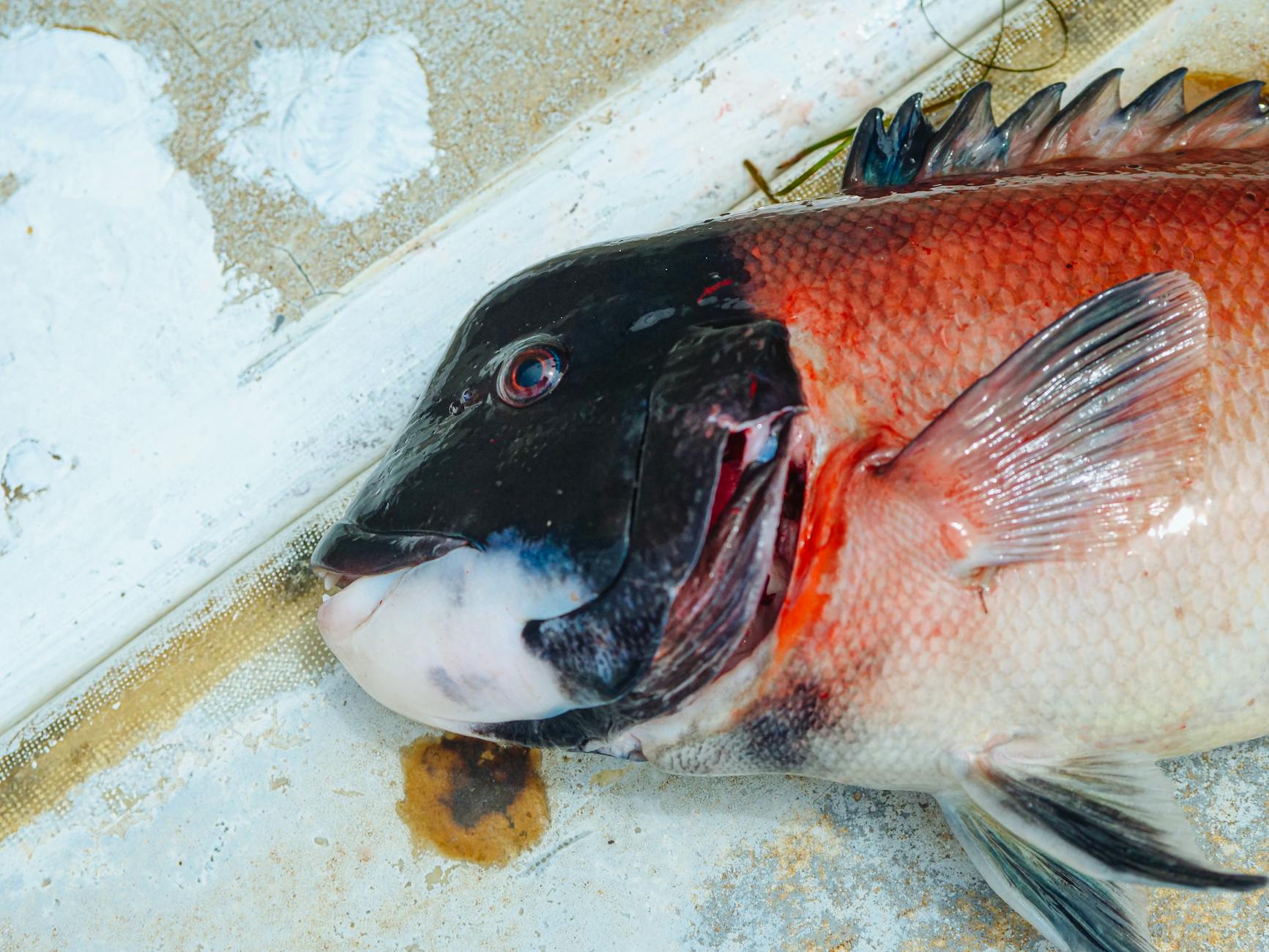
Lift the gill flap if you can—fresh gills should be bright red or pink.
If they’re brown, gray, or slimy, that’s a clear indicator the fish is no longer fresh.
The Smell
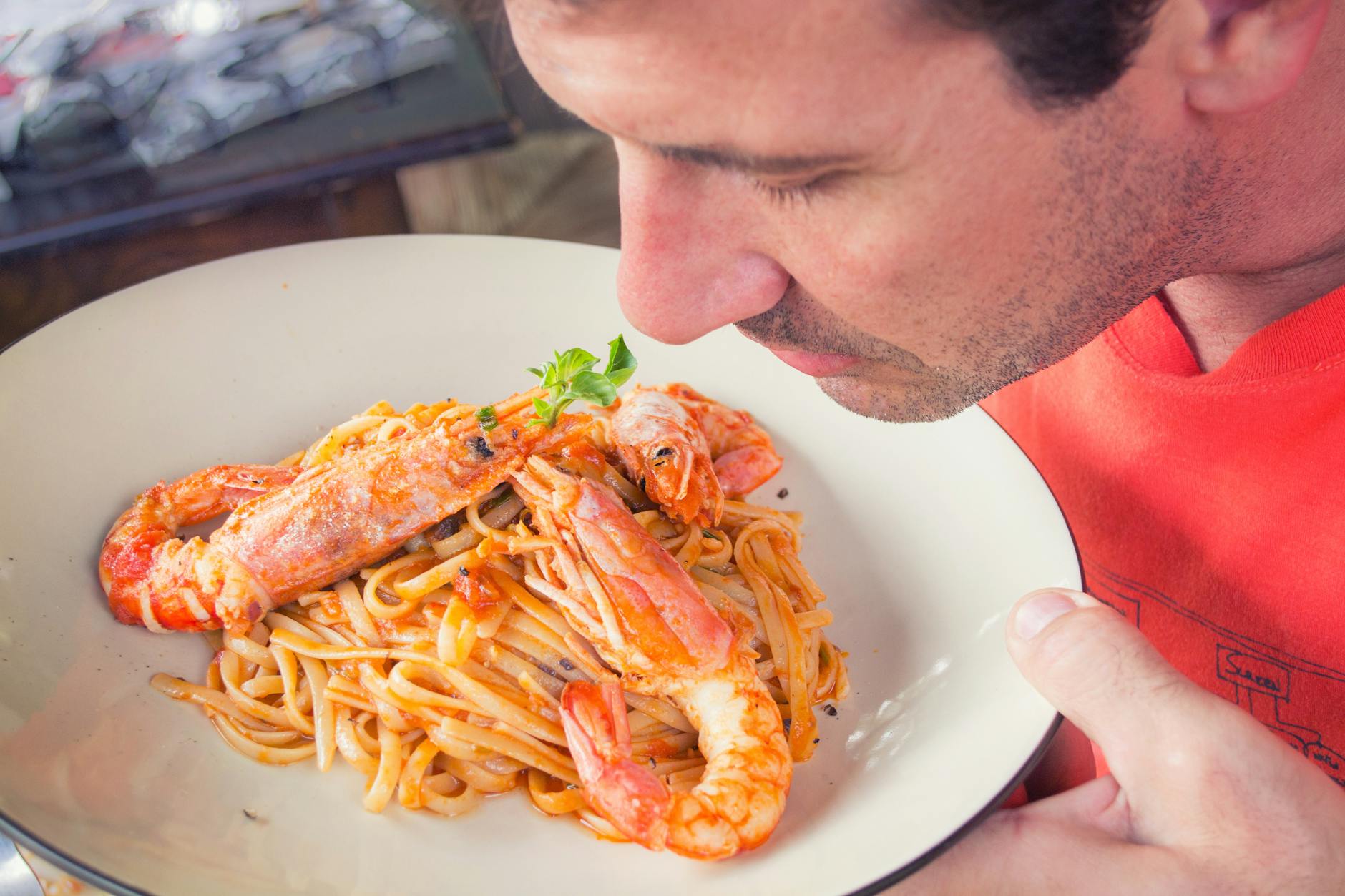
Fresh seafood should smell clean and slightly briny—like the ocean.
If it smells overly “fishy,” sour, or ammonia-like, that’s a strong sign it’s no longer fresh. When in doubt, trust your nose. If it makes you hesitate, it’s best to skip it.
The Flesh
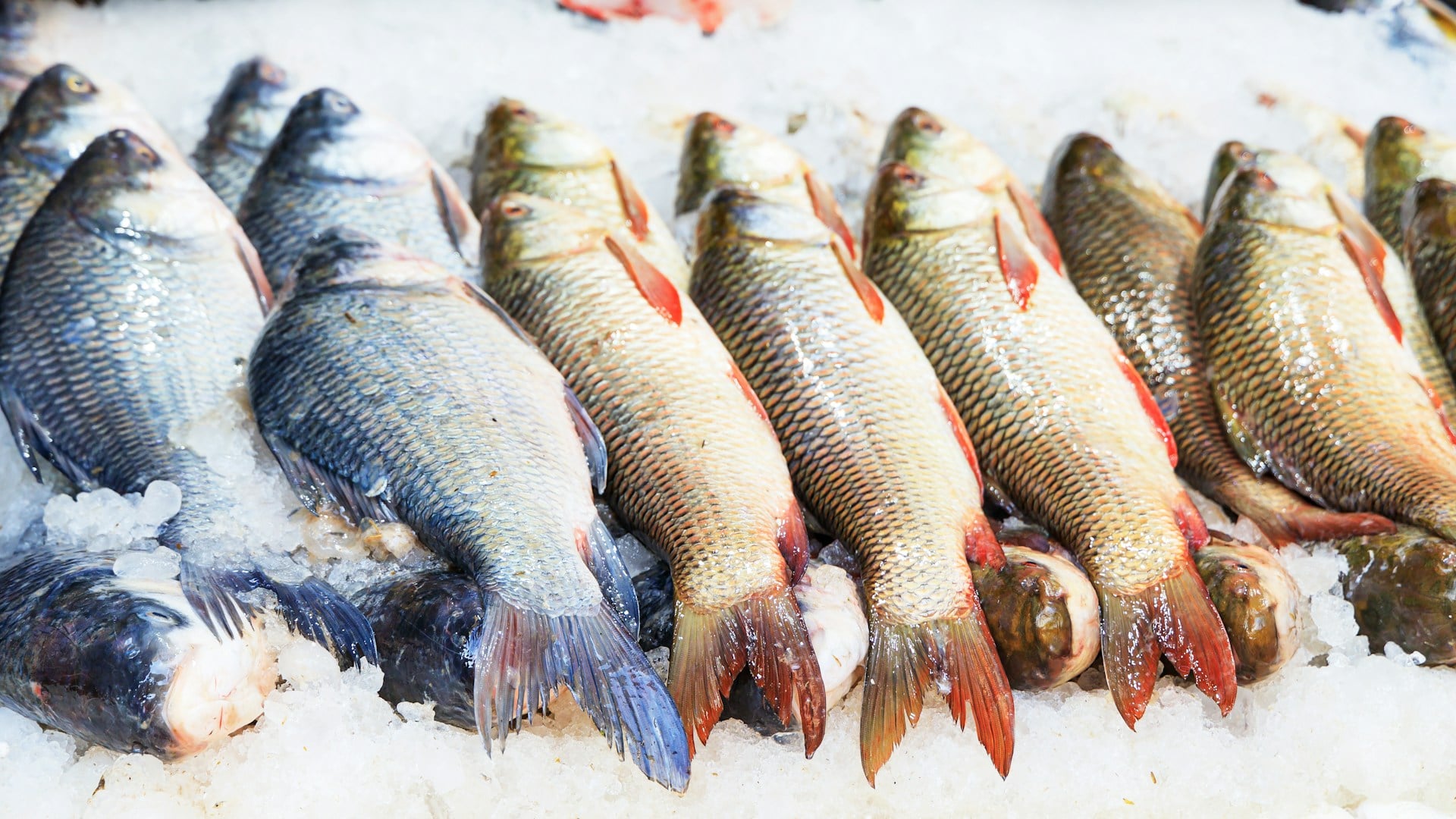
Fresh fish should feel firm and bounce back when you press it lightly.
If it leaves an indentation or feels mushy, it’s already breaking down and should be avoided.
The Scales
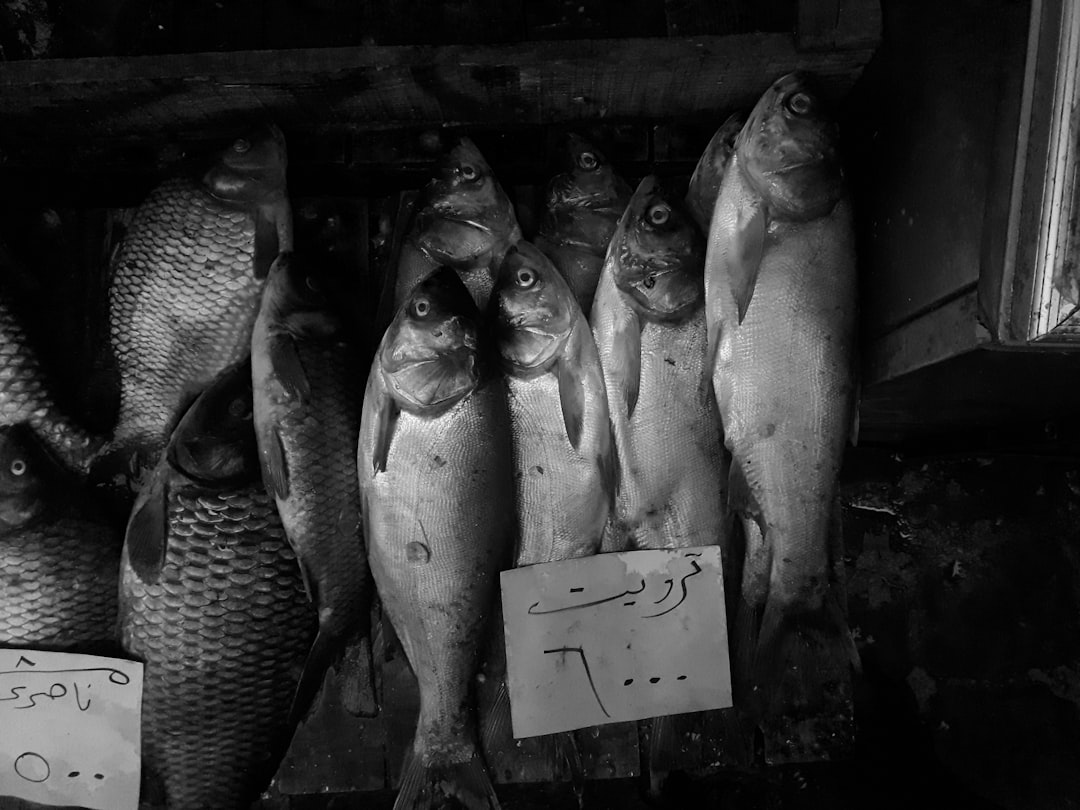
Scales should be shiny and tightly attached to the fish.
If they’re dull, falling off, or patchy, it’s a sign of age or poor handling.
The Shrimp
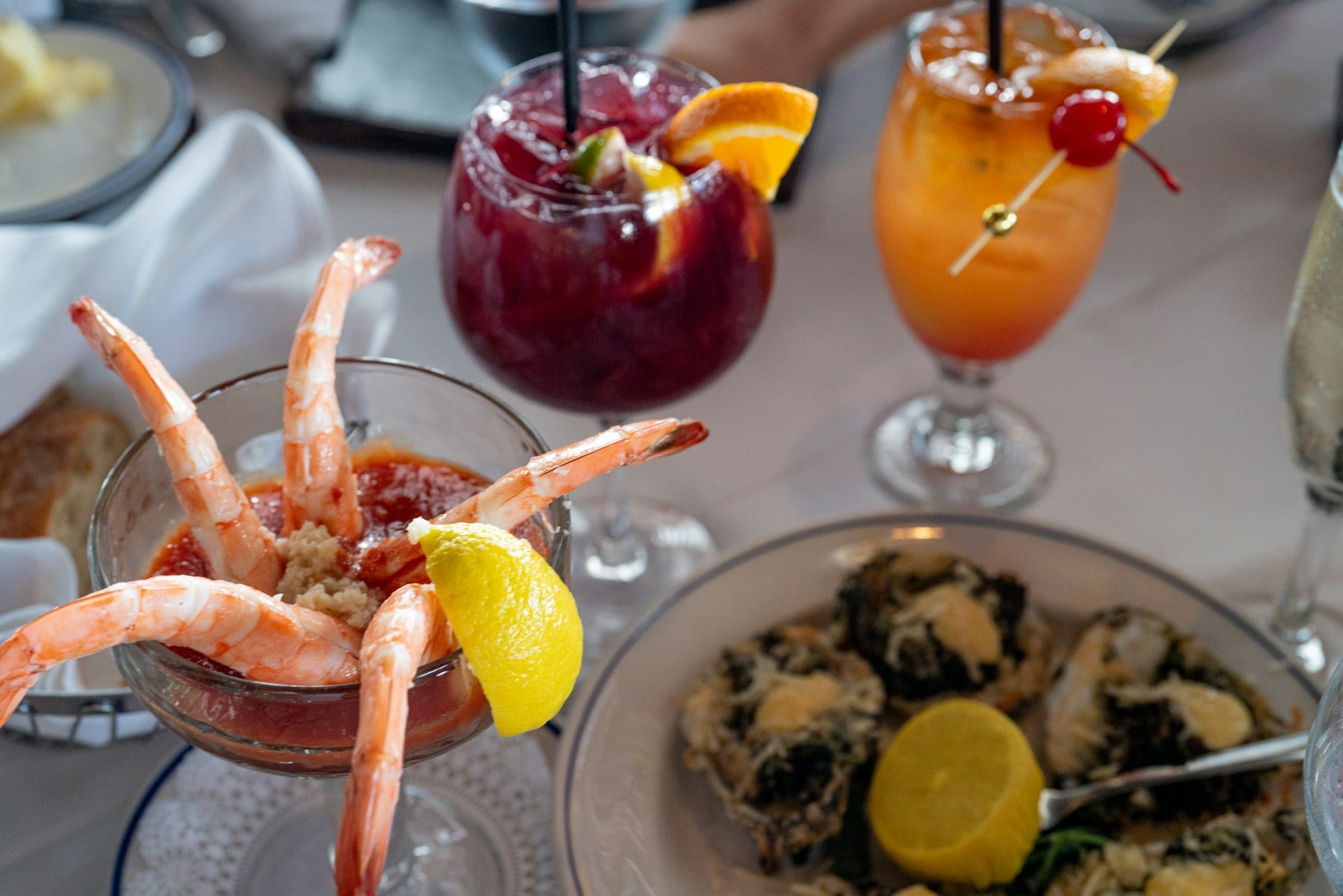
Fresh shrimp should be firm, slightly translucent, and have shells that cling tightly.
Black spots, strong odors, or loose shells are warning signs that they’re past their prime.
The Ice Display
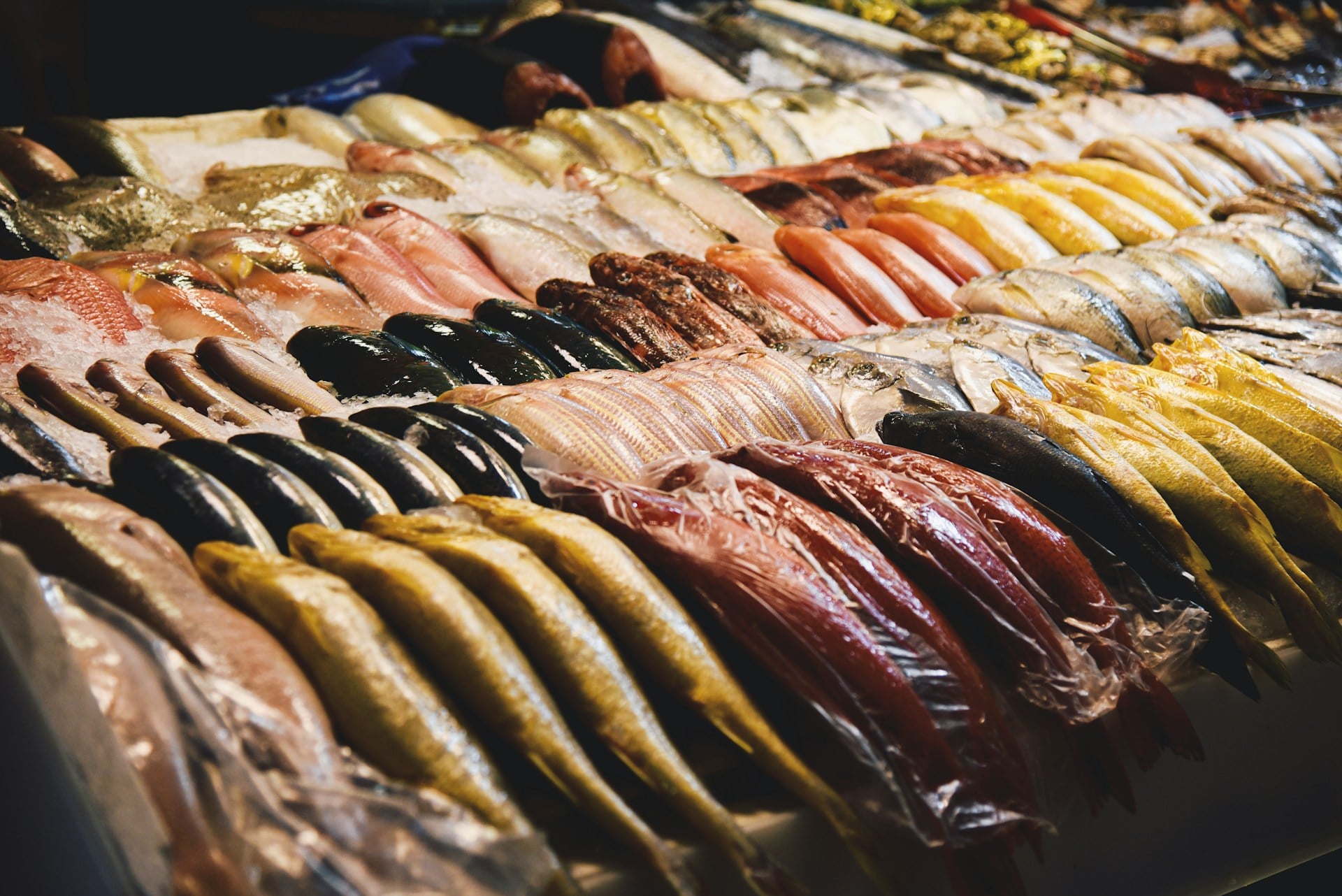
Pay attention to how seafood is stored. It should be sitting on a thick bed of fresh ice.
If the ice is melting or the seafood is sitting in water, it may not have been kept cold properly.
The Oysters
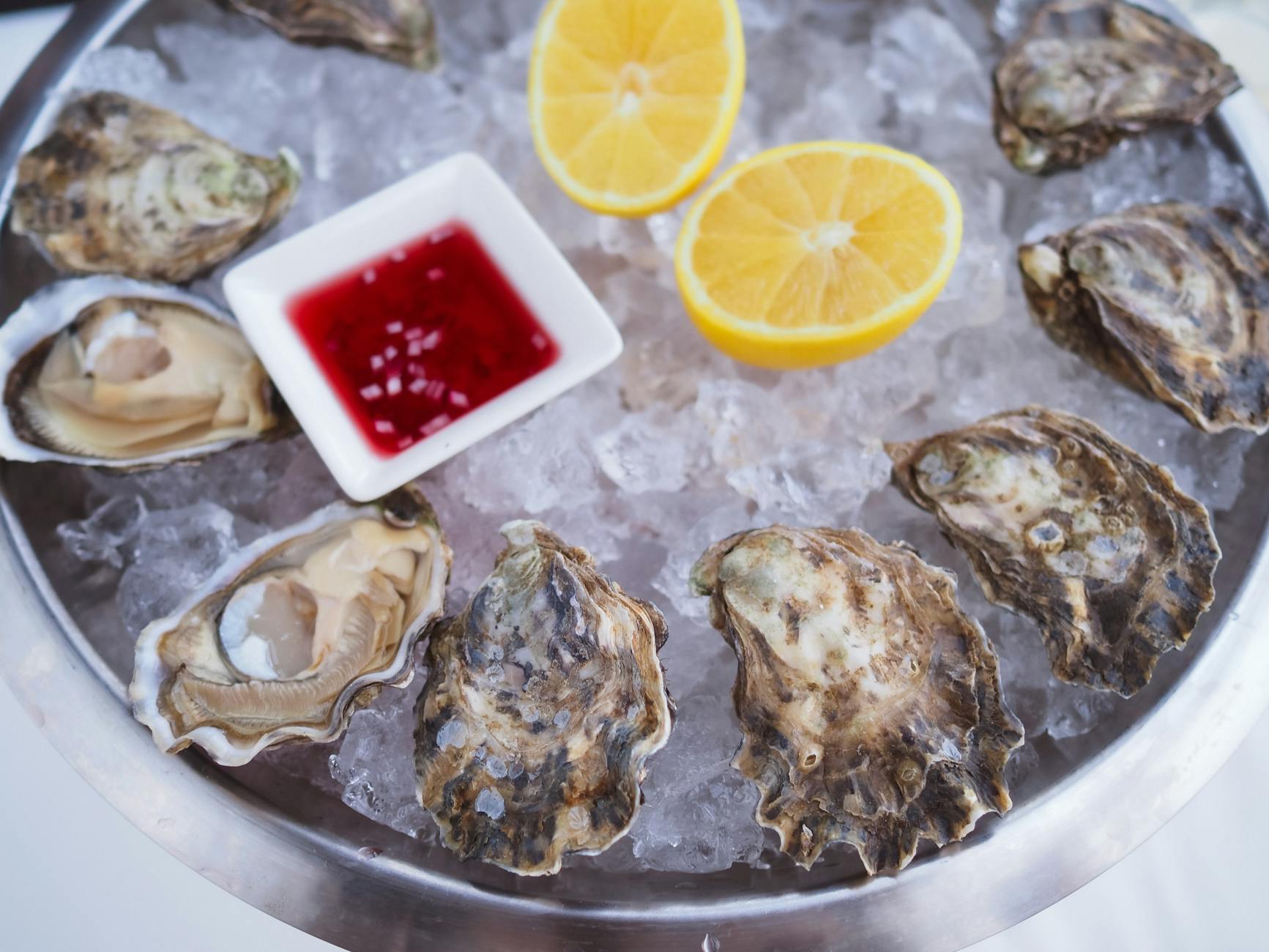
Live oysters should be tightly closed or close when tapped.
If they stay open, they’re no longer safe to eat and should be avoided.
The Mussels and Clams
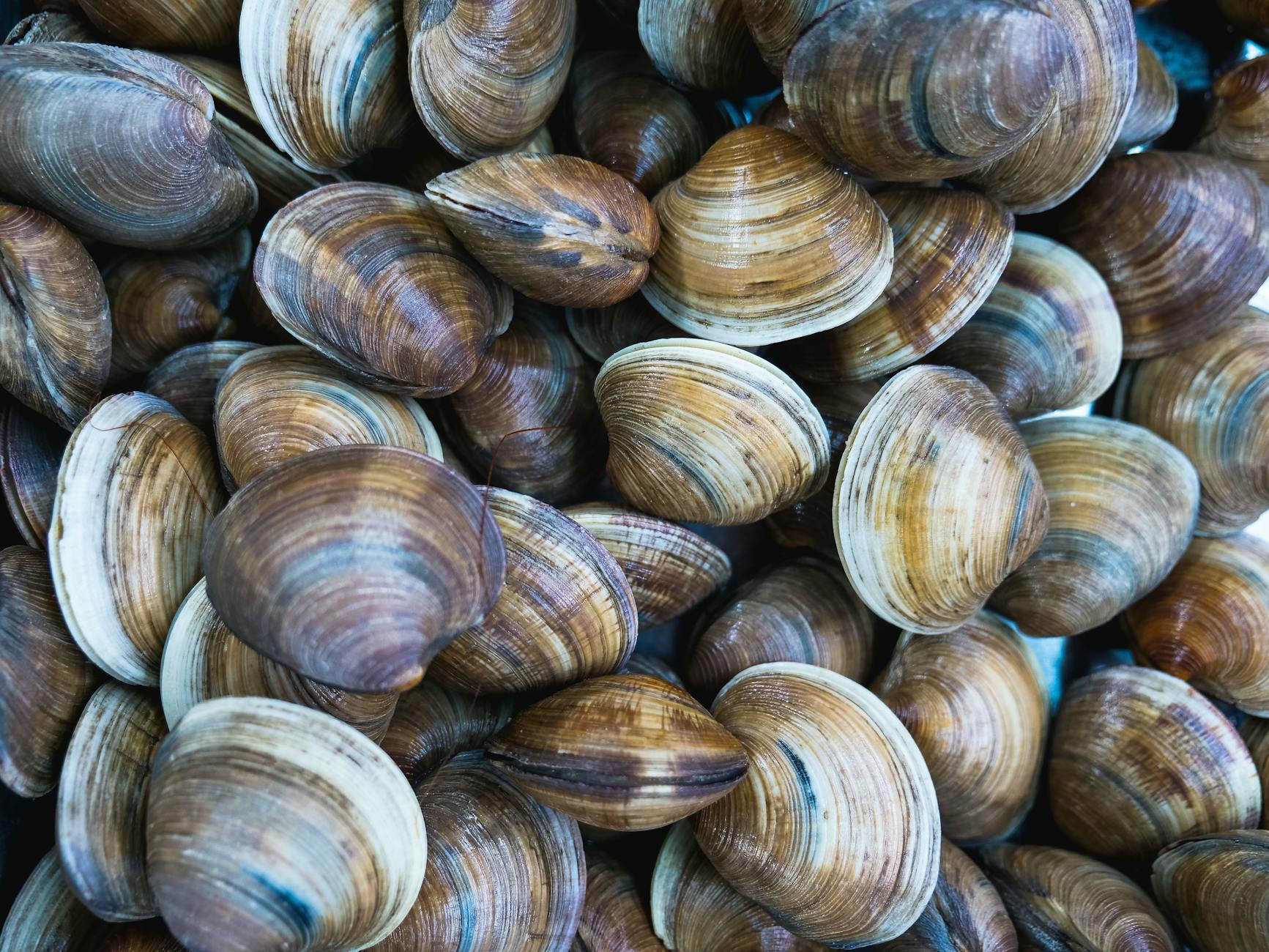
Like oysters, mussels and clams should be closed or close when tapped.
Open shells that don’t respond are a sign they’re no longer alive and shouldn’t be used.