What You Should Know Before Washing These Seven Foods

We’ve all been there. You’re about to cook dinner, and on autopilot, you run the chicken under the faucet or give those mushrooms a quick rinse. It feels like the right thing to do, doesn’t it? But here’s the thing: a lot of what we think we know about washing food is actually doing more harm than good. Sometimes it spreads bacteria, sometimes it ruins texture, and sometimes it’s just completely unnecessary. Understanding what really needs a wash—and what absolutely doesn’t—can make your food safer and your cooking better. Let’s break down some of the common culprits.
Fresh Pasta: A Washing Misstep

Fresh pasta is delicate and wonderful, and rinsing it would be a tragedy. Those starches on the surface are what help sauce cling to every strand. If you wash them away, your sauce just slides off. If your fresh pasta is clumped together in the package, just gently separate it with your fingers before it goes into the water. Cook it in well-salted water until it’s al dente, and then transfer it directly to your simmering sauce. That starchy pasta water you reserved? That’s the real magic for bringing everything together.
Store-Bought Eggs: To Wash or Not?

Here’s a fun fact: store-bought eggs come with a natural protective coating called the bloom. It’s there to keep bacteria out. When you wash eggs at home, you actually strip that coating away, which can make them more vulnerable to contamination. In the U.S., eggs are already commercially cleaned and sanitized before they ever hit the shelf, so another rinse in your sink is completely unnecessary. Just keep them in their original carton in the fridge—that carton actually helps protect them from temperature changes and absorbing other fridge odors.
Pre-Washed Salad Greens: Safe or Sorry?

This one is all about reading the label. If that bag of greens says “pre-washed” or “triple-washed,” you can take it to the bank. They’ve been through a commercial cleaning process that’s way more thorough than anything you can do at home. Rinsing them again doesn’t add any safety—in fact, it might introduce bacteria from your sink or colander. Just open the bag, maybe give the greens a quick spin if they look a little wet, and they’re ready to go. Store them in the crisper drawer in their original bag, and they’ll stay crisp longer.
Why Washing Mushrooms Matters

Mushrooms are little sponges. If you run them under water, they soak it up like, well, a sponge. And then when you try to sauté them? They steam instead of brown, and you end up with sad, rubbery mushrooms. The right move is to clean them gently with a damp paper towel or a soft brush to wipe off any visible dirt. If you absolutely must rinse them, do it super quickly and pat them bone-dry immediately. But honestly, a little brushing is all they need.
The Truth About Raw Chicken
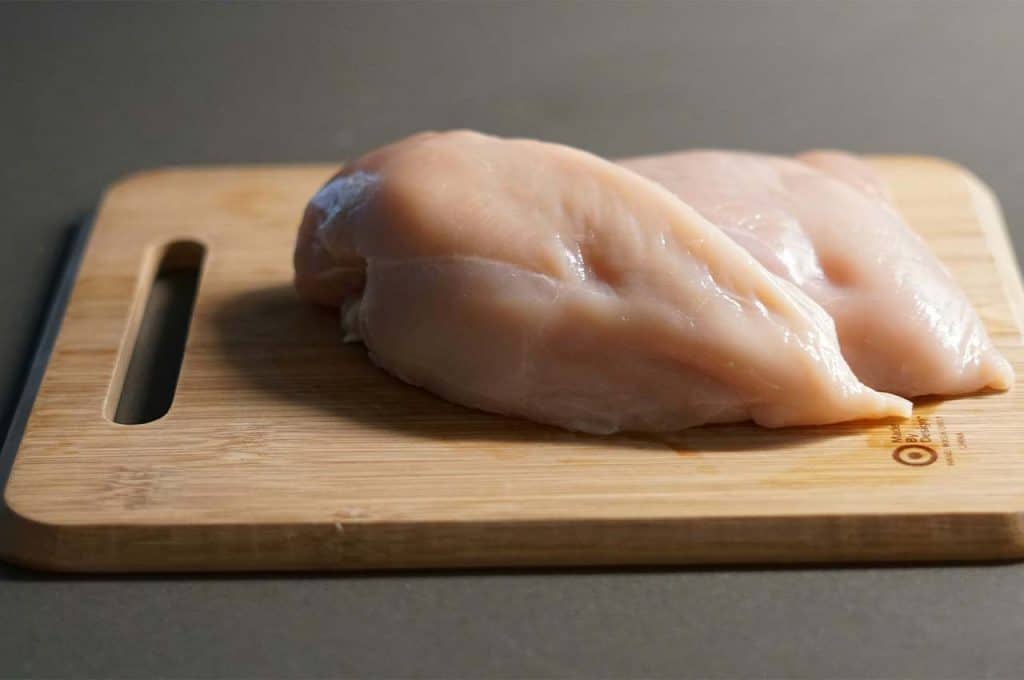
I know it seems counterintuitive. You buy raw chicken, and your first instinct is to rinse it off, right? But here’s the reality: washing raw chicken under running water is one of the best ways to spray bacteria like salmonella all over your sink, your countertops, and basically anything within a three-foot radius. It’s called aerosolization, and it’s not something you want happening in your kitchen. The good news? Proper cooking takes care of bacteria just fine. As long as you cook that chicken to an internal temperature of 165°F, you’re safe. If you’re worried about cleanliness, just handle it carefully, wash your hands and utensils thoroughly, and maybe use a vinegar or citrus marinade if you want that extra layer of flavor without the risk.
Cooked Rice: The Hidden Peril
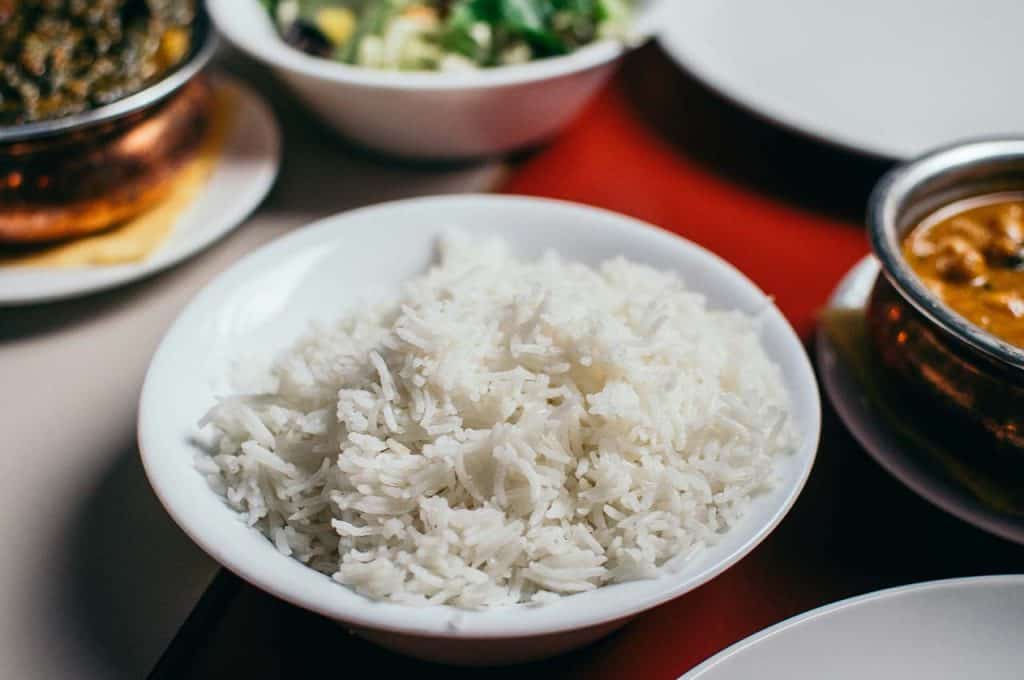
Okay, this one is more about texture than safety, but it’s still important. Once rice is cooked, you never want to rinse it. Washing cooked rice strips away the starch that gives it body and makes it waterlogged and mushy. If your rice came out a little sticky, just use a fork to fluff it gently. That’s all it needs. The time to rinse rice is before you cook it—that removes excess surface starch and helps the grains stay separate. After cooking? Let it be.
Raw Turkey: Similar to Chicken?

Just like with chicken, washing raw turkey is a bad idea. That same bacteria-spraying risk applies, and turkey tends to be bigger and splashier, which honestly makes it worse. The solution is exactly the same: cook it to the right temperature (165°F) and call it a day. If you’re roasting a whole bird and want crispy skin, the move isn’t rinsing—it’s patting it dry with paper towels before you season it. That little step makes a huge difference.