What Eating Looked Like in Mid-Century America

The two decades after World War II remade the American kitchen faster than any period before or since. A booming economy, waves of new technology, and shifting family dynamics transformed not just what people ate, but how they thought about food itself. Mealtime became a showcase for modern living, with frozen entrées, canned goods, and gleaming appliances promising to make life easier, faster, and better. It was an era of optimism, and the kitchen was where it all came together.
The Rise of Convenience Foods

Postwar prosperity put money in people’s pockets, but it also put pressure on their time. With more women entering the workforce and families on the move, the demand for quick, reliable meals exploded. Frozen vegetables, instant mashed potatoes, and boxed desserts became the new normal. Brands like Betty Crocker, Swanson, and General Mills filled grocery aisles with products that promised home cooking without the work. Convenience wasn’t just practical; it was patriotic, a symbol of American progress and modern living.
The Birth of the TV Dinner

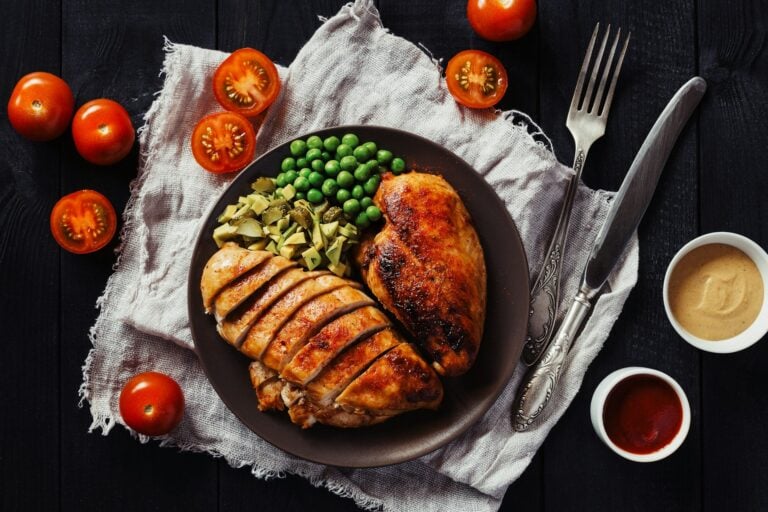
In 1953, Swanson changed everything. The first TV dinner, neatly compartmentalized with turkey, peas, and mashed potatoes, offered something entirely new: a meal designed to be eaten in front of the television. Families embraced the idea with enthusiasm. By the late 1950s, millions of households were balancing trays on folding tables, eyes fixed on black-and-white screens. Dinner had become entertainment, and the era of mealtime multitasking had officially begun.
Advertising and the American Dream
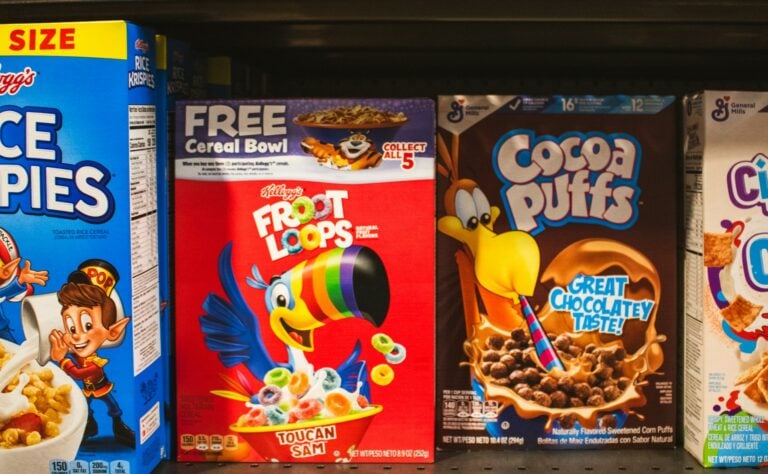
Mid-century food ads didn’t just sell products; they sold a vision. Magazine spreads and television commercials promised happy families, perfect wives, and kitchens straight out of a dream. Cereal mascots, jingles, and bright packaging taught Americans that food could be fun, fast, and fashionable. Campbell’s, Jell-O, and Spam became household names through clever marketing that blurred the line between necessity and luxury. You weren’t just buying soup; you were buying a slice of the good life.
The Era of Processed Innovation

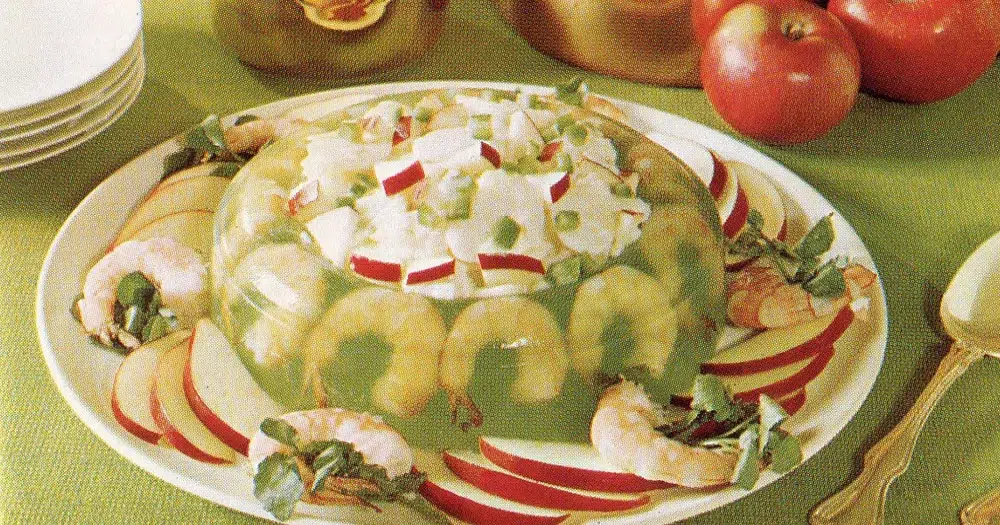
The same technological optimism that sent rockets into space found its way onto dinner plates. Shelf-stable foods, powdered mixes, and emulsified dressings reflected a belief that science could perfect everything, including meals. Processed cheese, canned soup casseroles, and shimmering gelatin molds dominated potlucks and family dinners. Fresh produce took a back seat as Americans embraced the novelty of food engineered for convenience. Progress, it seemed, meant perfection in every bite.
Dining at Home, Eating Together

For all the innovation, one thing remained constant: the family meal. Dinner was still an event, served at a set time, with Dad carving the roast and Mom passing the vegetables. Even as recipes leaned heavily on canned soups and instant mixes, the ritual of gathering around the table held firm. Eating together mattered as much as what was on the plate. It was a symbol of unity in a rapidly changing world.
Global Influence, Americanized
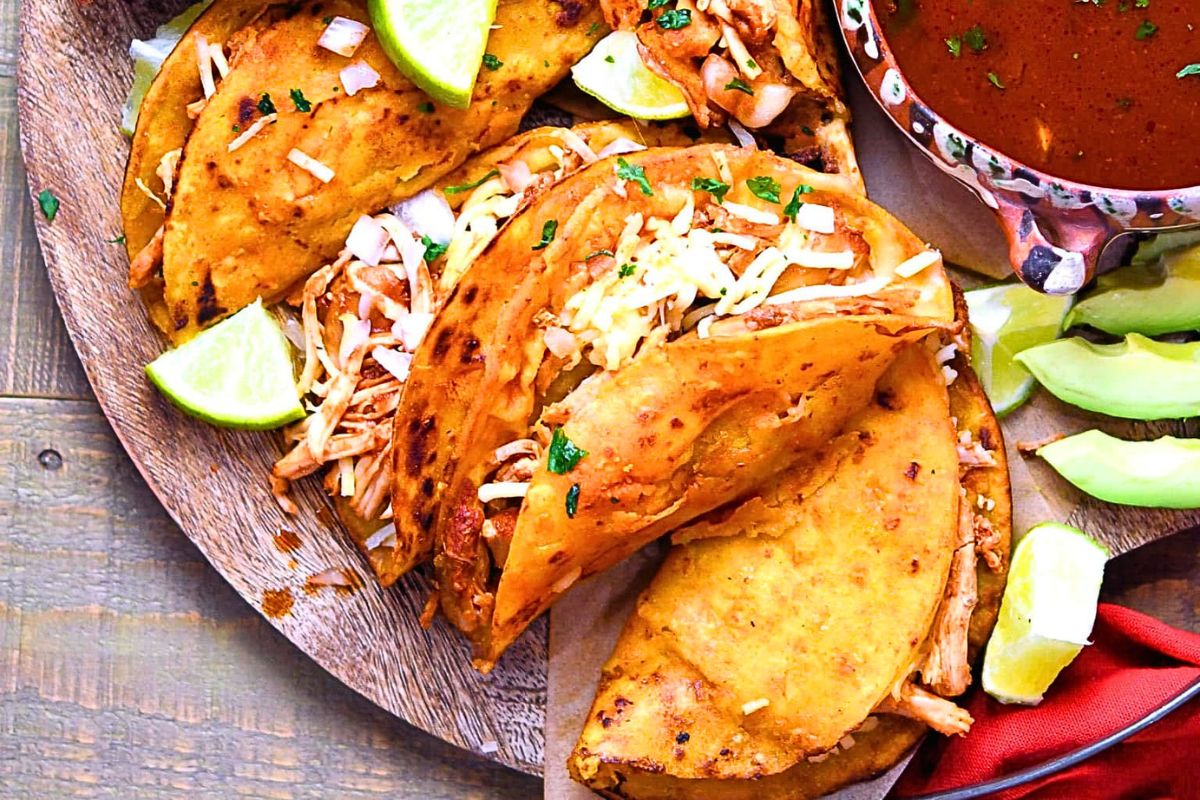
Postwar immigration and travel began introducing Americans to new flavors, pizza, chow mein, tacos, but they arrived in forms adapted for suburban kitchens. Canned sauces, boxed kits, and fast-food interpretations made global cuisine approachable and convenient. By the 1960s, a family could eat spaghetti from a can or tacos from a box, experiencing the world without leaving their dining room. It wasn’t authentic, but it was undeniably American.
Nostalgia That Endures

Mid-century eating was a mix of innovation and innocence, confidence in technology and faith in the American home. Today, vintage recipes and retro packaging resurface not because they taste better, but because of what they represent. They’re a reminder of a time when dinner promised both comfort and progress, when the kitchen was the heart of a hopeful nation. We don’t just miss the food; we miss the feeling it gave us.