When Fast Food Swaps Don’t Work: Original Items That Returned

Fast food works because it’s familiar. You know what it’s going to taste like, how it’s going to feel, and even how it’s going to be packaged. That consistency is part of why people keep coming back.
So when a brand decides to “upgrade” something, it’s not just changing a recipe—it’s messing with a memory. And that’s where things get risky.
On paper, these swaps make sense. Healthier ingredients. Better quality. A more modern approach. But in reality, customers don’t always want better… they want what they already loved. Here are some fast food changes that sounded like improvements—but didn’t quite land.
McDonald’s Fried Apple Pie to Baked Apple Pie
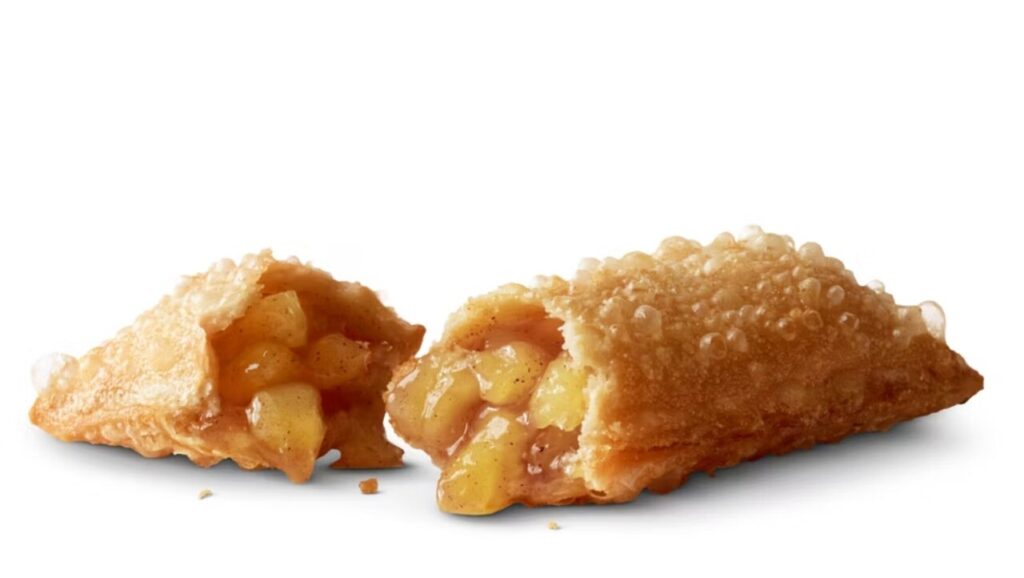
This one came down to texture. The original fried apple pie had that crispy, blistered shell with a hot, gooey filling inside—basically a perfect bite every time.
The baked version looked lighter and more “modern,” but it lost that crunch and indulgent feel. It wasn’t bad… it just wasn’t the same. And for a lot of people, that difference mattered.
Coca-Cola Original Formula to New Coke
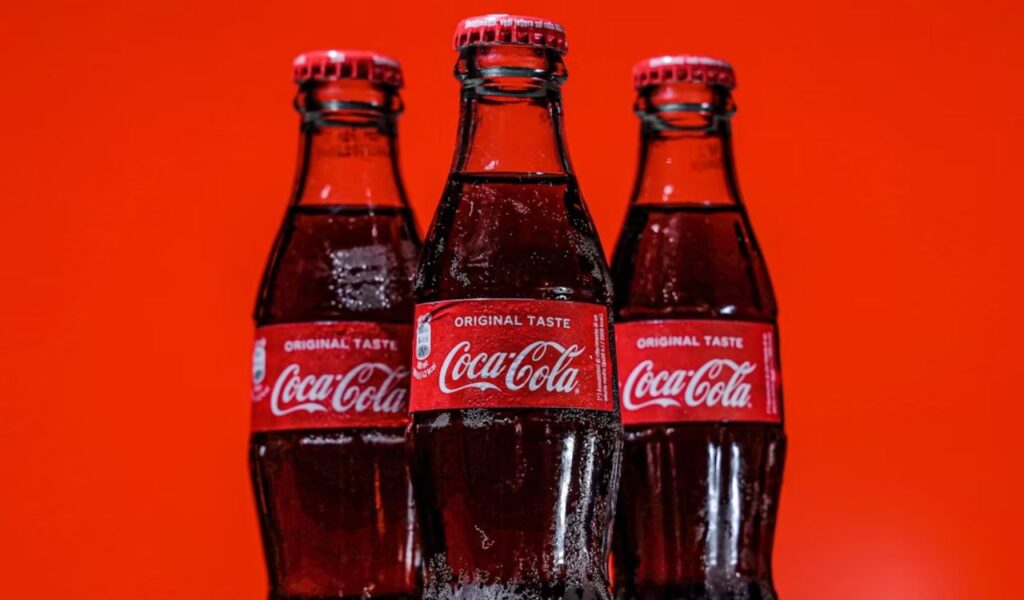
New Coke is probably the most famous example of this ever happening. It tested well, tasted smoother, and made sense from a data standpoint.
But people didn’t just drink Coke for the flavor—they had a connection to it. The backlash was immediate, and the original formula had to come back. It proved that emotion beats data every time when it comes to food.
Burger King Fries to Satisfries

A lower-calorie fry sounds like an easy win. And at first, people were curious enough to try it.
But fries are all about comfort. If the texture or flavor feels even slightly off, it’s noticeable. Most people went right back to the original, and Satisfries didn’t last.
KFC Fried Chicken Focus on Grilled Chicken Push

KFC tried to lean into a healthier direction with grilled chicken, hoping to bring in a new audience.
The problem? People go to KFC for crispy, seasoned fried chicken. The grilled version felt like a completely different category, not an upgrade. Most customers tried it once… and then went back to what they knew.
Subway Classic Bread to Flatbread Emphasis
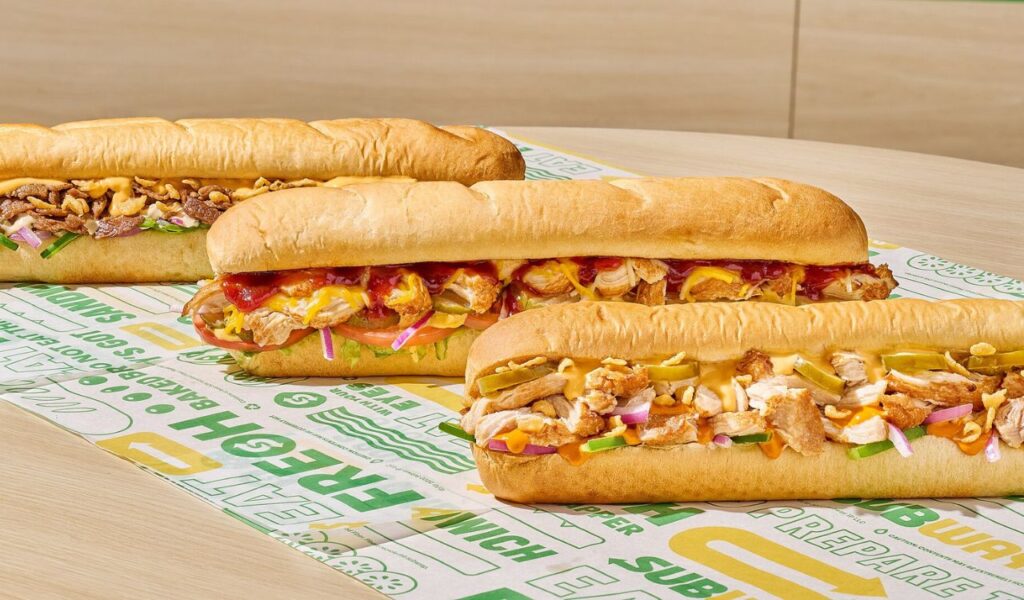
Flatbread was positioned as a lighter, more modern option.
But it changed the whole sandwich experience. The texture, the balance of ingredients—it all felt different. And for a brand built on consistency, that’s a tough sell. Most people stuck with the classic bread.
McDonald’s Core Burgers to Angus Burger Line
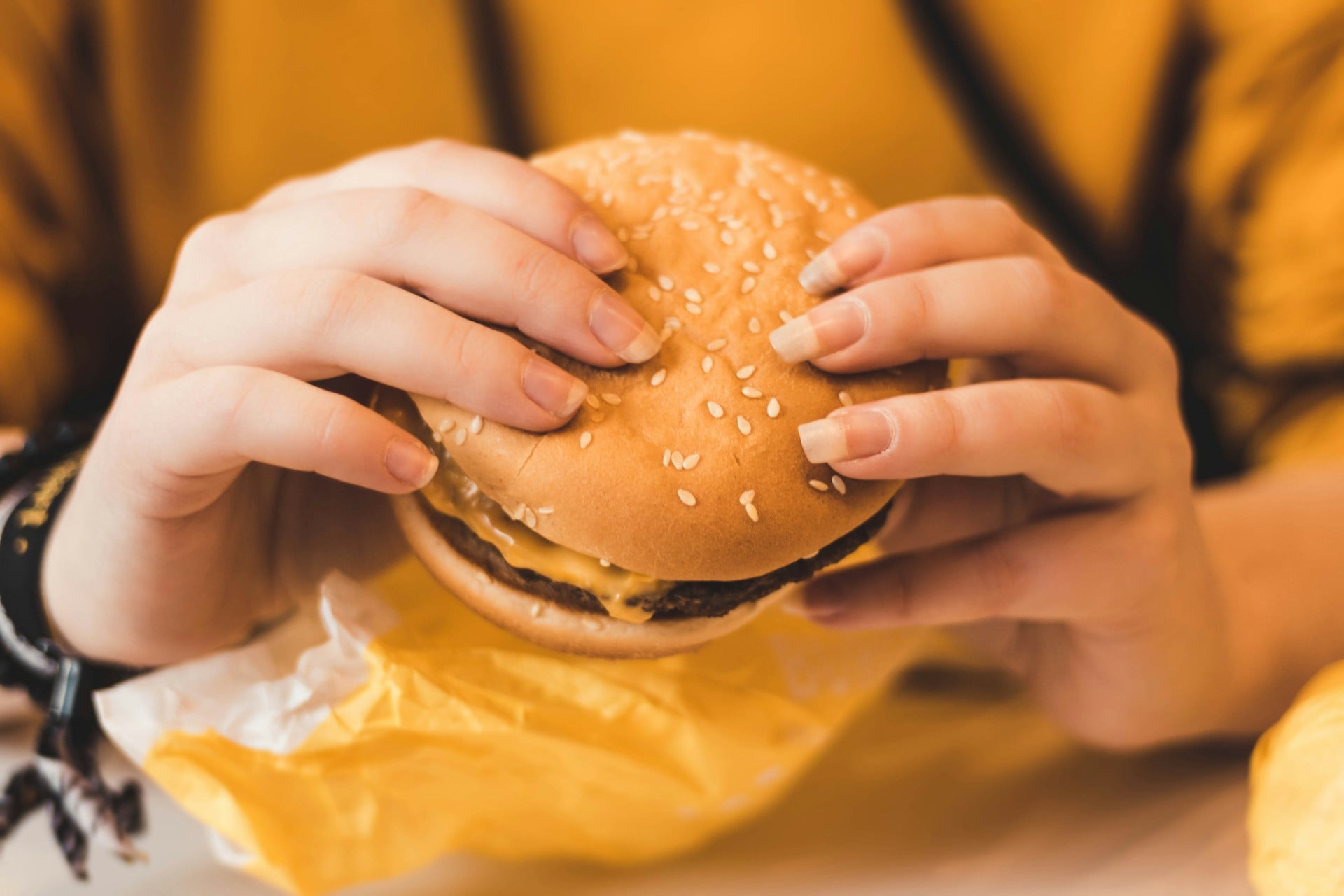
The Angus burgers were meant to feel more premium—bigger patties, better ingredients, a more upscale vibe.
But they also took longer, cost more, and didn’t really fit the fast food routine. People tried them, but when it came to everyday orders, they went back to the classics.
Wendy’s Classic Fries to Natural-Cut Sea Salt Fries
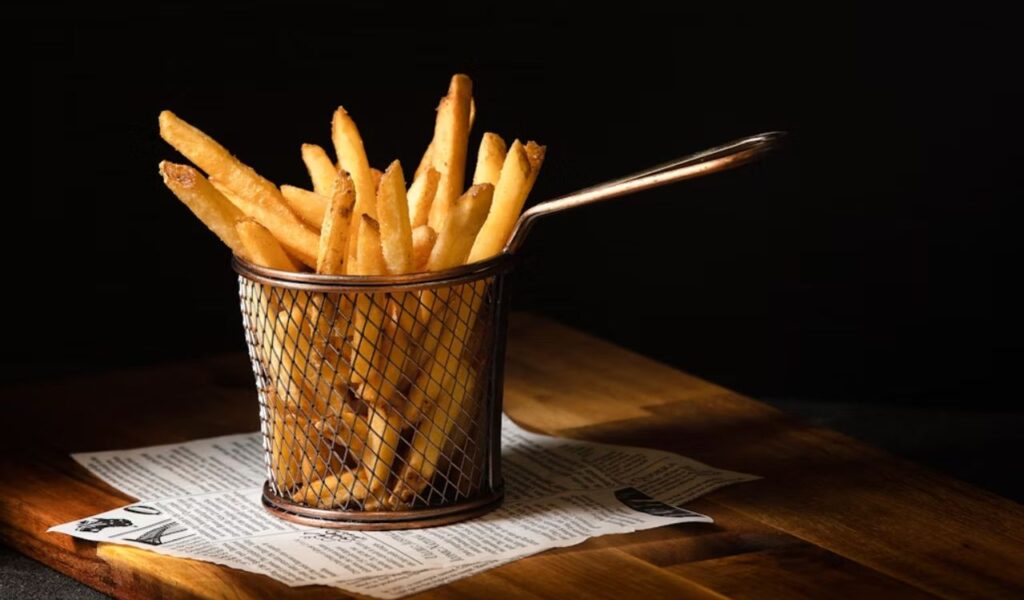
Switching to natural-cut fries with sea salt was supposed to signal freshness and quality.
And visually, it worked. But the texture became less consistent—sometimes crispy, sometimes not. That unpredictability made people miss the reliability of the old fries.
Pizza Hut Classic Recipes to “The Natural” Pizza

Pizza Hut leaned into cleaner ingredients with “The Natural” pizza, aiming to appeal to more health-conscious customers.
But for most people, pizza is about taste, comfort, and value. Without a noticeable flavor upgrade, the change didn’t give customers a strong reason to switch.
Taco Bell Classics to Fresco Menu
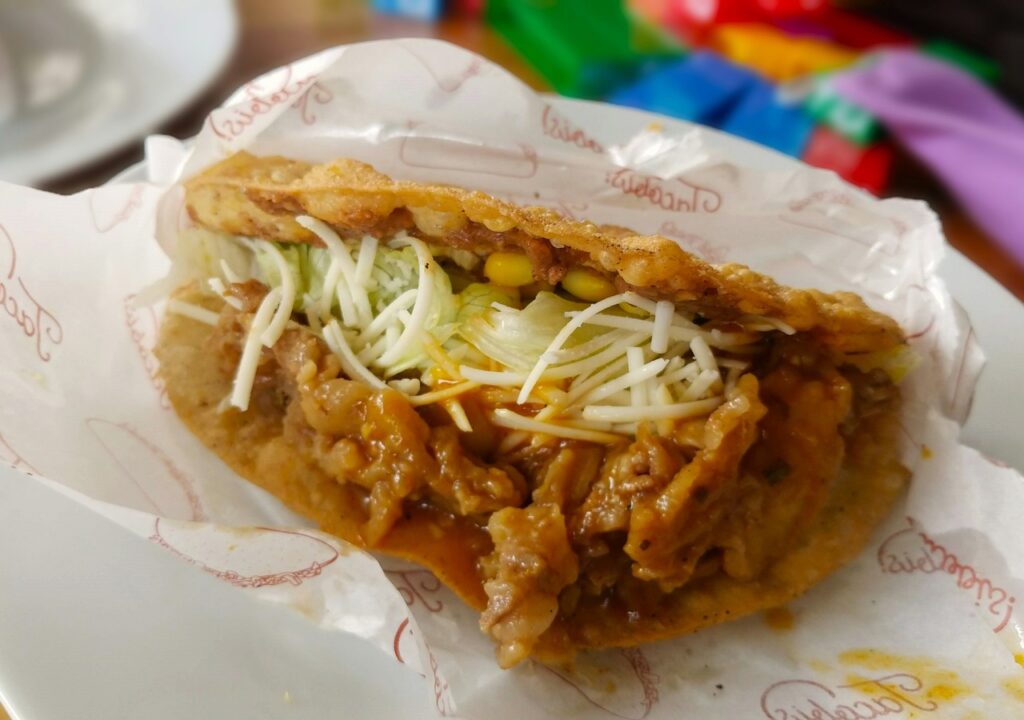
The Fresco menu swapped out heavier ingredients for lighter, fresher ones to cut calories.
But Taco Bell is all about bold, indulgent flavor. When that was toned down, the experience felt less satisfying. Most people ended up sticking with the originals.
Domino’s Recipe Tweaks Before Reinvention
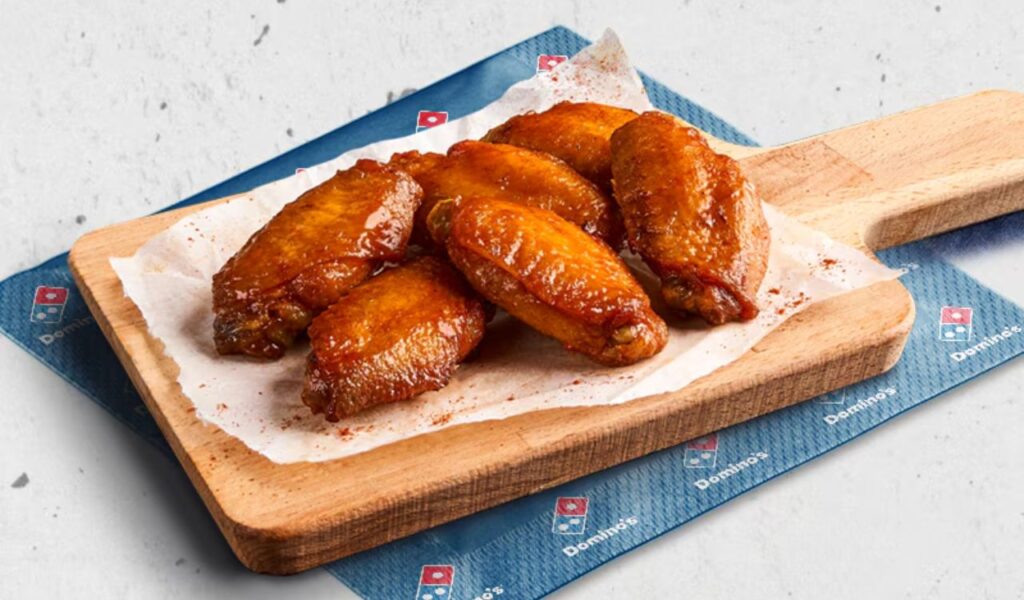
Before its major comeback, Domino’s tried making small changes to its recipe—adjusting the crust, sauce, and overall flavor.
The problem was those changes weren’t clear or consistent enough. Customers noticed something was different… but not necessarily better. It created confusion more than excitement, which ultimately led to their full rebrand later on.