10 Countries Ranked From Safest to Riskiest for Food hygience & allergies

Oh, friends. Can we talk about something that doesn’t get nearly enough attention when we dream about travel? We think about the sights, the experiences, the incredible meals we’ll eat. But underneath all that delicious anticipation is a quieter concern: will the food be safe? Will they understand my allergy? Will I get sick three days into the trip I’ve been planning for months? These aren’t fear-based questions—they’re practical ones, especially for families managing food sensitivities or anyone who’s ever had a bad experience far from home. Let’s take a gentle, informed look at how different countries approach food safety, so you can travel with more confidence and less worry.
Japan
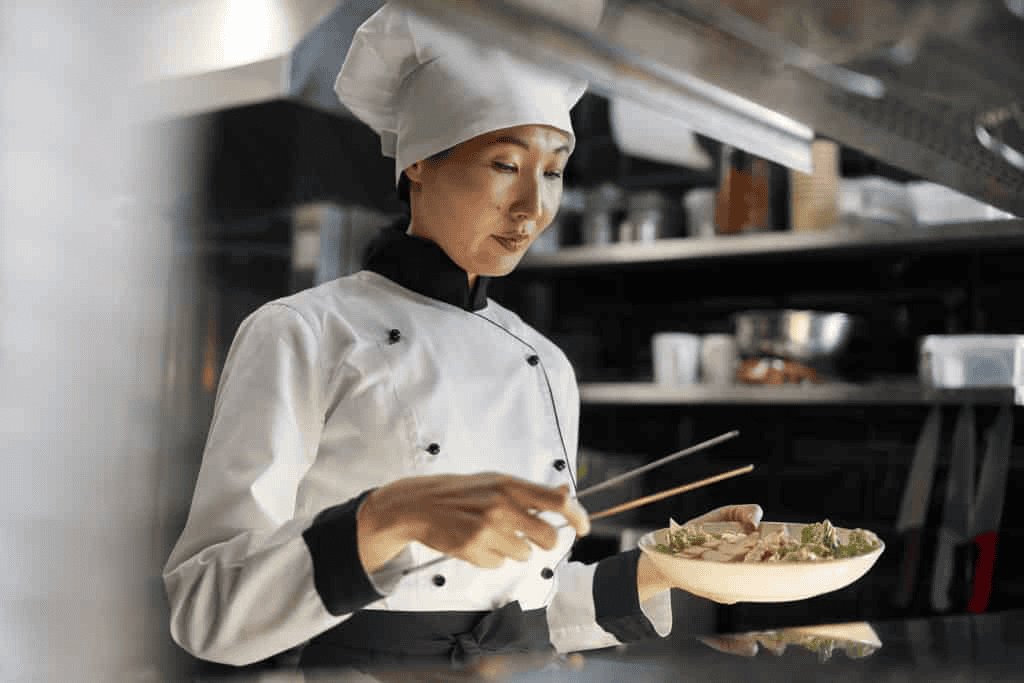
Oh, Japan. If there’s a gold standard for food safety, this might be it. What’s remarkable about Japan isn’t just the regulations—it’s that cleanliness is genuinely embedded in the culture. From Michelin-starred restaurants to 7-Elevens, the standards are remarkably consistent. Temperature controls are meticulous. Handling protocols are followed without exception. Violations are rare and treated seriously. For travelers with allergies, packaged foods offer clear labeling, and awareness has grown steadily in restaurants too. While language barriers can sometimes make communication tricky, the systems behind the scenes are exceptionally disciplined. Eating in Japan feels less like taking a chance and more like participating in a culture that simply doesn’t do things halfway.
Sweden
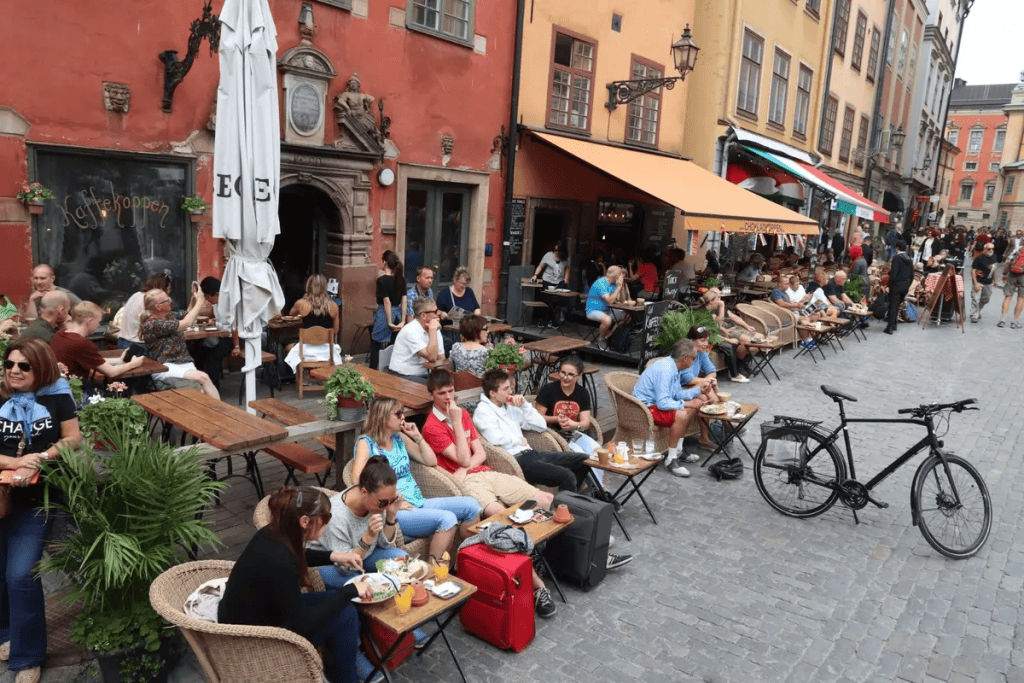
Sweden approaches food safety the way it approaches so many things: with transparency, trust, and thoroughness. Restaurants face frequent inspections, allergen disclosure isn’t optional, and staff training follows standardized guidelines that actually mean something. What I find particularly reassuring is how actively cross-contamination is addressed—especially in schools, hospitals, and public institutions where vulnerable populations eat regularly. Consumers expect accuracy, and when violations happen, there are real consequences. For families managing food allergies or medical dietary needs, Sweden’s prevention-focused approach offers genuine peace of mind. You’re not hoping for the best; you’re eating in a system designed to protect you.
Germany

Germany brings its reputation for precision and consistency to food safety, and honestly, it’s exactly what you’d hope for. Hygiene inspections are routine and thorough. Documentation is kept meticulously. Ingredient transparency is treated as a serious obligation rather than a suggestion. Because Germany follows strict European Union allergen labeling standards, packaged foods offer predictable, reliable disclosure. Restaurant systems behind the scenes are structured and dependable. While German cuisine itself tends to be straightforward—sausages, potatoes, hearty fare—the safety infrastructure supporting it is anything but simple. For visitors, this means fewer surprises and genuine confidence that rules are being followed.
Canada
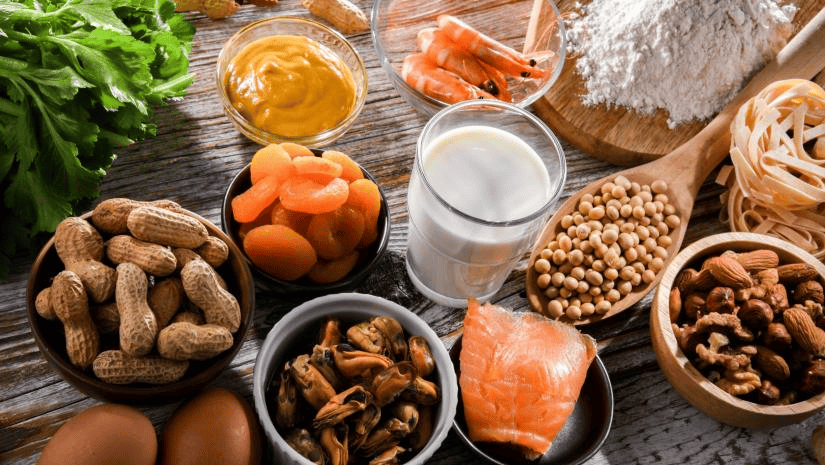
Canada has earned its high ranking through genuine commitment to allergen safety. Packaged foods must clearly label major allergens—peanuts, dairy, gluten, shellfish—and restaurant staff are generally well-trained in how to respond to allergy requests. Here’s what matters: laws actually obligate restaurants to accommodate allergies when possible. This isn’t just good practice; it’s expected. Hygiene enforcement is consistent across provinces, and public health agencies conduct regular inspections with transparent documentation. For families navigating food allergies, Canada offers something precious: predictability. You can ask questions and reasonably expect accurate answers. The system supports you rather than leaving you to fend for yourself.
United Kingdom
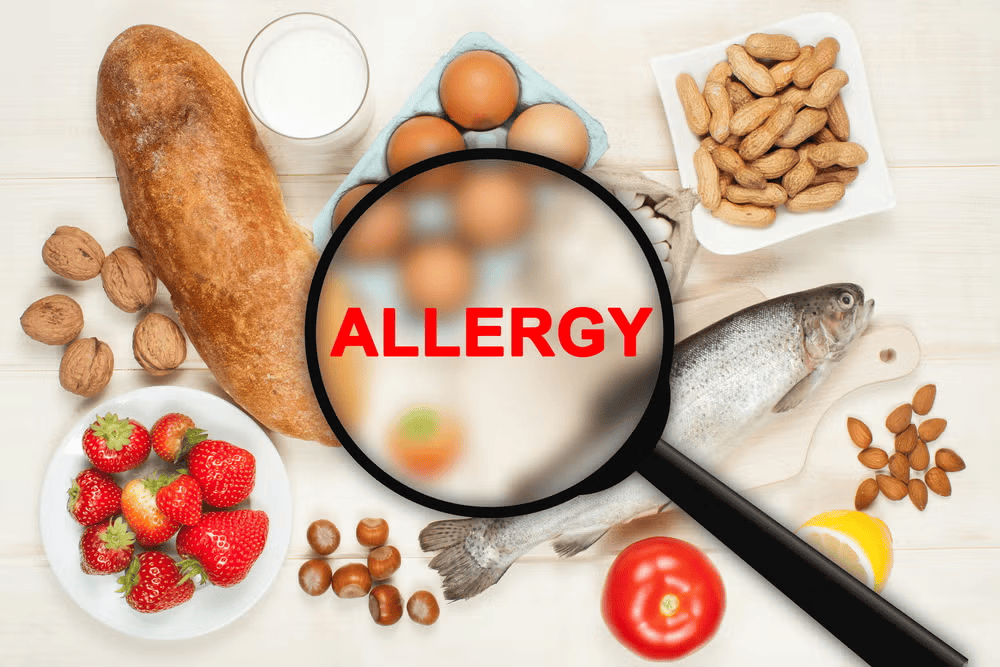
The UK’s approach to food safety, particularly around allergens, was shaped by something heartbreaking: high-profile allergy fatalities that led to fundamental policy changes. Today, restaurants are legally required to clearly disclose allergens on menus, and enforcement is taken seriously. Hygiene standards are generally strong, supported by regular inspections and public hygiene ratings that anyone can check. Now, compliance still varies between establishments—chains tend to be more consistent than small independents—but overall, the UK offers genuine transparency and accountability. For diners with allergies, especially those who ask questions and pay attention to posted guidance, it’s a relatively safe environment. The system learned from loss and became more protective because of it.
United States
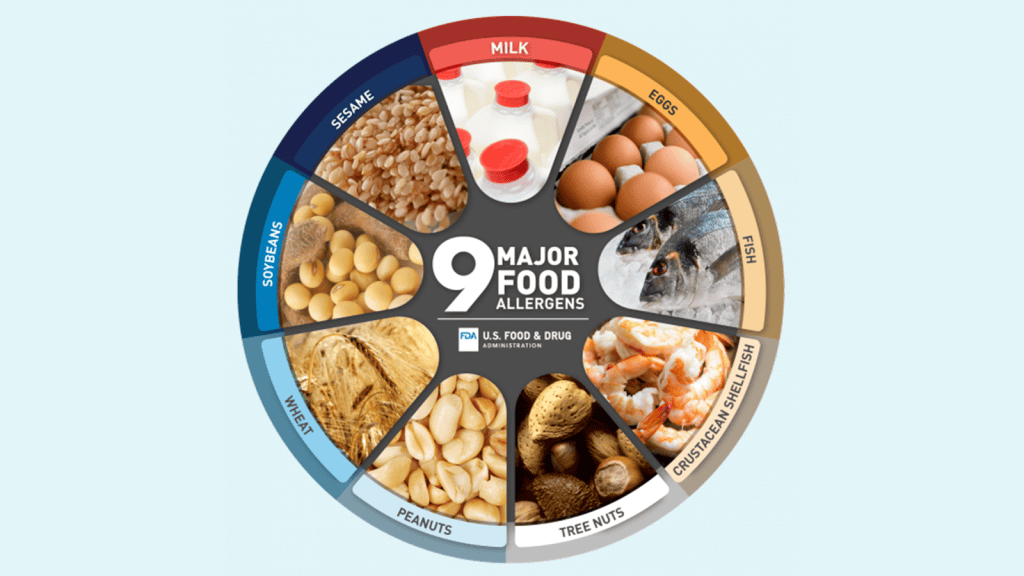
The United States sits in a complicated middle ground, and honesty feels kindest here. The science, inspection frameworks, and allergen labeling for packaged foods are genuinely advanced and comprehensive. When systems work, they work well. But here’s the challenge: enforcement and restaurant practices vary wildly—by state, by county, by individual location. Some establishments are extraordinarily careful with hygiene and allergies. Others… aren’t. Fast-casual chains and understaffed kitchens can be particularly inconsistent. Allergy accommodation exists legally but isn’t uniformly reliable in practice. For travelers and families with sensitivities, safety often depends less on national standards and more on local enforcement, specific staff training, and how seriously individual restaurants choose to take food handling. It’s not that the US is unsafe—it’s that your mileage may vary considerably.
Italy
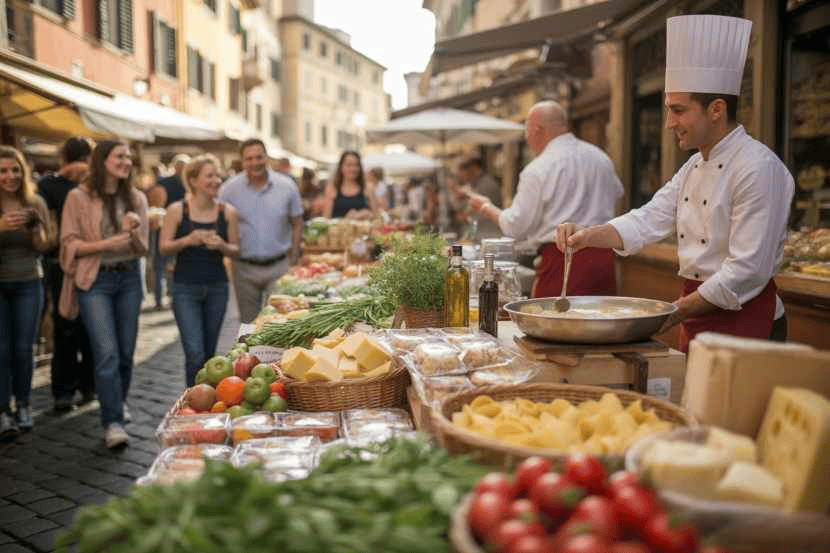
Oh, Italy. The food is glorious—fresh, regional, made with obvious care. And general hygiene in restaurants tends to be quite good, especially in places that take pride in their cooking. But here’s what travelers with allergies need to know: allergen awareness is uneven, particularly outside major cities or in small, family-run establishments. Cross-contamination risks can be higher because kitchens may rely on shared tools, surfaces, and cooking spaces. While packaged foods follow EU labeling rules (which are excellent), restaurant communication about allergens isn’t always proactive. You might need to ask detailed questions and not assume accommodations are automatic. For most diners, Italy feels wonderfully safe and nourishing. But for those with serious allergies, caution and clear communication are essential.
Mexico
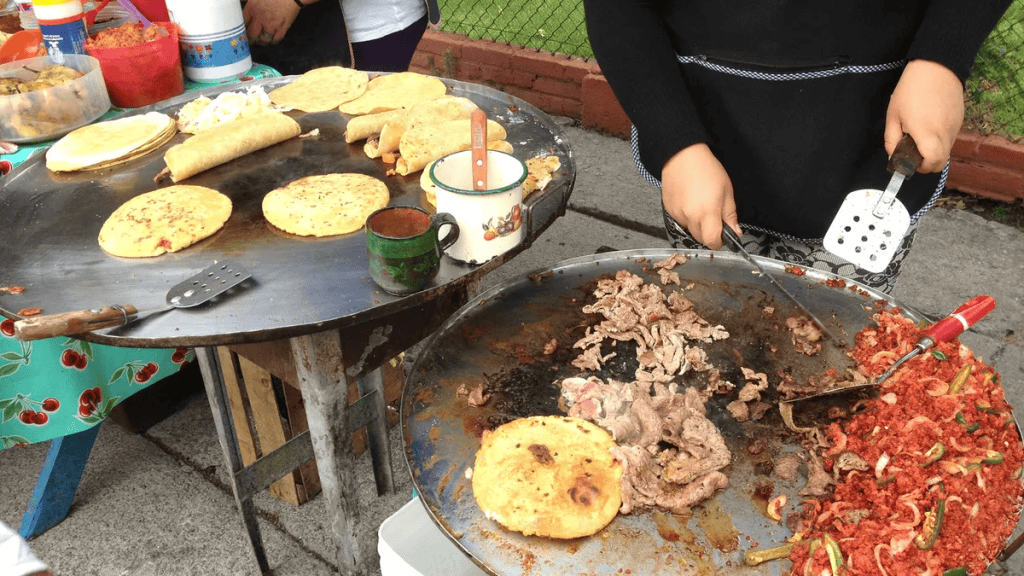
Mexico’s food culture is rich, vibrant, and often built around small-scale cooking and street vendors. This is part of its beauty—and part of its variability. High-end restaurants and tourist-facing establishments typically maintain strong hygiene standards. But informal street food? It ranges widely by vendor and location. Allergen labeling is limited, and staff training around allergies isn’t standardized. For most people, the risk of foodborne illness depends on what and where you choose to eat rather than any national system. Travelers with food allergies or sensitive digestion should exercise genuine caution, prioritize reputable establishments, and recognize that incredible flavor sometimes comes with higher variability in safety practices. The food can be life-changing. Just choose your sources thoughtfully.
India
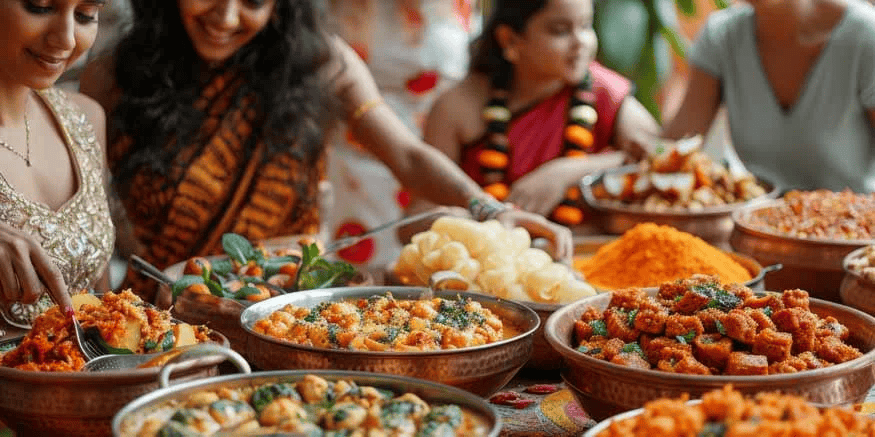
India’s food culture is breathtaking in its diversity and depth—deeply regional, vibrantly spiced, utterly memorable. But hygiene and allergen handling vary dramatically across the country. Cross-contamination is common due to shared preparation surfaces, oils, and utensils, especially in small restaurants and street food settings. Allergen disclosure is minimal, and staff training around food allergies is inconsistent. Enforcement of safety rules differs widely by city and region, with limited oversight in informal settings. Here’s the honest truth: many people eat safely every day, but travelers with allergies face higher risk without local knowledge or guidance. Caution isn’t optional; it’s essential. Choose reputable establishments, communicate clearly when possible, and understand that safety often depends on individual vendors rather than system-wide protections.
Indonesia
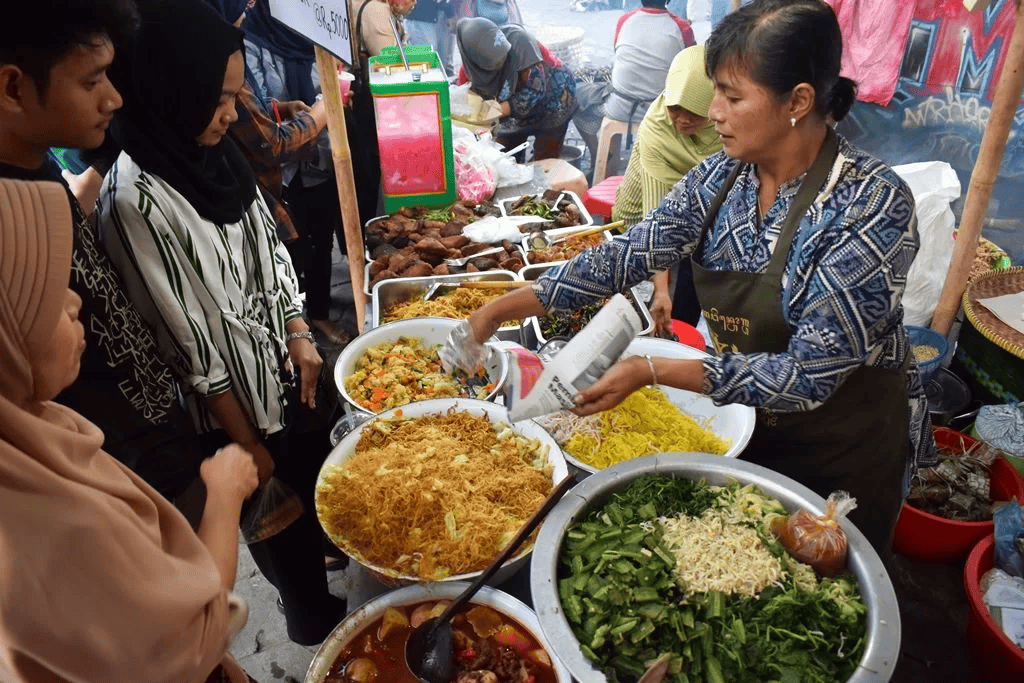
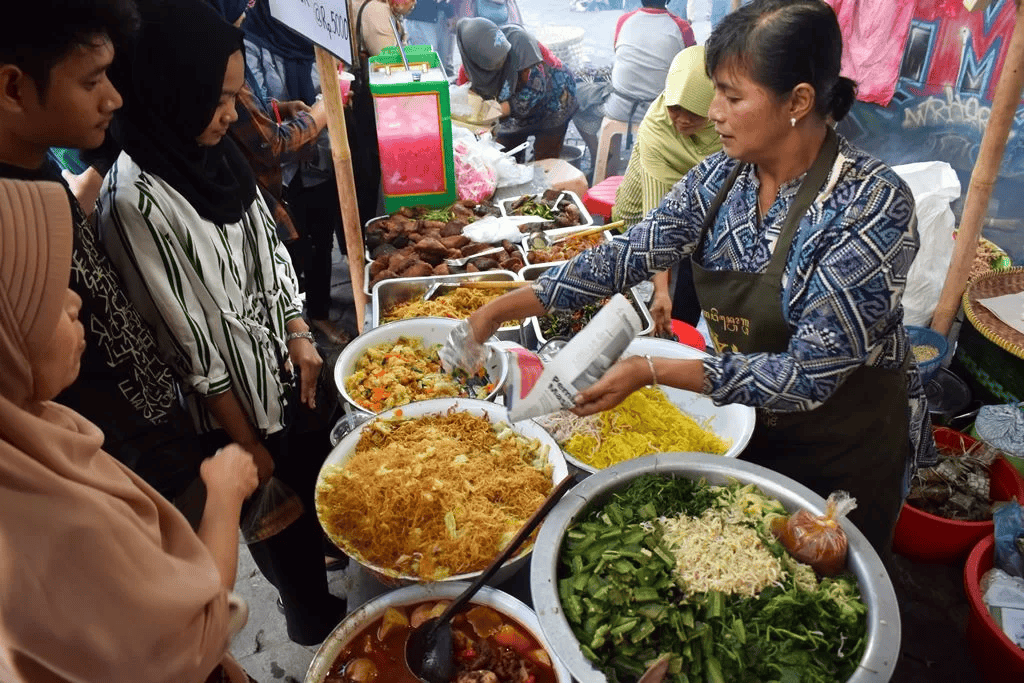
Indonesia’s food scene is genuinely exciting—rich, flavorful, deeply connected to place. But it also relies heavily on informal vendors and small-scale operations where inspection systems are limited. Hygiene standards vary widely, shared preparation spaces are common, and allergen awareness is generally low. Packaged food labeling can be inconsistent or absent. For those with peanut allergies especially, cross-contamination risks are significant—peanuts appear in countless dishes and sauces made in bulk. While careful choices can reduce risk, system-level protections are minimal. Travelers with food allergies need extra vigilance, clear communication whenever possible, and an honest understanding that safety often depends on individual vendors rather than reliable regulation. The flavors are worth experiencing. Just go in with eyes open.