Budget-Friendly Approaches to Dining Out and Takeout Orders

Restaurant meals cost more than they used to. That much is obvious every time you look at a receipt. But you don’t have to give up eating out completely just because prices keep climbing. You just need to approach it differently. The trick isn’t cutting back so much that you feel deprived. It’s finding small adjustments that add up without making you feel like you’re missing out. Most people waste money on dining out without realizing it, not because they’re being careless, but because they haven’t stopped to think about where their money actually goes. Here are practical ways to keep enjoying restaurants while keeping your wallet happy.
Use Restaurant Loyalty Programs
Most chain restaurants have apps now, and signing up gets you deals. Some places give you a free appetizer or dessert just for creating an account. Others offer points that turn into discounts on future visits. The programs are free to join. You don’t have to do anything except show your phone when you pay. Over time, the rewards add up to free meals or significant discounts. The key is actually using the programs you sign up for. Download the apps for the restaurants you visit most often, not every restaurant you’ve ever heard of. Check the app before you go to see what offers are available that day.
Look for Early Bird and Lunch Specials
Restaurants charge different prices at different times of day for the same food. A pasta dish that costs eighteen dollars at dinner might cost twelve dollars at lunch. The portion is often the same size, sometimes even bigger at lunch. Early bird specials work the same way. Show up between four and six in the evening and you’ll find discounted menu items that taste identical to what they serve an hour later at full price. This approach works especially well if you have a flexible schedule. Plan your restaurant meals around these cheaper time slots and you’ll save without changing what you order.
Pick Up Your Food Instead of Delivery

Spending less on eating out inevitably means making some personal trade-offs. Ordering delivery is the epitome of convenience, but picking up your food yourself removes that convenience. Drinking regular coffee instead of a specialty drink means sacrificing a little everyday enjoyment. Arriving early for a discount means eating at a different time than you might prefer. But these are minor issues. They’re not difficult at all. They let you keep going out to eat without spending as much money. The taste of the food is the same whether you buy at full price or get a deal. What matters more than the extra items on your plate is the people with whom you share your meals and the conversations you have.
Order Water Instead of Other Drinks
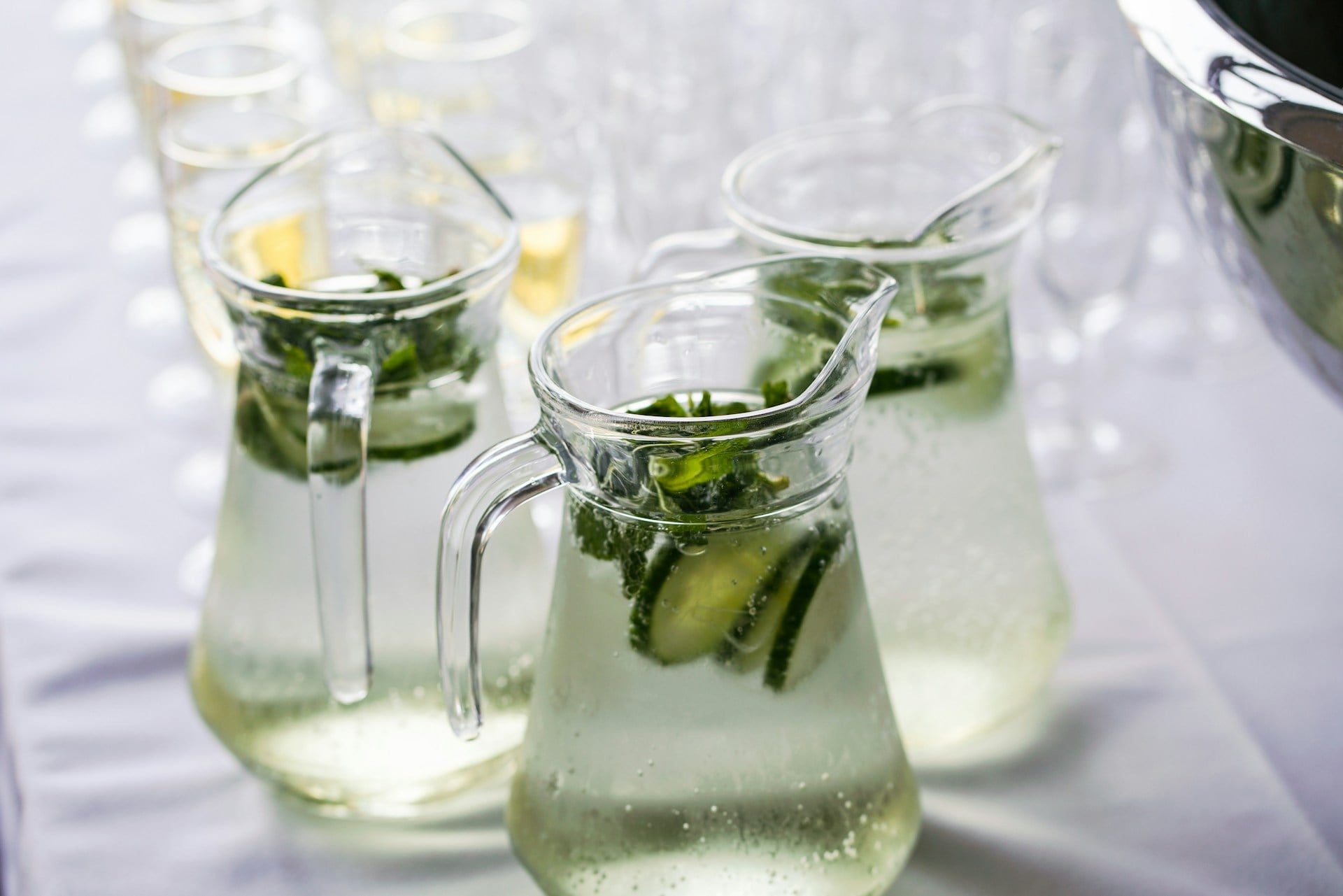
Drinks add up faster than you think. A soda costs three or four dollars at most restaurants. Order two of those during a meal and you’ve just added eight dollars to your bill for something that probably cost the restaurant pennies. Water is free. It sounds too simple to matter, but this one change saves you money every single time you eat out. If you’re dining with your family, the savings multiply quickly. Four people skipping beverages can easily save fifteen to twenty dollars per meal. Some people worry that ordering water makes them look cheap. It doesn’t. Most people order water these days, and servers don’t think twice about it.
Order Takeout Instead of Delivery
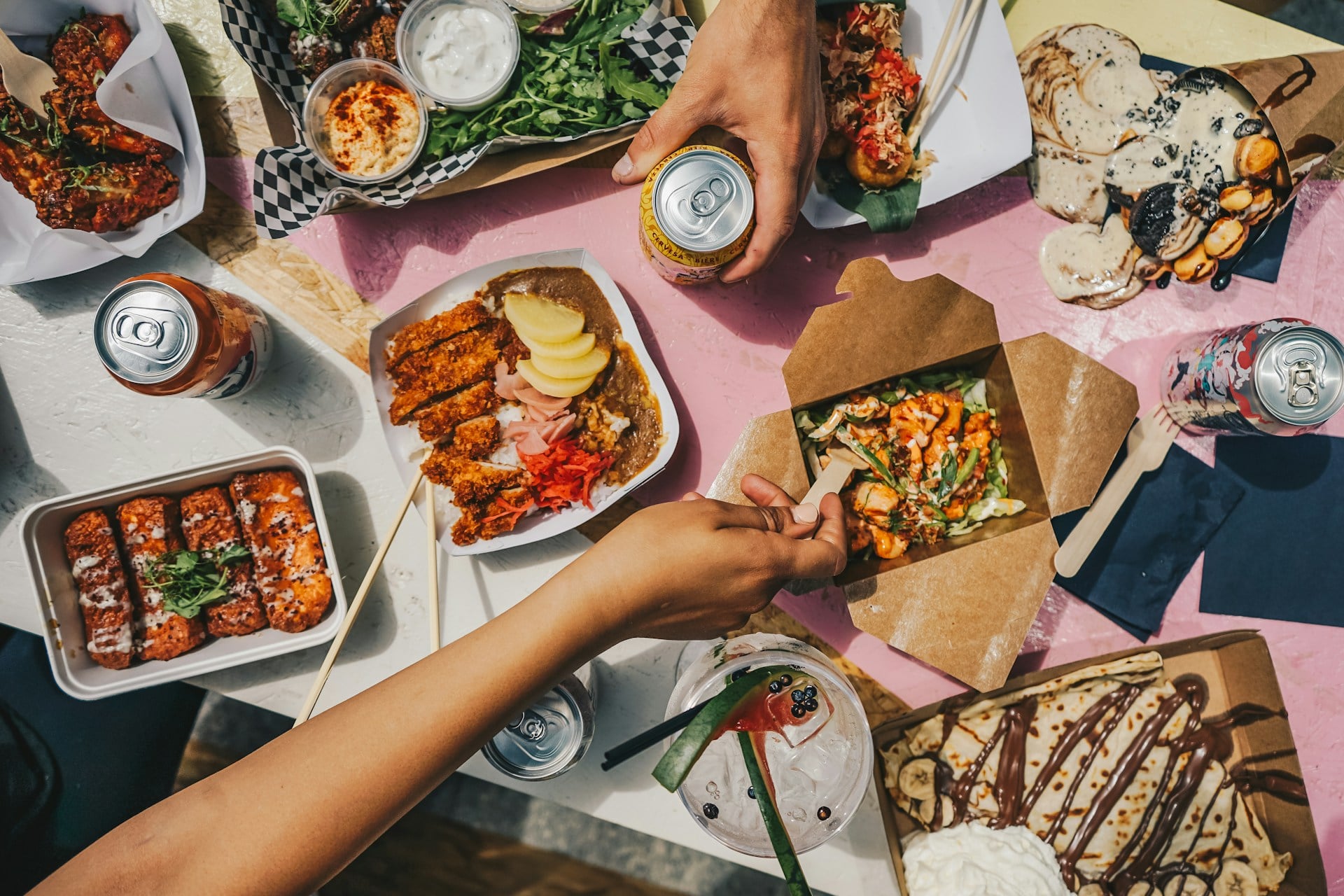
Delivery fees and tips can double the cost of your meal. A twenty-dollar order becomes forty dollars once you add a delivery fee, service fee, and tip for the driver. Those charges don’t make the food taste any better. Picking up your food yourself eliminates most of those extra costs. You still tip if you want to, but it’s usually a smaller amount than you’d give a delivery driver. A few minutes of driving saves you ten or fifteen dollars per order. If you really don’t want to leave your house, at least order directly from the restaurant instead of using a third-party app. The restaurant’s own website or phone number usually has lower fees than the delivery apps charge.
Share Large Portions
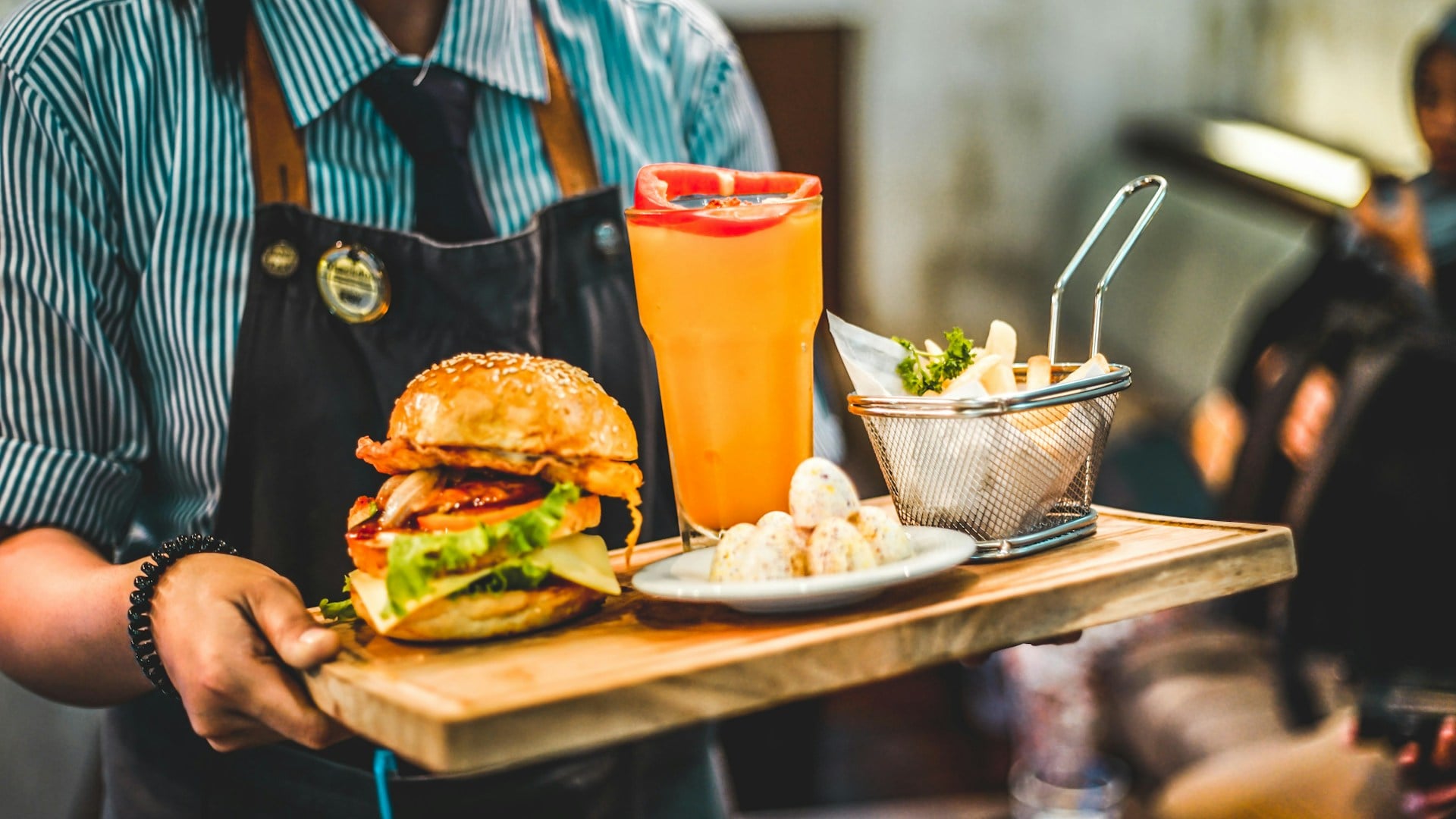
Restaurant servings are bigger than most people need. A single entree often contains enough food for two people, especially at casual dining chains. Sharing one large meal costs less than ordering two separate dishes. You can split a burger and fries, divide a pasta bowl, or share a pizza. Most restaurants don’t charge a splitting fee, and even if they do, it’s usually just a dollar or two. This approach works well for couples or friends dining together. You both get full, you save money, and you don’t end up with a container of leftovers sitting in your fridge that you’ll probably forget about.
Go During Happy Hour

Happy hour isn’t just for drinks. Many restaurants discount appetizers and small plates during these hours too. You can build an entire meal from discounted items if you time it right. The food quality doesn’t change based on when you order it. The kitchen makes the same wings at five o’clock that they make at eight o’clock. You’re just paying less because the restaurant wants to fill seats during slower times. Check what days and times your favorite places run their happy hour specials. Some do it daily, others only on weekdays. The savings can be substantial, sometimes forty or fifty percent off regular prices.
Ask About Daily Specials
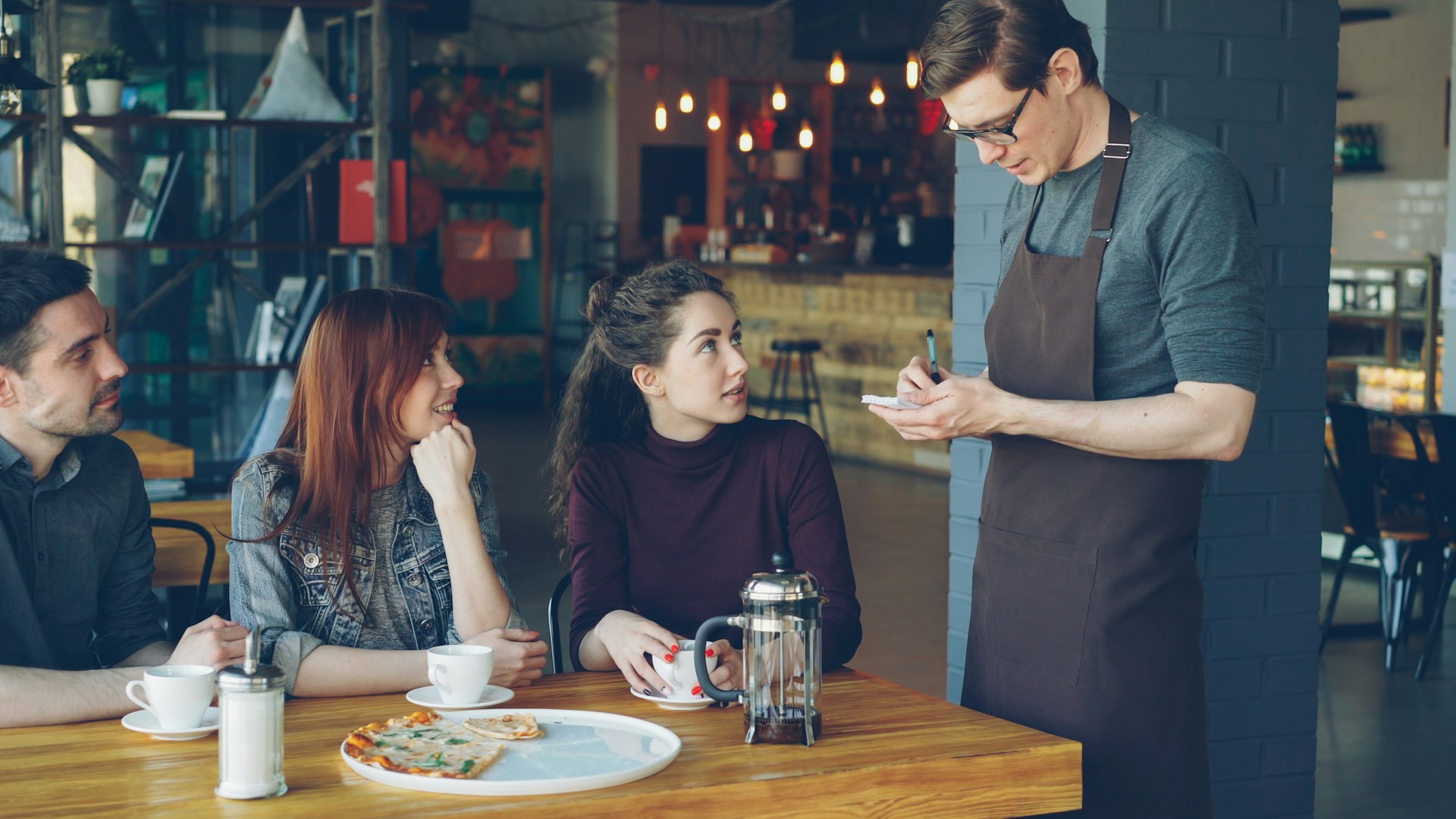
Restaurants create daily specials for different reasons. Sometimes they’re trying to use up ingredients before they expire. Other times they’re testing new menu items. Either way, these specials are usually priced lower than regular menu items. The specials aren’t always listed on the menu or the board. You have to ask your server what’s available that day. Many diners skip this step and miss out on the best deals. These dishes are often larger or made with better ingredients than the standard menu offers. You get more value while spending less money.
Skip the Appetizers
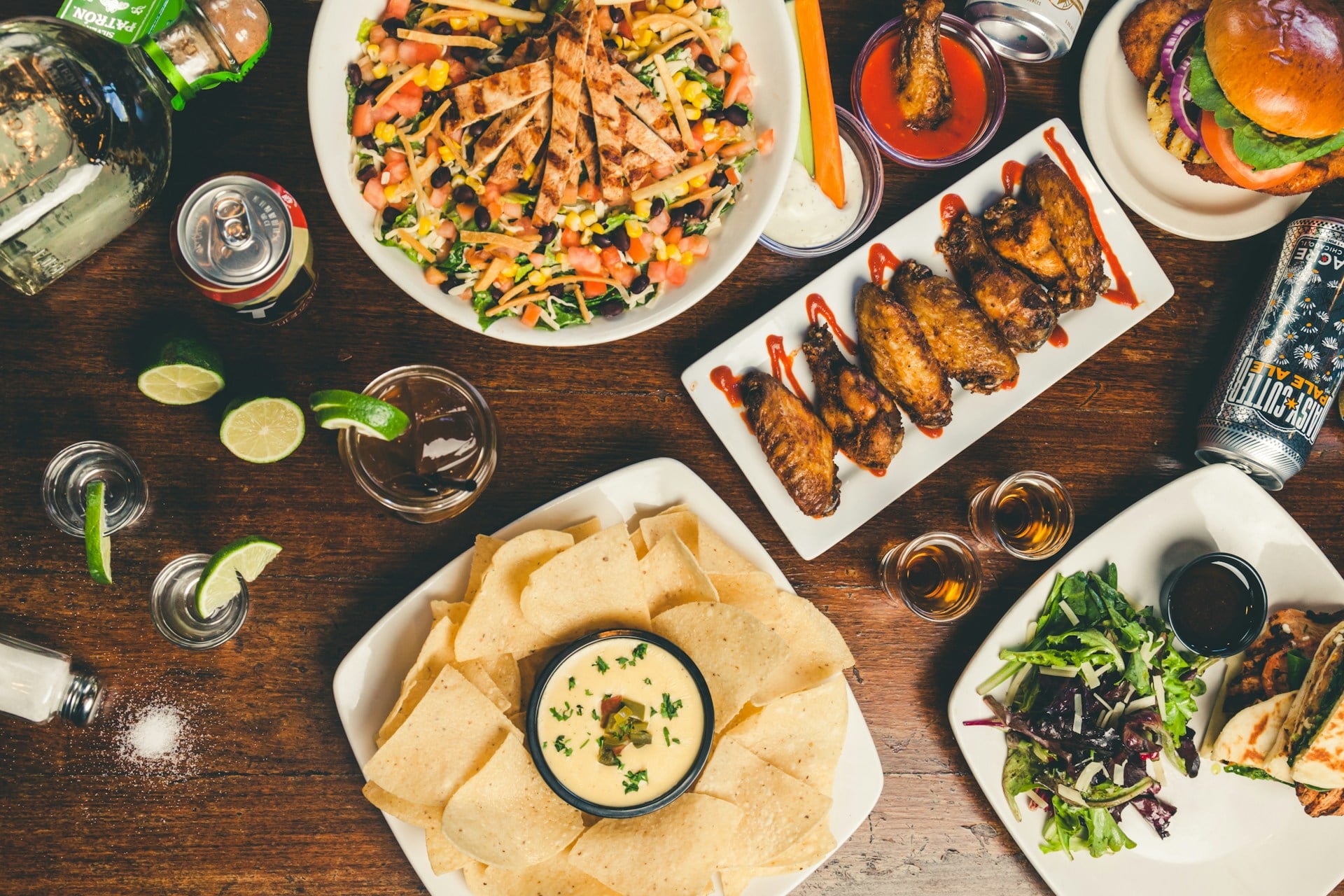
Appetizers seem like a good idea when you’re hungry and waiting for your main course. But they rarely satisfy you enough to make them worth the price. A plate of fried calamari or loaded nachos can cost almost as much as an entree, and you’re still going to order the entree anyway. If you’re really hungry before the meal, eat something small at home first. A handful of crackers or a piece of fruit takes the edge off your appetite so you’re not tempted to order extras you don’t actually need. When you do want to start with something, consider splitting one appetizer among your table instead of everyone ordering their own. You get the experience of trying something without spending thirty dollars on food that arrives before your actual meal.
Bring Your Own Wine
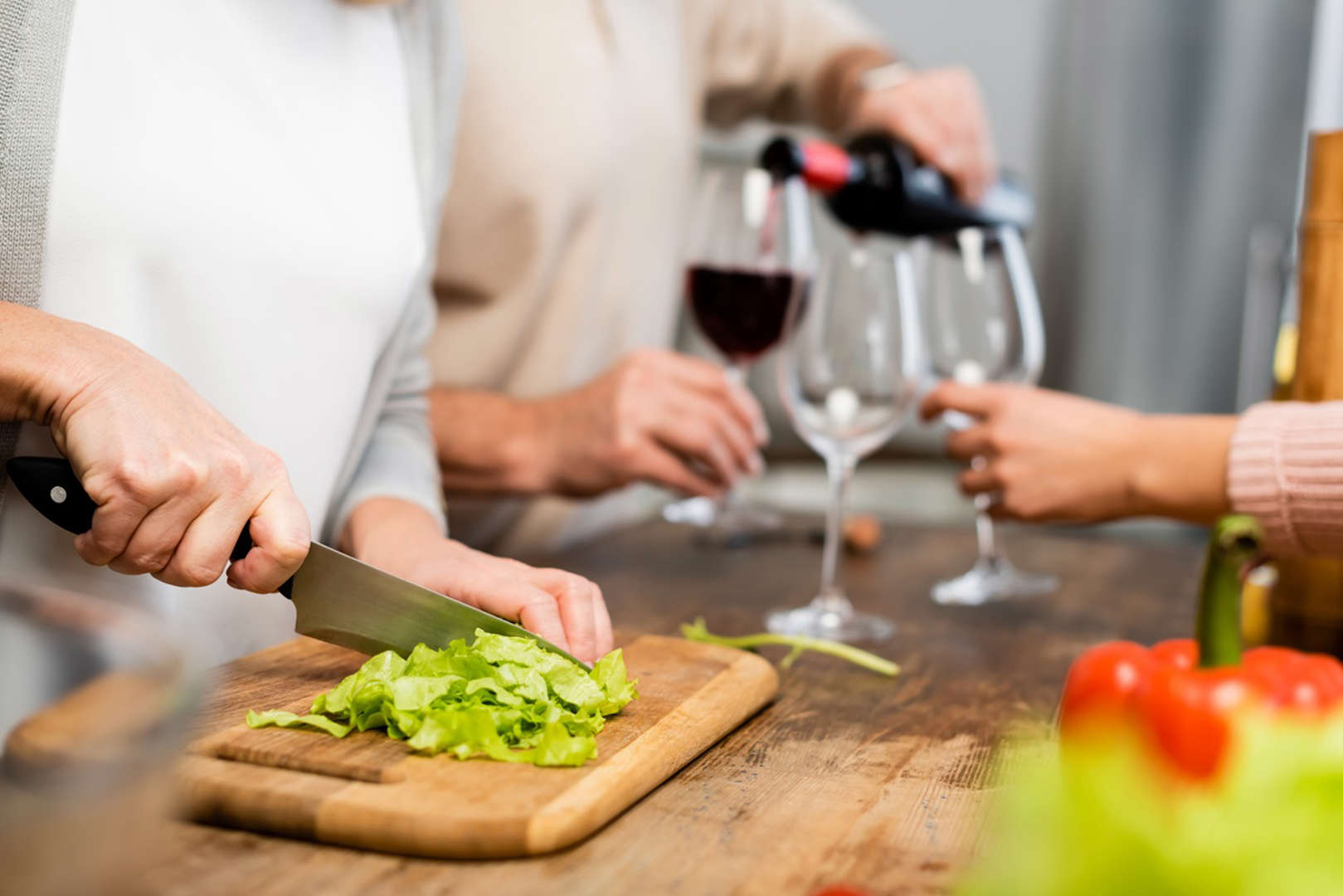
Some restaurants let you bring your own bottle of wine and charge a corkage fee instead of buying from their wine list. The corkage fee is usually fifteen to twenty-five dollars, which sounds like a lot until you compare it to restaurant wine prices. A bottle of wine at a restaurant typically costs three to four times what you’d pay at a store. If you have a thirty-dollar bottle at home, you can bring it to the restaurant and pay a twenty-dollar corkage fee. That same bottle on the restaurant’s list probably costs eighty or ninety dollars. Call ahead to make sure the restaurant allows this. Not all of them do, but many are fine with it. Some even waive the corkage fee on certain nights.
Order Plain Coffee
Specialty coffee drinks cost as much as a meal sometimes. A large vanilla latte with extra foam and caramel drizzle runs you six or seven dollars. Regular coffee costs two dollars, maybe three. The fancy drinks taste good, but they’re not six dollars better than regular coffee. If you need caffeine with your meal, plain coffee does the job just fine. Save the specialty drinks for when you’re actually at a coffee shop and that’s the whole point of going. At a restaurant, the coffee is there to complement your meal, not be the star of the show.
Order From the Kids Menu

You don’t have to be a child to appreciate smaller portions at lower prices. Some restaurants don’t care if adults order from the kids menu, and even if they technically have a rule against it, they rarely enforce it. Kids menu items are simpler and smaller, which means they cost less. A kids burger with fries might cost seven dollars while the adult version costs fifteen dollars. If you’re not extremely hungry, the smaller portion satisfies you just fine. This works especially well at breakfast spots where kids’ pancakes or eggs come in reasonable portions that adults actually want. You leave feeling satisfied instead of overstuffed, and you save money in the process.
Wait for Gift Card Promotions
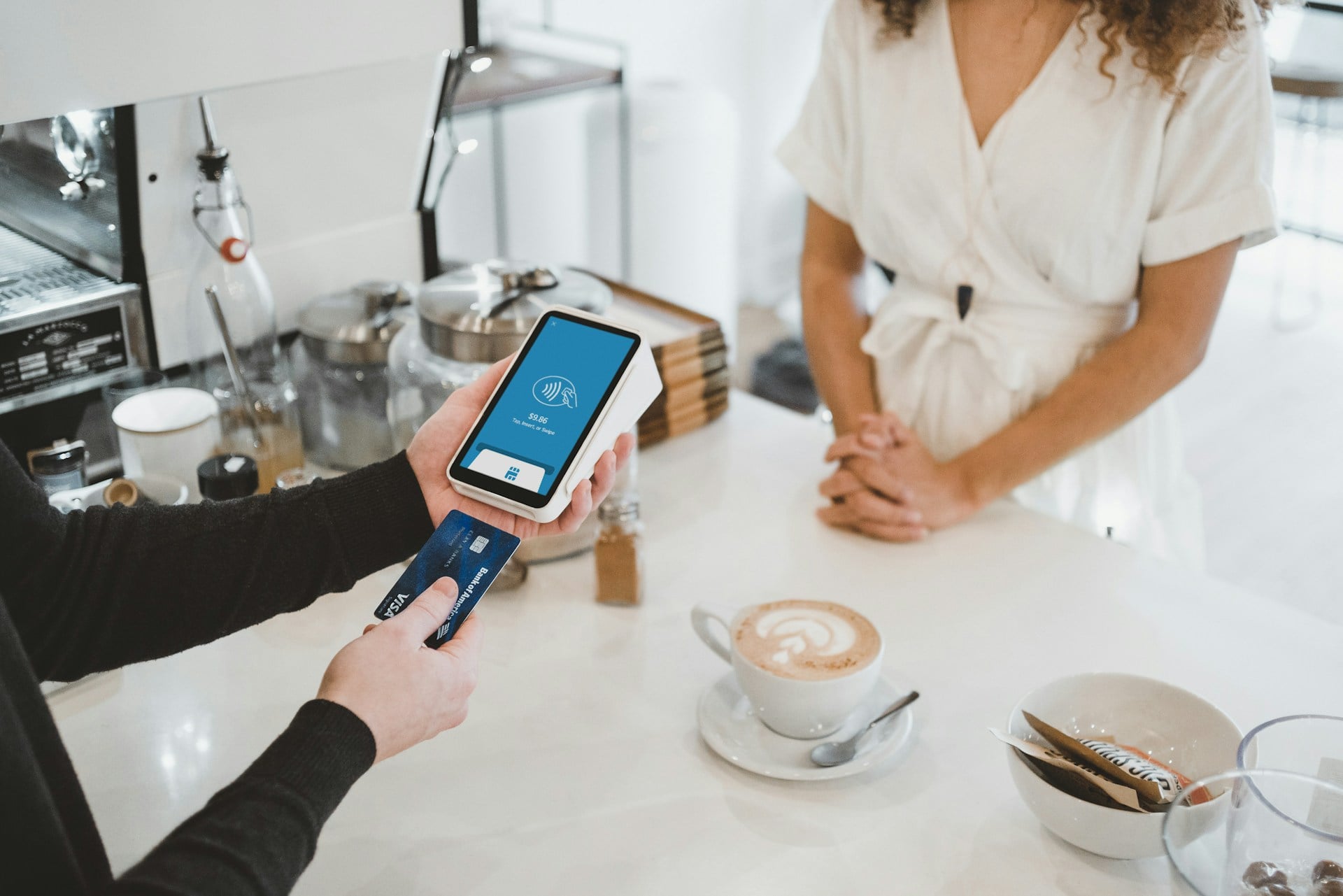
Restaurants run promotions where they give you a bonus gift card when you buy a regular one. Spend fifty dollars on gift cards and get an extra ten-dollar card free. That’s twenty percent off your future meals. These promotions usually happen around holidays, but some restaurants do them throughout the year. Sign up for email lists to find out when the deals are happening. Buy the gift cards during the promotion and use them later when you want to eat out. You’re spending the same money you would have anyway, but getting extra value by timing your purchase right.
Eat the Free Bread

Some restaurants bring bread to your table before the meal. It’s free and it fills you up. If you eat a roll or two before your entree arrives, you won’t be as hungry when the main course comes. This can help you order less food overall or feel satisfied with a smaller portion. The bread doesn’t cost you anything, so you might as well use it to your advantage. Just don’t fill up so much on bread that you can’t enjoy the meal you actually ordered. The goal is to take the edge off your hunger, not replace your dinner with free carbs.