10 Grocery Items Americans Are Paying More For While Getting Less Every Year

Your cart looks the same, but it feels lighter. Over time, grocery items have been getting smaller or less substantial while their prices hold steady or even climb—a subtle shift that makes your weekly budget stretch less and less. This quiet change in value is happening across the store, from the breakfast aisle to the freezer section. By spotting the patterns in these eleven common categories, you can become a more informed shopper, compare true value, and make smarter choices in today’s changing grocery landscape.
Snack & Granola Bars: The Trimmer Bar
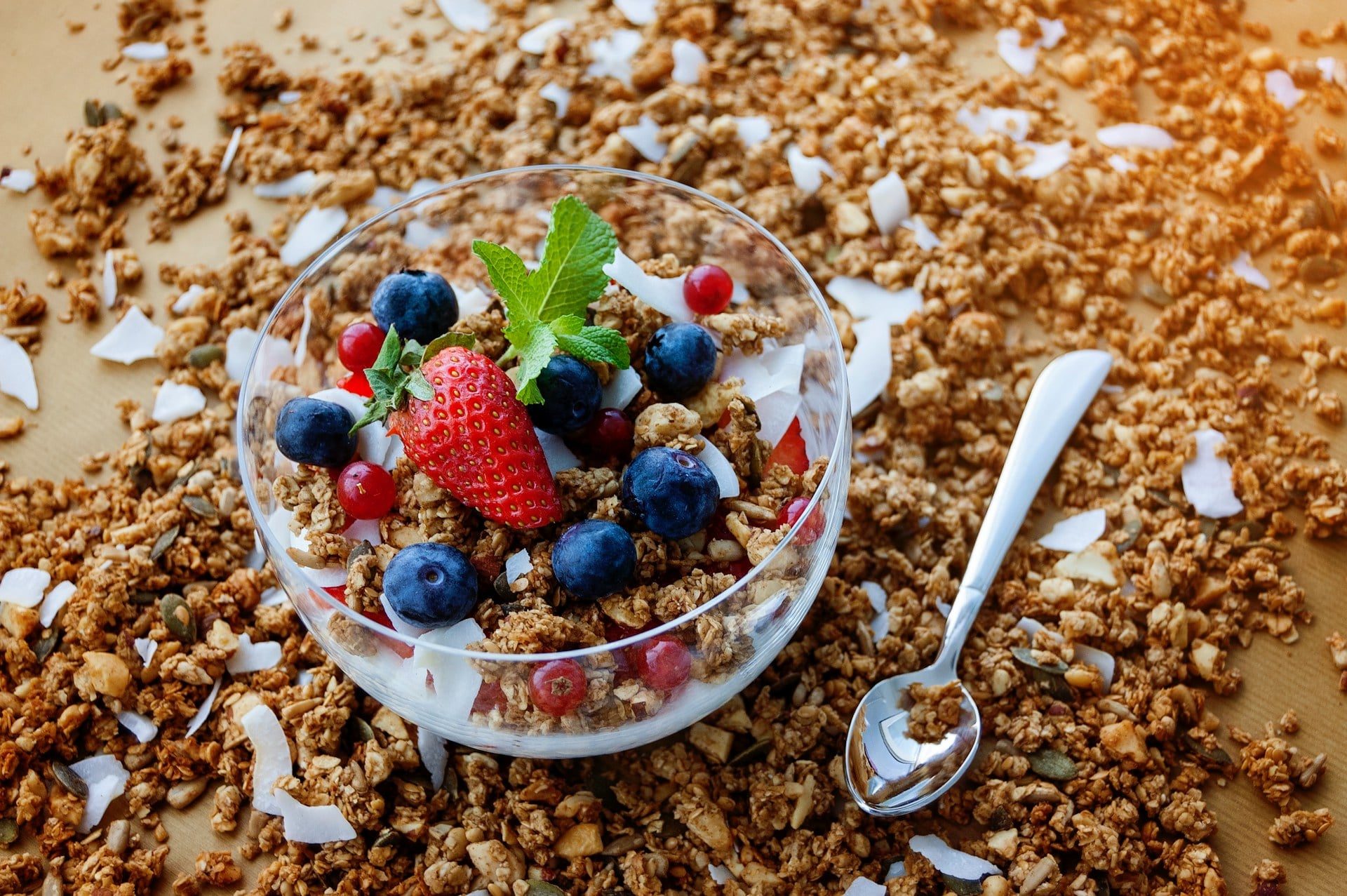
That granola bar in your lunchbox or gym bag is likely getting lighter. Manufacturers often reduce the weight of each bar by a few grams—a change invisible to the eye—while holding the price steady. Alternatively, they may introduce a new “value” price for a bar that is clearly smaller. For consumers who depend on these for a quick energy boost, it means less nutrition and satisfaction for the same spend, with the effects compounding over each weekly purchase.
Packaged Chips & Snacks: More Air, Less Crunch
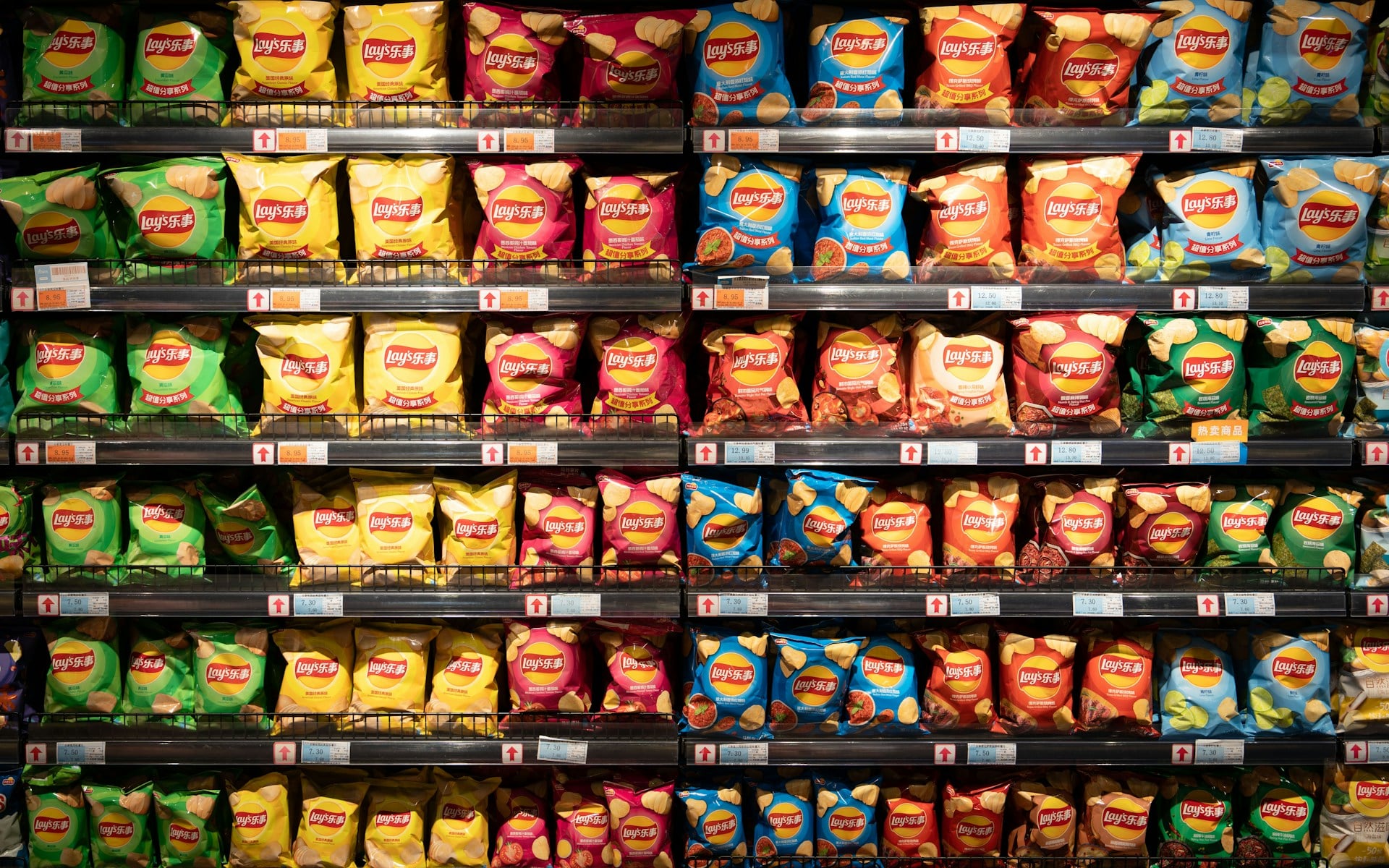
That family-sized bag of chips might not be as family-sized as it once was. Manufacturers frequently reduce the net weight inside a bag—from 10 ounces down to 8.5, for example—while maintaining the same puffed-up package size and price point. The inflated bag, designed for protection and appeal, makes it nearly impossible to gauge the loss by eye. You’re ultimately bringing home fewer chips and paying the same or more, a classic tactic to manage rising production and ingredient costs without alarming shoppers.
Bottled Beverages: The Disappearing Sip

Your favorite soda or iced tea might be serving up less refreshment. Bottles that once held 20 fluid ounces now commonly contain 16.5 or 18 ounces, with the price per bottle remaining stubbornly similar. This shift increases your cost per fluid ounce and means you get fewer servings per pack. While some changes align with health-conscious portion trends, they often mask a straightforward reduction in value as companies grapple with higher costs for sweeteners, packaging, and transportation.
Breakfast Cereal: The Shrinking Family Staple
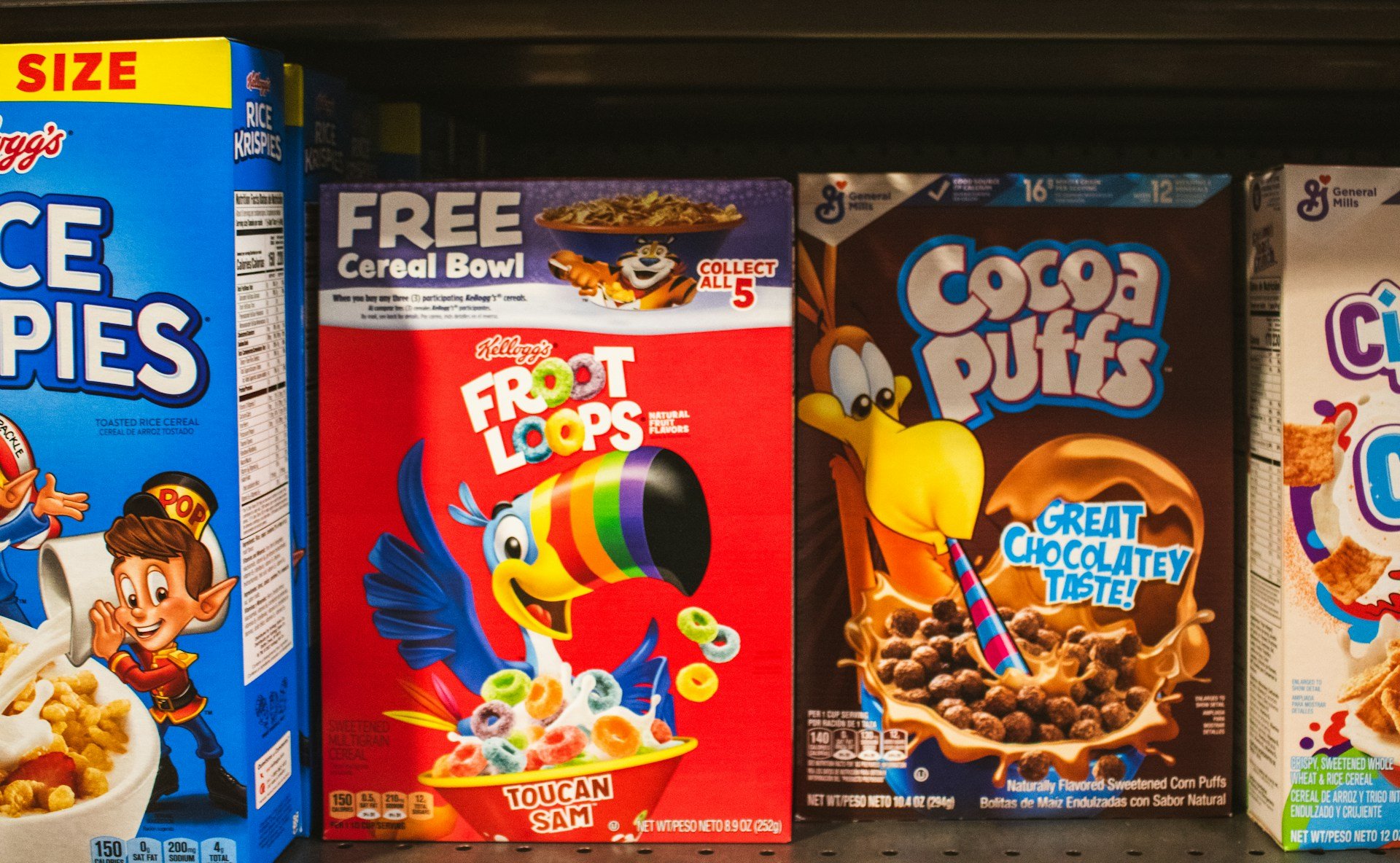
The cereal box on the shelf looks familiar, but lift it and you might notice it feels surprisingly light. Many brands have incrementally reduced their box sizes from 18 or 20 ounces down to 15 ounces or less, often while keeping prices the same. Because the outer dimensions of the box rarely change, this reduction is easy to miss. The result is that you’re consistently paying more per ounce of cereal without seeing a glaring price hike on the tag, quietly stretching your breakfast budget over time.
Meat & Poultry: The Fluctuating Pound

The price per pound for chicken, beef, and pork has become increasingly volatile and often trends upward. You might notice that for the same $10, you get a slightly smaller package of ground beef or fewer chicken breasts than you did last year. While retailers might keep shelf tags stable, the actual weight in the tray can creep downward. This results in a higher effective cost per pound, making protein one of the most budget-sensitive parts of the grocery trip.
Coffee & Tea: The Costlier Daily Ritual
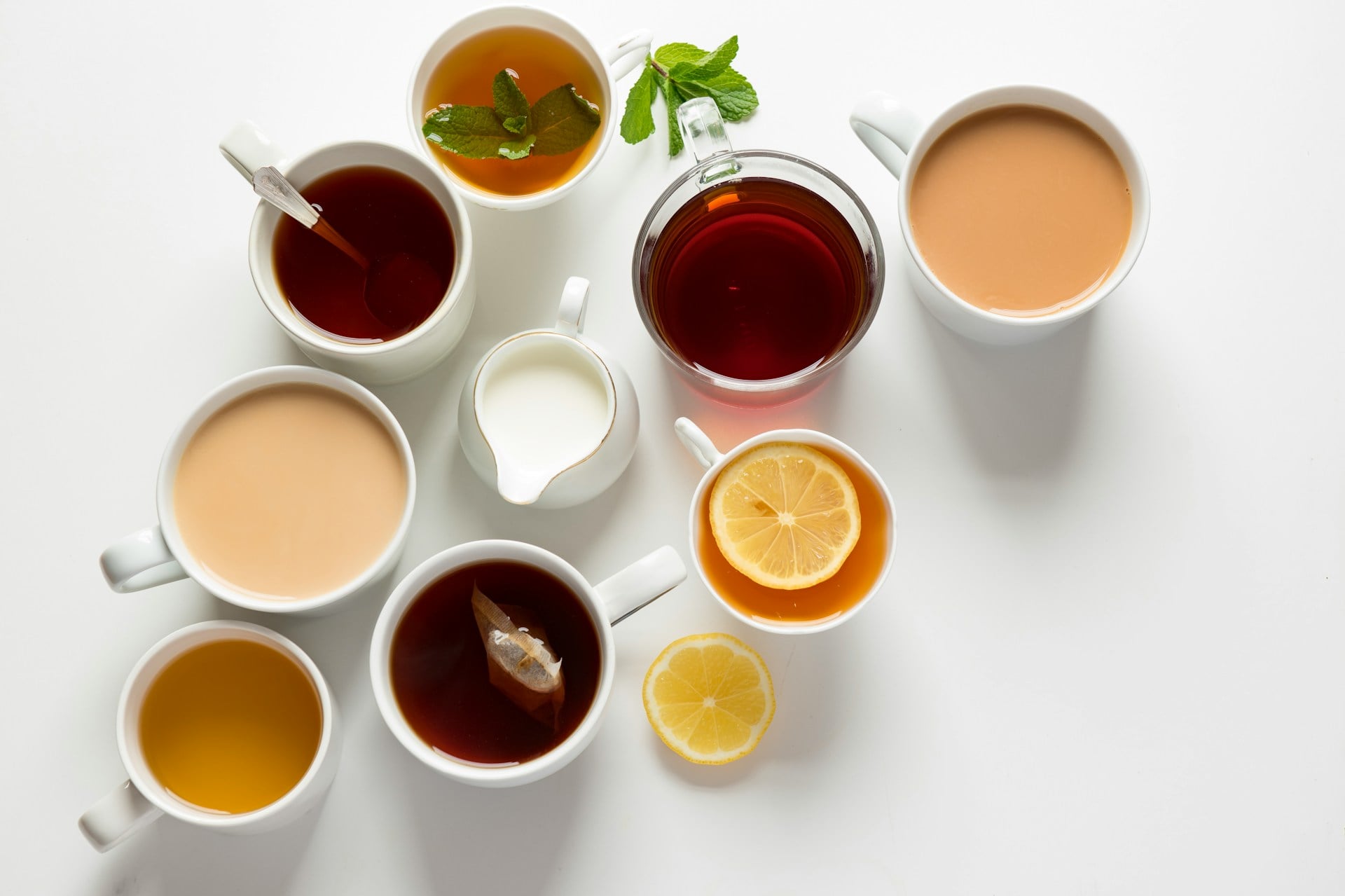
Your morning cup is costing more. While bags of ground coffee or boxes of tea bags haven’t dramatically shrunk, the price per ounce has climbed steadily. Pressure on global coffee crops from climate variability, coupled with rising processing and shipping costs, means you’re paying a premium to maintain the same routine. For daily drinkers, this translates to a slowly growing portion of the grocery budget being dedicated to caffeine.
Cooking Oils: The Slippery Value Equation
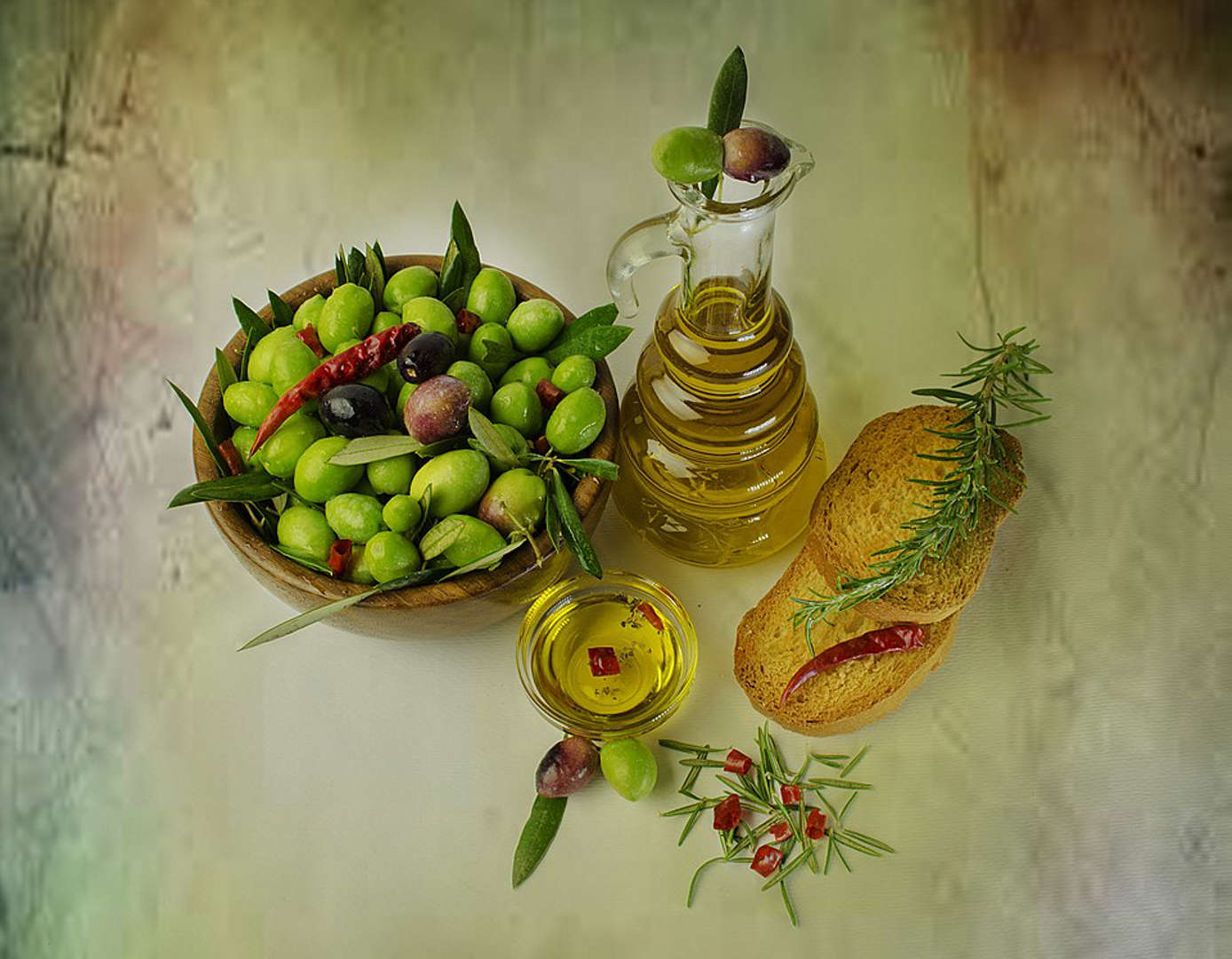
A bottle of vegetable or olive oil is a clear example where price hikes have outpaced any changes in size. Global commodity markets, crop yields, and supply chain pressures have pushed the cost of a standard 48-ounce bottle up significantly. You’re not getting less oil, but you are paying noticeably more for the same bottle, which directly impacts the cost of home cooking and baking.
Frozen Meals: Downsized Convenience
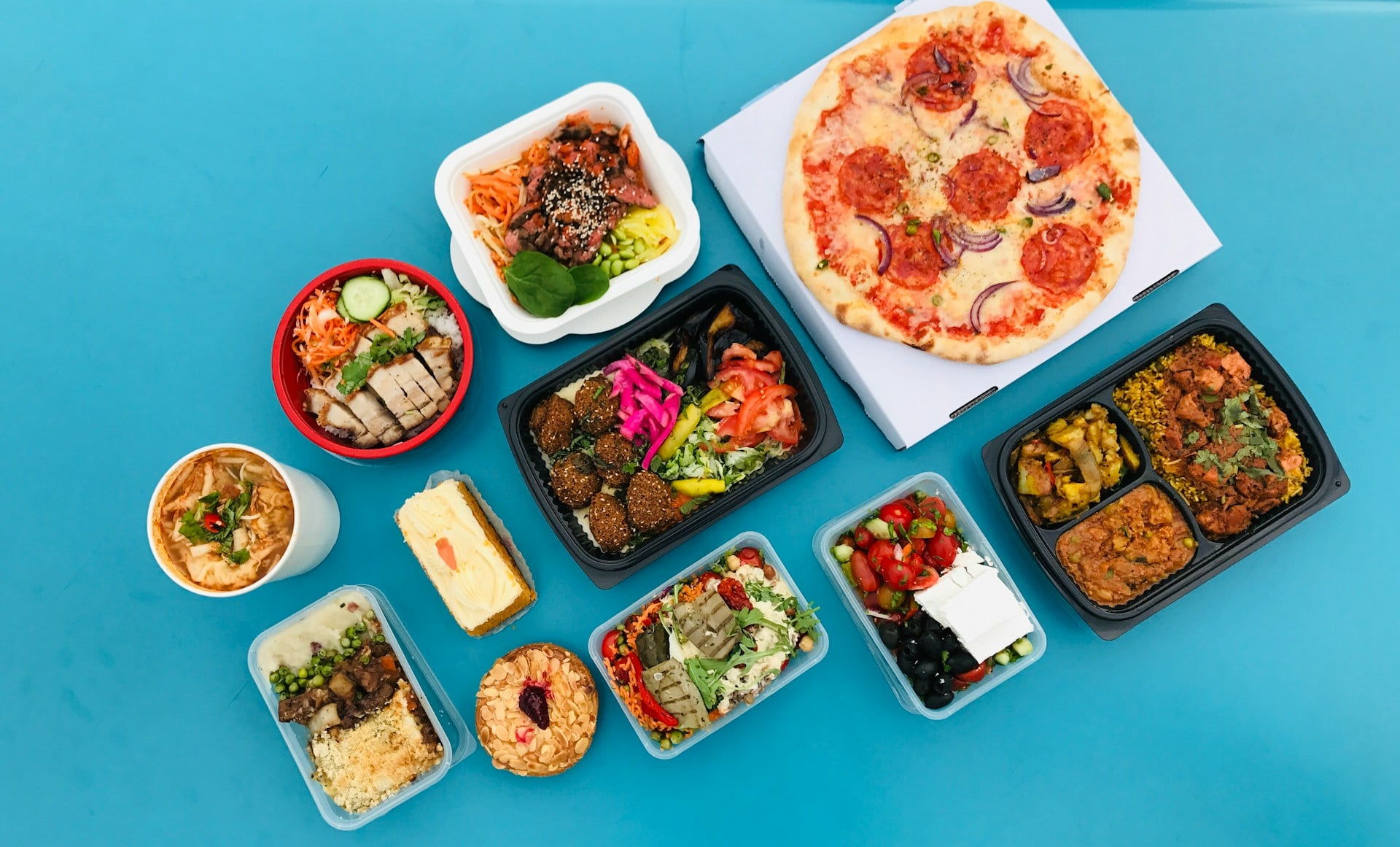
The frozen dinner that once felt like a hearty meal may now leave you peeking into the fridge afterwards. Brands have subtly reduced portion sizes within the same-sized tray, sometimes by reducing protein or vegetable content. Meanwhile, the price per meal continues to rise. This double squeeze means you’re paying more for less convenience and less sustenance, a significant shift for those who rely on frozen meals for quick lunches or dinners.
Condiments & Sauces: The Smaller Squeeze
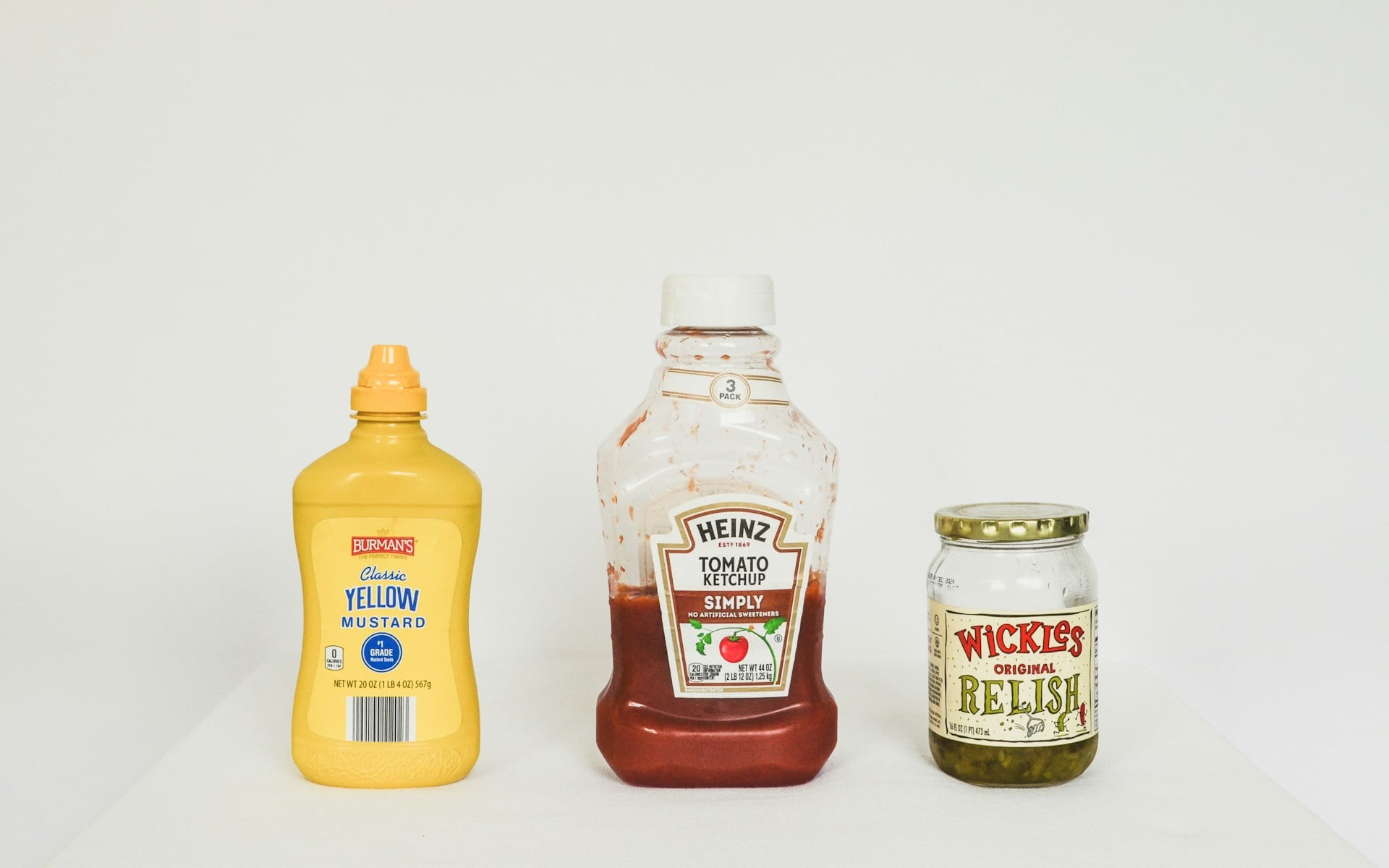
Ketchup, mayonnaise, and salad dressing are quietly following the trend. You might find your usual brand now comes in a 30-ounce jar instead of a 32-ounce one, or that the price for the same size has jumped. For premium and imported sauces, the cost per ounce is climbing even faster. Since these items are used daily, their shrinking value or higher cost adds a persistent, if small, drain on your grocery funds.
Milk & Dairy: Steady Sizes, Climbing Prices
While a gallon of milk is still a gallon, the price you pay for it has risen significantly. This isn’t shrinkflation in size, but rather “inflationflation”—you pay more for the same amount. Higher costs for feed, fuel, and labor on dairy farms directly translate to a higher price at the register for milk, cheese, and yogurt. The package size is constant, but the hit to your wallet is greater, forcing you to allocate more of your budget to these essential items.