The Rise of Unique Street Foods Gaining Global Attention

Travel has a funny way of getting you to try foods you’d probably skip at home. Street stalls are usually where the magic happens. The smell of sizzling oil, spices in the air, and a line of locals waiting their turn—it’s hard not to follow your nose.
A lot of travelers end up realizing that some of the best bites don’t come from restaurants at all, but from simple carts serving up bold, unforgettable flavors.
But here’s the thing—not every famous street food hits the same for everyone.
Some become instant favorites and even gain a following worldwide. Others can catch you off guard and, in some cases, leave you dealing with a not-so-fun souvenir… like stomach trouble. Knowing what to approach carefully can make your food adventure a whole lot better.
Takoyaki From Japan
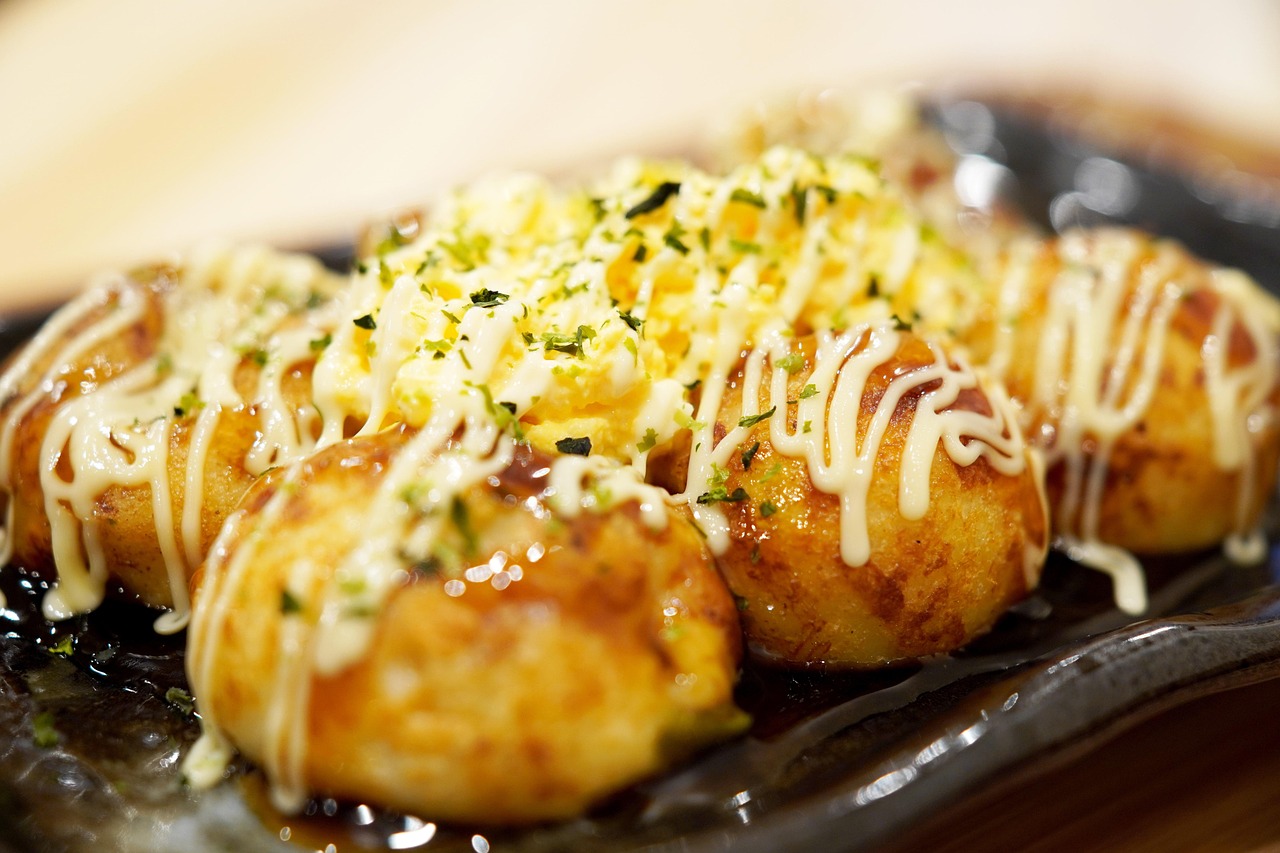
You’ll usually smell takoyaki before you ever see it. These little round batter balls are filled with octopus and cooked in special pans, then topped with sauce, mayo, and those signature bonito flakes.
Vendors work fast, flipping each piece with metal picks until the outside turns perfectly golden.
The snack started in Osaka and has become one of Japan’s most iconic street foods.
According to the Japanese Ministry of Agriculture, Forestry and Fisheries, takoyaki’s popularity has spread globally thanks to the rise of Japanese street food festivals. The only catch? The inside stays extremely hot. A lot of travelers learn that the hard way by taking a bite too soon.
Durian Desserts in Southeast Asia
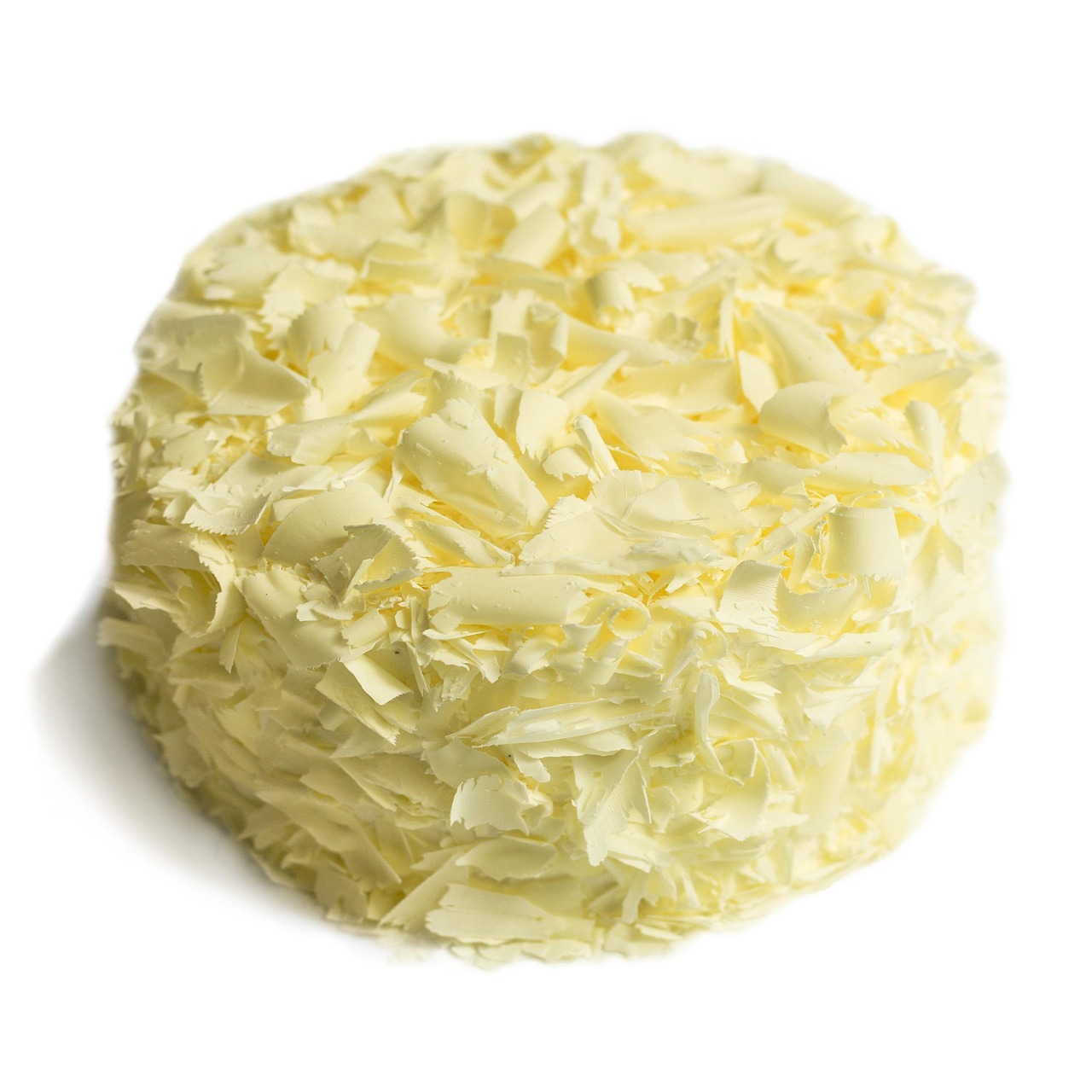
Durian is already known as one of the most divisive fruits out there. Across Thailand, Malaysia, and Singapore, street vendors turn it into pancakes, sticky rice desserts, and even ice cream.
That strong smell comes from sulfur compounds, according to research from the National University of Singapore—and it can be a lot for first-timers. Still, durian has built a loyal fan base. Plenty of people who can’t stand the smell end up loving the creamy texture and sweet, custard-like flavor.
The trick is to go in with an open mind… and maybe try it outdoors first.
Tteokbokki From South Korea
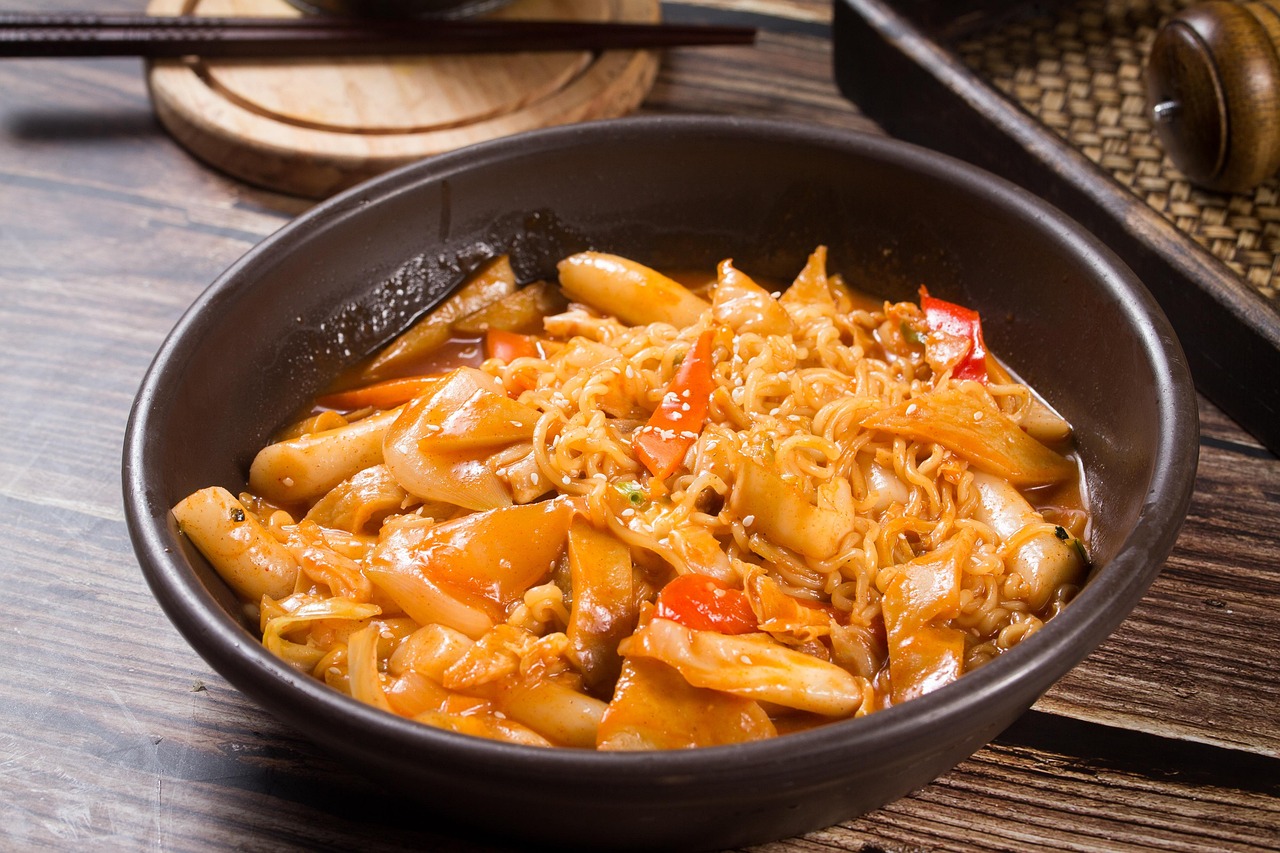
Walk through a night market in Seoul and you’ll spot it right away—bright red sauce bubbling in big pans filled with chewy rice cakes.
Tteokbokki combines those rice cakes with chili paste, fish cakes, and sometimes eggs or noodles.
As Korean culture has gone global, so has its street food. Reports from the Korea Agro-Fisheries & Food Trade Corporation show dishes like this gaining traction in North America and Europe.
It’s incredibly addictive… but also surprisingly spicy. A lot of visitors underestimate the heat and end up feeling it pretty quickly.
Balut in the Philippines

Balut is one of those foods you’ve probably heard about before you ever see it. It’s a fertilized duck egg that’s partially developed, then boiled and eaten with salt or vinegar.
Researchers at the University of the Philippines describe it as both a traditional snack and a solid source of protein.
For most travelers, the biggest challenge is mental, not flavor. It’s savory and rich, but the appearance can be a lot to take in at first.
Pani Puri From India
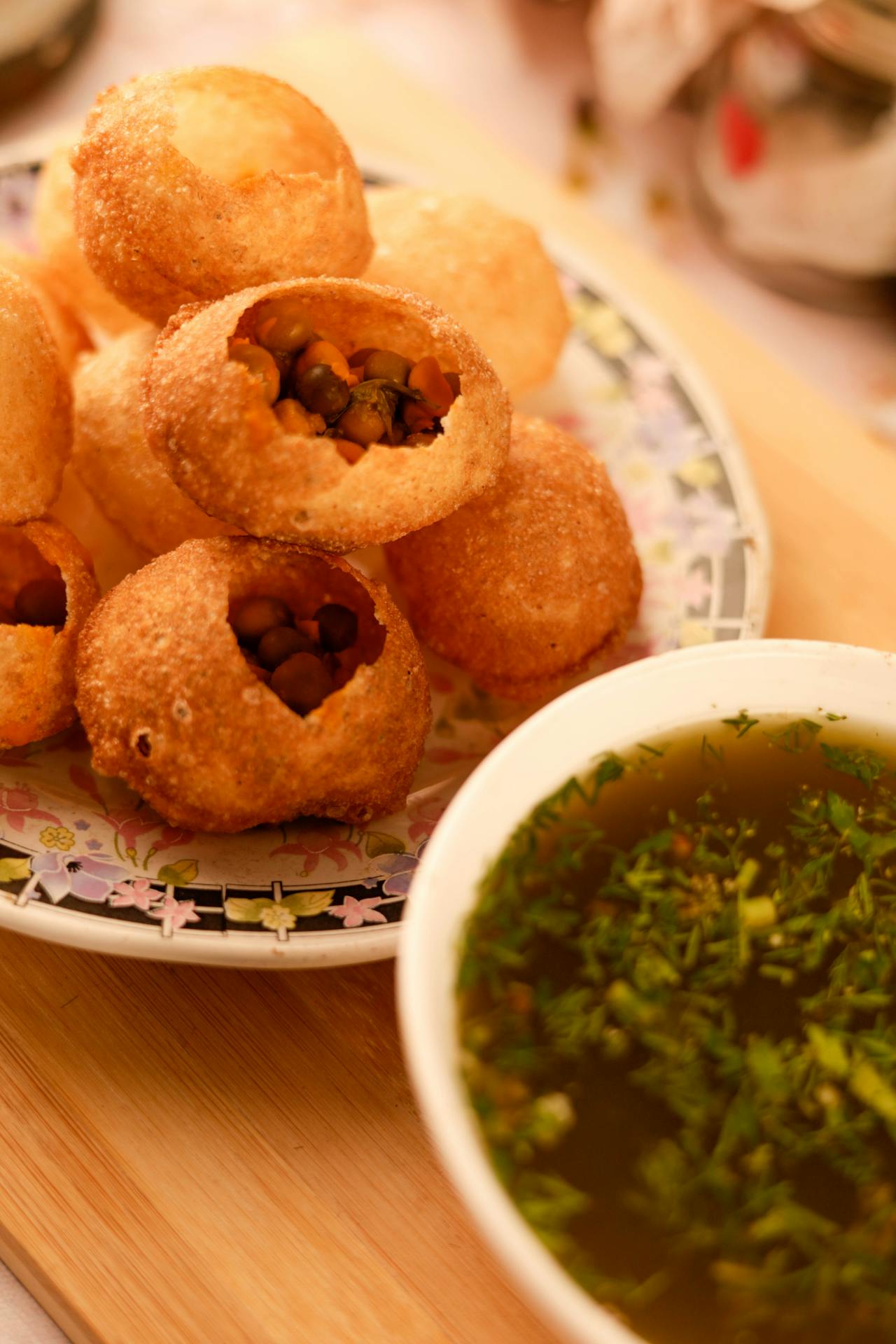
Pani puri is all about that burst of flavor. Vendors fill crispy hollow shells with spiced potatoes, chickpeas, and tangy flavored water, then hand them to you one at a time.
Food historians trace versions of this snack back centuries, with research from the Indian Council of Historical Research pointing to similar dishes in ancient cuisine.
The experience is incredible when everything is fresh and clean.
But hygiene can vary from stall to stall. When it’s done right, it’s unforgettable. When it’s not, it can lead to stomach issues that take over the rest of your trip.
Escamoles in Mexico
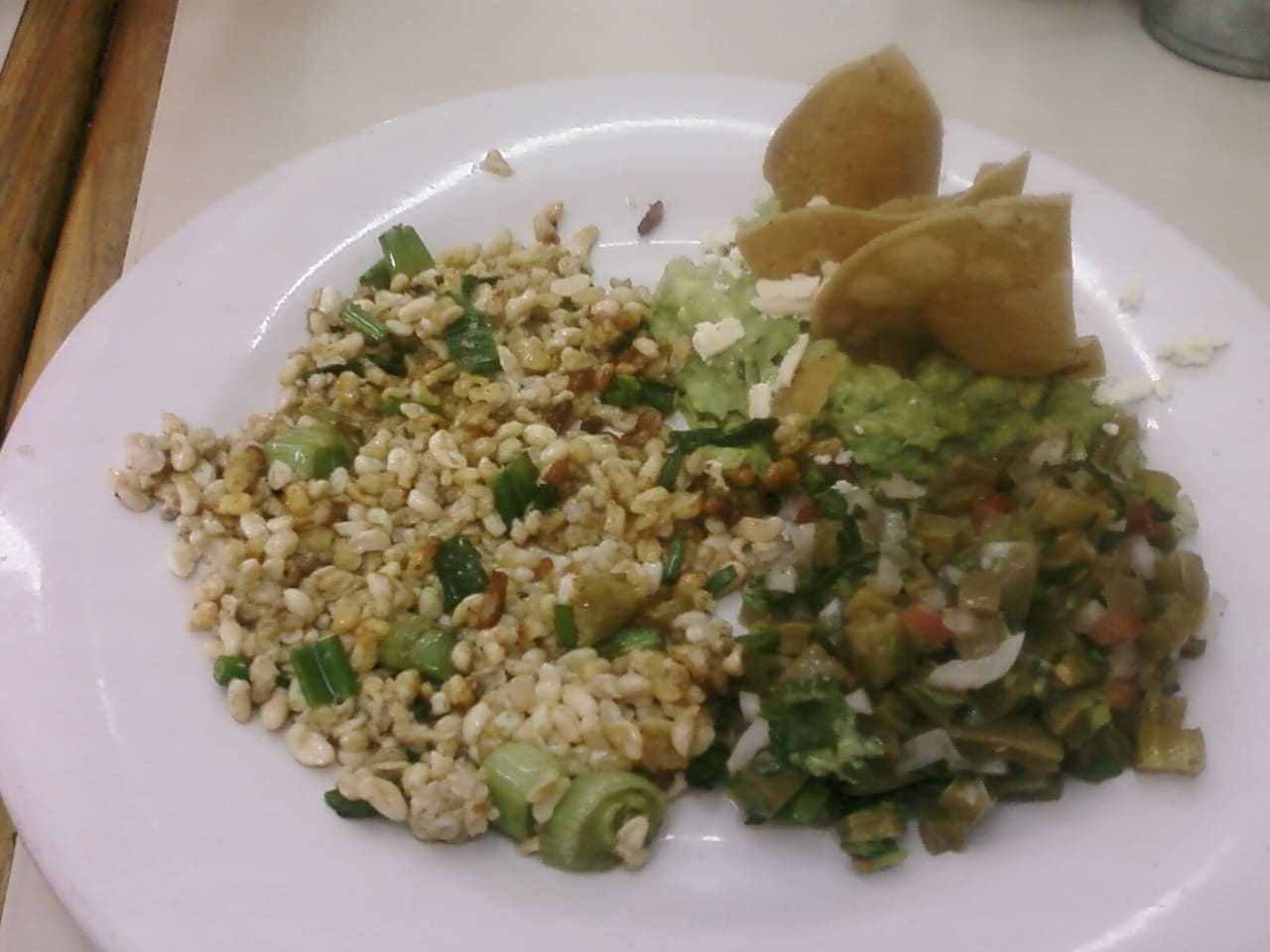
Escamoles are often called “insect caviar,” and yes—they’re ant larvae. Traditionally, they’re sautéed with butter, garlic, and herbs, then served in tacos or tortillas.
This dish goes all the way back to Aztec cuisine and is still part of regional cooking today.
Research from the National Autonomous University of Mexico highlights both its history and its nutritional value.
Once people get past the idea of it, they’re usually surprised. The flavor is often described as nutty and buttery—and genuinely good.
Bánh Tráng Nướng From Vietnam
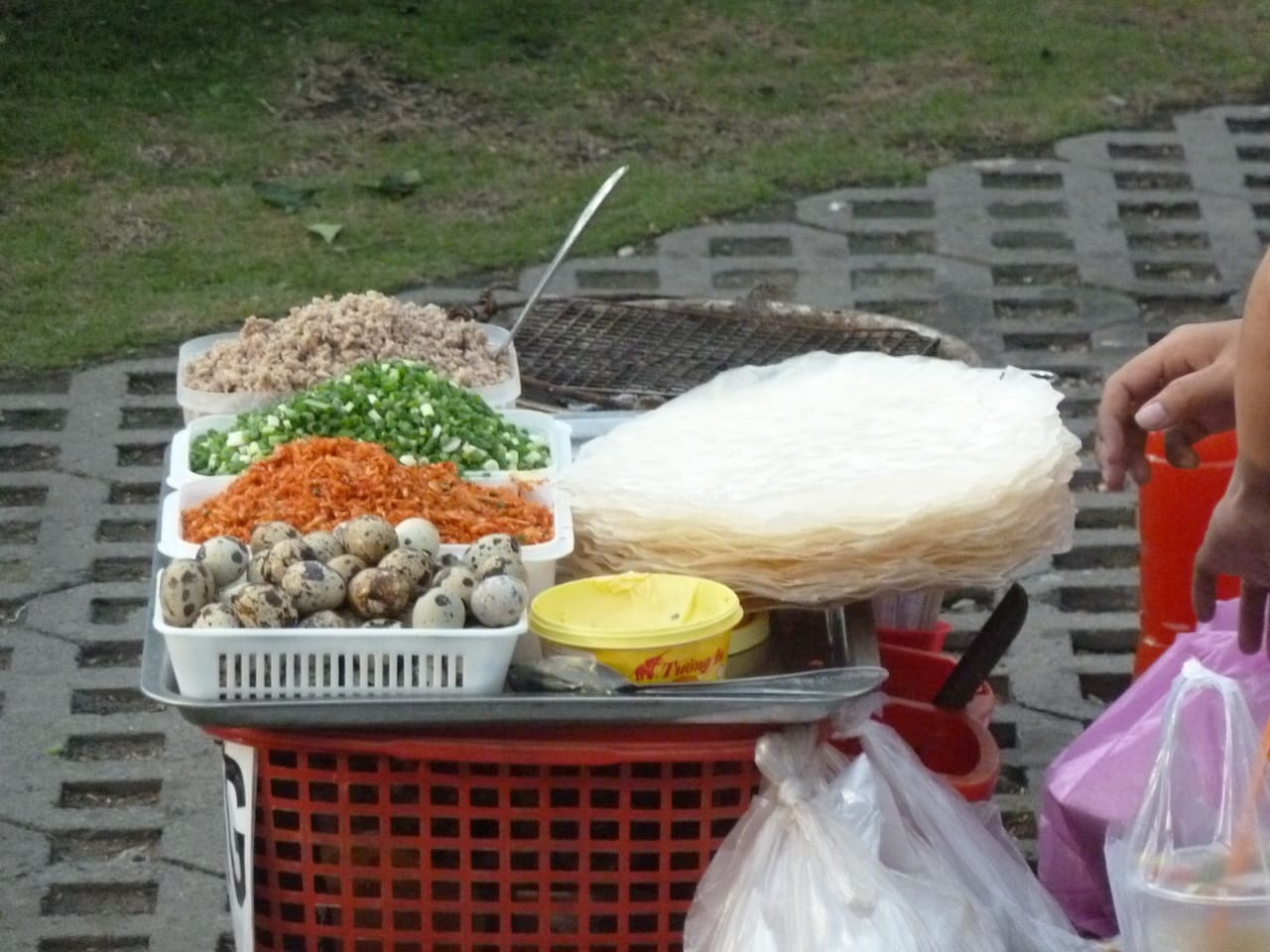
Often called Vietnamese pizza, bánh tráng nướng starts with grilled rice paper topped with eggs, sauces, herbs, and meats, then cooked over charcoal until crispy.
Vietnam’s street food scene is all about quick, affordable meals packed with flavor and texture. The Vietnam National Administration of Tourism highlights this dish as a modern favorite.
It’s one of the easiest street foods for travelers to love right away—familiar enough to feel comfortable, but different enough to feel exciting.
Churros With Chocolate From Spain
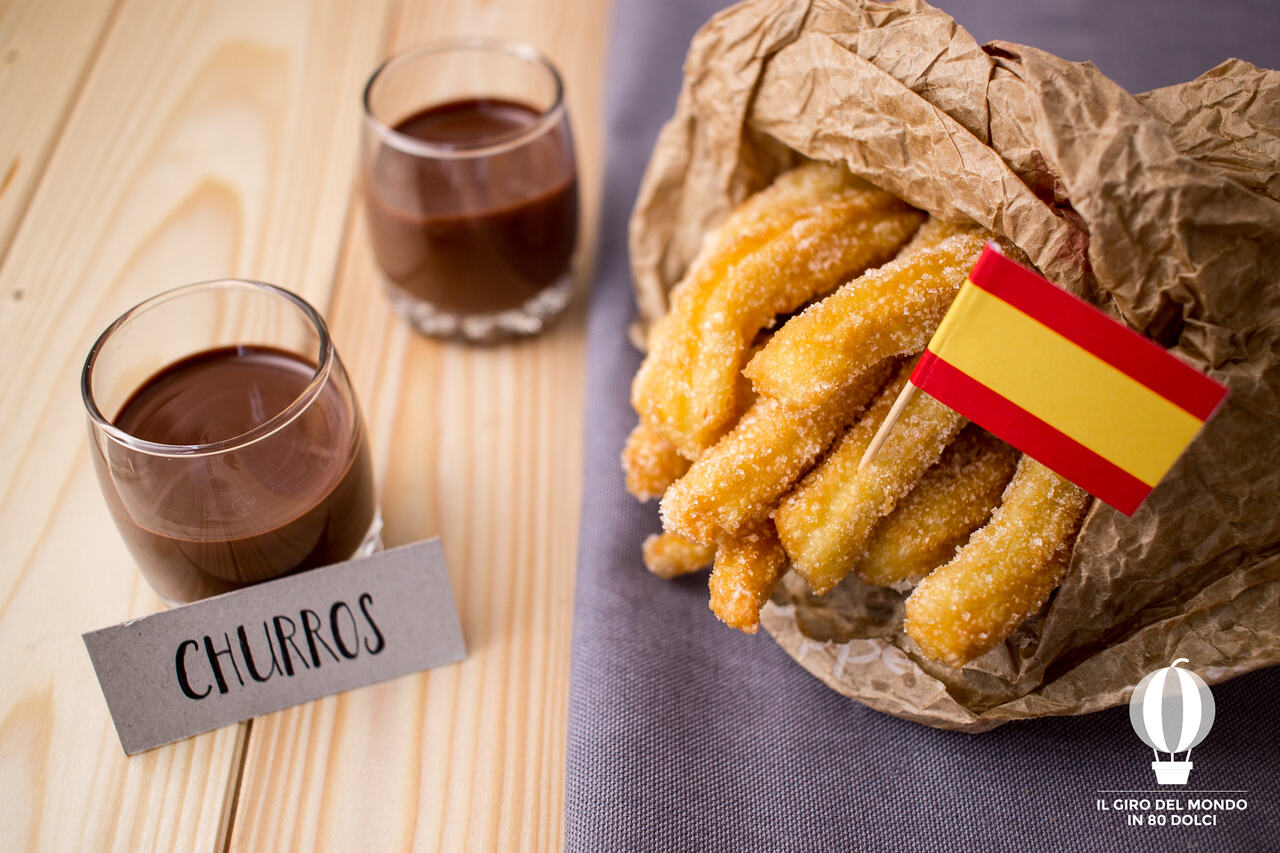
Churros might seem simple, but they’ve become a global favorite for a reason. These fried dough sticks served with thick hot chocolate are everywhere in Spain.Tourism data from the Spanish Tourism Institute shows they’re one of the most searched street foods by visitors.
They work because they’re easy to love—crispy on the outside, soft on the inside, and just sweet enough. For a lot of travelers, churros quickly become a daily habit—especially early in the morning or late at night, fresh from the fryer.
Chapulines From Mexico
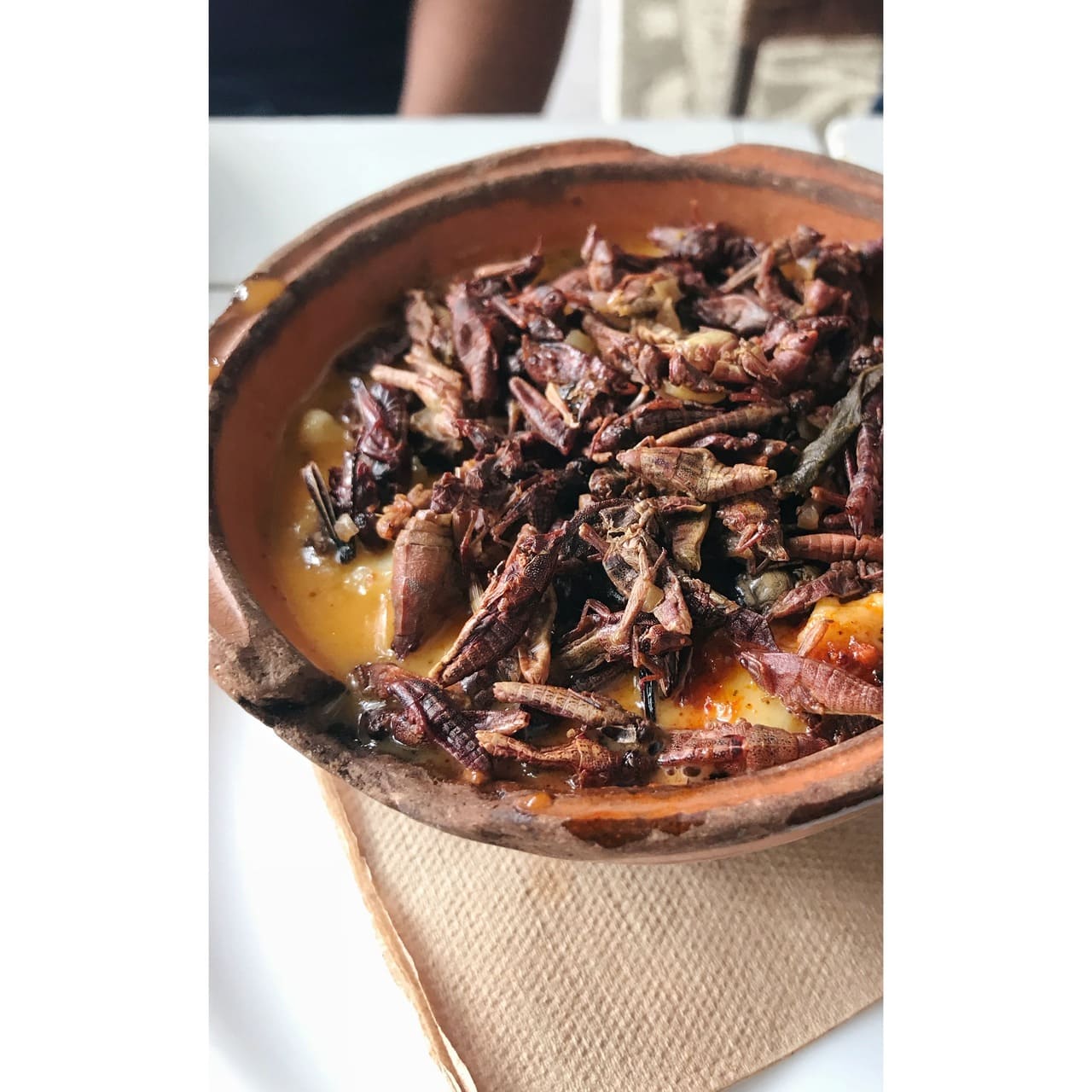
Chapulines are toasted grasshoppers seasoned with chili, lime, and garlic. You’ll see them in markets across Oaxaca, often served in tacos or as a snack.
The Food and Agriculture Organization has highlighted edible insects as a sustainable protein source, which adds another layer of interest.
At first, most travelers hesitate—but once they try them, the flavor is surprisingly familiar. Think crunchy, salty, and a little spicy, almost like popcorn.
They’re often sprinkled over tortillas or guacamole, and you’ll also see them sold in paper cones for easy snacking.
Jerk Chicken From Jamaica
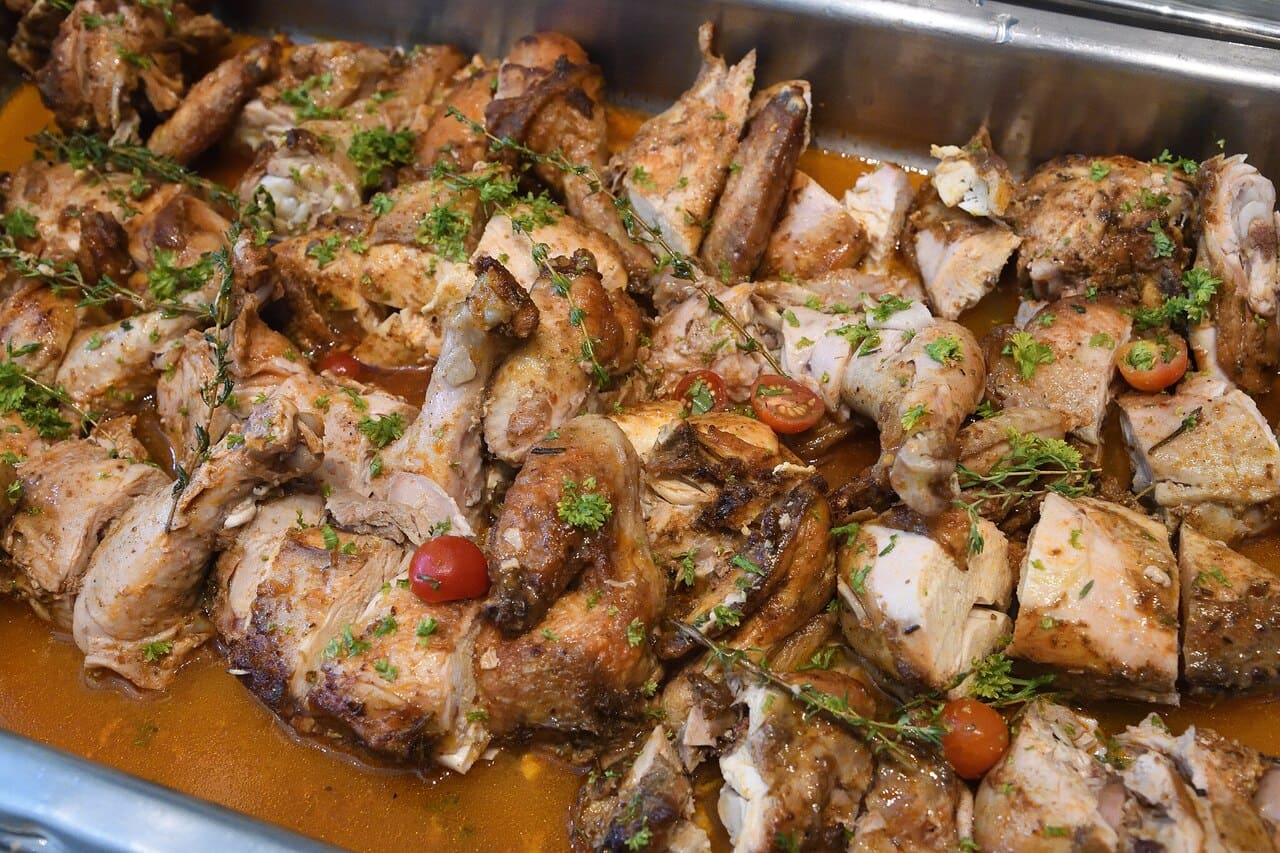
Walk past a street grill in Jamaica, and the smell alone will pull you in. Jerk chicken cooks over charcoal, coated in a marinade full of peppers, thyme, garlic, and allspice. Historians connected to the University of the West Indies trace this cooking style back to the Maroons.
The flavor is bold, smoky, and unforgettable. The only surprise for many visitors is just how spicy it can be. Lines often form around the best roadside spots, and once you smell it, it’s hard to walk away.