11 Snacks from the 90s Known for Cheap Chemical Content

There was something about 90s snacks that just hit different. The colors were brighter, the shapes were weirder, and the flavors seemed designed specifically to appeal to kids. We didn’t think about ingredients back then. We just knew we wanted them. Looking back now, it’s a little wild to see how many of those favorites were built on engineered flavors, artificial colors, and shelf-stable chemicals rather than anything resembling real food. Nostalgia still makes them appealing, but the ingredient lists tell a different story. Yet, we loved them so much and still crave them!
Hi Chew
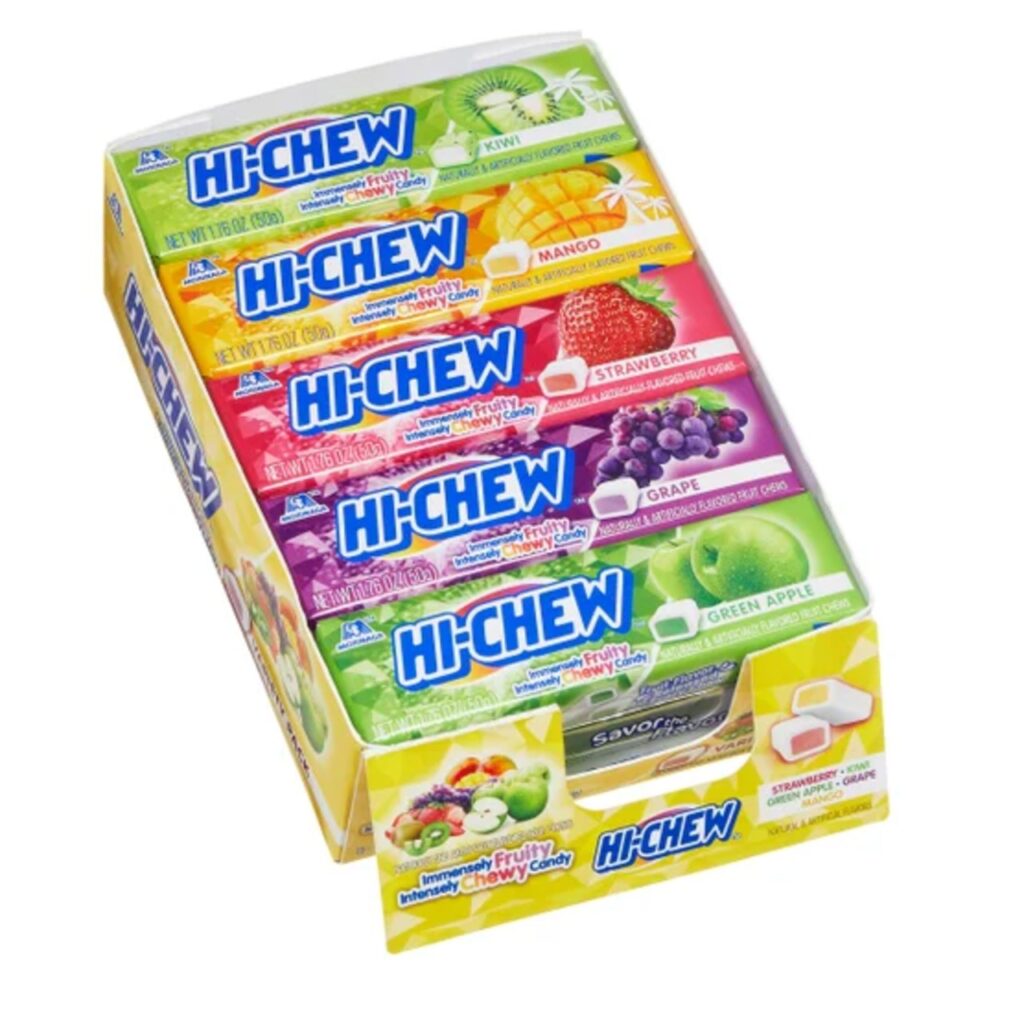
Hi Chew brought soft, chewy fruit flavor from Japan and became a hit. The texture was different, the fruit flavors seemed intense. But like so many others, they relied on sugar, glucose syrup, and artificial flavorings. Emulsifiers kept them chewy, not hard. Real fruit was minimal at best. The appeal was in that long-lasting chew and bold taste, not any nutritional benefit. Still popular, but the formula hasn’t changed much.
Fruit Gushers
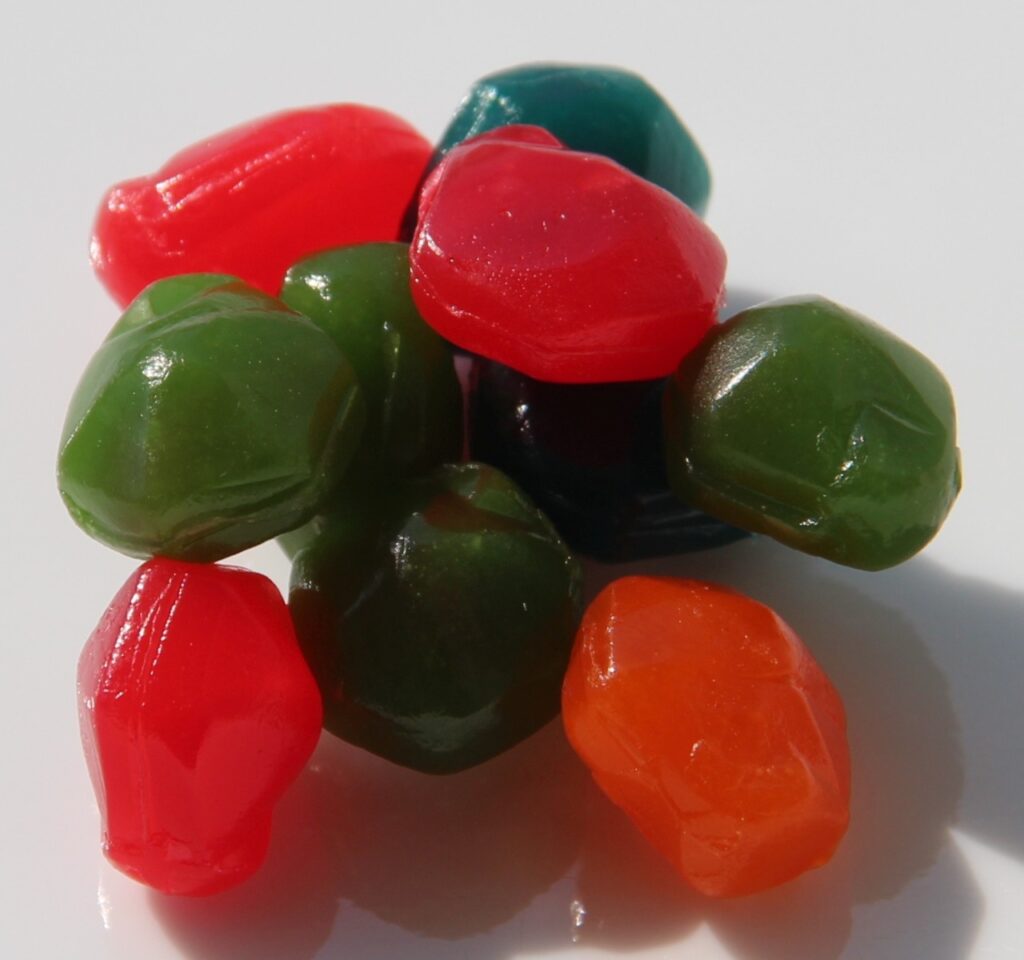
The whole appeal of Gushers was that burst of sweet liquid inside. It was weird and wonderful. Marketed as fruit snacks, they suggested something almost healthy. But the ingredients leaned hard on corn syrup, sugar, and artificial flavors. That gooey center was engineered to deliver maximum sweetness in one bite. Real fruit was barely in the conversation. It was candy dressed up as fruit, and we ate it up.
Fruit by the Foot
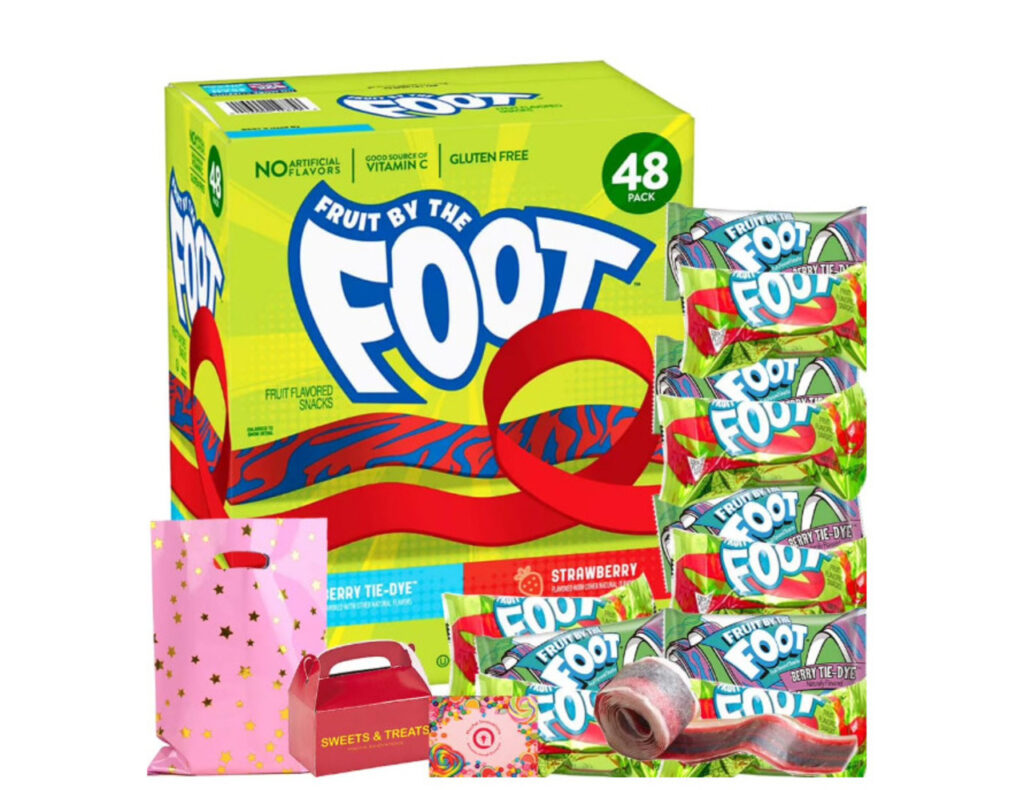
Unrolling a long strip of Fruit by the Foot was its own little ritual. You could stretch it, peel it, make it last. Again, marketed as a fruit snack, but the ingredients were mostly sugar, corn syrup, and artificial dyes. Preservatives kept it flexible so it wouldn’t snap in the package. Parents might have thought it was a slightly better option than candy. It wasn’t. But the novelty was unbeatable.
Lunchables
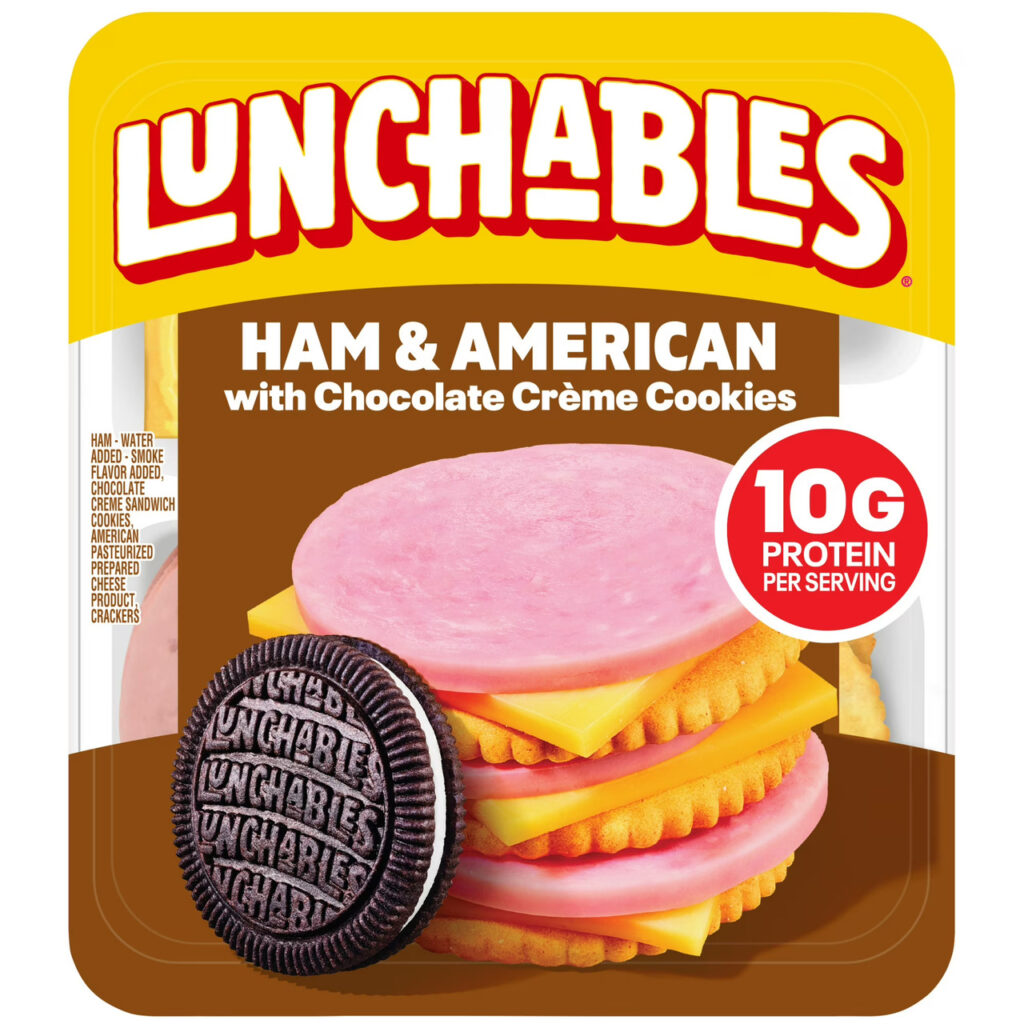
Lunchables changed school lunch forever. Little crackers, processed meat, cheese slices, all in a tray you assembled yourself. It felt like independence in a box. But those components were loaded with preservatives and sodium to keep them shelf-stable. Curing agents, flavor enhancers, color stabilizers—everything was engineered for consistency and portability, not freshness. Still, they worked for busy families and gave kids a sense of control. Nostalgia runs deep, even as we now read those labels differently.
Dunkaroos
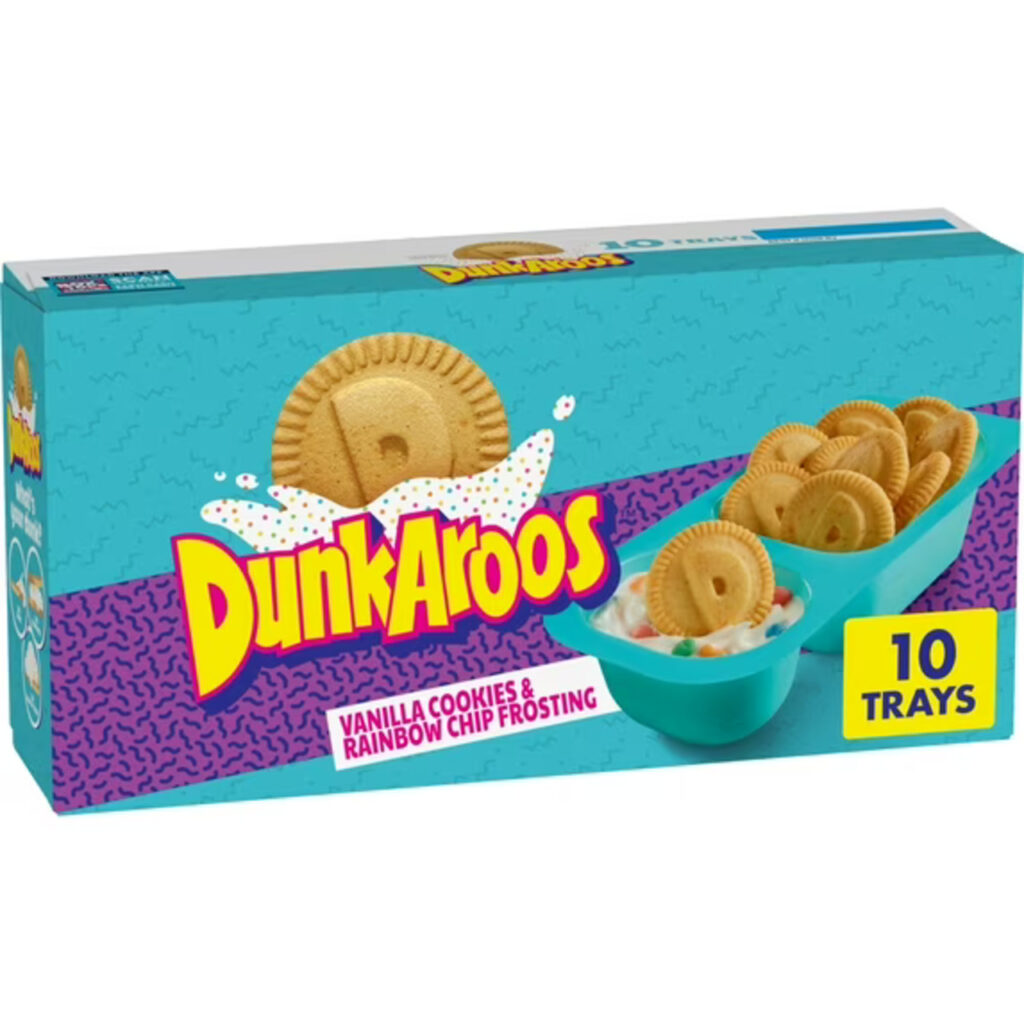
Dunkaroos were the ultimate lunchbox flex. Little cookies, a tub of frosting, total control over every dip. It felt like a tiny celebration. But that frosting wasn’t exactly whipped up in a kitchen. Most of the flavor came from laboratory-developed additives mimicking vanilla or chocolate. Preservatives and stabilizers kept everything shelf-stable through shipping and storage. Kids loved the novelty. Adults now recognize how much of that experience relied on processed ingredients.
Crystal Pepsi
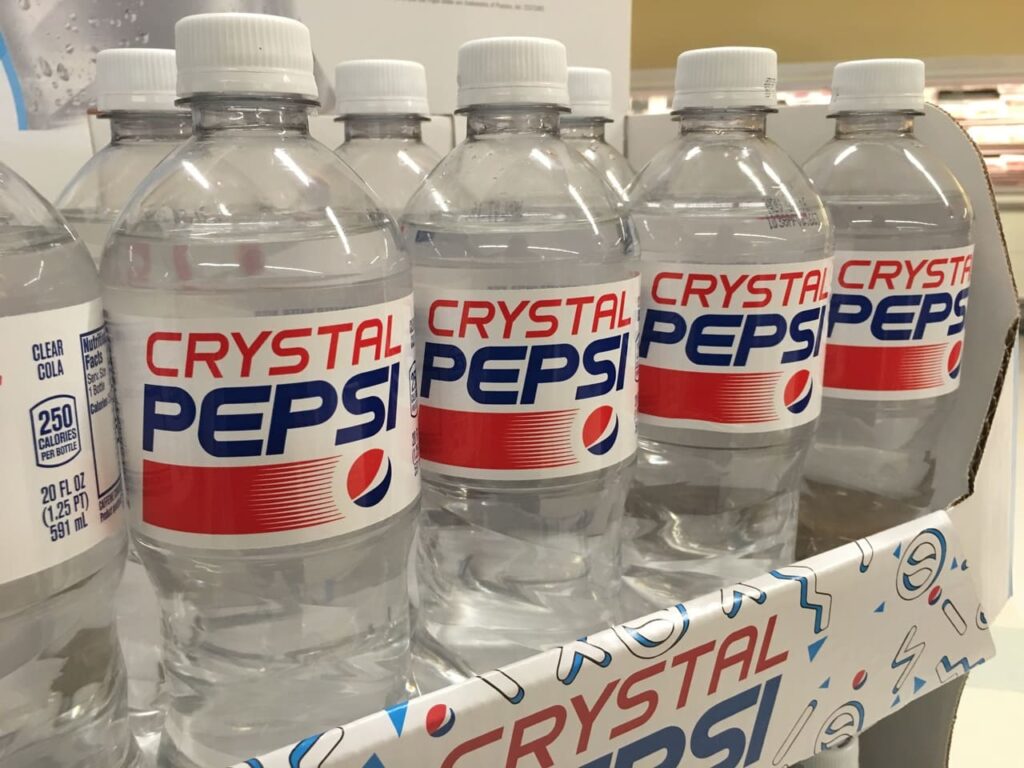
Crystal Pepsi was a whole vibe. Clear cola, marketed as cleaner, purer, somehow healthier. But take out the caramel coloring and you still had the same sweeteners, artificial flavors, and carbonation as regular soda. The branding did heavy lifting, making clarity feel like virtue. Nutritionally, it offered nothing different. It was a novelty, and it burned bright and brief. Shows how much marketing can shape perception.
Chewy Spree
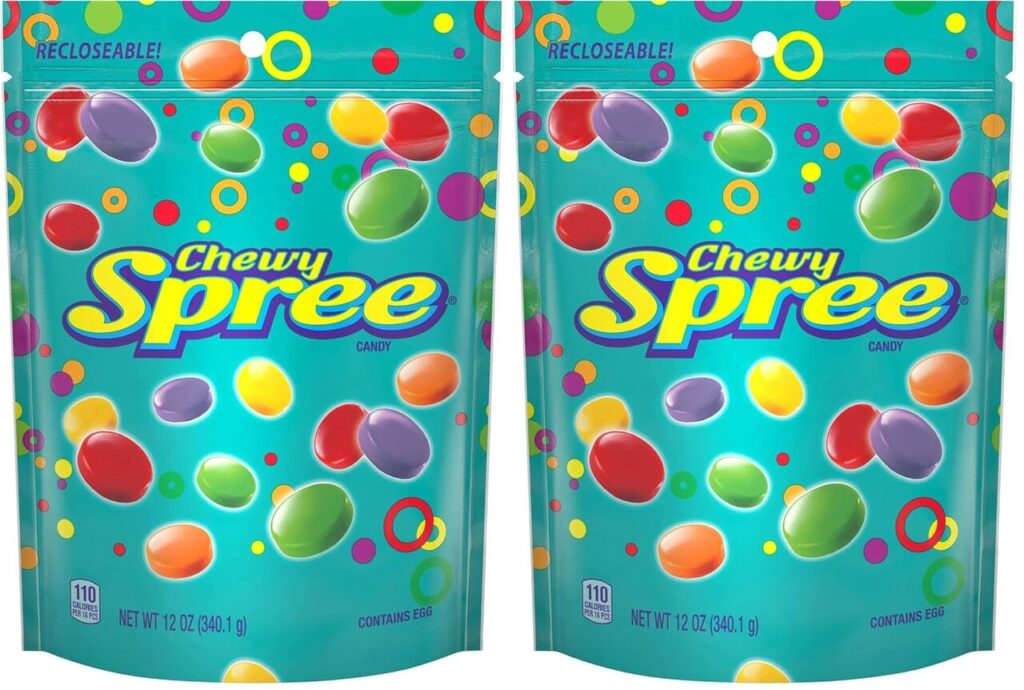
Chewy Spree were those little colorful candies with the hard shell and soft center. Bright dyes, sugar coatings, flavor enhancers—all engineered for maximum sensory impact. Real fruit didn’t factor in. Stabilizers kept the chewy texture consistent no matter how long they sat on shelves. Fun to eat, but squarely in the candy category. Not pretending to be anything else.
Ring Pops
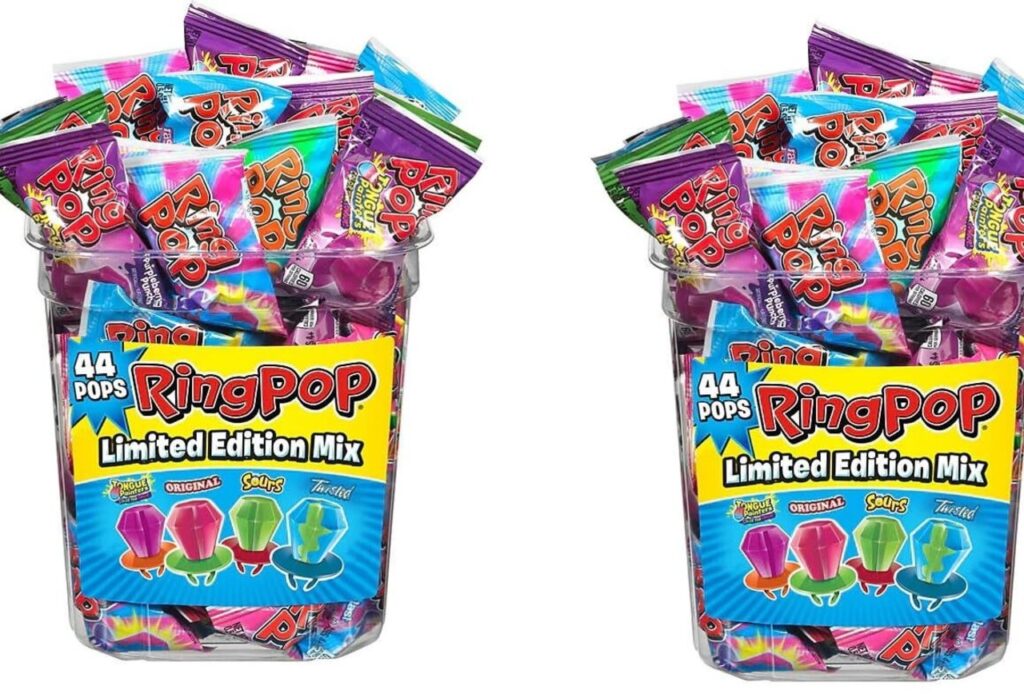
Ring Pops were genius. Candy you could wear. The novelty was everything. Ingredients were standard candy stuff—sugar, corn syrup, artificial flavors, dyes. But the packaging made it feel special. Hard candy that stayed stable at room temperature, bright colors that popped. Kids didn’t care what was in it. They just wanted to wear their snack.
3D Doritos
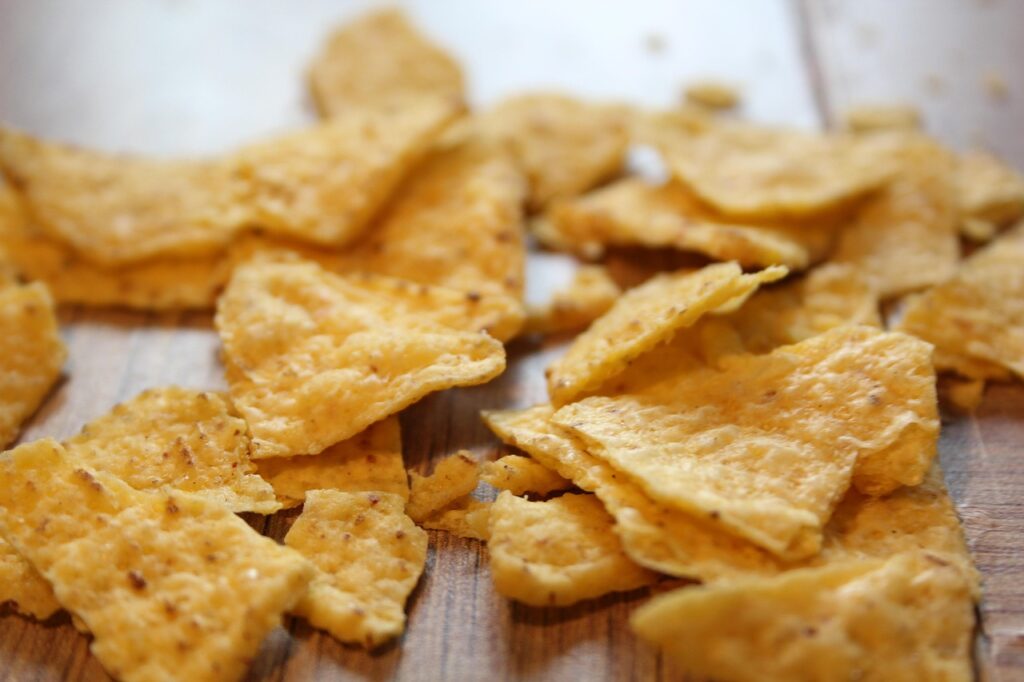
3D Doritos were all about texture. Puffed into hollow shapes, they delivered extra crunch and held more seasoning. That seasoning? Artificial cheese flavors, preservatives, enhancers—designed to hit hard and keep you coming back. Refined corn products, stabilized oils, all engineered for shelf life and crunch. The shape was the hook, but the flavor science kept it interesting.
Push Pops
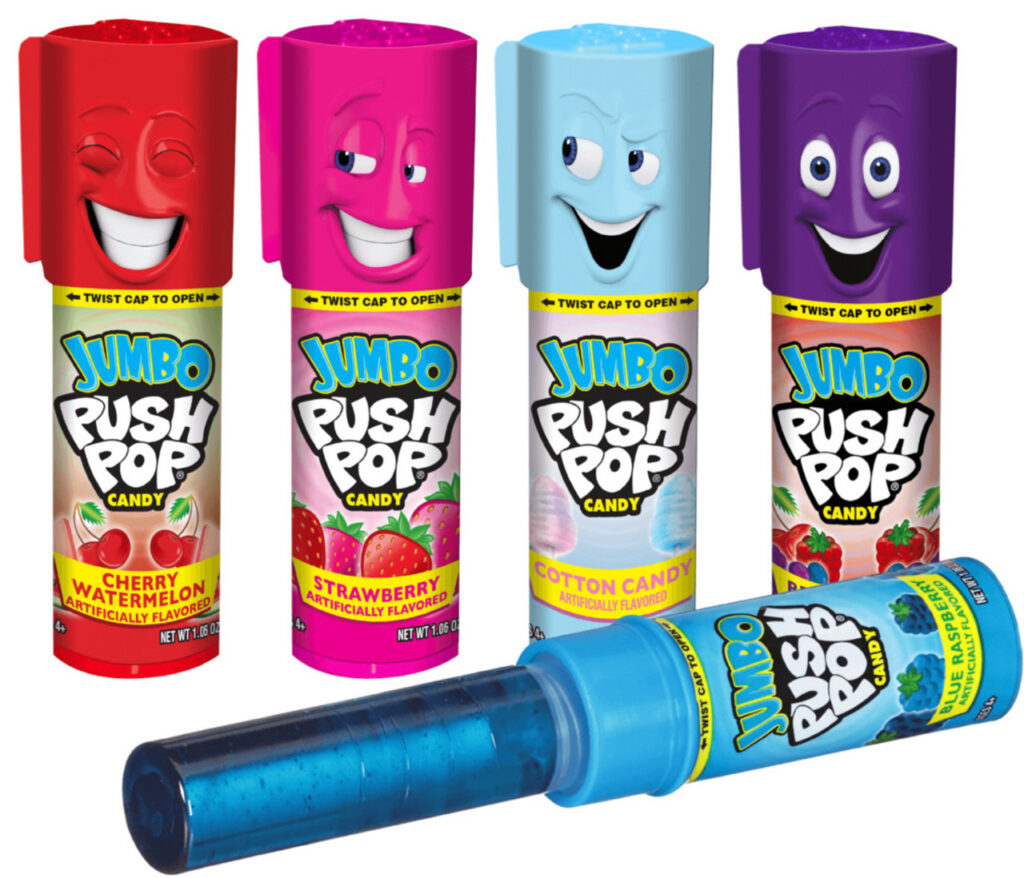
Push Pops let you control your candy. Push up a little more, save some for later. The candy itself was sugar, artificial flavors, dyes. Stabilizers kept it from melting or sticking in the tube. The packaging did the heavy lifting. Kids loved the interaction. Adults remember the design more than the taste.
Pop-Tarts
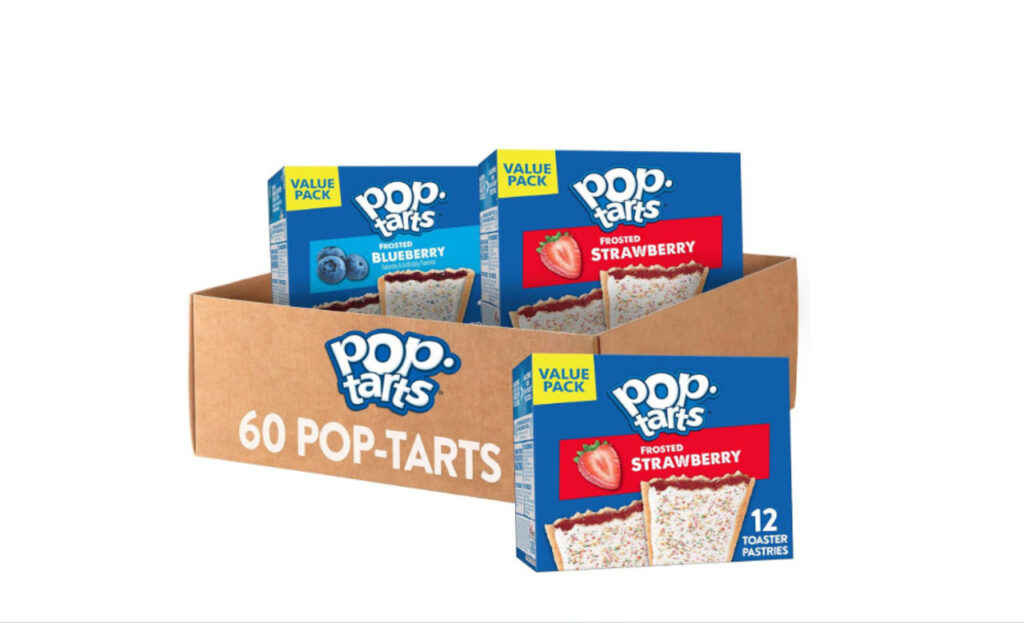
Pop-Tarts were breakfast and dessert rolled into one. Frosted, filled, ready in the toaster. But that fruit filling wasn’t fruit. Artificial flavors and colors delivered recognizable tastes without any fresh ingredients. Preservatives kept the pastries soft for months. Stabilizers held the frosting together through shipping. They were convenient, sure, but nutritionally pretty empty. Kids saw a treat. Adults now see them as an occasional indulgence, not a daily breakfast.