What Not to Freeze: Essential Tips for Safe Food Storage

Your freezer is one of the most useful tools in your kitchen—it saves time, cuts down on waste, and helps you stretch your groceries further.
But here’s the part most people don’t think about: not everything belongs in there.
Some foods completely fall apart after freezing. Others lose their texture, flavor, or even become unsafe. Knowing what not to freeze is just as important as knowing what to store.
Here are some common foods you should keep far away from your freezer.
Mayonnaise
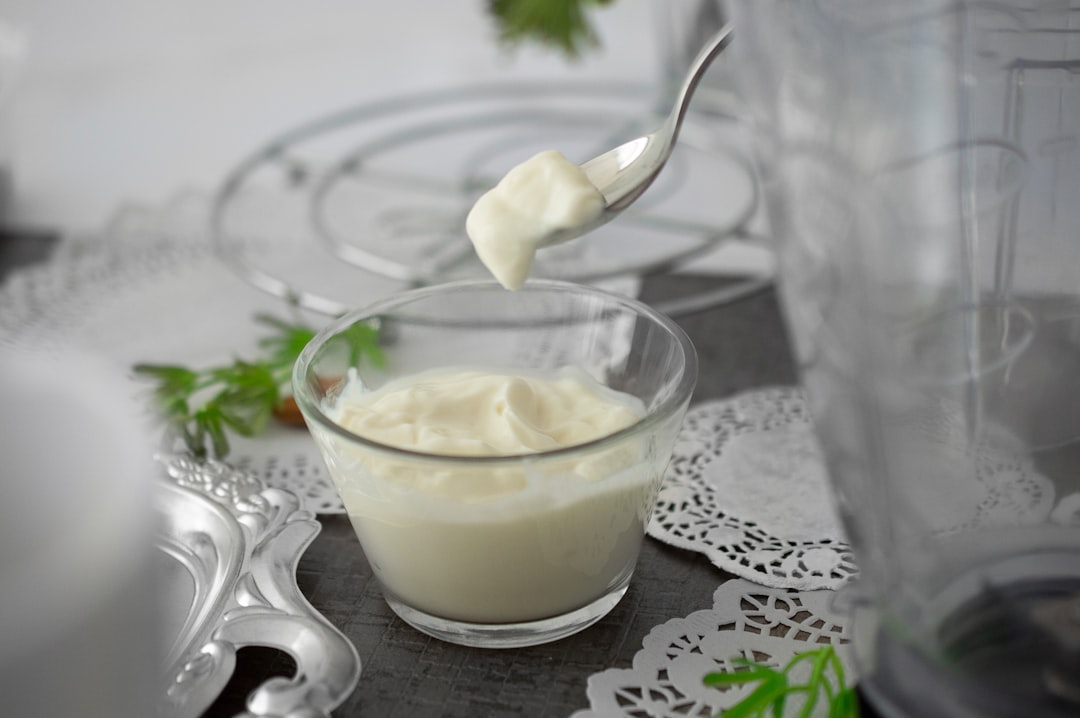
Mayonnaise doesn’t survive freezing well at all.
Because it’s an emulsion, freezing causes it to separate permanently. Once thawed, it turns watery and grainy—and there’s no fixing it.
Whole Eggs
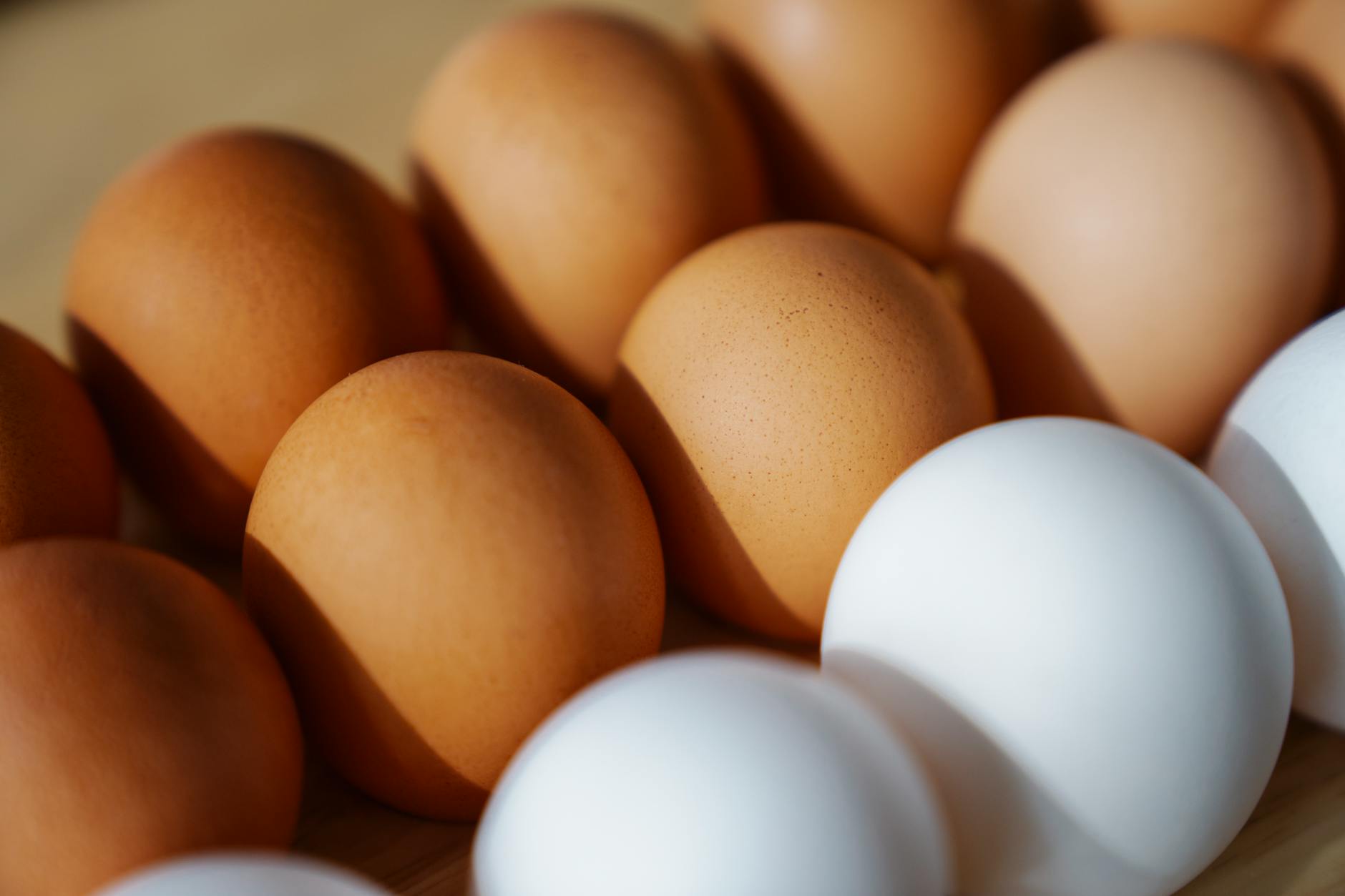
This one surprises a lot of people.
Freezing eggs in their shells causes the liquid inside to expand, which can crack or even explode the shell. If you want to freeze eggs, crack and store them properly first.
Soft Cheeses
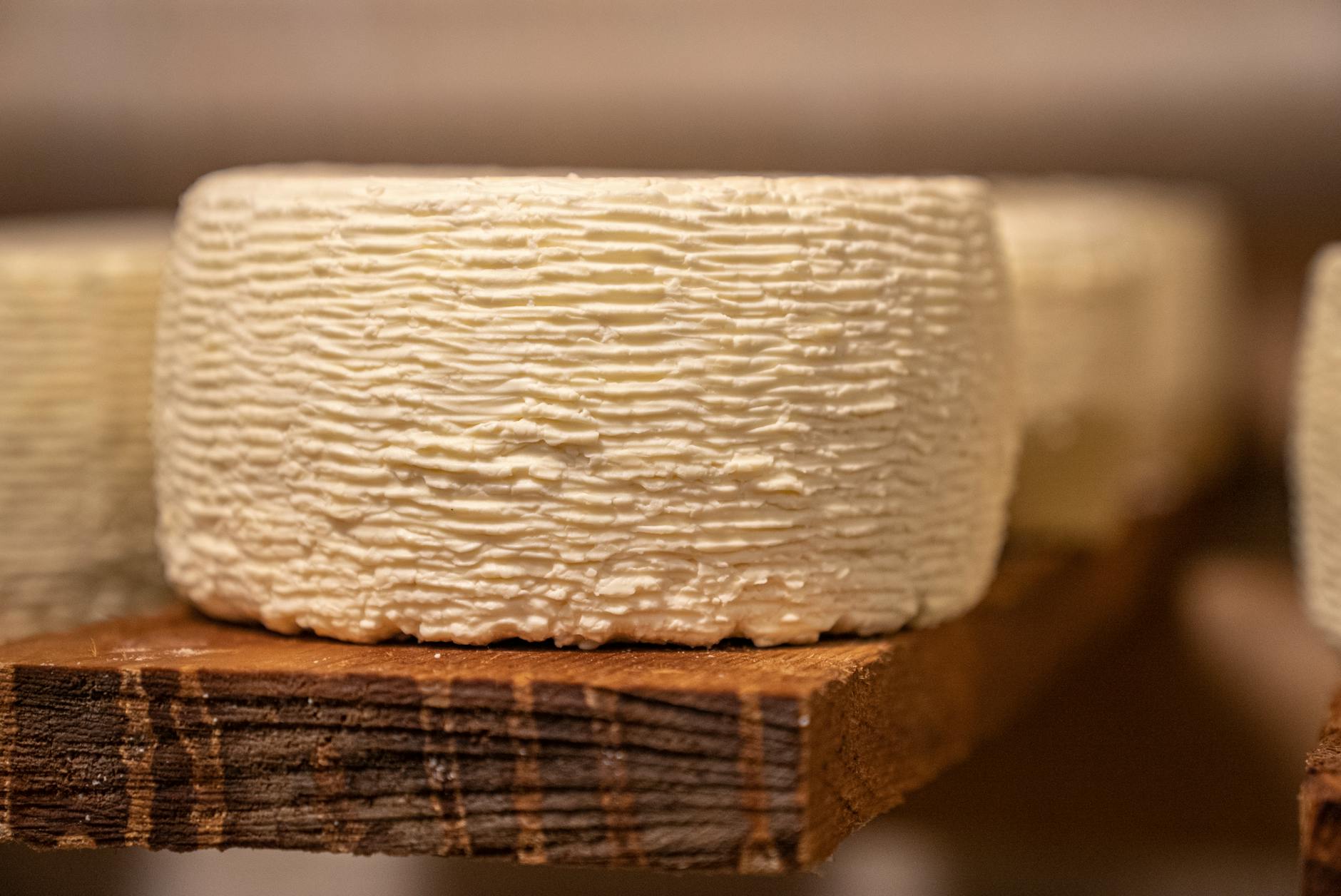
Soft cheeses like ricotta, brie, or cottage cheese don’t hold up.
They become watery, crumbly, and lose their creamy texture after thawing. These are best enjoyed fresh.
Cucumbers
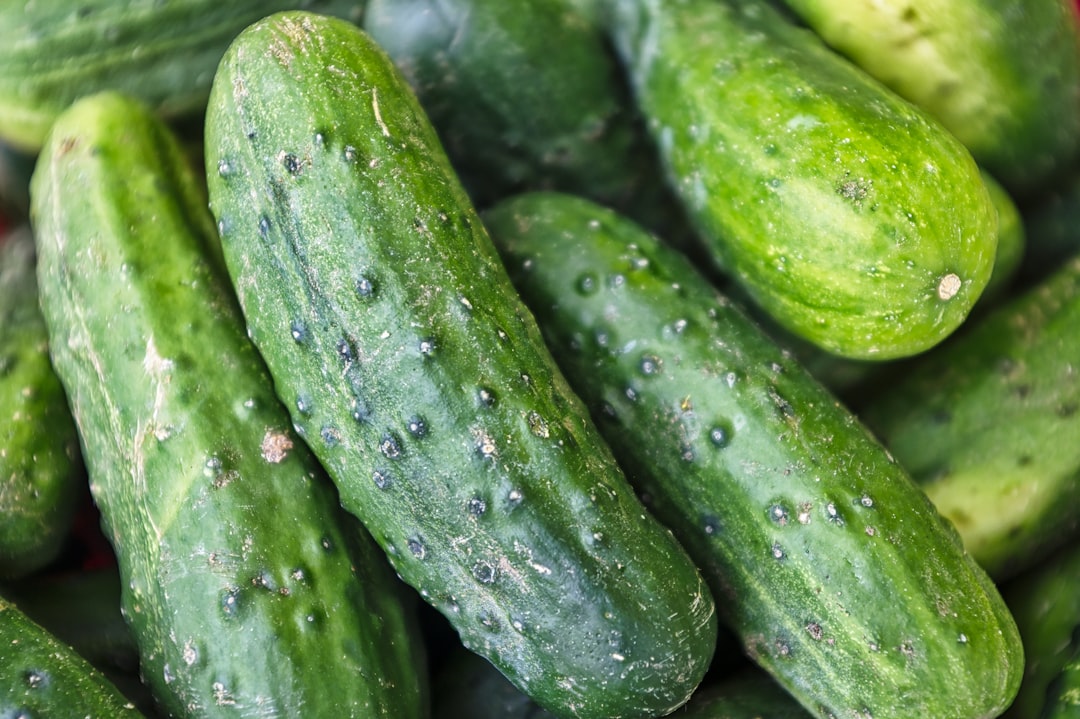
Almost all water—and that’s the problem.
Freezing turns cucumbers into a limp, mushy mess with little flavor left. Definitely not something you’ll want in a salad later.
Cream-Based Sauces
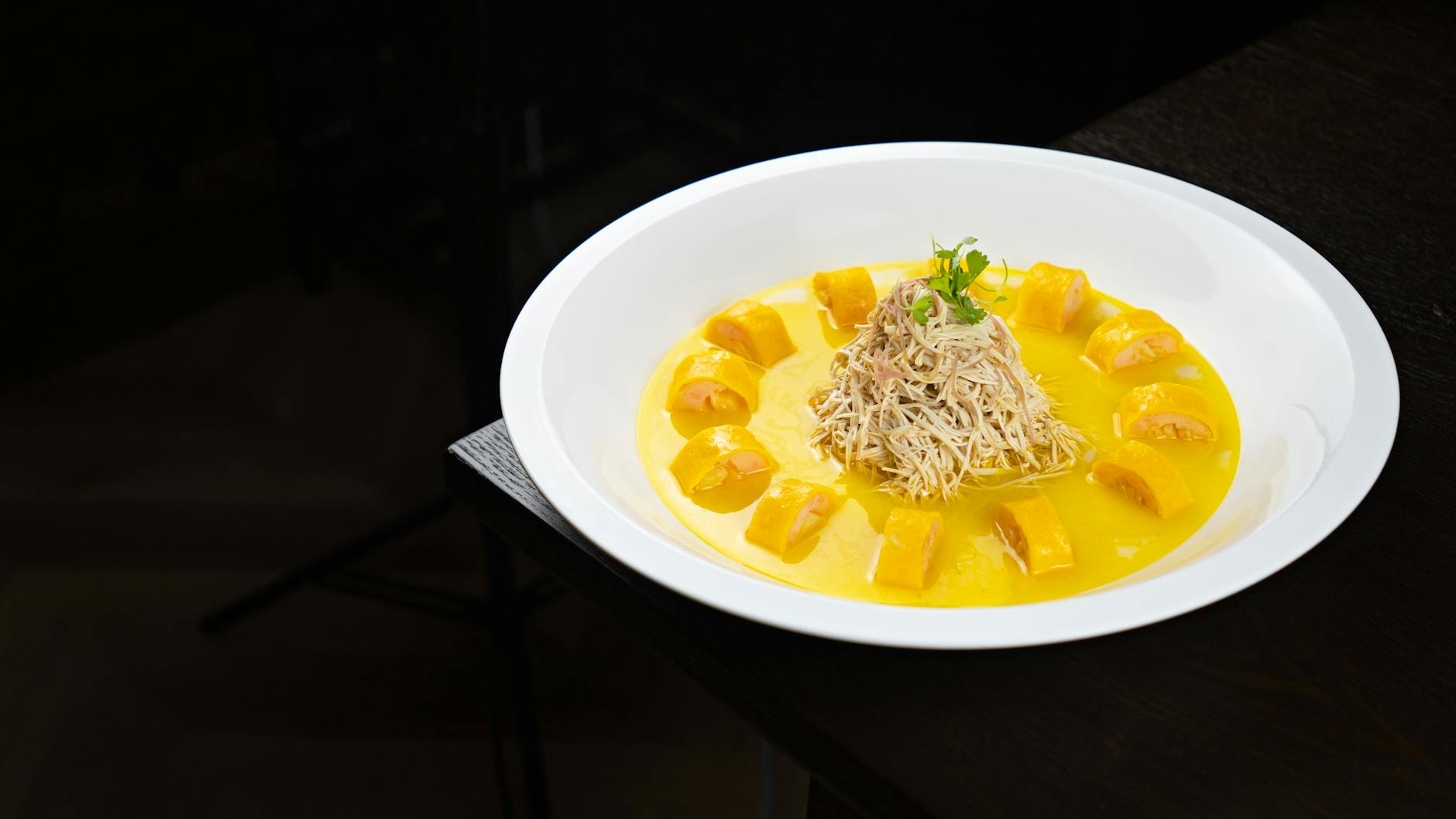
These tend to break apart in the freezer.
After thawing, you’re left with a separated, oily, and watery sauce that won’t come back together smoothly.
Watermelon
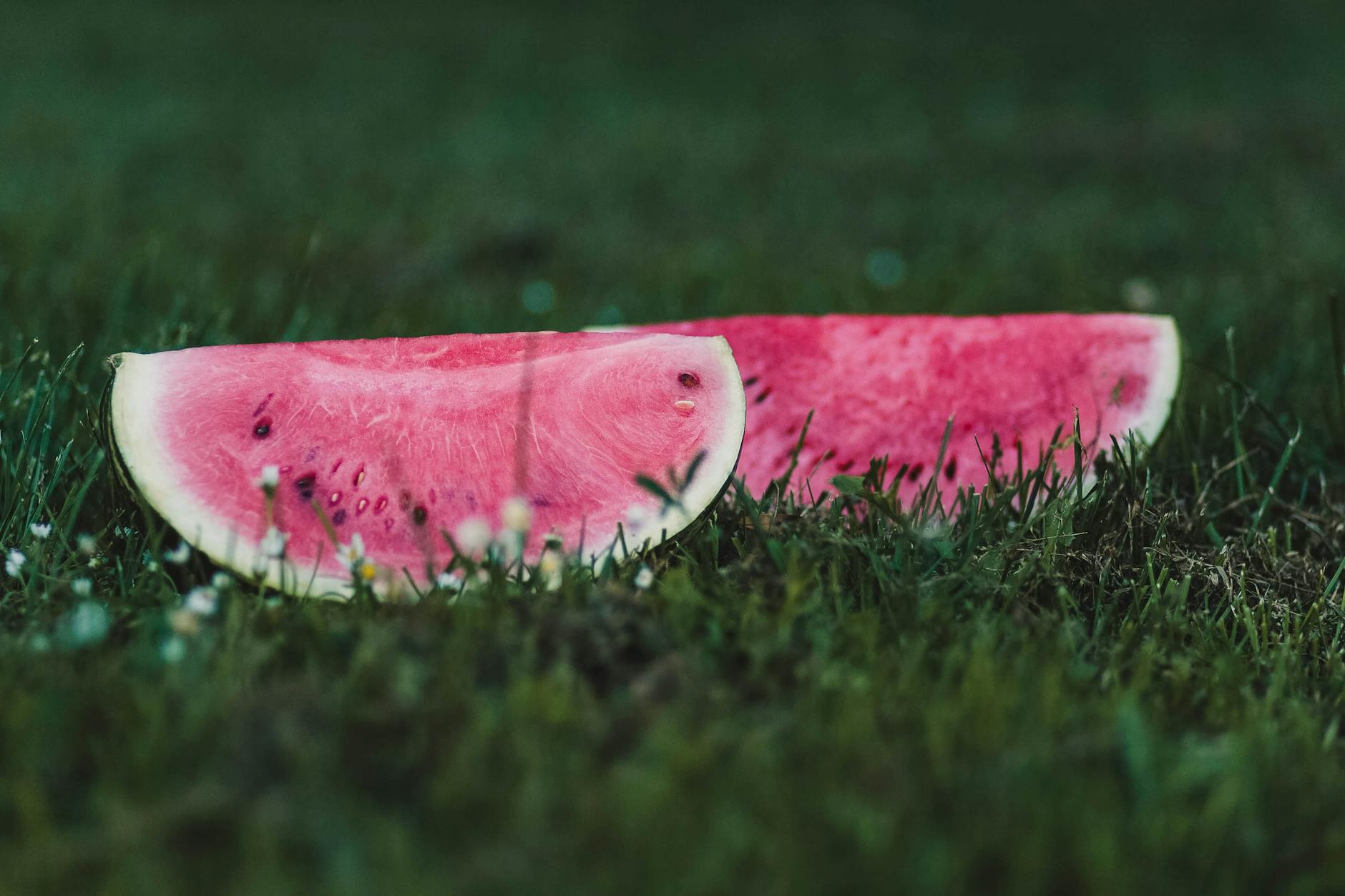
Juicy and refreshing… until it’s frozen.
Once thawed, watermelon becomes soft, soggy, and loses its structure completely. It’s really only useful for smoothies at that point.
Lettuce
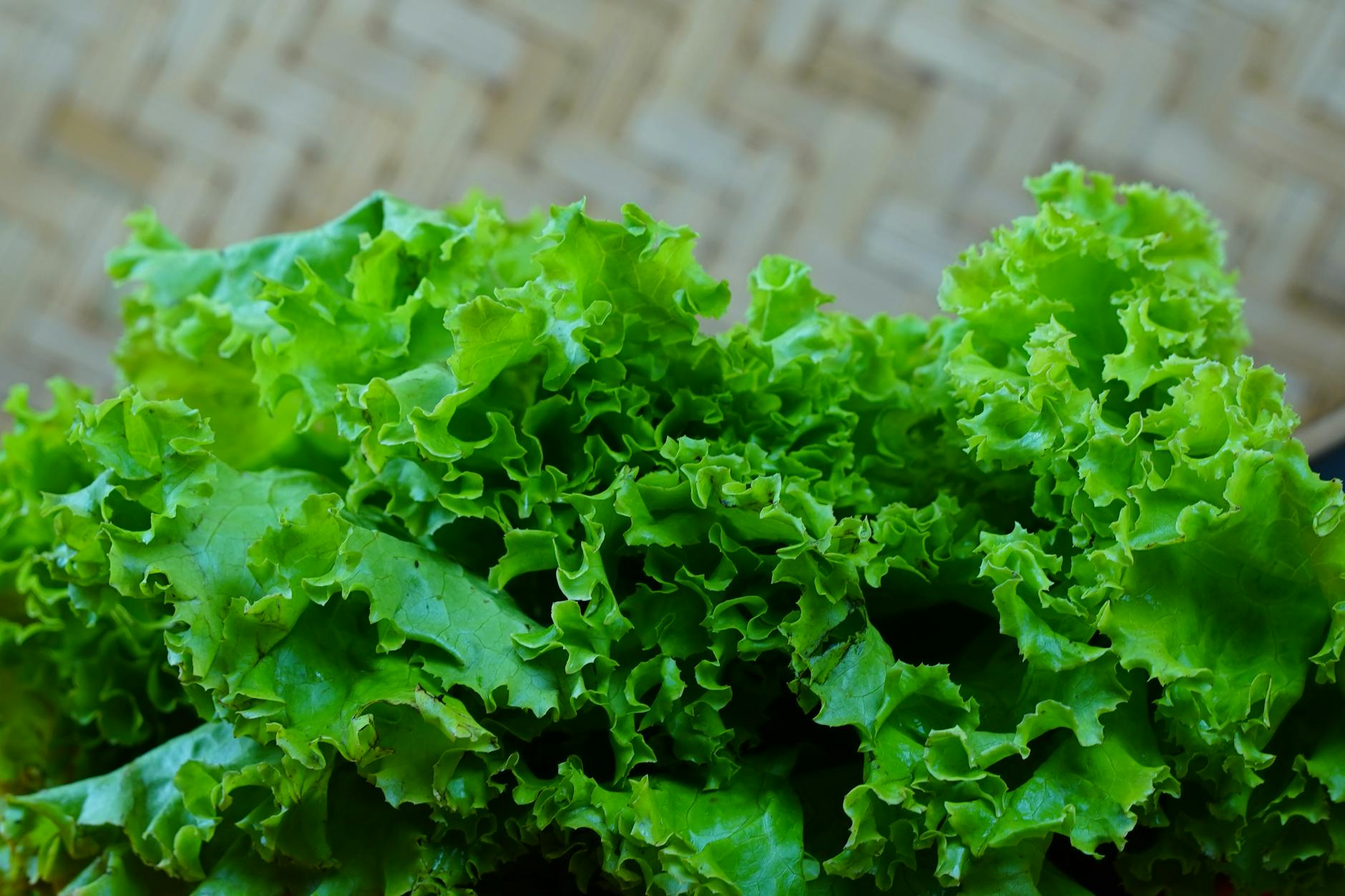
Freezing destroys the structure of leafy greens.
They come out dark, wilted, and slimy—basically unusable for anything fresh.
Yogurt
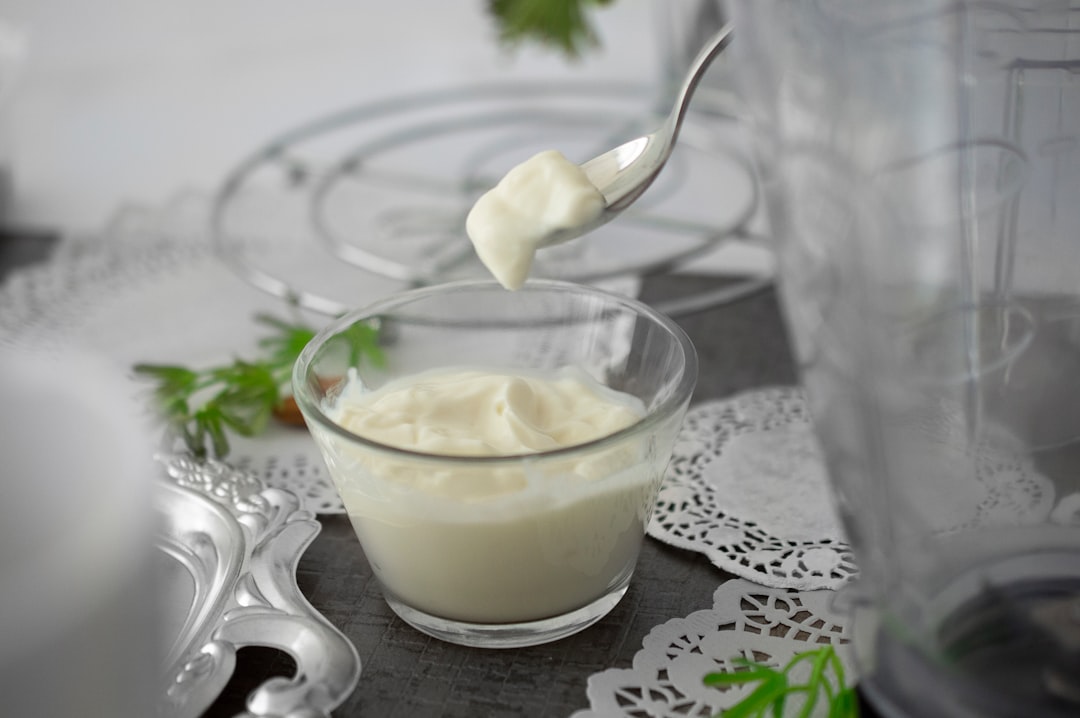
The texture just doesn’t hold up.
Freezing causes yogurt to separate into liquid and solids, leaving it grainy and unpleasant to eat.
Raw Potatoes
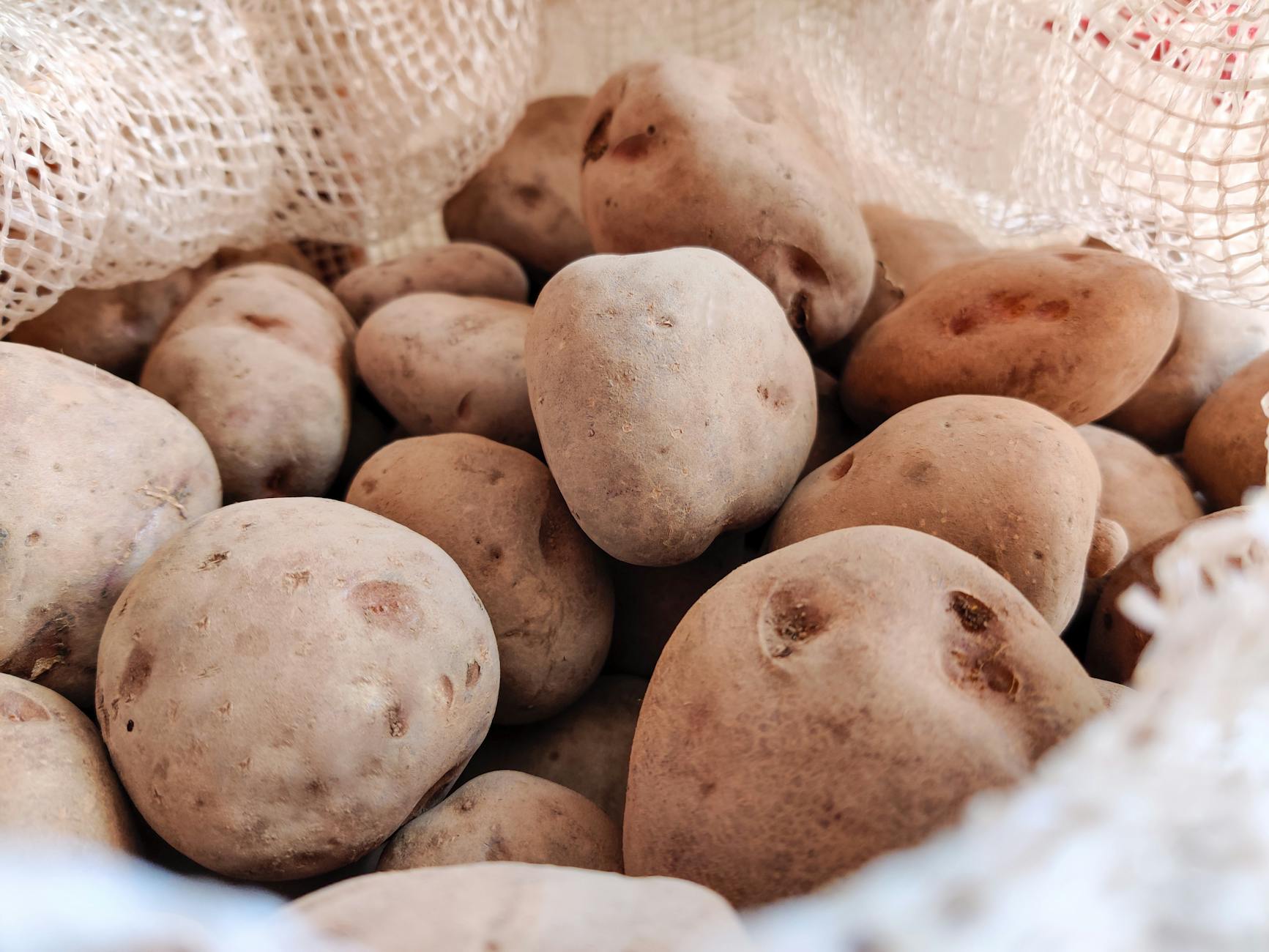
Raw potatoes don’t freeze well at all.
They turn grainy, dark, and mealy after thawing, making them difficult to cook properly.
Carbonated Drinks
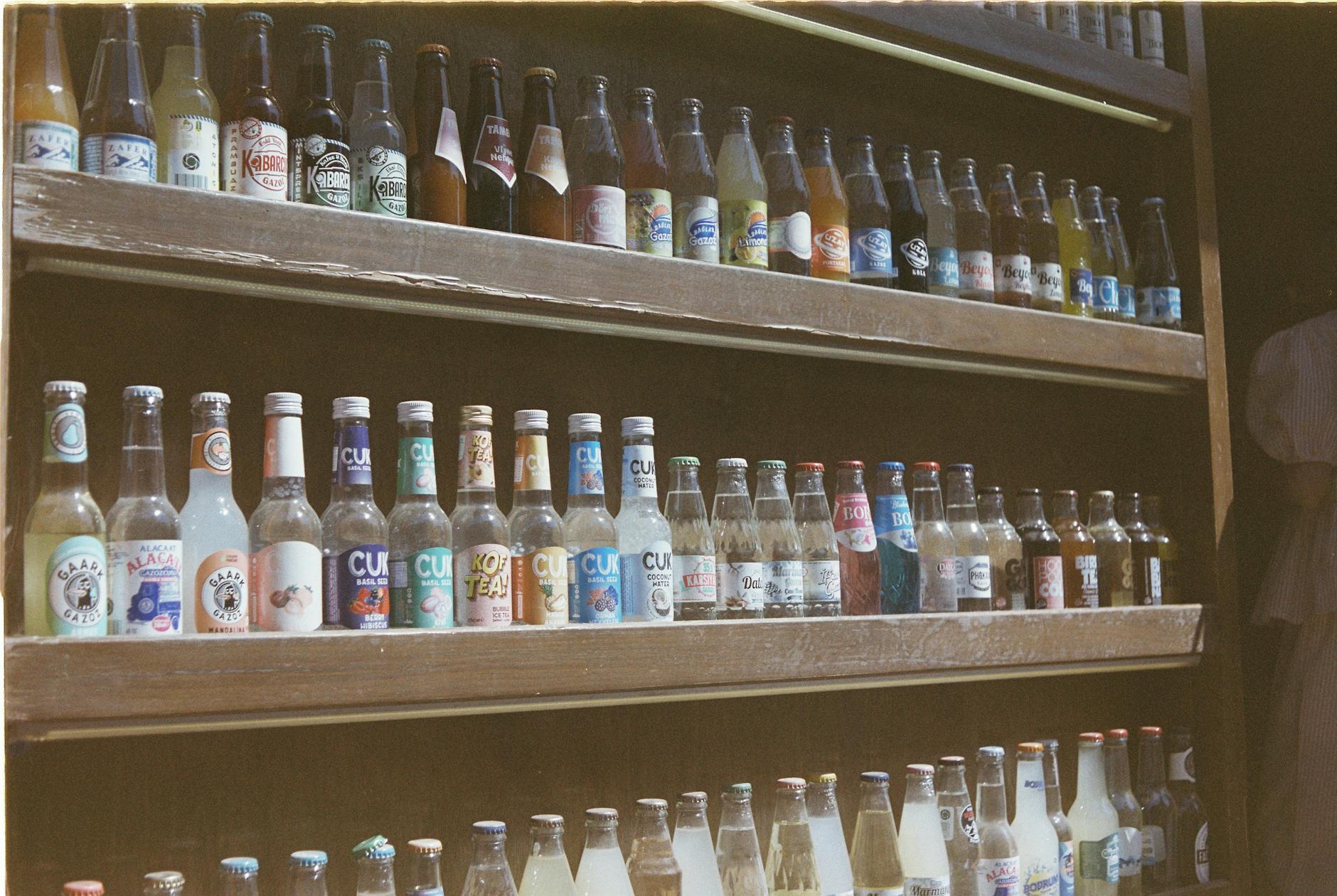
This one can actually be dangerous.
As the liquid freezes, it expands and can cause cans or bottles to burst—leaving a sticky mess all over your freezer.
Garlic
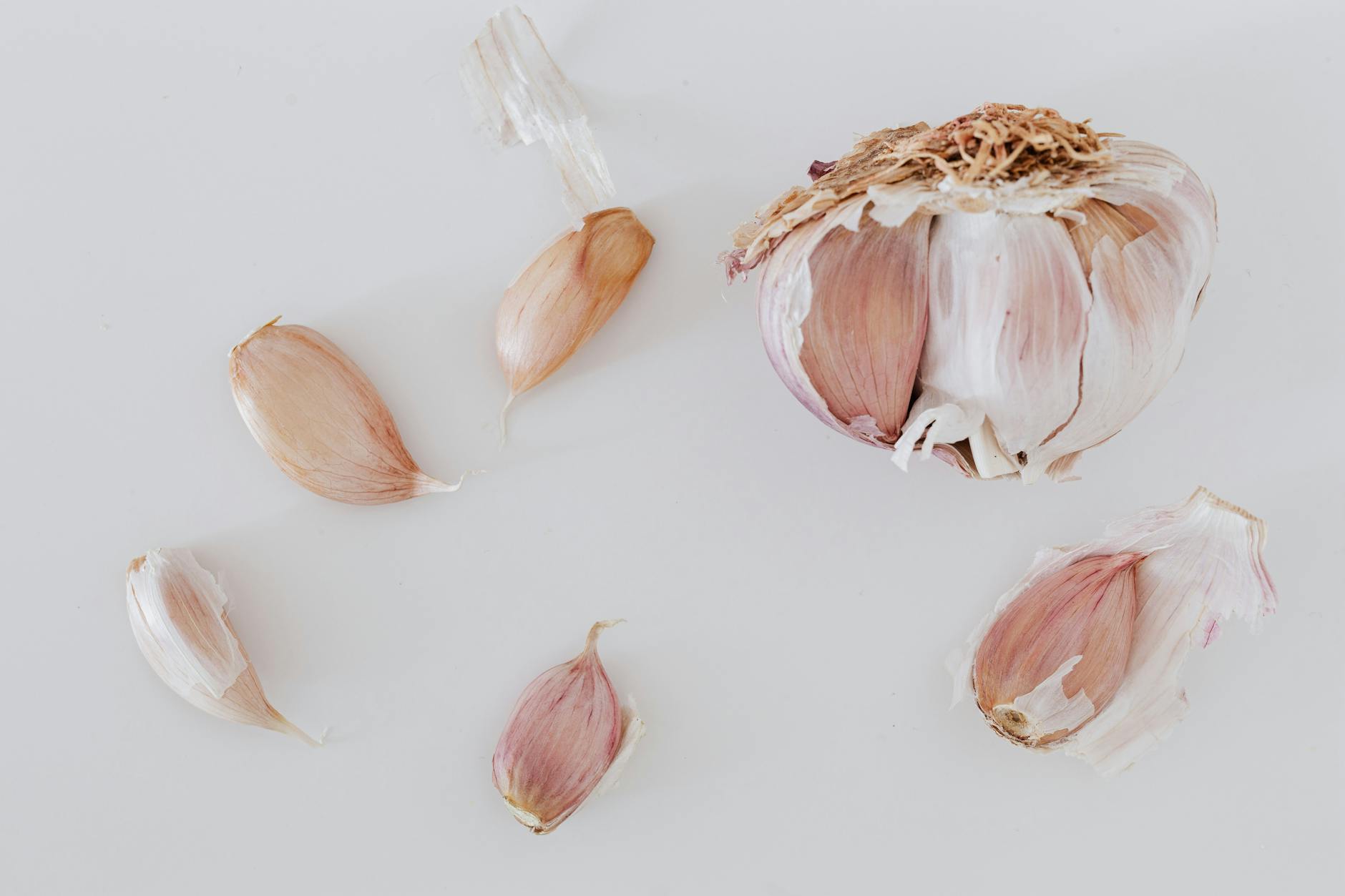
Freezing changes both texture and flavor.
It becomes softer and loses some of its punch, making it less effective in cooking.
Fried Foods
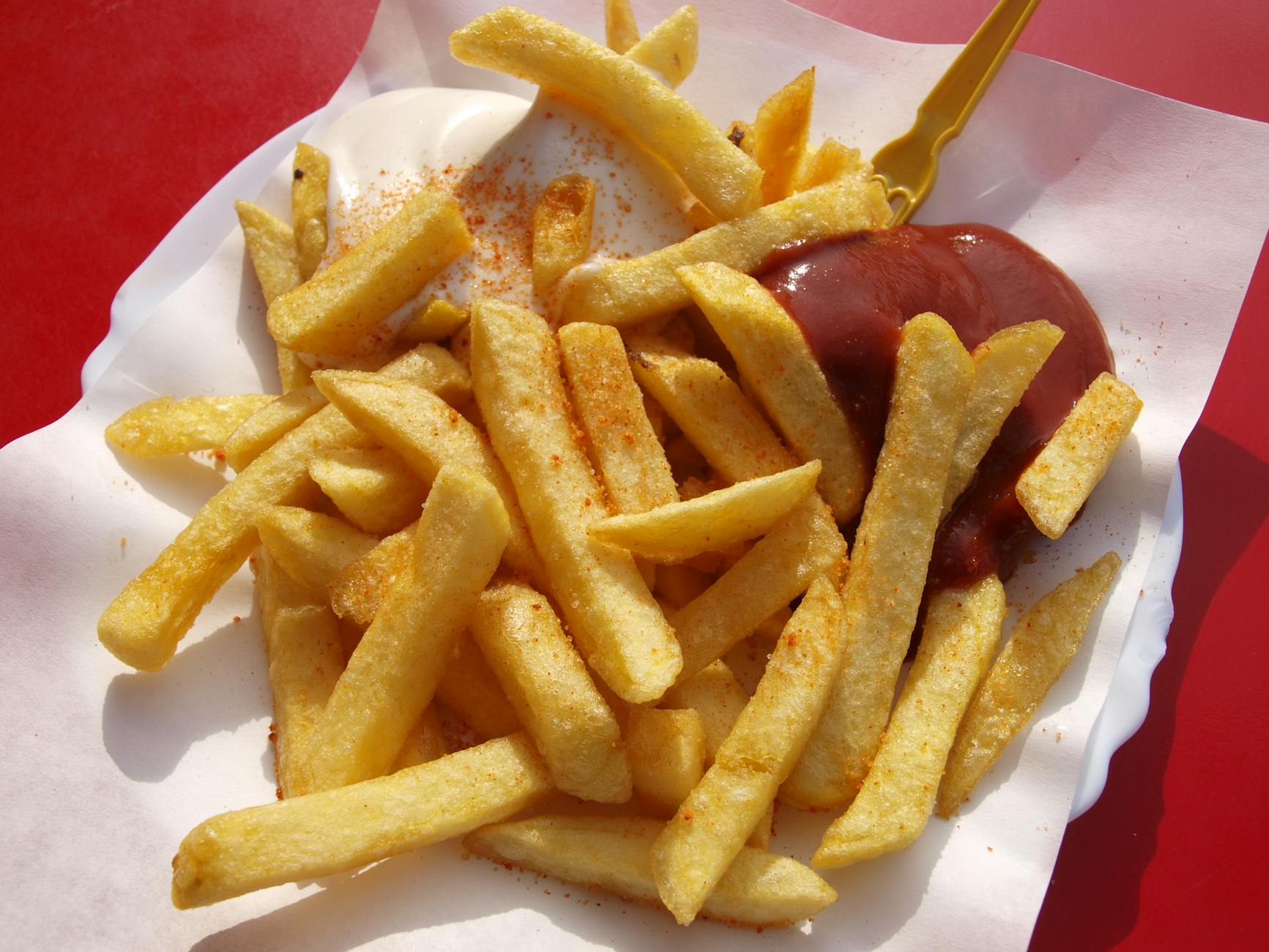
That crispy texture? Gone.
Freezing turns fried foods soggy and greasy, and reheating won’t bring back that crunch.
Sour Cream
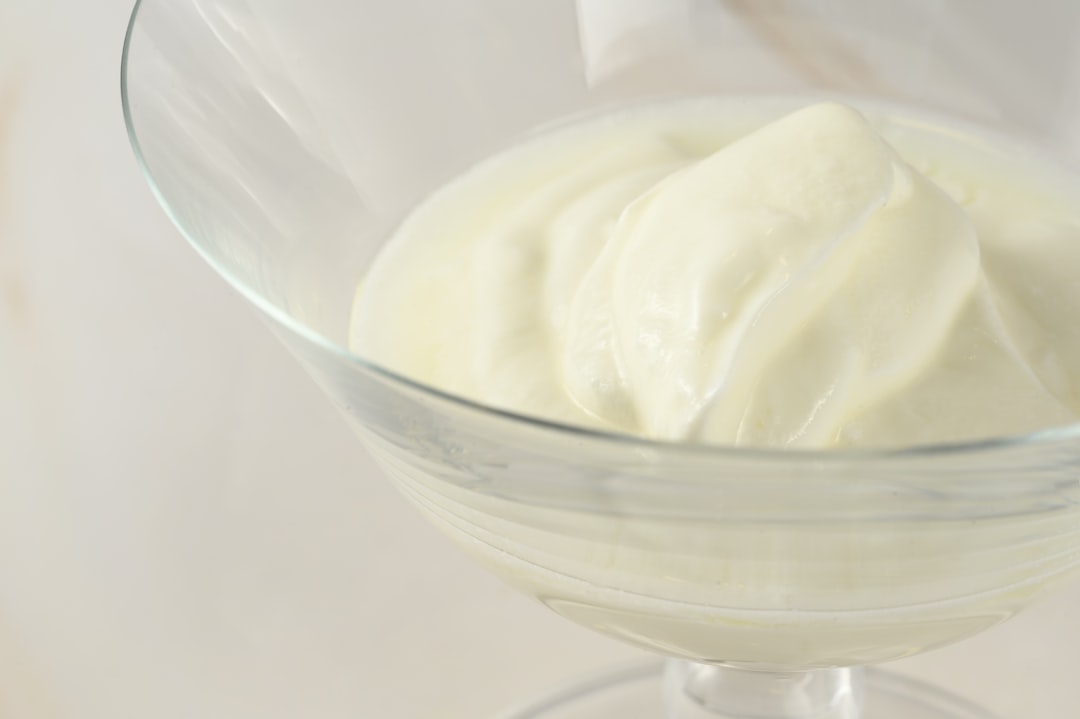
Another dairy product that separates.
Once thawed, it becomes watery and clumpy, losing its smooth consistency.
Cooked Pasta
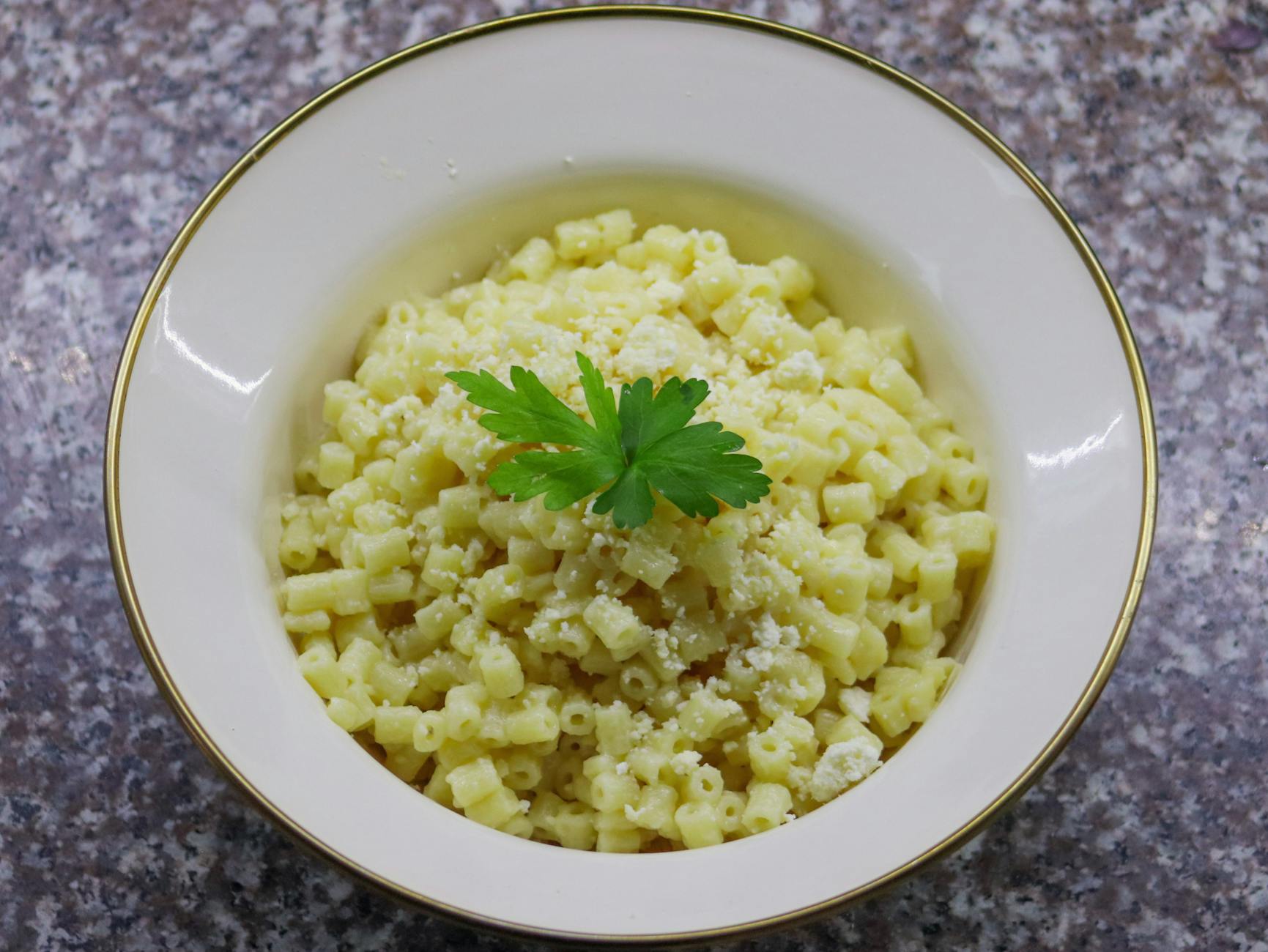
It sounds convenient—but it rarely works well.
Frozen pasta tends to become overly soft and sticky when reheated.
Cream Cheese
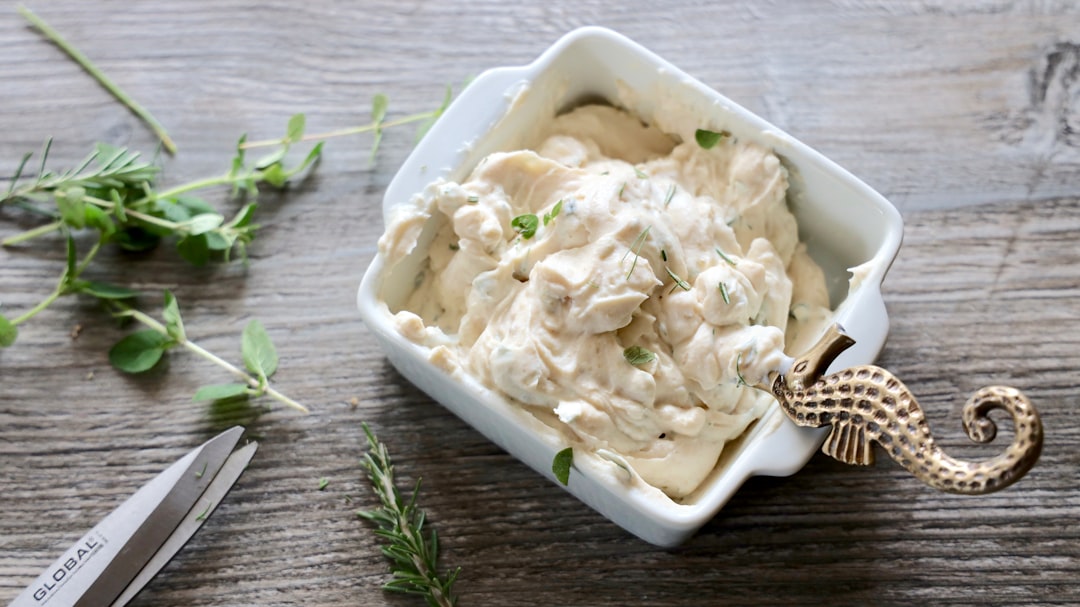
Freezing ruins its texture.
It becomes crumbly and grainy, losing that smooth, spreadable consistency.
Salad Dressing
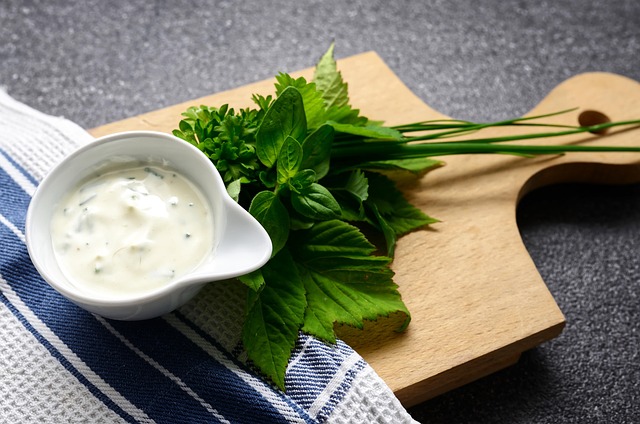
Most dressings don’t survive freezing.
They separate and lose their balance, especially creamy varieties like ranch or Caesar.
Radishes
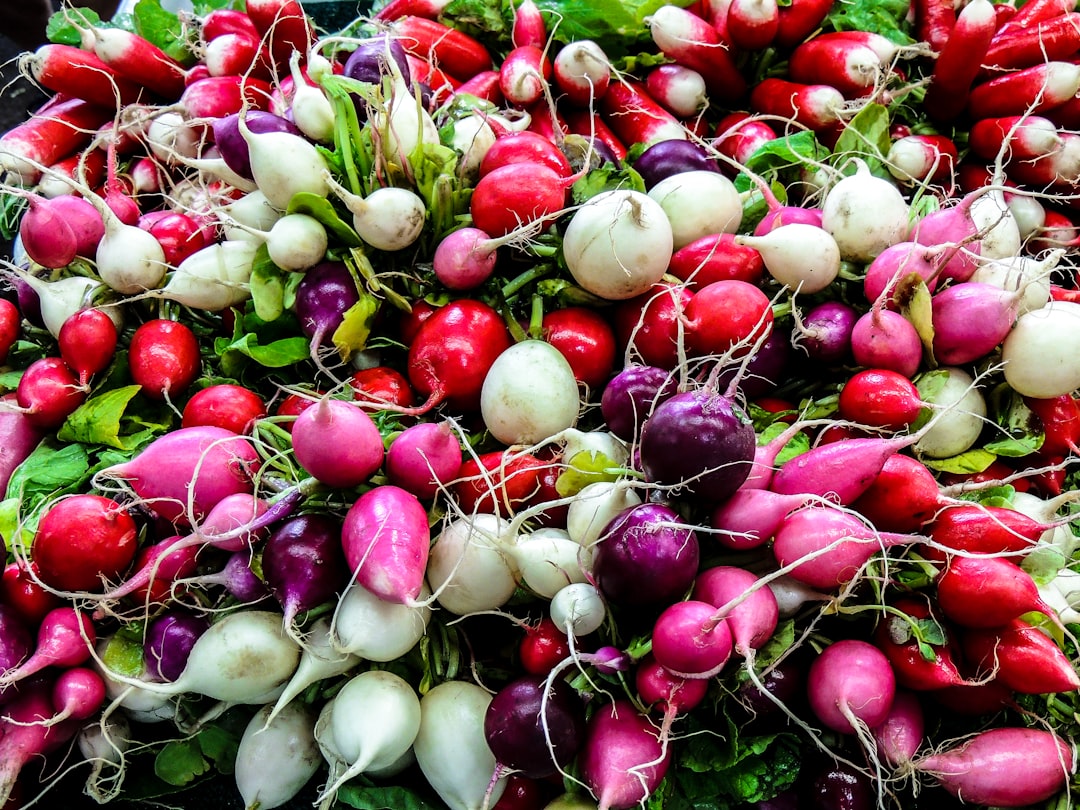
Known for their crunch—but freezing takes that away.
They turn soft, bland, and unappealing after thawing.
Custard
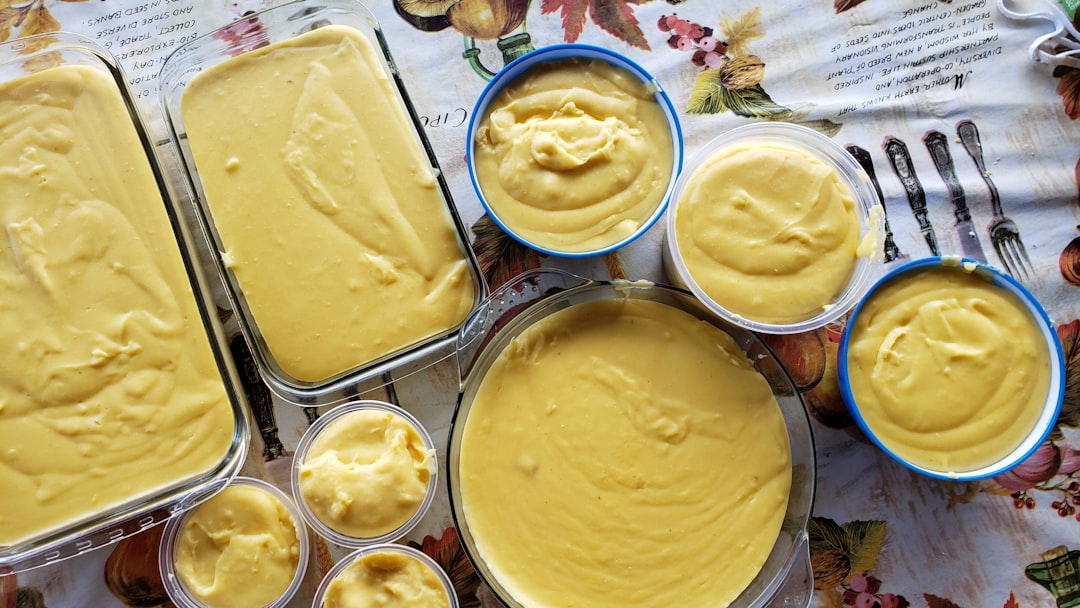
Delicate and definitely not freezer-friendly.
Freezing breaks the structure, leaving it grainy and curdled.
Jam
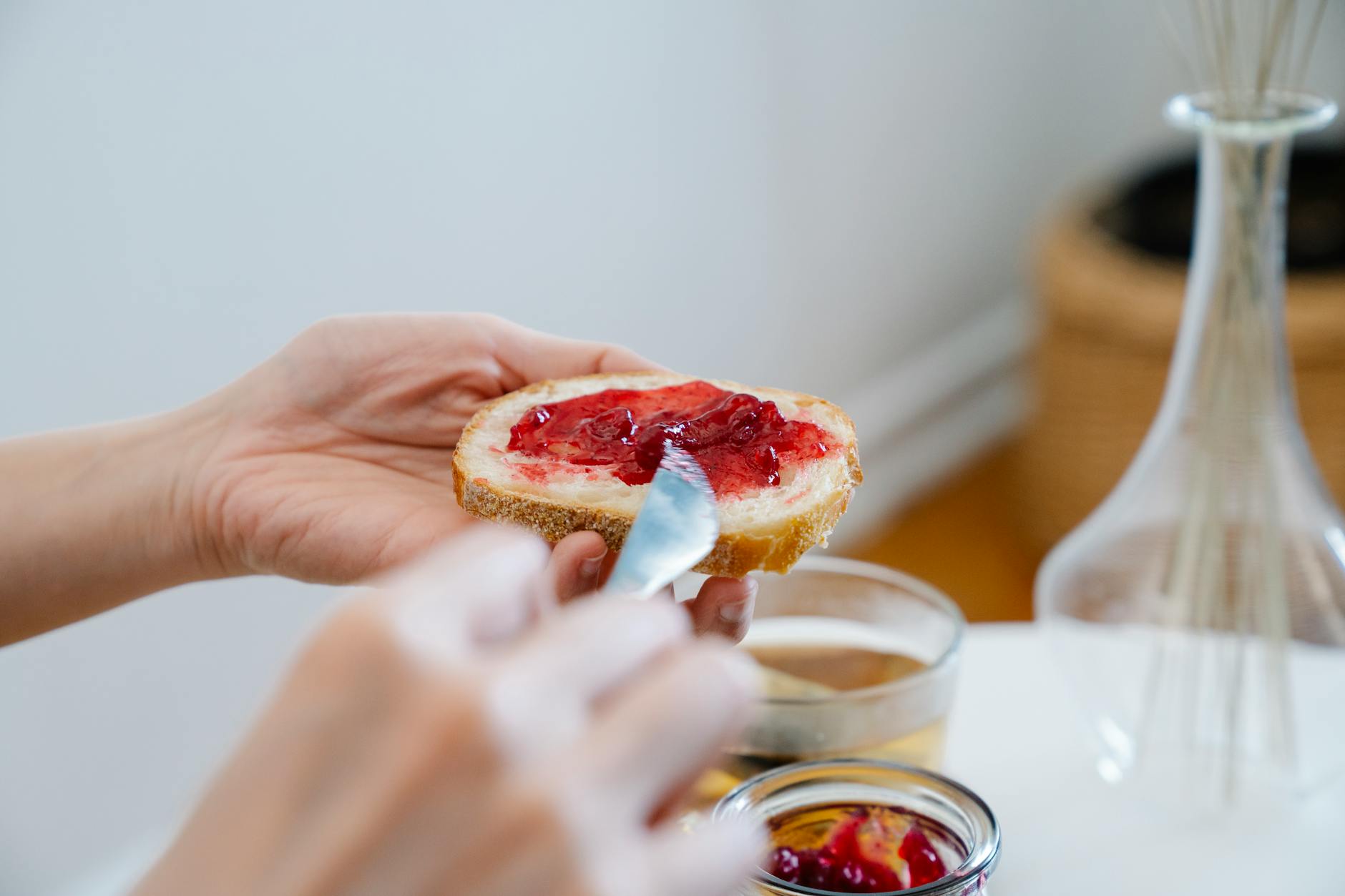
Homemade versions can struggle in the freezer.
They may turn runny or develop a gritty texture after thawing.
Cooked Rice
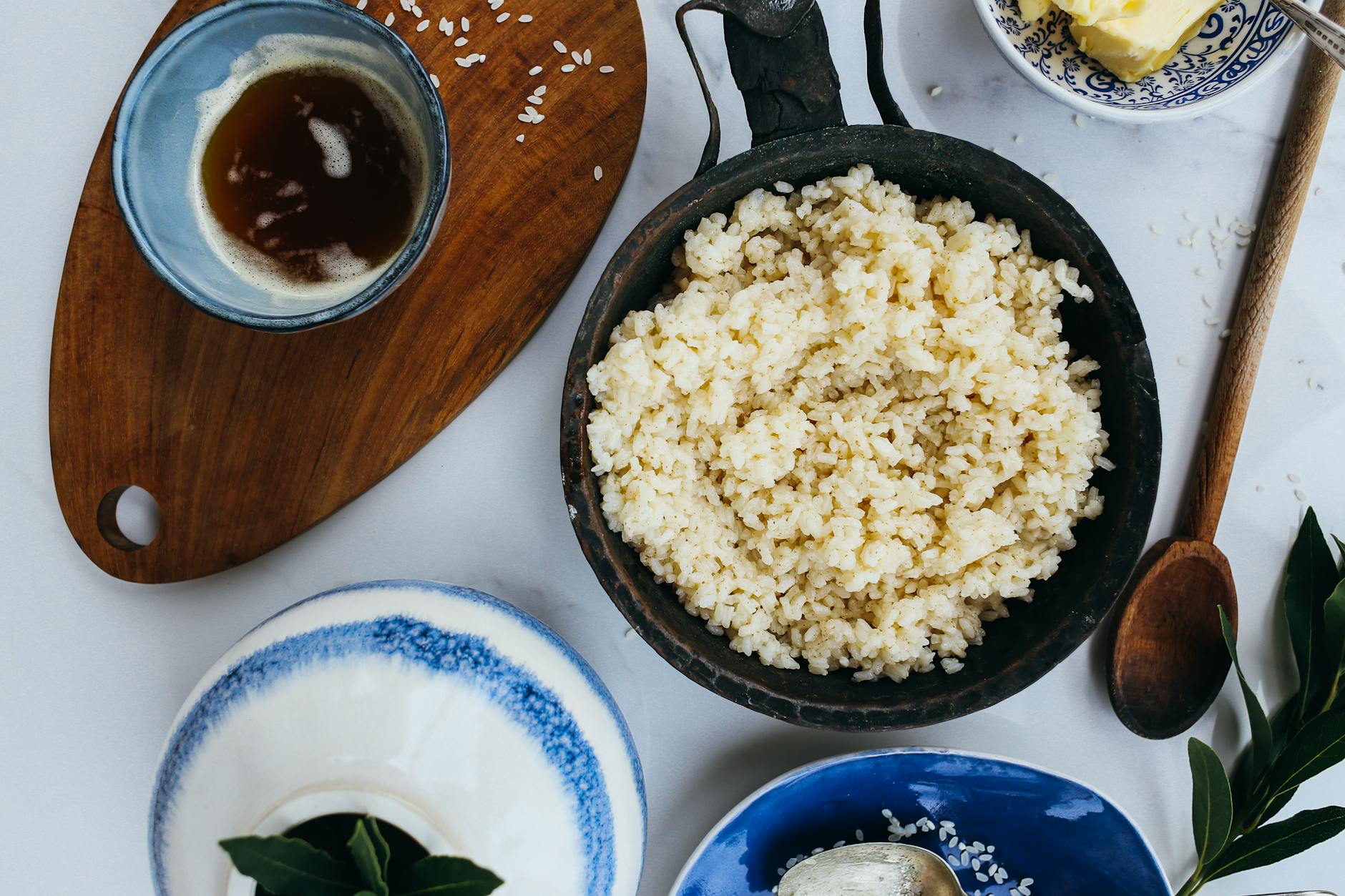
This one is more about safety.
If not cooled and stored properly before freezing, rice can carry bacteria that freezing won’t eliminate.
Bananas
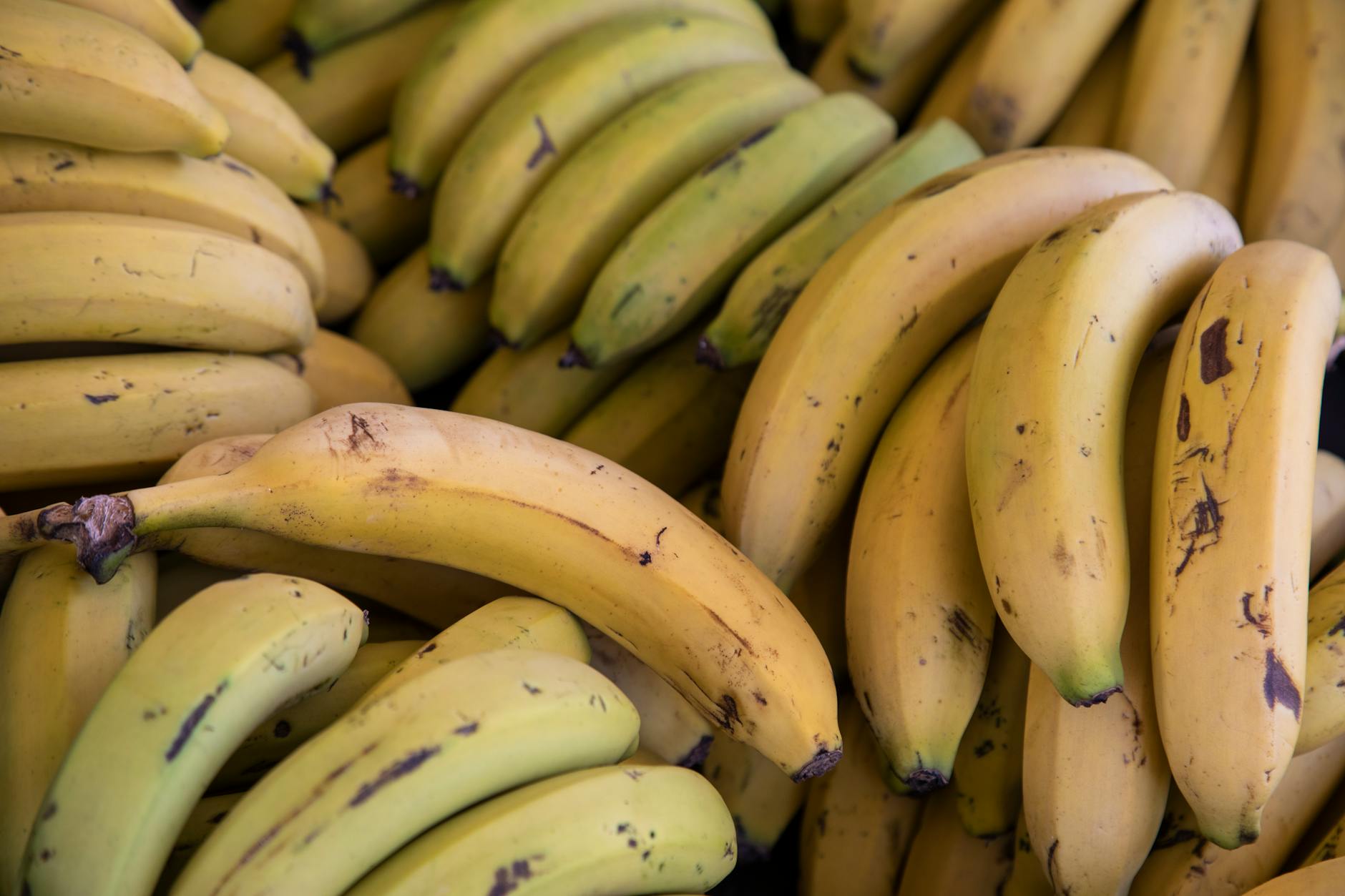
Throwing whole bananas in the freezer doesn’t work well.
The peel turns black, and the inside becomes mushy. If you want to freeze them, peel and slice first.
Tomatoes
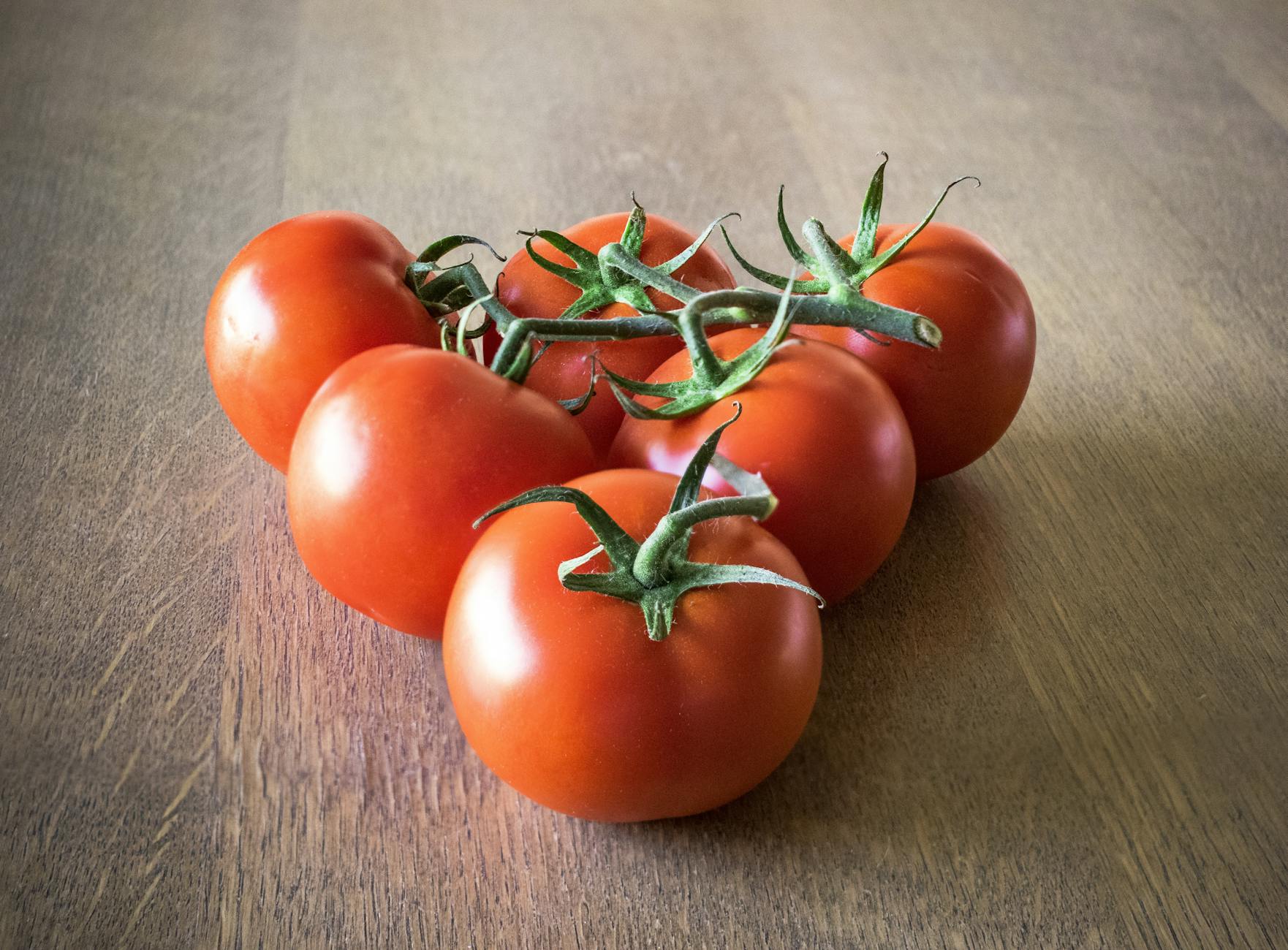
Freezing changes everything about them.
They become watery and mushy, making them unusable for fresh dishes.