Traditional Veggies That Sustained Us Through Hardships

Throughout history, some vegetables have been more than just food — they were reliable staples during hard seasons when other ingredients were scarce. These hardy, nutrient-dense plants were often easy to grow, store well, and could be used in many different dishes, making them kitchen heroes in lean times. Learning how to prepare and appreciate them not only reconnects us to culinary tradition but also reminds us of the resourcefulness people used to nourish their families.
Chicory Root: Bitter and Brilliant
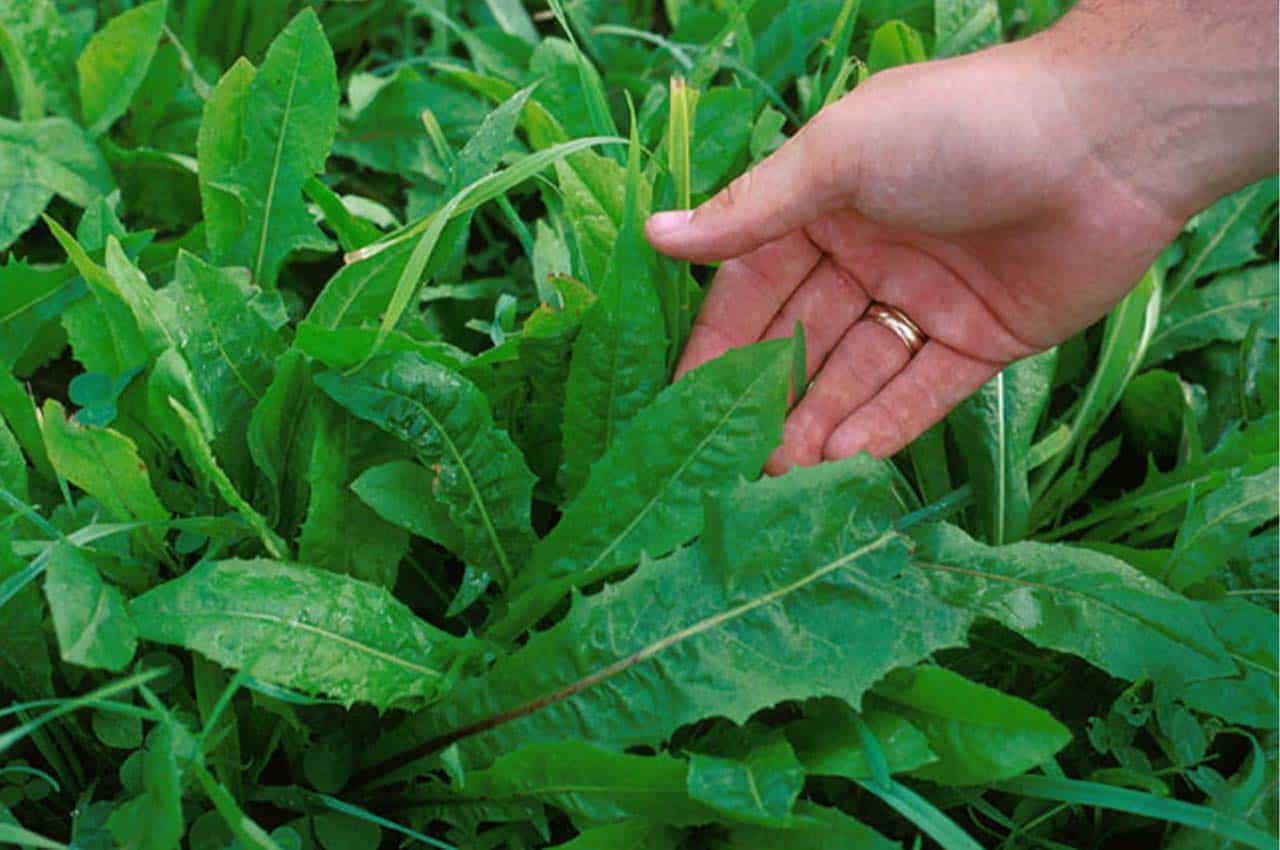
Chicory root brings a bold, slightly bitter note to meals and was once relied on as both a vegetable and a coffee substitute. Its robust flavor shines in salads when thinly sliced, and slow-roasting mellowed its bitterness in soups or braised dishes. When ground or brewed, chicory offers a warm, earthy coffee-like drink that sustained many when real coffee was hard to come by. Learning to balance its bitterness with sweet or savory ingredients enhances its versatility in traditional cooking.
Ground Cherries: The Hidden Gem Fruit

Ground cherries are small, sweet-tart fruits encased in papery husks that resemble tiny tomatillos. They offer unique flavor notes of pineapple and vanilla, making them versatile in both sweet and savory applications. Simmer them into chutney with onions, ginger, and vinegar for a tangy condiment, or incorporate them into pies for a burst of juicy flavor. Their interesting profile and adaptability made ground cherries a beloved ingredient that added variety and nutrition to meals when other fruits weren’t available.
Yardlong Beans: Endless Green Goodness

Yardlong beans are a long, slender legume prized for their tender bite and adaptability. Blanching or steaming them briefly helps maintain their vibrant green color and crisp texture, and a quick sauté with garlic and chili adds bold flavor. In tougher times, they were often incorporated into stews, soups, or simple sautés, absorbing the seasonings around them while providing a dependable source of plant-based nutrients. Their ability to grow prolifically also made them a garden favorite.
Amaranth: Ancient Powerhouse Plant
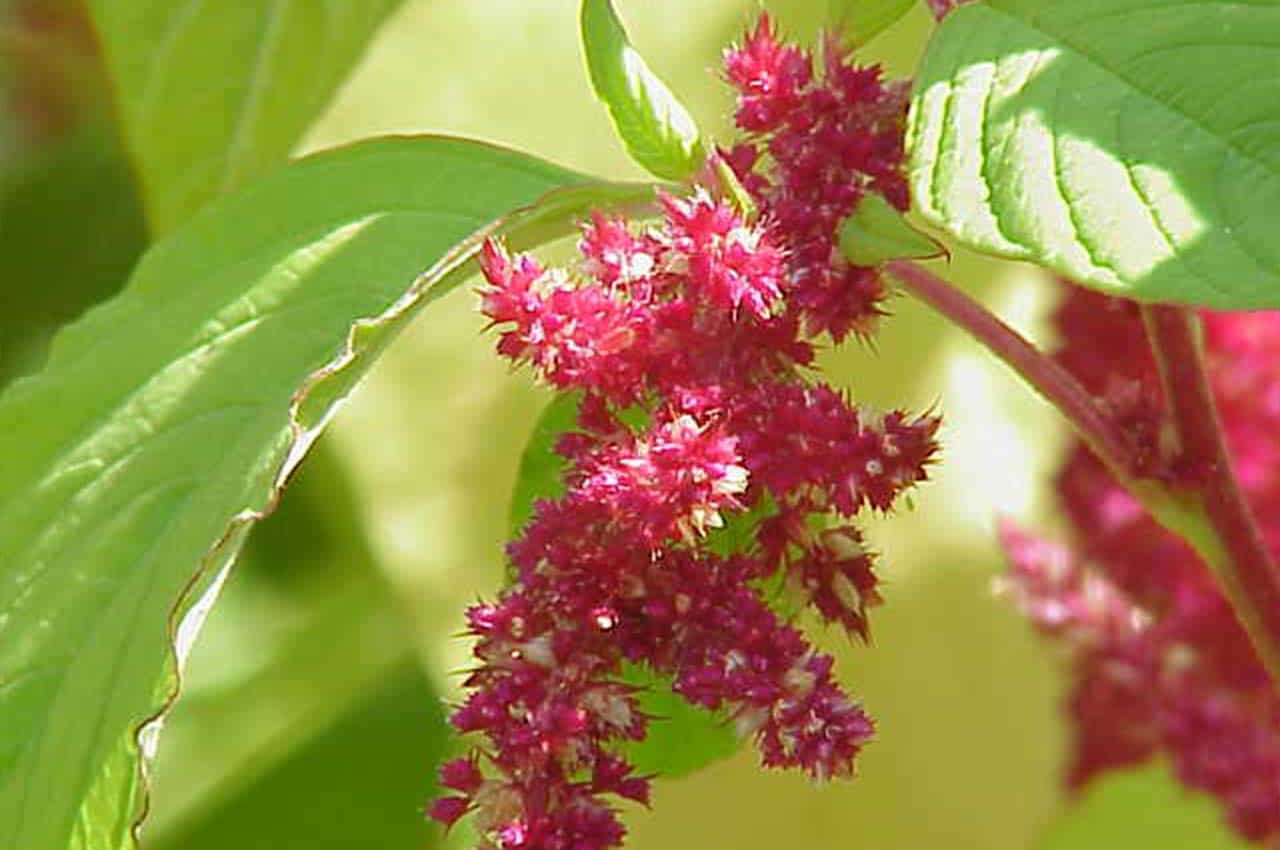
Amaranth is an ancient plant valued for both its tiny grains and nutrient-rich leaves. The grains can be boiled into a warm, porridge-like base, while the leaves — full of vitamins and fiber — sautéed with garlic and olive oil make a flavorful side. In tough times, amaranth’s resilience in varying climates made it a reliable crop, and its dual use as a grain and green meant it could stretch meals further. Blending its earthy taste into stews and salads brought texture, substance, and sustenance.
Parsnips: The Sweet Root Savior

Parsnips are sweet, earthy root vegetables that became indispensable when other crops failed. Their natural sugars deepen with roasting, turning them into a caramelized side that pairs beautifully with roasted meats, grains, or stews. Choose firm, medium-sized parsnips for even cooking, peel and slice them into sticks or rounds, then toss with olive oil and herbs before roasting until tender. Besides their rich flavor, parsnips provide fiber, vitamins, and a satisfying texture in dishes when other options were limited.
Stinging Nettle: Prickly but Nutritious
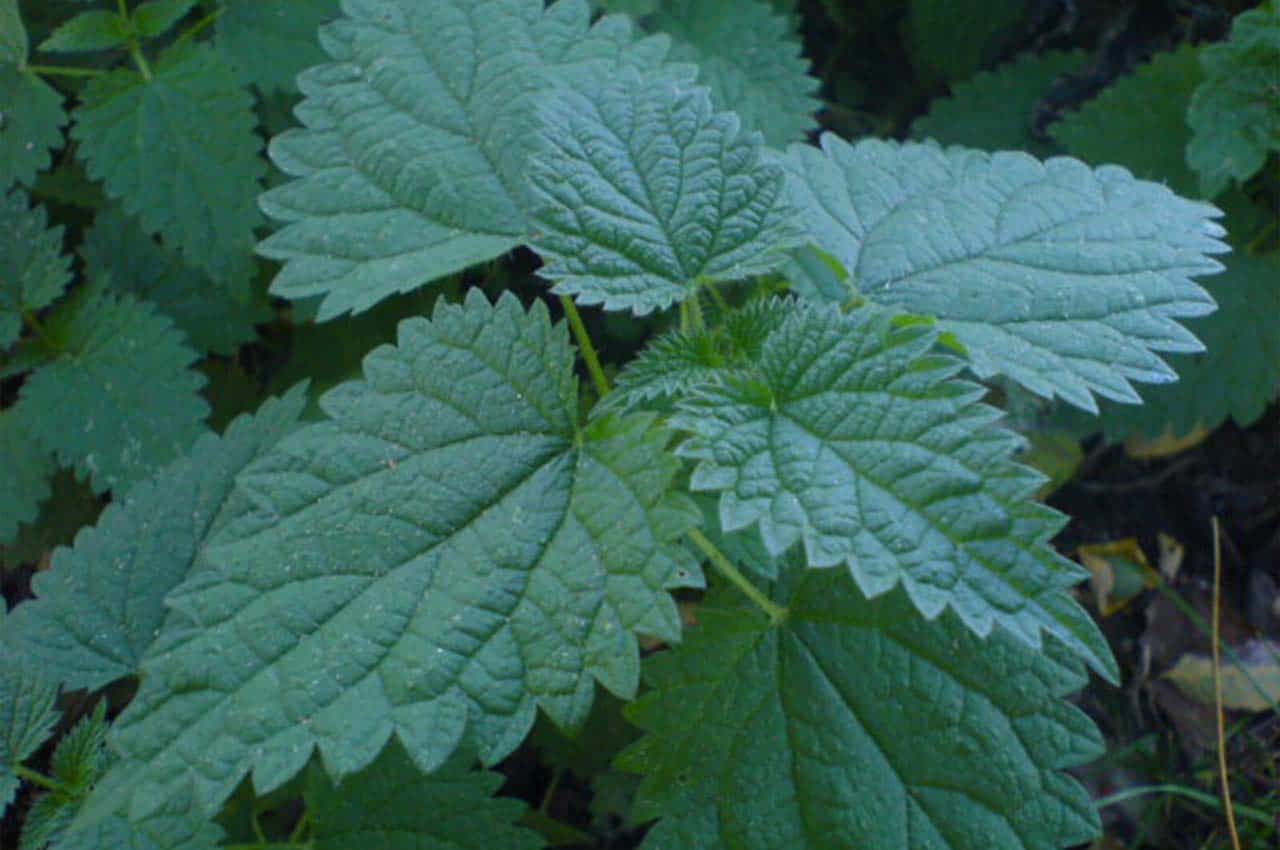
Though they require careful handling, stinging nettles are rich in vitamins like A and C and minerals such as iron, which made them an important wild green historically. After blanching or soaking to neutralize their sting, nettle leaves take on a spinach-like flavor, making them excellent in soups, pestos, and sautés. Incorporating nettles into recipes added both nutrition and depth of flavor, turning a once intimidating plant into a highly valuable ingredient.
Egyptian Walking Onions: Perennial Provider
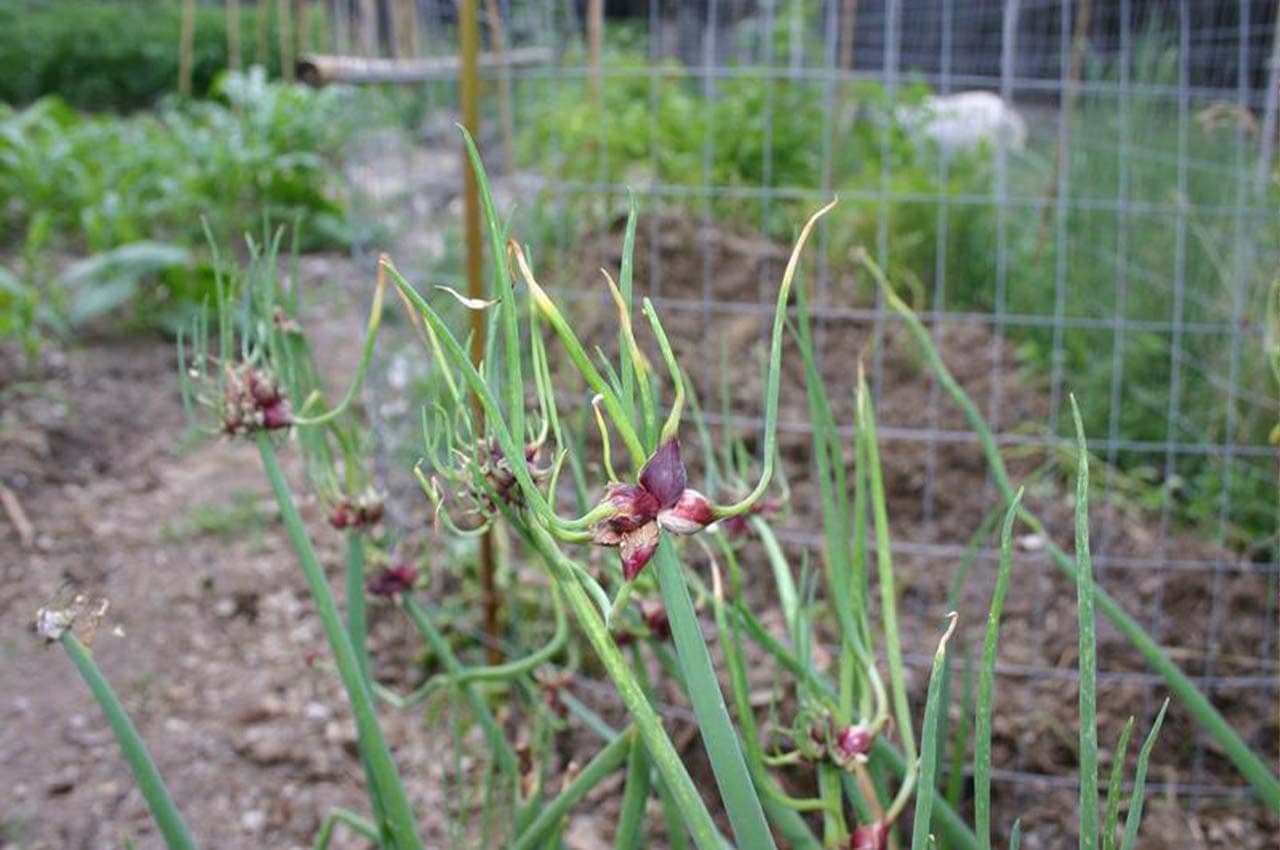
Egyptian walking onions are unique, self-propagating alliums that were treasured for their continual production and hardy nature. Their bulbs resemble a milder shallot, offering a sweet-sharp flavor ideal in soups, casseroles, and sautés, while the green tops can be chopped into salads or used as mild scallion substitutes. Because they reseed themselves and come back year after year, they became a sustainable garden staple that families could depend on through challenging seasons.
Skirret: Sweet and Starchy Delight
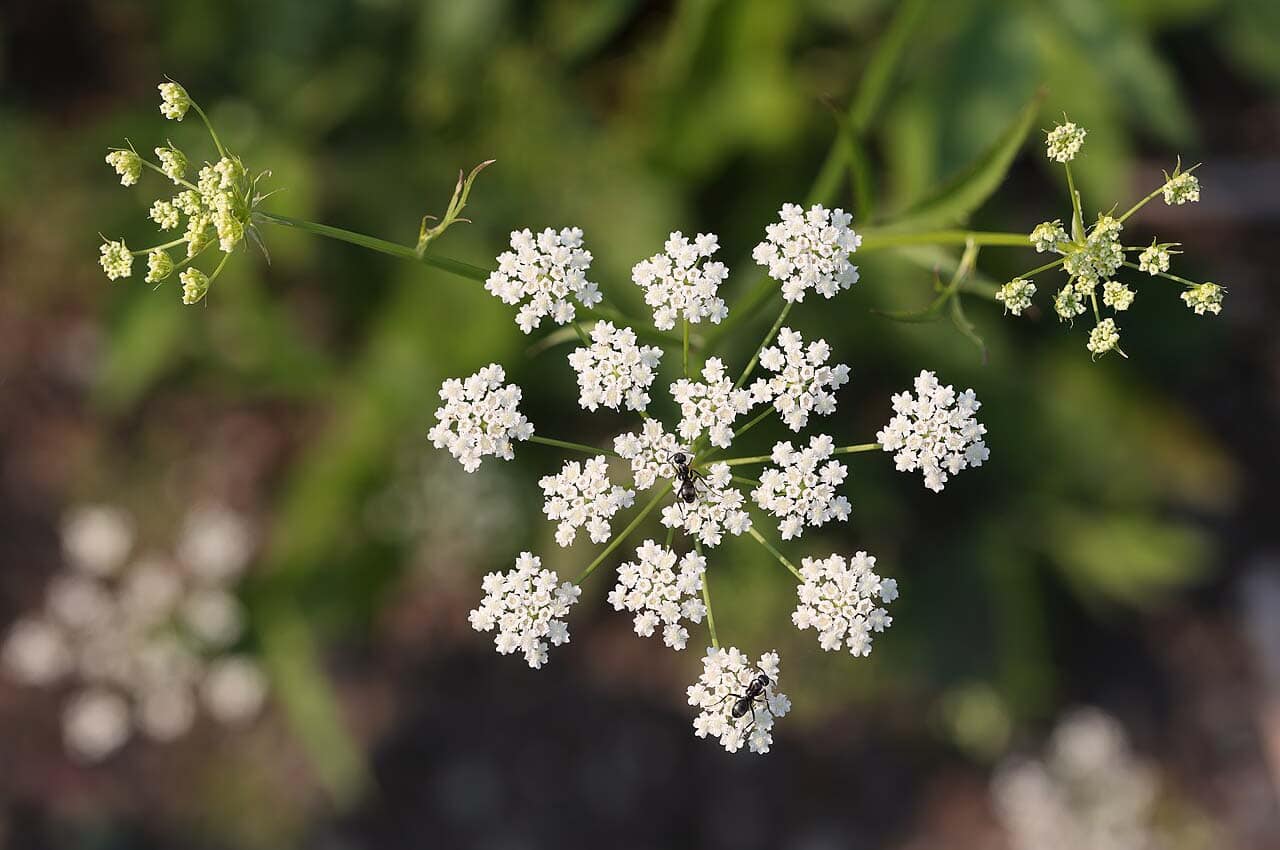
Skirret’s sweet, starchy roots made it a notable old-school crop when more common vegetables were hard to come by. These slender roots can be boiled until tender and mashed with a bit of butter and nutmeg for a subtly sweet side, or roasted until golden for a crisp alternative. Its high fiber and vitamin content provided essential nourishment, and its naturally appealing flavor helped elevate simple meals, making it a delightful, often overlooked vegetable in historic kitchens.
Scorzonera: Salsify’s Secluded Sibling

Often called black salsify, scorzonera is a root vegetable known for its subtle, oyster-like flavor that becomes even more nuanced when cooked. Peel the roots carefully and steam or blanch before sautéing with butter to bring out their delicate taste. Pairing them with bright ingredients like lemon and parsley adds balance to their earthy profile. Rich in fiber and iron, scorzonera was a valued ingredient that brought both texture and nutrition to traditional winter dishes.
Rutabaga: Turnip’s Robust Cousin

Rutabagas are hearty root vegetables that sustained many through cold months when fresh produce was otherwise scarce. Their firm texture and slightly sweet, earthy flavor work well roasted with herbs like rosemary and thyme, or cooked down and mashed for a comforting side similar to mashed potatoes. Packed with vitamin C and potassium, rutabagas added nutrition and long-lasting satisfaction to stews and winter meals when other options were limited, earning their place in historical food culture.