Nine Key Eating Habits Linked to Living Beyond 90 Years

When we get the chance to chat with people who’ve lived vibrantly into their 90s and ask them about food, something magical happens. Their answers almost never mention the latest superfoods or complicated diet rules. Instead, they share gentle, steady habits built over a lifetime—like eating at regular times, choosing familiar foods, and listening to their bodies. Their approach is less about strict control and more about consistent care. They don’t see food as a puzzle to solve, but as a comforting, everyday part of life. These nine simple habits come up again and again in their stories. They’re not flashy, but they’re powerful, and they’re often the very habits we overlook when we’re young and distracted by every new trend that comes along.
Make Meal Times a Calm and Predictable Daily Rhythm
One of the sweetest secrets from our friends in their 90s is how much they love routine. They tend to eat their meals at roughly the same lovely times each day, whether they’re feeling super hungry or just a little peckish. This beautiful consistency helps their digestion, keeps their energy steady, and teaches their body to expect food in a gentle, regular pattern. It also helps avoid that “starving” feeling that can lead to eating too much too fast later. While younger folks might skip meals or eat at odd hours, long-living adults show us that treating meal timing as a comforting rhythm—like the bell for recess or lunchtime at school—helps our whole system hum along smoothly and happily.
The Art of Stopping While You’re Still Comfortably Satisfied

Here’s a quiet little superpower many older adults have mastered: they stop eating before they feel completely full. Their portions are often modest, and they end the meal once their hunger is politely satisfied, not when their plate is empty. This wonderful habit helps them avoid that overly stuffed, uncomfortable feeling that can make us feel sluggish. Sometimes when we’re younger, we think more food equals more enjoyment, but our wise friends see things differently. They view overeating as an unnecessary burden on the body. By learning to trust those gentle signals that say, “I’m good!”, they prioritize feeling light and energized after every meal.
Enjoy Sweets as a Sometimes-Treat, Not a Reward or a Secret

Let’s talk about dessert! For many thriving 90-year-olds, sweets are a simple, occasional pleasure. They might enjoy a small cookie or a slice of cake sometimes, without any big fuss, guilt, or drama. They don’t use treats to reward a hard day or comfort sad feelings. Younger people often get stuck in a cycle of calling foods “bad” and then overindulging in them. Our wise elders skip that emotional rollercoaster entirely. By keeping sweets neutral and infrequent, they prevent cravings from growing too loud. This way, treats stay a pleasant little part of life—nothing to earn, nothing to hide, just a simple, happy “sometimes.”
Sip Water Throughout the Day Like a Natural, Gentle Habit

Hydration for long-living folks is beautifully simple. They drink water regularly throughout the day—not because an app told them to, but because it’s just what they do. They treat water as a basic, friendly need, like breathing fresh air. This steady sipping supports their digestion, energy, and overall health without any stress about hitting a specific number of ounces. Sometimes we make hydration complicated with special bottles and flavored powders, but our role models keep it basic. They’ve made drinking water a natural part of their daily rhythm, quietly caring for their bodies through consistent, simple sips.
Share Meals and Conversation Whenever You Can
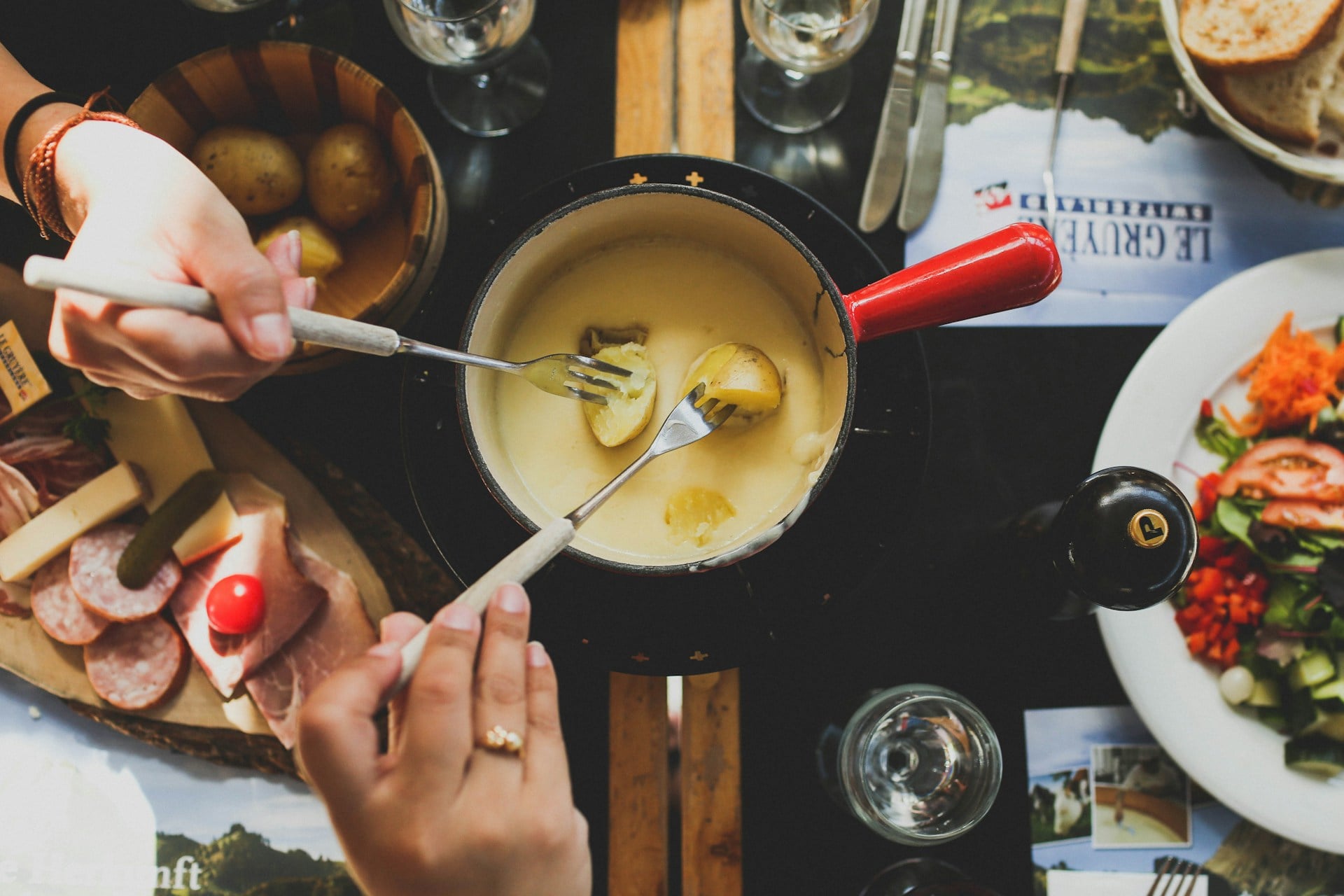
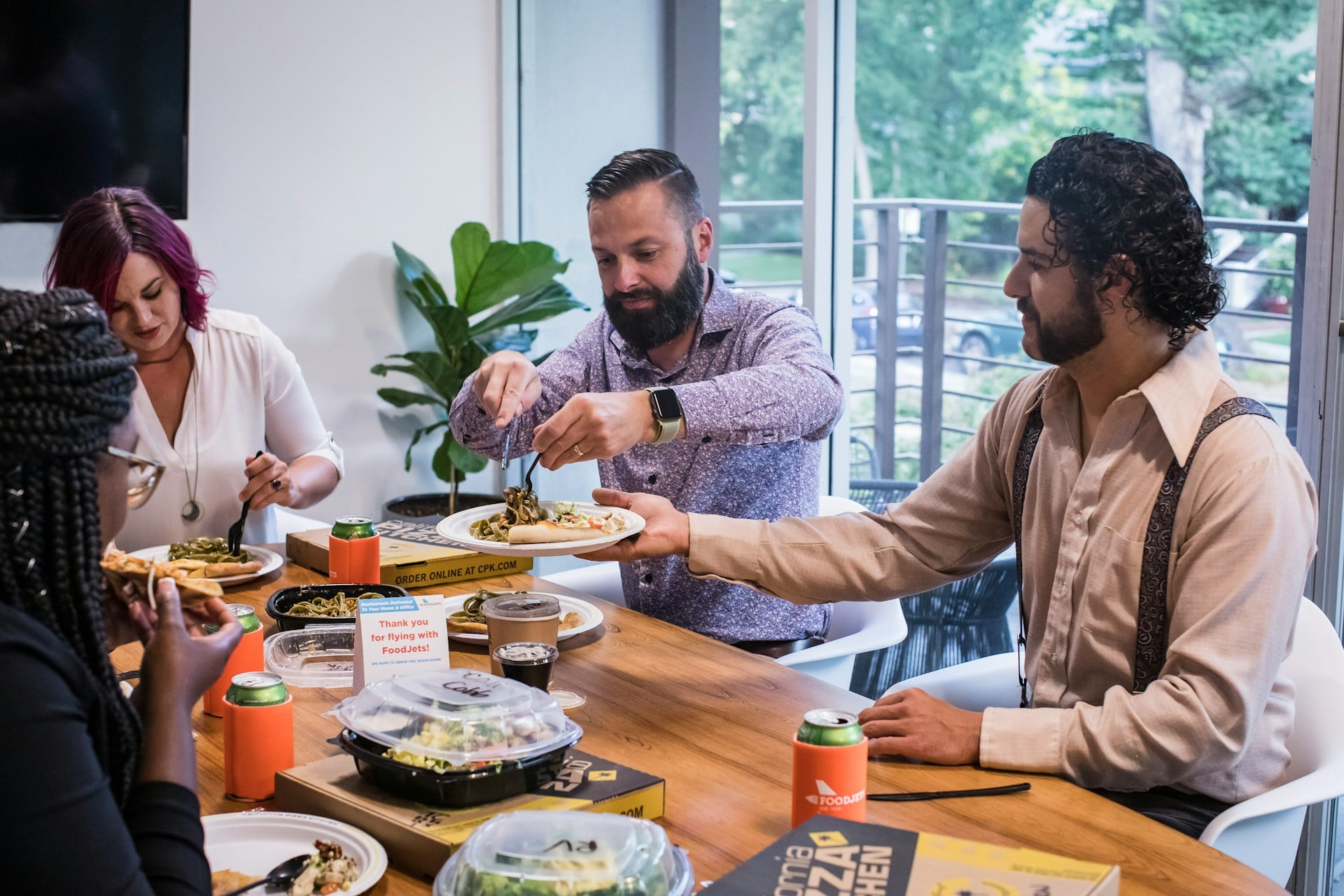
One of the most heartwarming habits is how often people over 90 eat with others. Whether it’s family, friends, or neighbors, they make shared meals a priority. Eating together naturally slows things down, improves how much we notice we’re eating, and turns a meal into a special time of connection. Younger people often eat alone or while distracted. But our experienced friends show us that a meal shared is about more than food—it’s about laughter, stories, and feeling connected. This habit nourishes our hearts as much as our bodies, making mealtime a calming, joyful anchor in the day.
Finish Eating Early to Give Your Body a Restful Night

Many healthy older adults have a lovely evening rule: they finish eating dinner several hours before bedtime. They see dinner as the closing act of the day’s meals, giving their body plenty of peaceful time to digest before sleep. This thoughtful habit supports steadier blood sugar, reduces nighttime discomfort, and leads to more restful sleep. In our busy younger years, we might eat late while working or watching TV, but our elders remind us of a gentler way. By eating earlier, they help their bodies wind down naturally, turning the night into a true time of restoration.
See All Foods as Just Food—Without Guilt or Labels
Here’s a wonderfully freeing idea from our long-living friends: they rarely label foods as “good” or “bad.” A potato is a potato. Cake is cake. Food is just… food! This neutral mindset helps them avoid guilt, anxiety, and the exhausting cycle of restricting then overindulging. Younger people often learn strict food rules that create stress around eating. But our wise elders avoid that mental burden entirely. By seeing food without moral judgment, they eat reasonably, enjoy their meals, and maintain a calm, flexible relationship with food that can last a lifetime.
Find Joy and Comfort in Your Favorite Familiar Foods
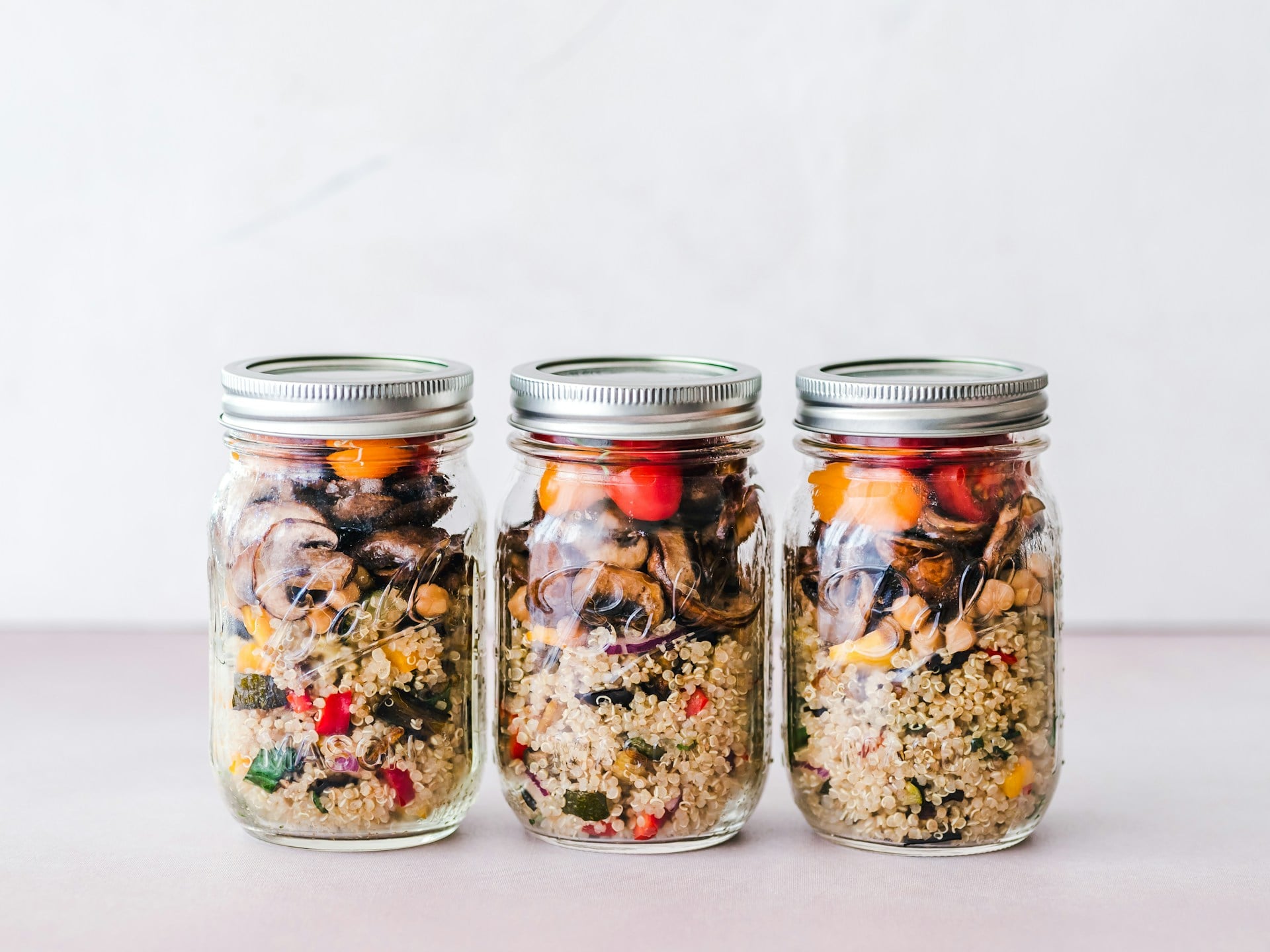
People over 90 are the champions of the happy routine! They often enjoy the same simple, familiar breakfasts, lunches, and dinners week after week. They choose foods they know make them feel good. This repetition isn’t boring—it’s brilliant! It takes the stress out of deciding what to eat and allows their digestion to run like a well-practiced orchestra. While the latest food trends tempt us with constant variety, long-living adults show us the peaceful power of predictability. For them, simplicity creates balance, lowers worry, and turns meals into a source of stability instead of surprise.
Let Your Own Body Be Your Very Best Guide
Perhaps the most important lesson is this: people who live long, healthy lives are fantastic listeners—they listen to their own bodies! They adjust how they eat based on their energy, digestion, and comfort, not the latest headline or diet book. If a food doesn’t make them feel good, they gently adjust. Younger people often ignore their body’s signals to follow strict plans. But our role models do the opposite. They trust the quiet wisdom of their own experience. This gentle flexibility allows their eating habits to evolve beautifully with age, supporting a long and healthy life through kind awareness, not rigid rules