What Diners Really Think About These Restaurant Trends

Restaurants are changing fast. New technology, shifting habits, and global trends are all reshaping how food is made, ordered, and served.
A lot of these changes make things more convenient. But not every trend works for everyone. Some improve speed but take away human interaction, while others focus so much on innovation that they lose a bit of simplicity.
Understanding these trends helps explain why some people love them—and others aren’t so sure.
Contactless Ordering and QR Code Menus

Scanning a QR code to view a menu has become pretty common.
It’s quick and efficient, letting you browse everything right from your phone. But it’s not always ideal, especially for groups or anyone who prefers something simple and easy to read.
Menus used to be part of the experience. When everything moves to a screen, it can feel a little less personal—even if it speeds things up.
Subscription-Based Dining Models
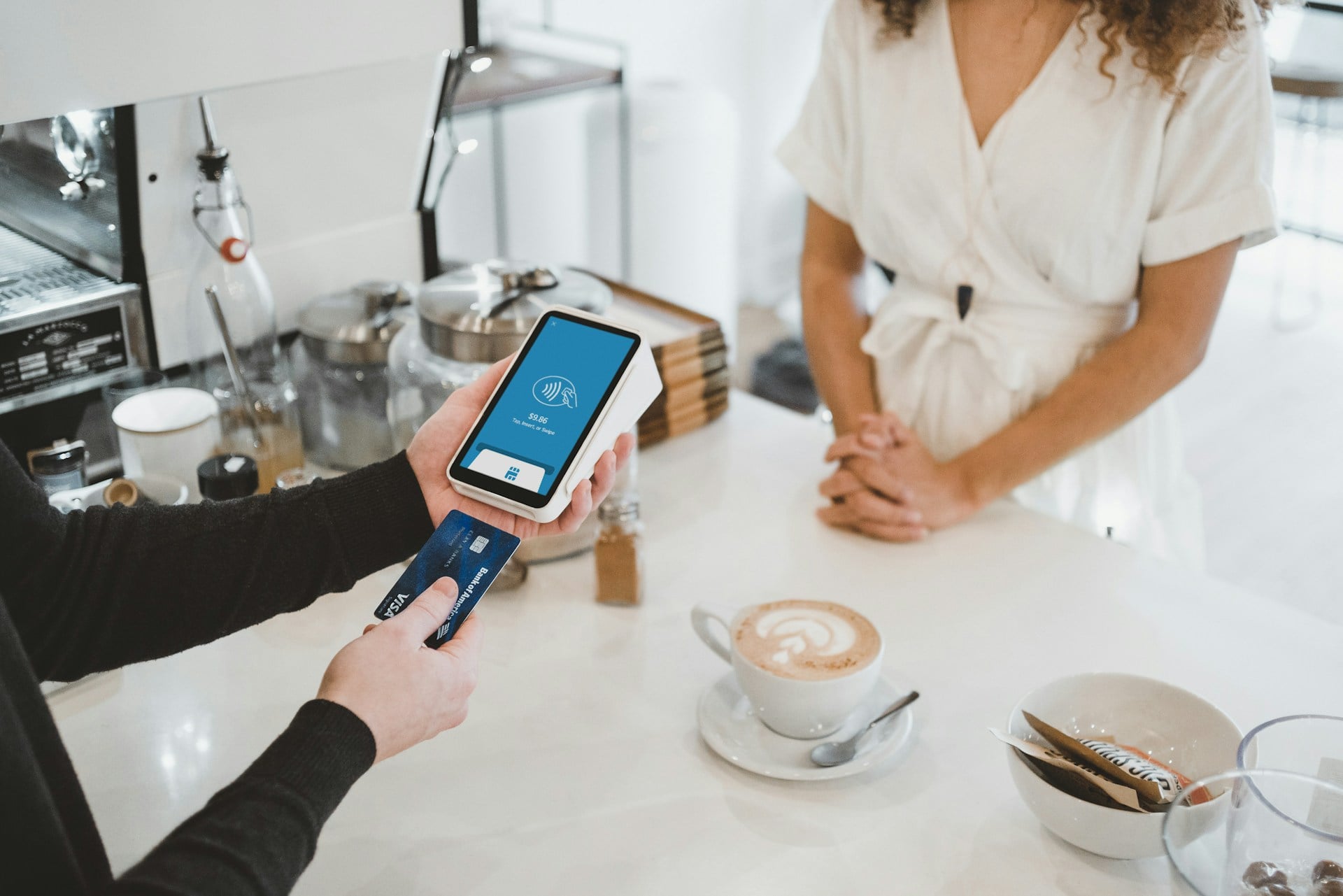
Some restaurants now offer subscription-style perks, like discounts or a set number of meals each month. It works well if you visit often, but if you don’t, it may not feel worth it.
Dining has traditionally been pay-as-you-go. Changing that model works for some—but not everyone.
Heavy Reliance on Food Delivery Apps
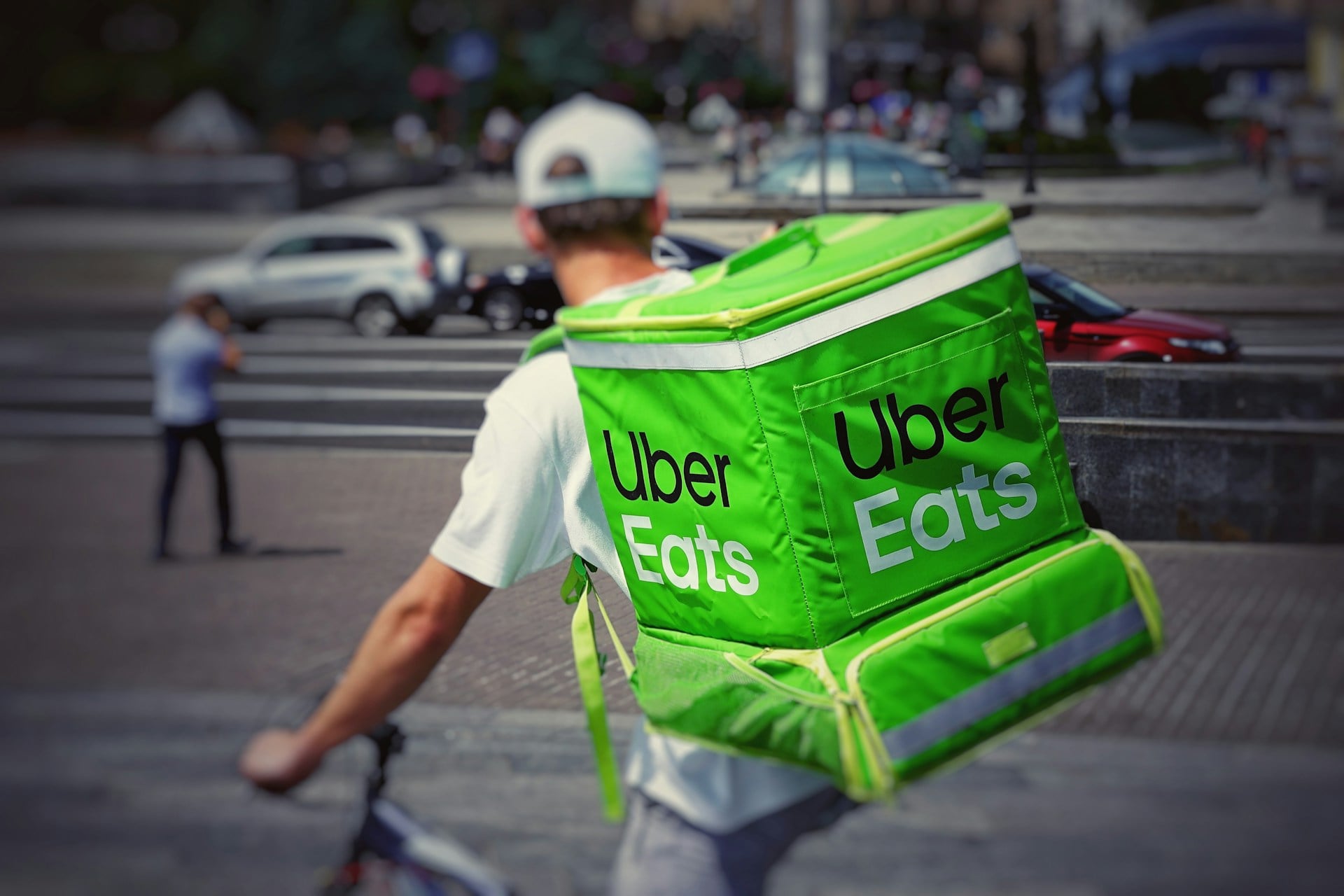
Delivery apps have made it easier than ever to order from just about anywhere.
But that convenience comes with trade-offs. Fees add up, wait times can stretch, and food doesn’t always travel well.
Meals are usually meant to be enjoyed fresh. Once they’ve been packed up and transported, the experience can change—and not always for the better.
Data-Driven Personalization and Recommendations
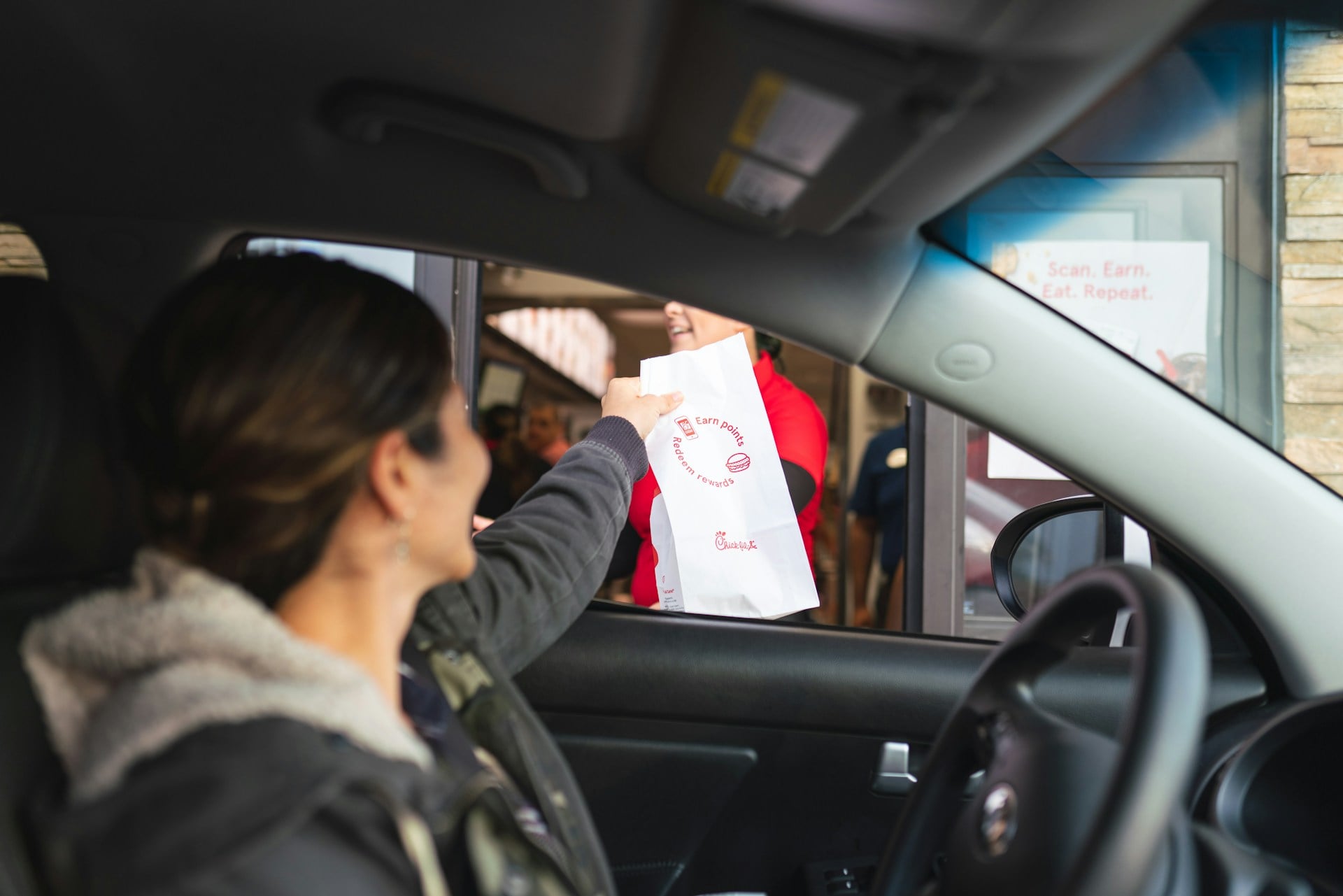
Restaurants are using data more than ever to suggest what you might want to order.
It can make things faster and more personalized, but it also raises questions about privacy. Not everyone loves the idea of their habits being tracked.
Dining is also about trying something new. When recommendations are based on past choices, it can make the experience feel less spontaneous.
Ghost Kitchens and Virtual Restaurants
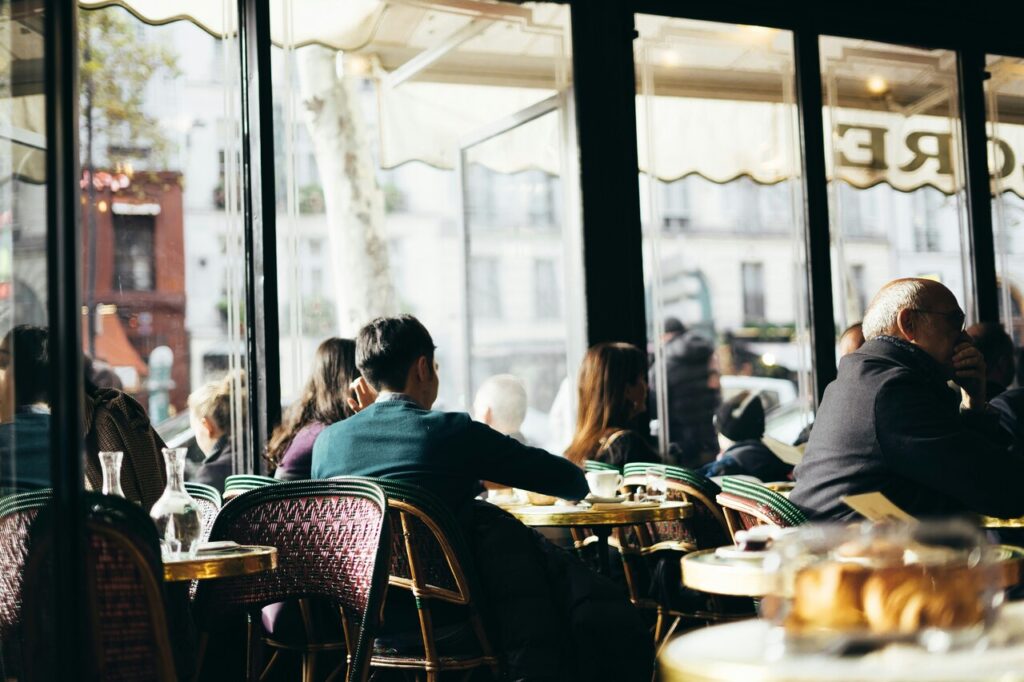
Not every restaurant you order from has a dining room anymore. Ghost kitchens operate behind the scenes, preparing food strictly for delivery, sometimes under multiple brand names.
It’s convenient, but it also removes visibility. You don’t always know where your food is coming from or how it’s prepared.
Dining has always been about more than just the meal. Without the atmosphere and service, it can feel more like a transaction—which is why reactions to this trend are mixed.
Self-Service Kiosks and Minimal Staff Interaction
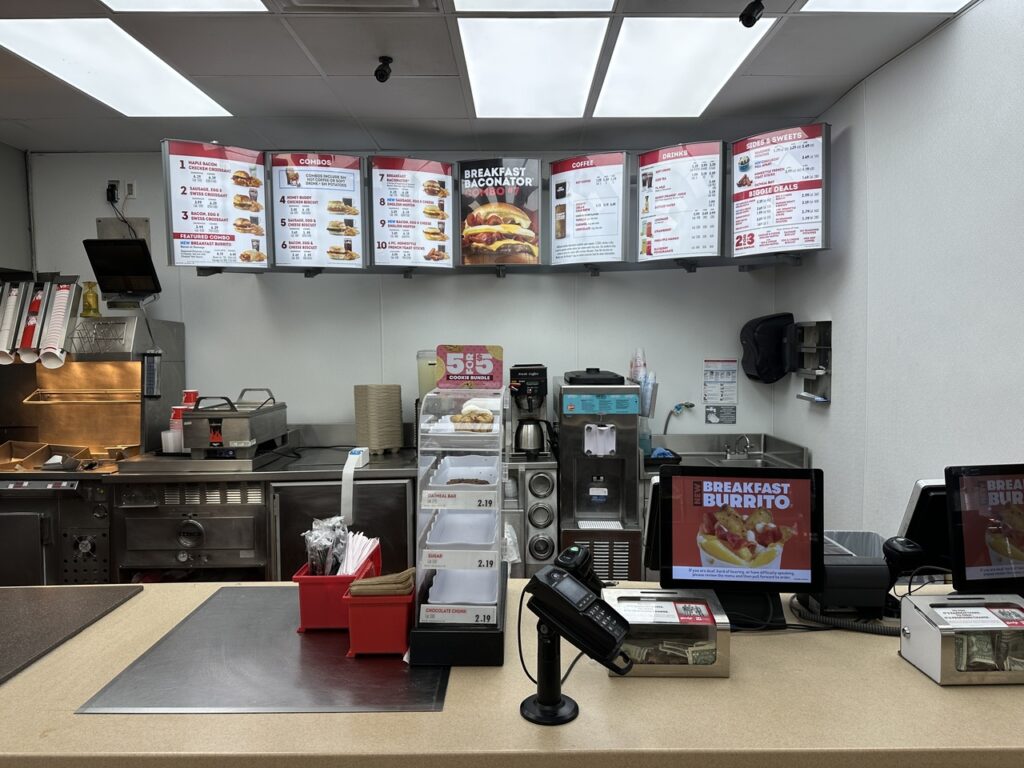
Self-service kiosks are now standard in many fast food spots.
They speed things up and give you more control, but they also reduce interaction with staff. Some people like that, others don’t.
Without that human touch, it can feel harder to ask questions or make decisions—especially if you’re unsure what to order.
Sustainable and Zero-Waste Dining Concepts
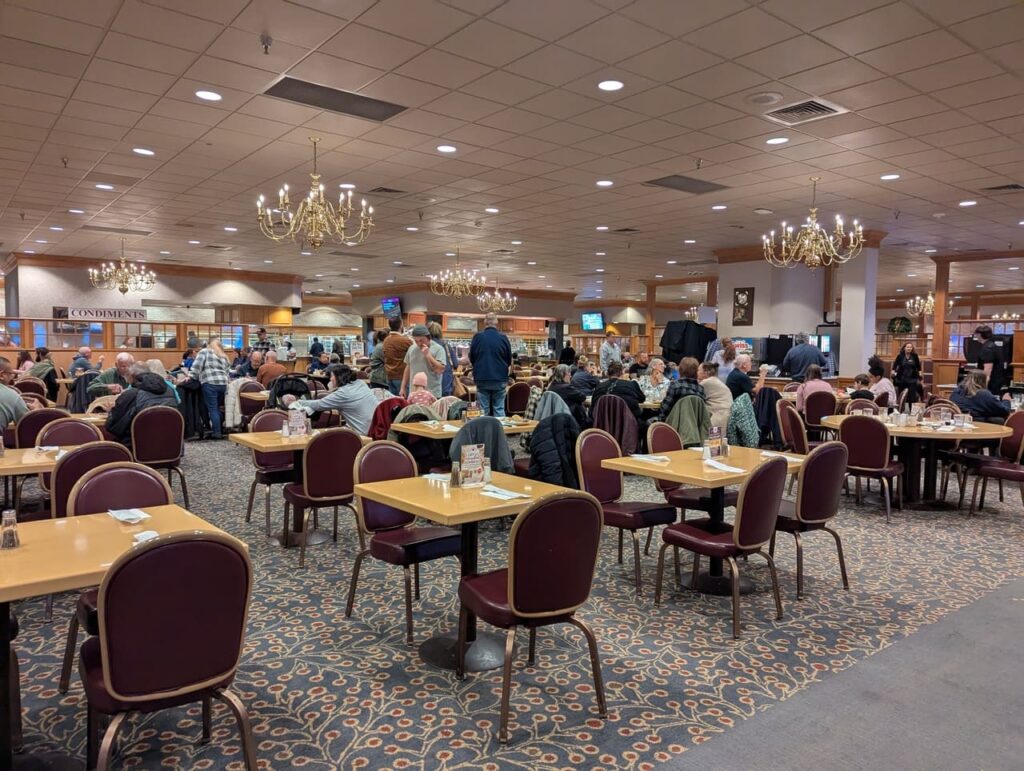
Sustainability is a big focus right now, with restaurants cutting waste, using eco-friendly packaging, and sourcing local ingredients.
Most people support the idea, but it can sometimes change the dining experience. Smaller portions or limited options don’t always meet expectations.
Balancing sustainability with value and variety isn’t always easy, which is why this trend gets mixed reactions.
Plant-Based and Alternative Protein Menus
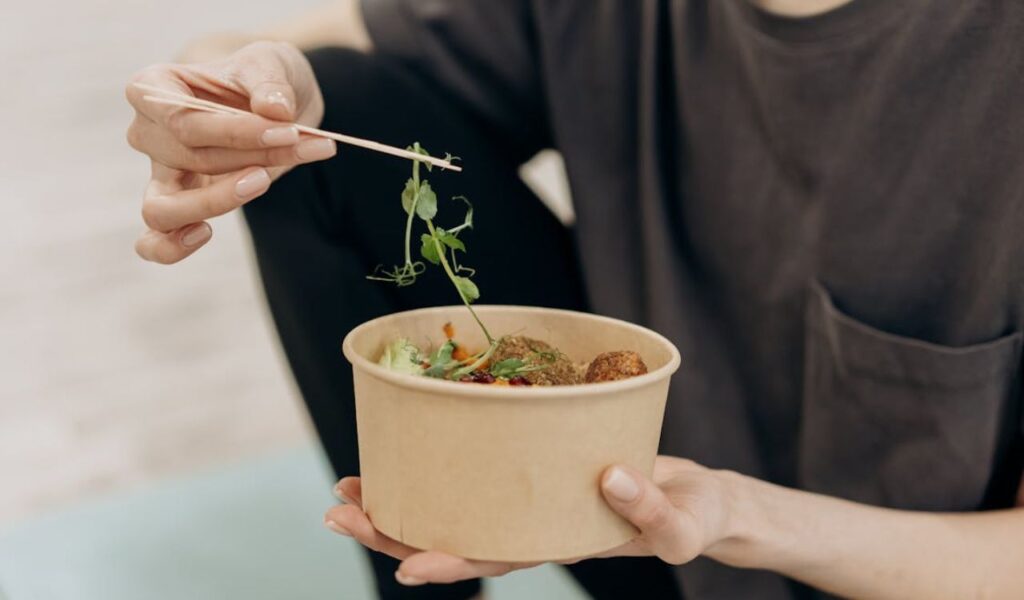
Plant-based options are becoming more common across menus.
Some diners love the variety, while others feel the taste and texture don’t quite match traditional dishes.
A lot depends on how well the food is prepared. When expectations are high, even small differences can stand out.
Experiential Dining and Themed Events
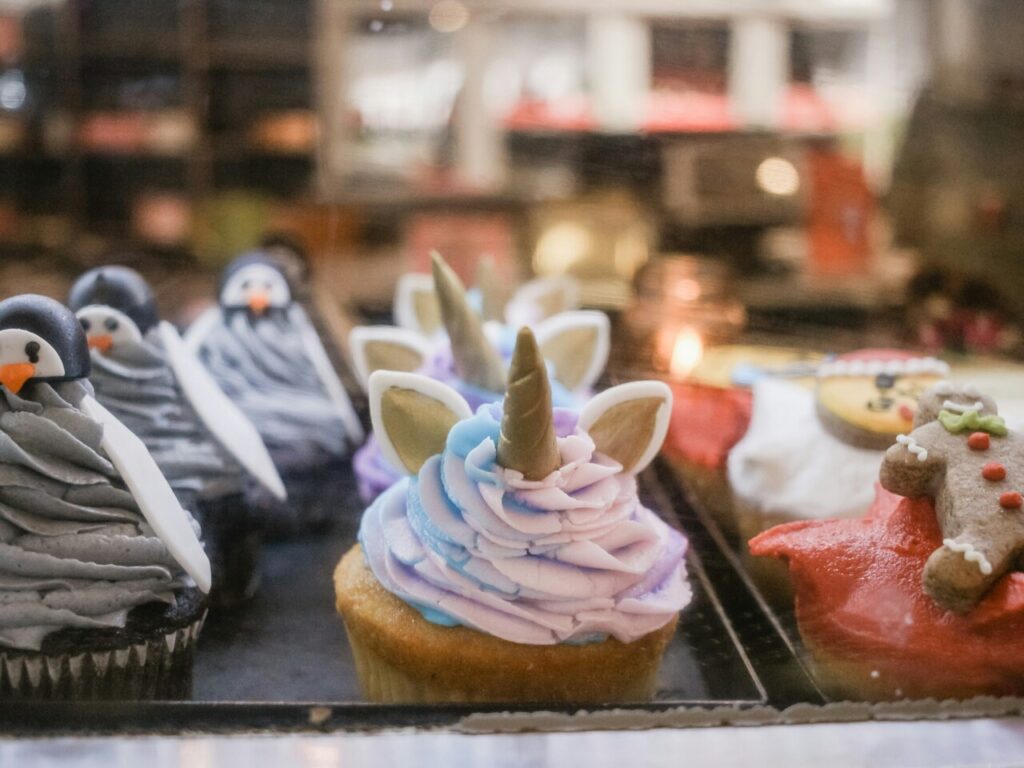
Some restaurants are leaning into themed experiences, interactive setups, and eye-catching presentations.
It can be fun and memorable—but not everyone enjoys it. Loud settings or over-the-top visuals can take attention away from the food.
Some people want an experience. Others just want a good, relaxed meal. That’s why reactions vary so much.
Social Media-Driven Menu Items
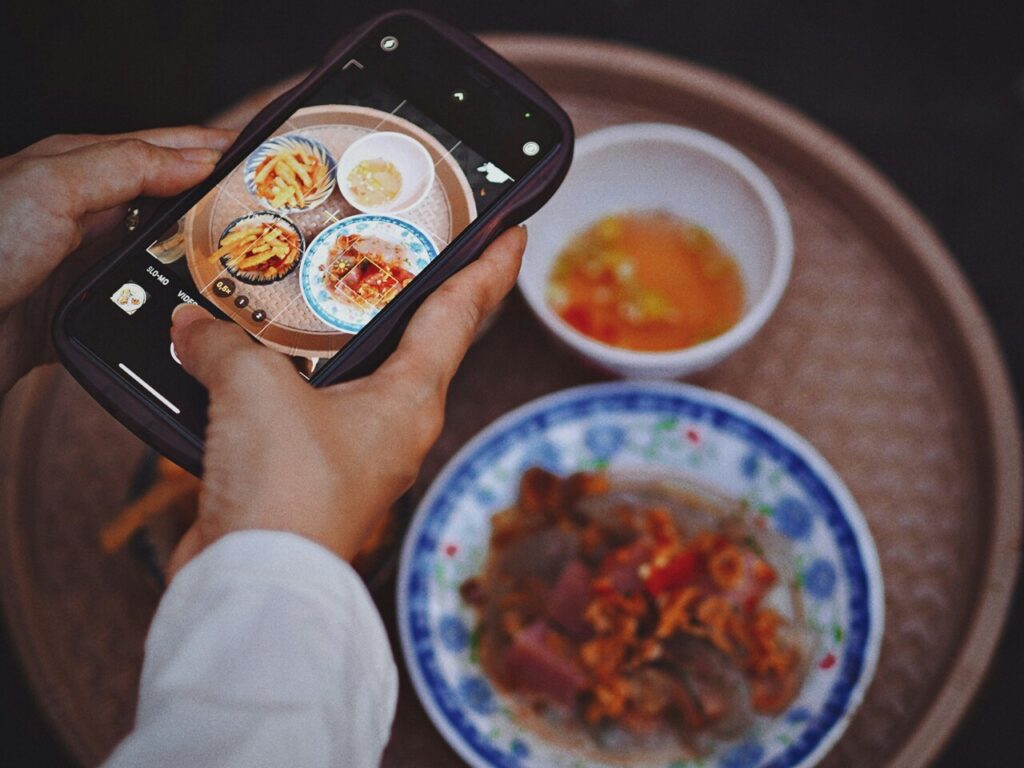
Some menu items are designed specifically to look good online.
They’re bold, colorful, and attention-grabbing—but sometimes the focus is more on appearance than flavor.
If the taste doesn’t match the hype, it can leave people disappointed once the photos are done.
AI and Automated Customer Service
AI is starting to handle more of the front-end work, like taking orders, answering questions, and managing reservations.
It’s fast and efficient, but it’s not always perfect. Automated systems can struggle with custom requests or more detailed questions.
Restaurant service has always relied on human interaction. When that’s replaced with automation, it can feel less flexible—and that’s where opinions start to split.