Authentic Italian Pasta Sauces You Can Easily Make at Home

There’s something about Italian pasta sauces that feels like a secret language. They’re not complicated—most have just a handful of ingredients—but getting them right is all about timing, technique, and respect for the ingredients. These aren’t the heavy, cream-laden versions you sometimes see. They’re lighter, brighter, and built to let the pasta shine. Here are nine classic sauces that prove simplicity, when done right, is everything.
Gricia
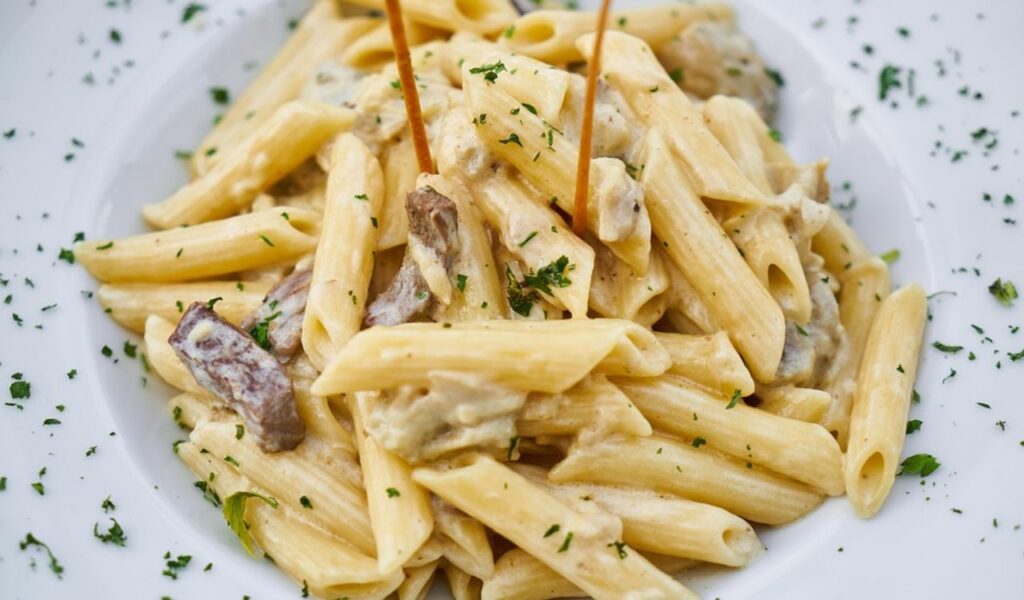
Gricia is proof that you don’t need a long ingredient list for a deeply satisfying pasta. This Roman classic keeps it simple: guanciale, Pecorino Romano, and black pepper. That’s it. But the flavor lands with surprising richness. As the guanciale renders, it releases all that savory fat, which becomes the base of the sauce. A little starchy pasta water helps it cling to the noodles, creating this glossy coating that tastes both rustic and refined. It’s the kind of dish that makes you slow down and appreciate every single bite.
Salsa di Noci
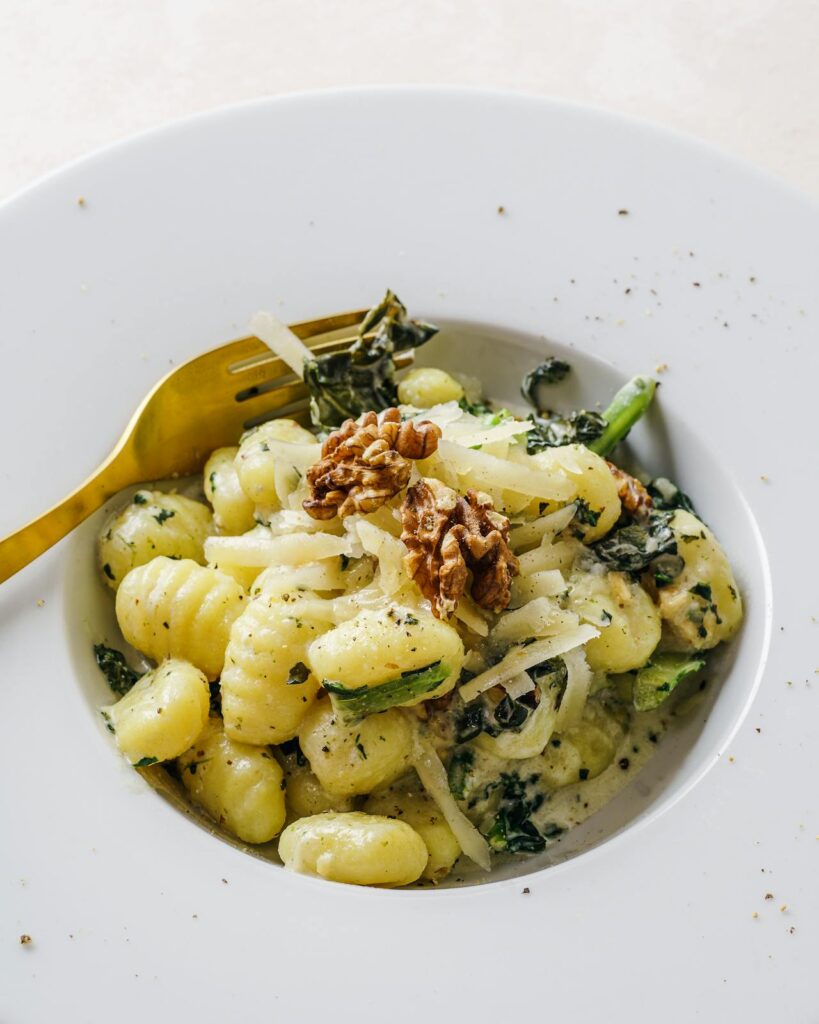
This one’s a specialty from Liguria, a creamy walnut sauce often served with pansotti, a type of filled pasta. The walnuts get blended with milk-soaked bread, garlic, Parmesan, and olive oil until smooth and nutty. It’s mild, but in the best way—the flavor is subtle and lets the walnuts speak. Italians often serve it at room temperature or just slightly warmed, so that delicate nuttiness doesn’t get lost. It’s a nice change from tomato-based sauces, and it works beautifully with pasta shapes that have little nooks and folds to trap all that creamy goodness.
Aglio e Olio
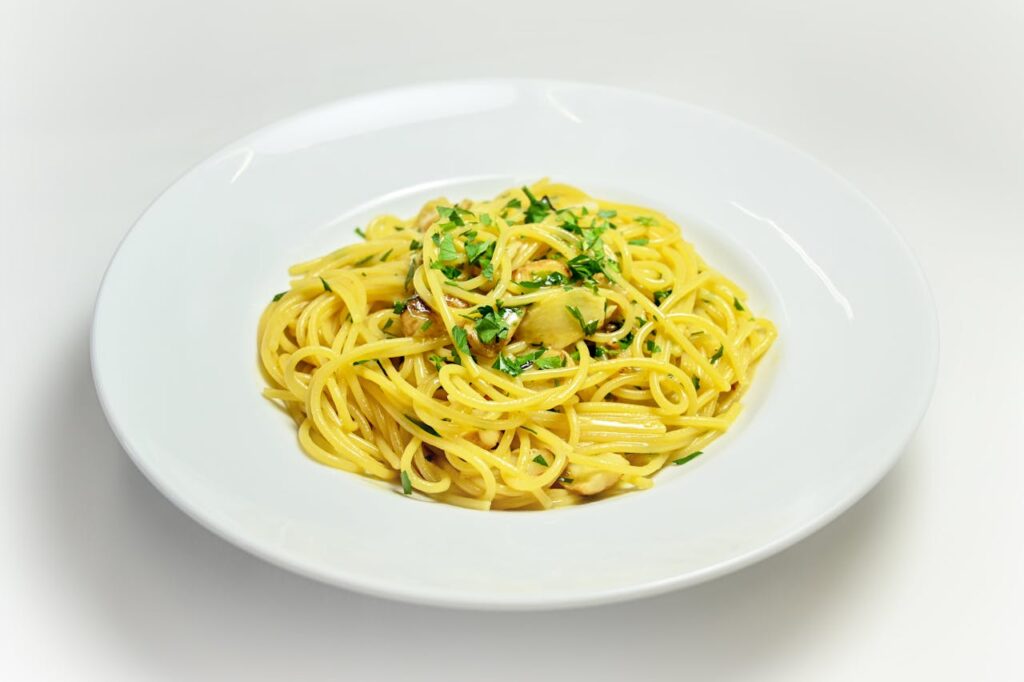
Three ingredients. That’s all it takes to make magic. Garlic, olive oil, and a little pasta water. The garlic gets sliced thin and warmed gently in the oil until it’s fragrant—never burnt, never brown. A pinch of chili flakes often joins the party, adding just a whisper of heat. Then the starchy pasta water goes in, and something alchemical happens. It emulsifies with the oil, creating this silky coating that clings to every strand of spaghetti. In Italy, this is late-night food. Something quick and comforting after a long day. Light, flavorful, and all about balance. You should taste the olive oil first, then the sweetness of the garlic, and finally that gentle kick from the chili.
Cacio e Pepe
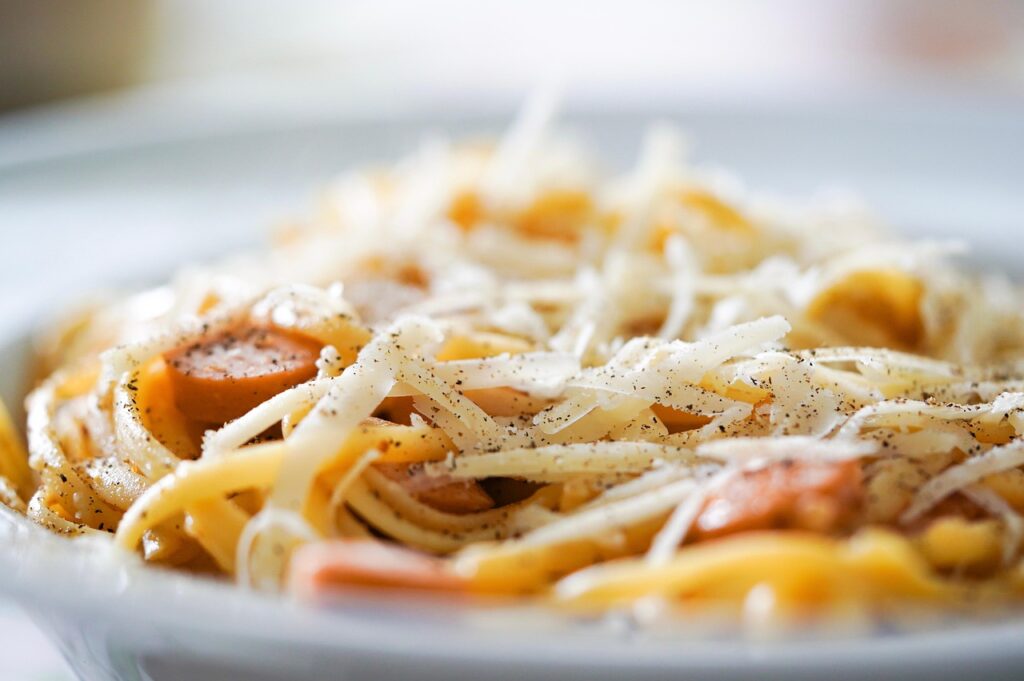
The name says it all: cheese and pepper. That’s really it, plus a little pasta water to bring it together. The cheese is Pecorino Romano, finely grated so it melts into a creamy sauce when it hits the hot pasta. Freshly cracked black pepper gives it bite and fragrance. The trick is stirring quickly, off the heat, so everything emulsifies into something silky and luxurious without any cream or butter. Traditionally it’s made with tonnarelli or spaghetti, and it’s a lesson in technique over ingredients. When it’s done right, it’s one of the richest-tasting pasta dishes you can make in under fifteen minutes.
Pesto alla Genovese
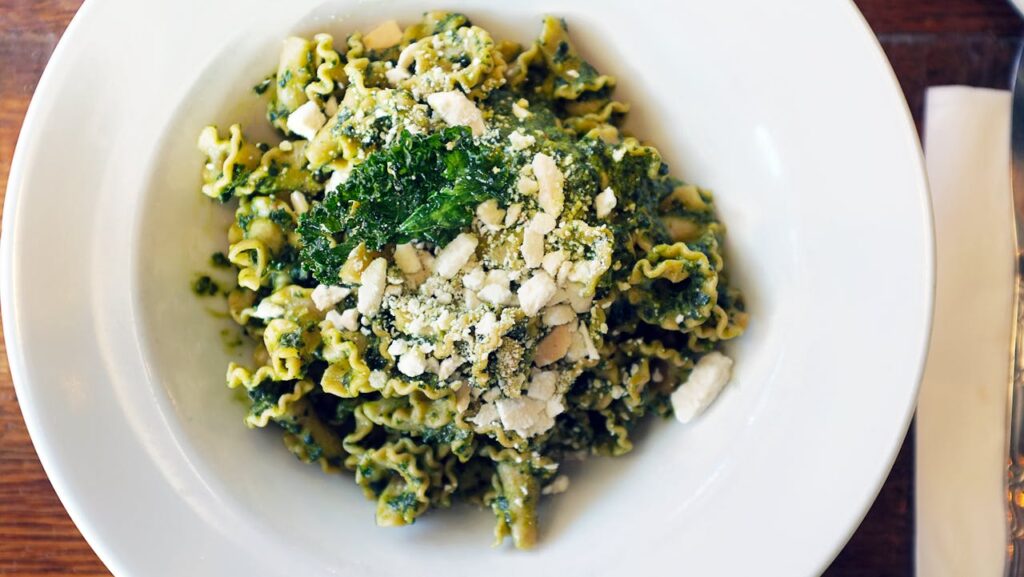
This basil sauce from Liguria is all about freshness. In Italy, it’s never cooked. Traditionally, it’s made with a mortar and pestle—the gentle grinding keeps the basil from bruising and turning dark. A blender works too, just be gentle about it. Fresh basil, pine nuts, garlic, Parmesan, Pecorino, and good olive oil come together into something bright and aromatic. It clings beautifully to pasta shapes like trofie or linguine, often thinned with a little pasta water so it coats every fold. That herbaceous flavor pairs perfectly with vegetables or even potatoes stirred right into the pasta. In Italy, pesto isn’t drowned on the plate. It’s folded in just enough to perfume every bite.
Carbonara
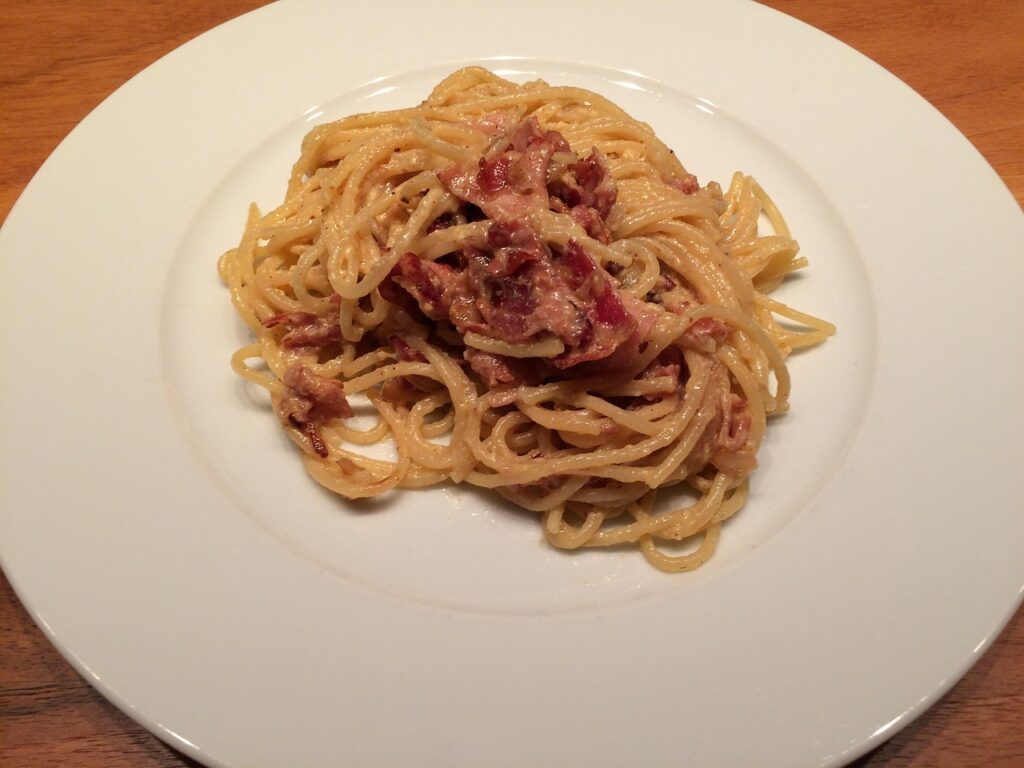
Here’s the thing about real Carbonara: there is no cream. None. It’s just egg yolks, Pecorino Romano, black pepper, and guanciale. The heat from the freshly drained pasta gently cooks the eggs into a creamy sauce without scrambling them. That takes timing and a little confidence. The guanciale brings smoky, savory depth, the Pecorino adds sharpness, and the black pepper cuts through all that richness. Spaghetti is classic, but rigatoni works too. The key is combining everything off the heat, stirring fast, letting the eggs emulsify into something silky and delicate. It’s rich, but in a way that feels far more elegant than heavy restaurant versions.
Ragù alla Bolognese
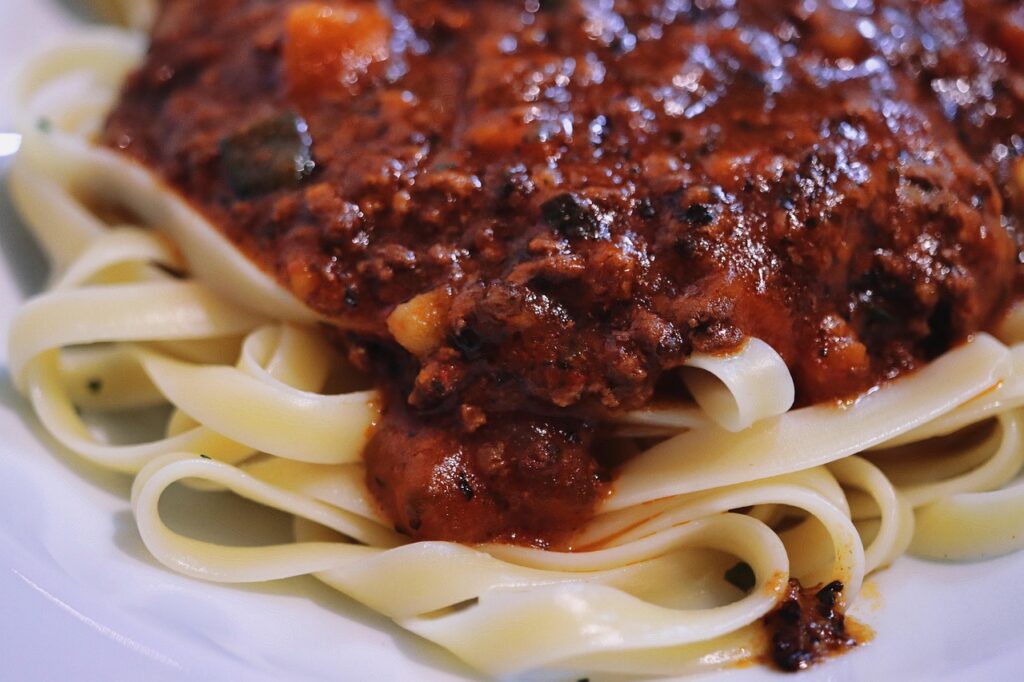
Bolognese isn’t just “meat sauce.” The real thing is a slow, patient process. A mix of ground beef and pork, cooked gently with onion, carrot, celery, tomato paste, wine, and a little milk or cream. That long simmer is where the magic happens—everything melds into a deep, savory sauce that’s rich without being greasy. The touch of dairy softens the tomato’s acidity in a way that feels balanced. In Italy, it’s served with tagliatelle, those wide ribbons perfect for catching every bit of sauce. Yes, it takes more time than most sauces here, but it’s the kind of thing you make in a big batch and freeze for later. Future you will be very grateful.
Sugo all’Arrabbiata
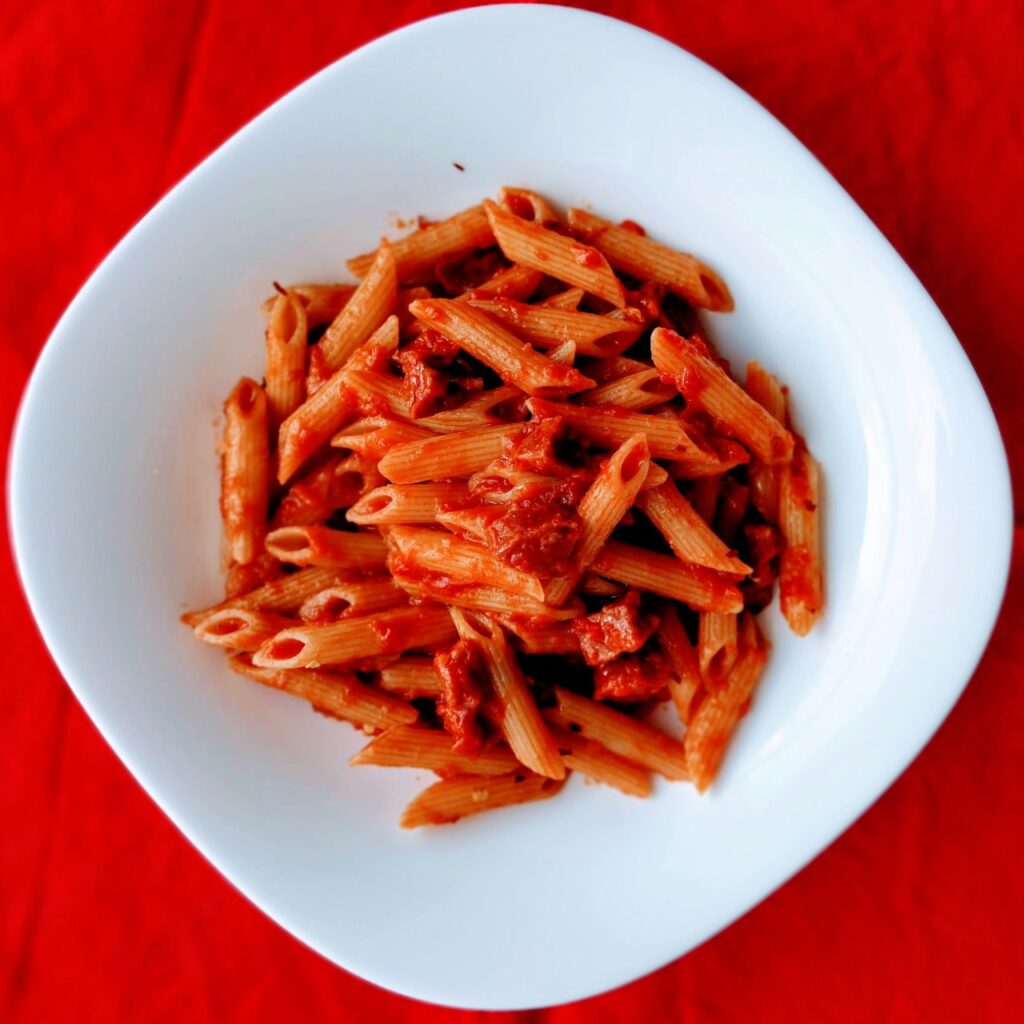
Arrabbiata means “angry” in Italian, and the name tells you what to expect. This sauce brings heat. Tomatoes, garlic, olive oil, and plenty of chili peppers come together into something bright and spicy, a real alternative to standard tomato sauce. The heat is noticeable, sure, but it’s balanced so the tomato flavor still gets to shine. Penne is the classic choice—those ridges hold onto the fiery sauce like they were made for it. It’s quick to make, but the intensity of flavor makes it feel like more than a weeknight dish. It’s what you serve when you want a little kick without overwhelming everything else on the table.
Pomodoro
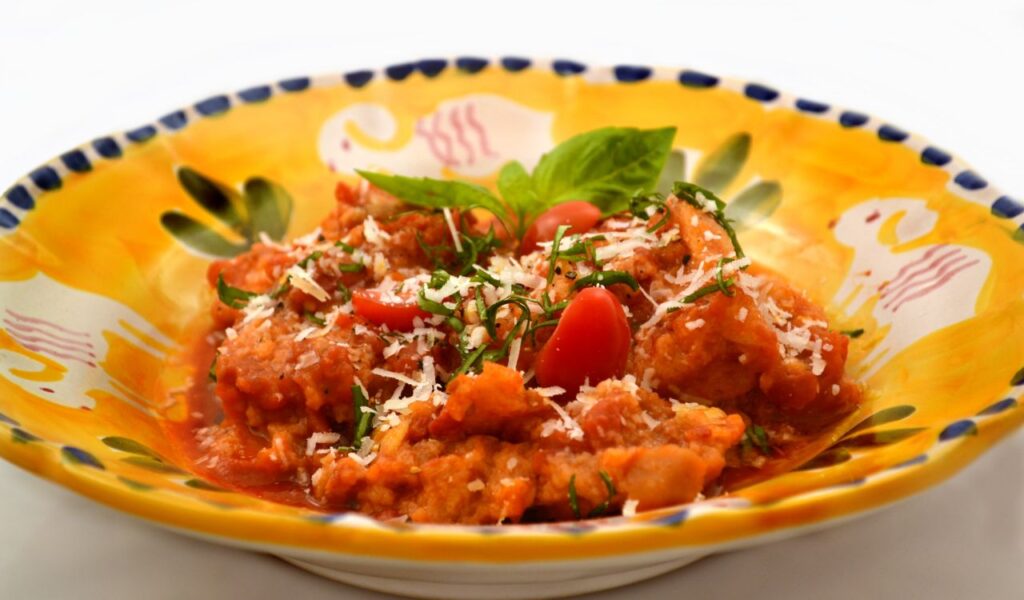
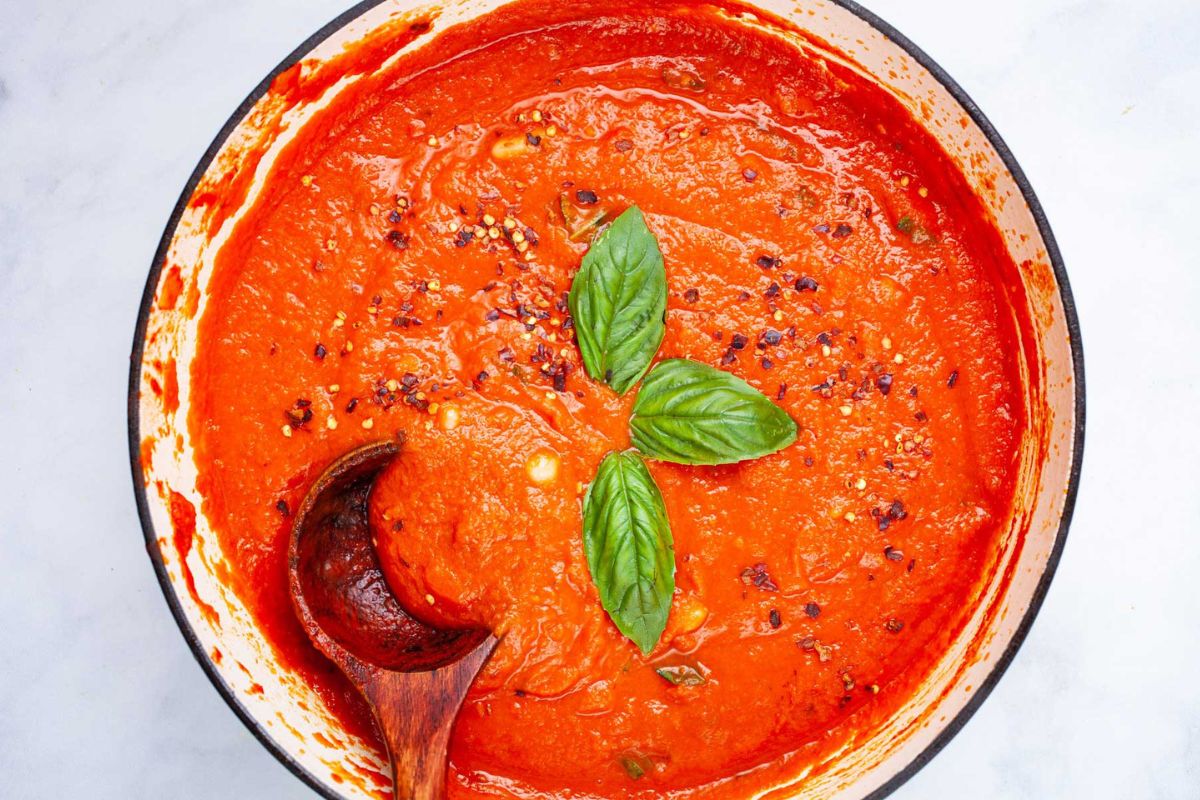
Pomodoro is as straightforward as it gets, and that’s exactly the point. Ripe tomatoes, good olive oil, a little garlic or onion, and fresh basil. The trick is cooking it briefly—just long enough to soften the tomatoes but not so long that you lose that bright, fresh flavor. Italians often run it through a food mill for a silky texture that clings to the pasta without weighing it down. Salt goes in carefully, and basil is stirred in at the very end so its aroma stays fresh and bright. This isn’t a sauce meant to overpower. It’s there to let a perfectly cooked spaghetti or penne be the star. It’s about as close as you can get to a weeknight pasta ritual in Italy.