Top Sugar Surprises in Desserts Marketed as Healthy

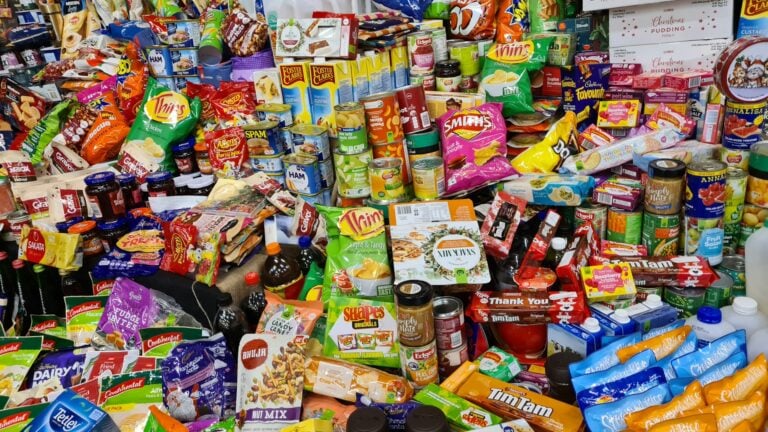
You know how certain foods have that “healthy” halo? You grab them thinking you’re making a good choice, and then later you find out they’re basically sugar bombs in disguise. It happens to all of us. The problem is that marketing and packaging can be really convincing, and terms like “natural,” “low-fat,” or “healthy” don’t always tell the full story. Here are some common foods that might not be as virtuous as they seem, and what to look for instead.
Store-Bought Desserts

This one might not surprise you, but it’s worth saying: store-bought cakes, cookies, and pastries are often sugar reservoirs. A single slice of cake can have over 30 grams of sugar. The good news is that nutrition labels now list added sugars separately, so you can actually see what you’re getting. If you want something sweet, consider baking at home where you control the ingredients. Natural sweeteners like maple syrup or stevia can help you keep things reasonable, and you’ll know exactly what’s in every bite.
Low-Fat Ice Cream

Low-fat ice cream sounds like a guilt-free way to enjoy dessert. But when manufacturers take out the fat, they often add sugar to keep it tasting good. Some varieties can have up to 20 grams of sugar per serving, which is a lot. The National Institutes of Health has linked high-sugar foods to weight gain and other health issues. If you want a healthier alternative, try making your own “ice cream” by blending frozen bananas with a splash of almond milk. It’s surprisingly creamy, naturally sweet, and you control everything that goes in.
Yogurt

Yogurt has this wholesome image, and for good reason—it can be a great source of protein and probiotics. But flavored yogurts, especially the ones marketed to kids, can be absolutely loaded with sugar. We’re talking 20 grams or more per serving. Even the “low-fat” versions aren’t safe; when they take out the fat, they often add sugar to keep things tasting good. Greek yogurt is generally a better bet, but you still have to check the label. The smart move? Buy plain yogurt and sweeten it yourself with fresh fruit. You control exactly how much sugar goes in, and it tastes just as good.
Protein Bars

Protein bars have exploded as a convenient meal replacement or post-workout snack. But some of them are basically candy bars in disguise, with up to 30 grams of sugar per bar. That’s a lot. And the sweeteners they use, like maltitol and other sugar alcohols, can cause some serious digestive discomfort. The Center for Science in the Public Interest suggests being wary of any bar with more than 10 grams of sugar. If you’re going to eat them, look for ones with a balanced nutritional profile and a sugar content that doesn’t make you wince.
Granola Bars
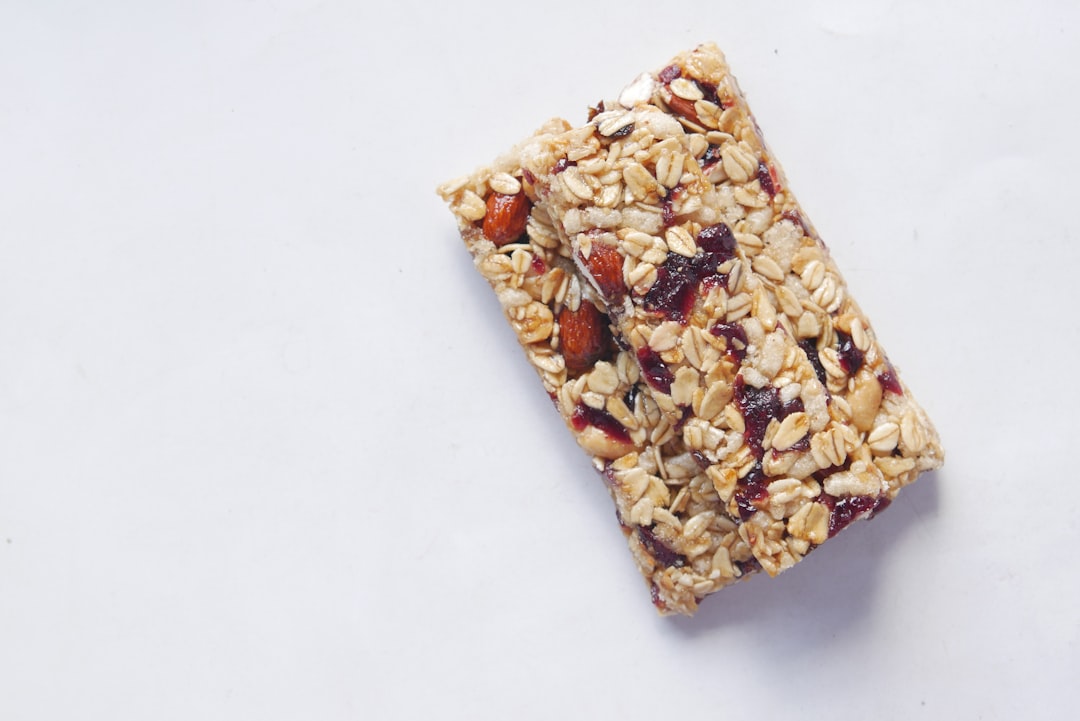
Granola bars feel like the ultimate healthy snack—portable, convenient, often wrapped in cheerful packaging with pictures of oats and berries. But here’s the thing: some of them pack as much sugar as a candy bar. We’re talking up to 15 grams per serving. The sweeteners might sound wholesome—honey, agave syrup, brown rice syrup—but they all contribute to that total. The American Heart Association recommends women keep added sugar under 6 teaspoons a day, and one bar can get you most of the way there. The fix? Read labels like your health depends on it, and look for bars with less than 5 grams of sugar. They exist. You just have to find them.
Smoothie Bowls

Smoothie bowls are beautiful, photogenic, and feel like a healthy treat. And they can be. But they can also be sugar disasters. Between the high-sugar fruits, sweetened yogurt, and granola toppings, you can easily end up with over 30 grams of sugar in one bowl. Harvard’s School of Public Health has pointed out that smoothies can be nutritious, but they can also be sugar-laden if you’re not careful. To keep things in check, use unsweetened almond milk, throw in some leafy greens, and go easy on the bananas and mangoes. You’ll still get something delicious, just with less sugar.
Dried Fruits
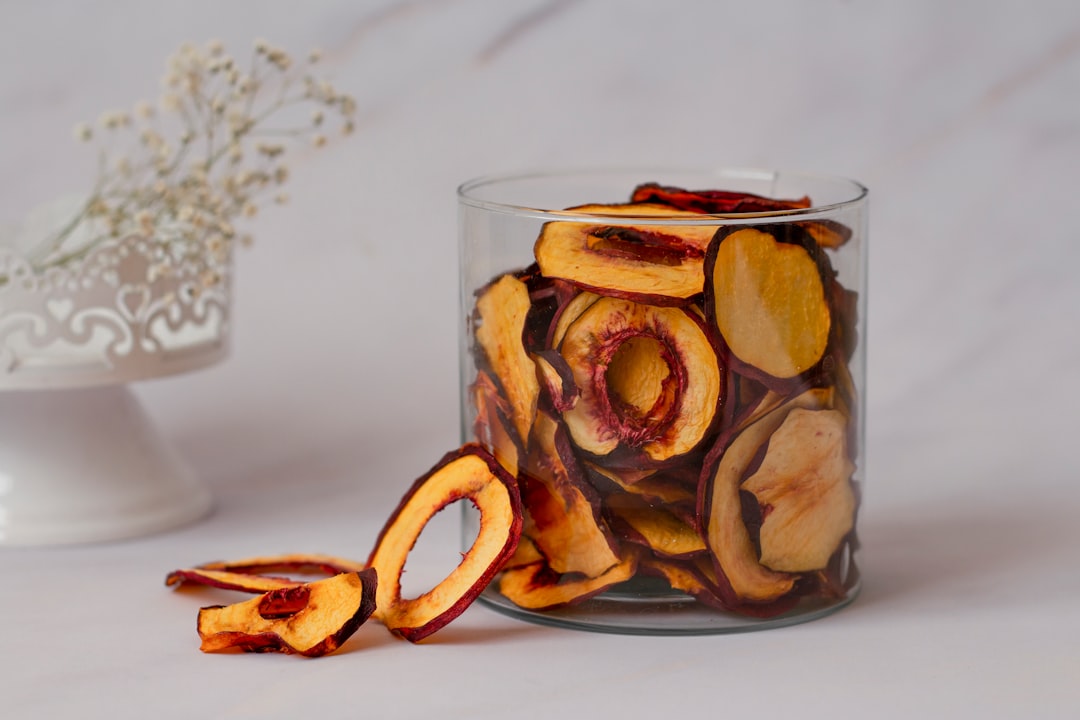
Dried fruit seems like such a simple, healthy snack. And it is fruit, after all. But here’s the catch: when you remove the water, you concentrate the sugar. A serving of raisins can have around 29 grams of sugar, which is comparable to candy. It’s easy to eat way more than you intended without realizing it. The American Diabetes Association recommends moderation, especially for anyone watching their sugar intake. Fresh fruit is almost always the better choice—you get all the fiber and water content that helps fill you up and slow down sugar absorption.
Coconut Water

Coconut water has been marketed as nature’s sports drink, and it does have electrolytes. But it also has sugar—about 6 grams per serving in its natural form, and more if you get flavored versions. That’s not terrible, but it’s worth knowing. The Journal of the International Society of Sports Nutrition says it can hydrate effectively, but moderation is key. If you’re looking for something with zero sugar, plain water or herbal tea are always safe bets.
Fruit Juices
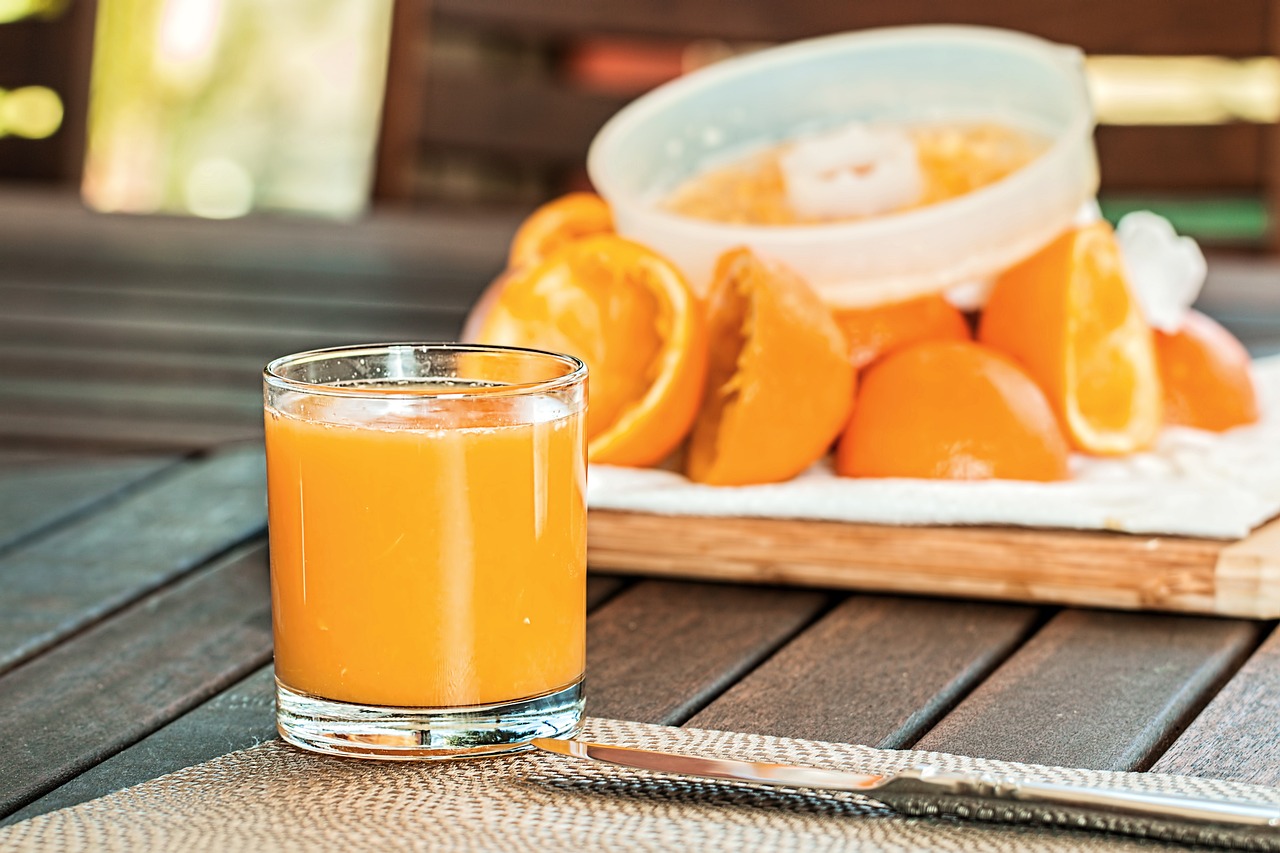
Fruit juice feels healthy—it’s made from fruit, after all. But a cup of orange juice can have around 21 grams of sugar, and without the fiber of whole fruit, it hits your system fast, spiking blood sugar. The American Academy of Pediatrics recommends limiting juice for kids for this very reason. Whole fruit is almost always the better choice. You get the fiber, you get the nutrients, and you don’t get the concentrated sugar hit.
Energy Drinks
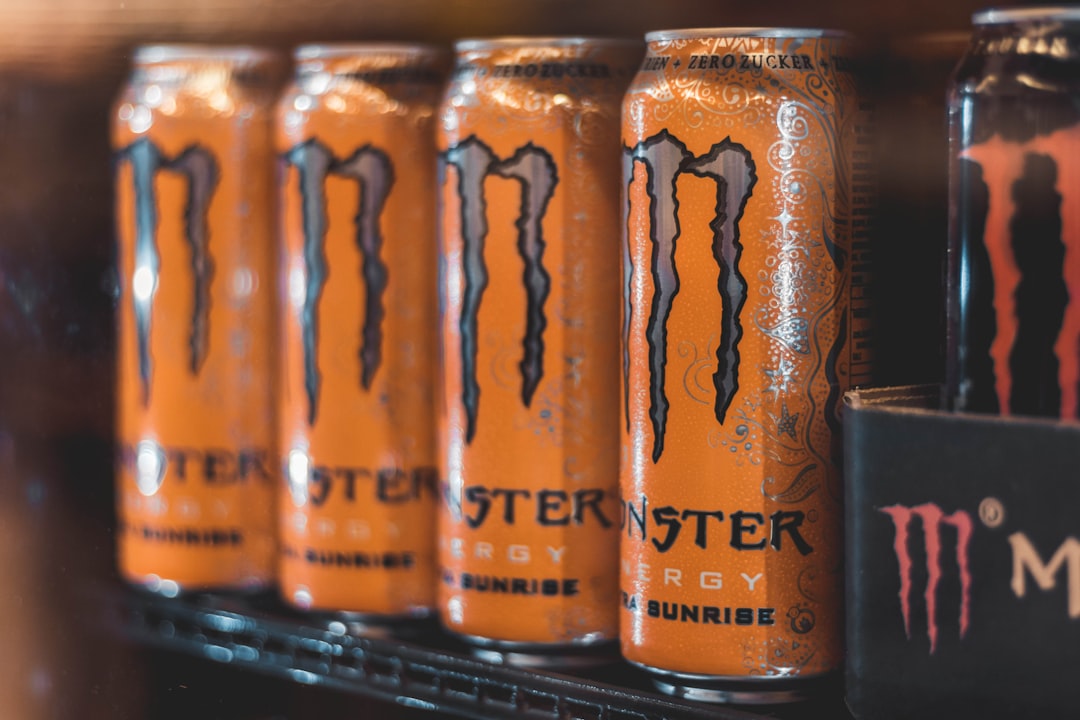
Energy drinks are marketed as quick fixes for fatigue, and they do deliver a jolt. But some of them pack up to 30 grams of sugar per serving, which leads to an energy crash soon after the initial spike. The World Health Organization has raised concerns about the health risks of high sugar intake from these drinks. If you need a boost, try natural options like nuts or fruit. You’ll get sustained energy without the sugar crash.
Store-Bought Desserts
This one might not surprise you, but it’s worth saying: store-bought cakes, cookies, and pastries are often sugar reservoirs. A single slice of cake can have over 30 grams of sugar. The good news is that nutrition labels now list added sugars separately, so you can actually see what you’re getting. If you want something sweet, consider baking at home where you control the ingredients. Natural sweeteners like maple syrup or stevia can help you keep things reasonable, and you’ll know exactly what’s in every bite.