Banned Cereal Additives Found in Popular Kids’ Breakfasts

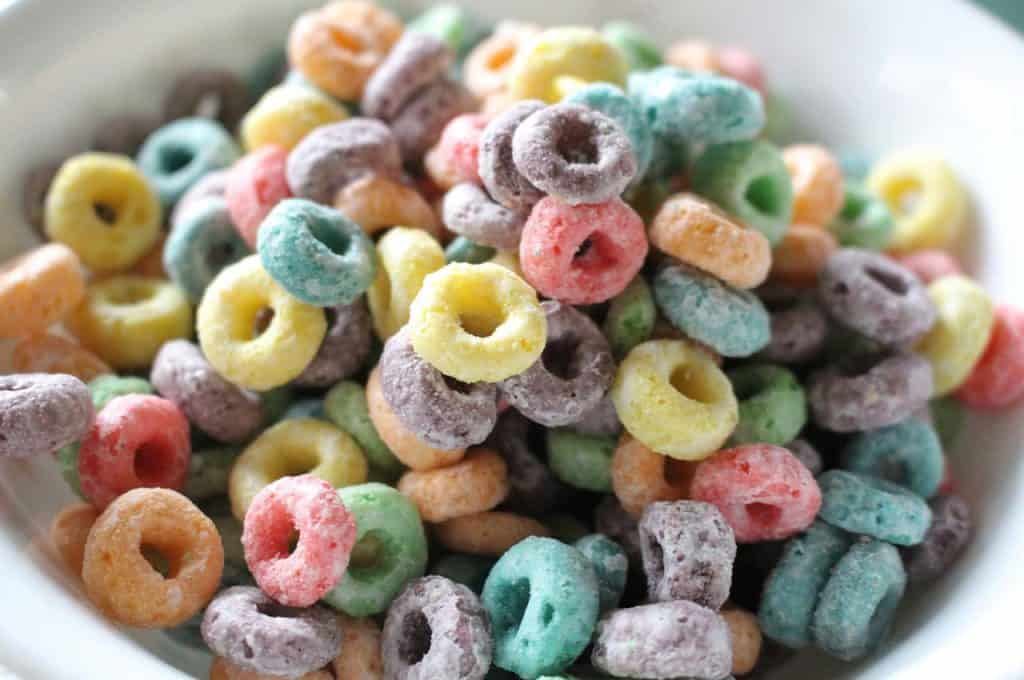
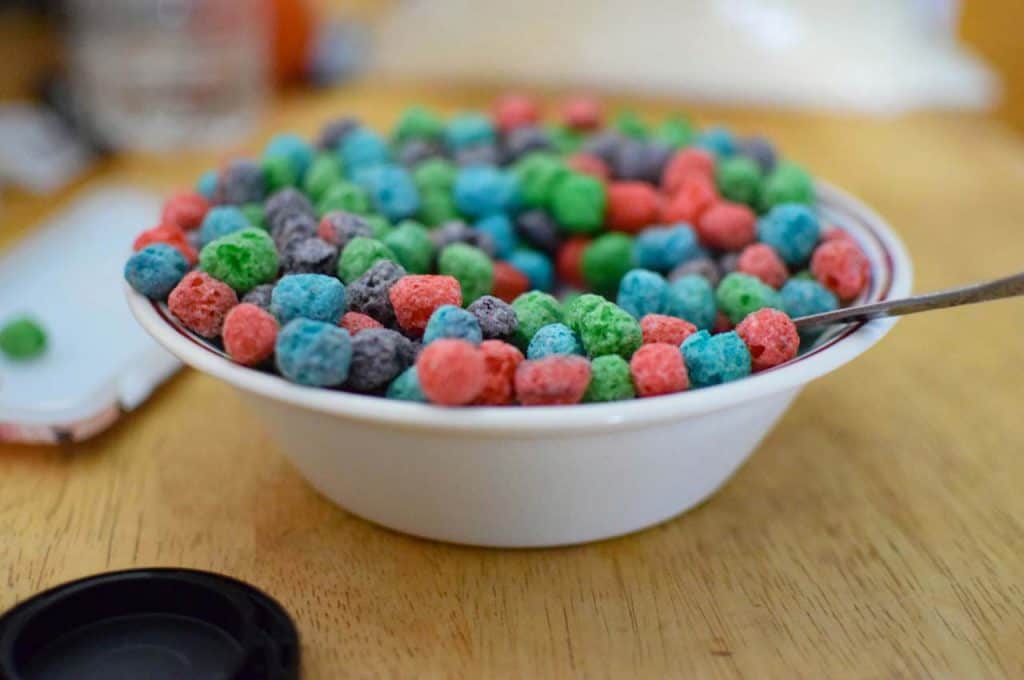
Kids’ cereals often look harmless. Bright colors, fun mascots, promises of vitamins and minerals. But some of those colorful loops and puffs contain ingredients that are actually banned in other countries. Not restricted—banned. Understanding what’s in the box can help you make smarter choices for your family.
BHA and BHT: Controversial Preservatives

BHA and BHT are synthetic antioxidants that keep cereals from going rancid. They preserve freshness and extend shelf life. They’re also banned in several countries due to concerns over links to cancer and other health issues. Alternatives exist. Prioritize fresh grains, store cereals in airtight containers, consume promptly. Natural preservatives over synthetic unknowns.
Artificial Red Dye #40: A Hyperactivity Link

Red 40 is everywhere. It makes cereals bright, fun, appealing. But it’s also linked to hyperactivity in children. Studies suggest connections to increased ADHD symptoms and allergic reactions. In the European Union, foods with this dye require warning labels. Some countries ban it entirely. Opting for cereals without artificial dyes can help minimize potential behavioral impacts.
BVO: Stabilizer or Health Concern?
Brominated Vegetable Oil stabilizes citrus flavoring in some drinks and occasionally shows up in cereal coatings. It contains bromine, which can accumulate in the body and has been linked to memory loss and skin issues. Banned in Europe and Japan. Endocrine disruption concerns. Check labels. Choose BVO-free.
Potassium Bromate: A Risky Additive
Potassium bromate improves texture and volume in some cereals. It’s also known to cause cancer in laboratory animals. The International Agency for Research on Cancer classifies it as possibly carcinogenic to humans. Banned in the EU, Brazil, and other nations. Safer alternatives exist. Read ingredient lists carefully.
Yellow Dye #5: Allergy Trigger
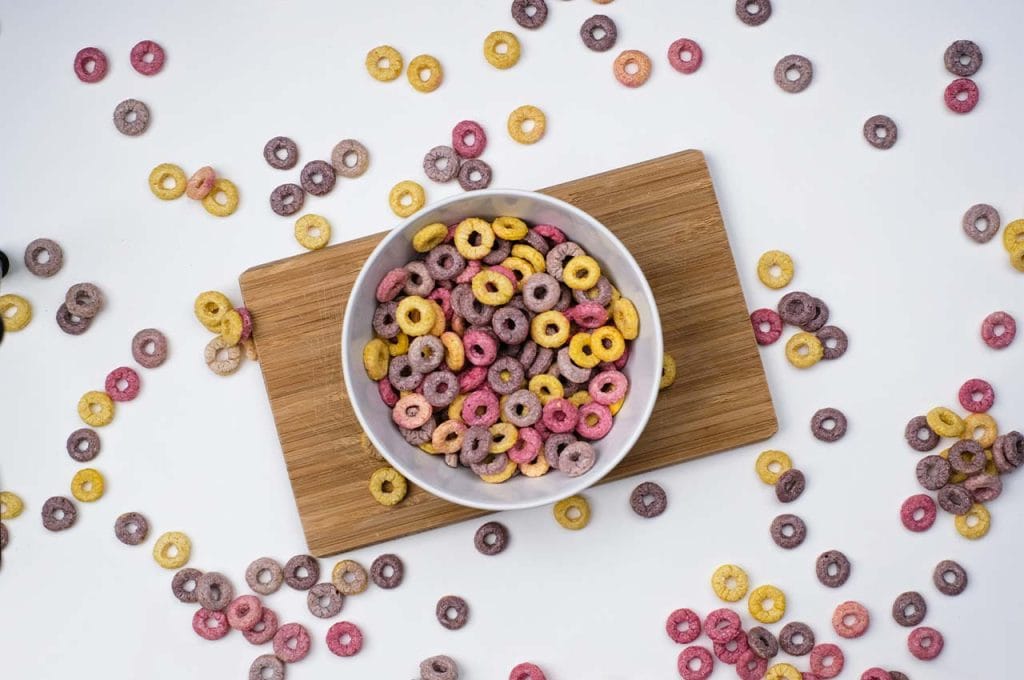
Tartrazine, or Yellow 5, gives cereals that bright color. It’s also known for triggering allergies and asthma symptoms in sensitive people. Approved in the U.S., but requires a warning label in the European Union. For those prone to allergies, eliminating it is a cautious step toward a safer breakfast routine.