Common Meals That Seem Simple but Are Tricky to Prepare Correctly

You ever try to make something that seems totally straightforward—gravy, pancakes, a decent steak—and it just… doesn’t hit right? It’s frustrating because you know it should be simple. But the truth is, those “simple” dishes are often the ones where technique, timing, and a little patience are everything. They’re what separate a meal that’s just fine from one people actually rave about.
If you’ve ever wondered why your version doesn’t taste like the one from your favorite restaurant or your grandma’s kitchen, this list is for you. I’ve rounded up the classic dishes where things tend to go a little sideways, and how to finally nail them. Ready to turn those deceptively simple meals into something you can be genuinely proud of?
Pancakes

Perfect pancakes are a lesson in gentle mixing and heat control. Whisk your dry and wet ingredients separately, then fold them together just until they’re combined. A few lumps are fine—actually, they’re good. Overmixing develops the gluten and gives you tough, rubbery pancakes. Let the batter rest for about 10 minutes. This lets the flour hydrate and the leavening do its thing. Cook them on a medium griddle—you want them to cook through and get golden brown before the outside burns. Use a little clarified butter or neutral oil. And don’t you dare press down on them with your spatula! Keep them warm in a low oven, and serve them with good maple syrup and a swipe of butter.
Pie crust
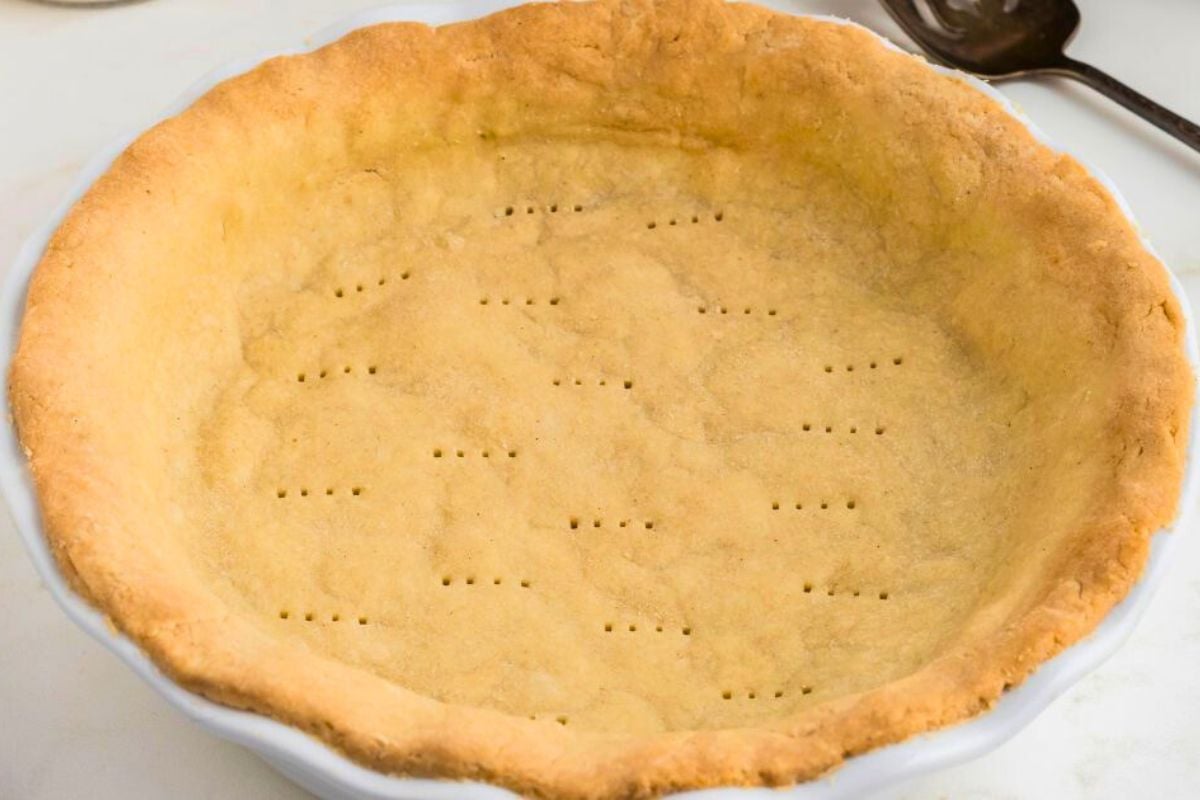
A truly flaky crust is all about temperature control and knowing when to leave things alone. Your butter needs to be cold, your water needs to be icy, and your hands need to be off that dough as much as humanly possible. You actually want to see little pieces of butter in the dough—that’s what creates steam and those lovely layers in the oven. Overwork it, and it turns into a tough, sad cracker. Rest the dough to relax the gluten so it doesn’t shrink in the pan. Roll from the center out, chill it again before baking, and for heaven’s sake, don’t skip the pie weights if you’re blind baking. A little vinegar or even vodka in the dough can help limit gluten formation, but you’re just balancing moisture. The goal? A crisp bottom, bronzed edges, and a tender bite.
Whole Oven Roast turkey
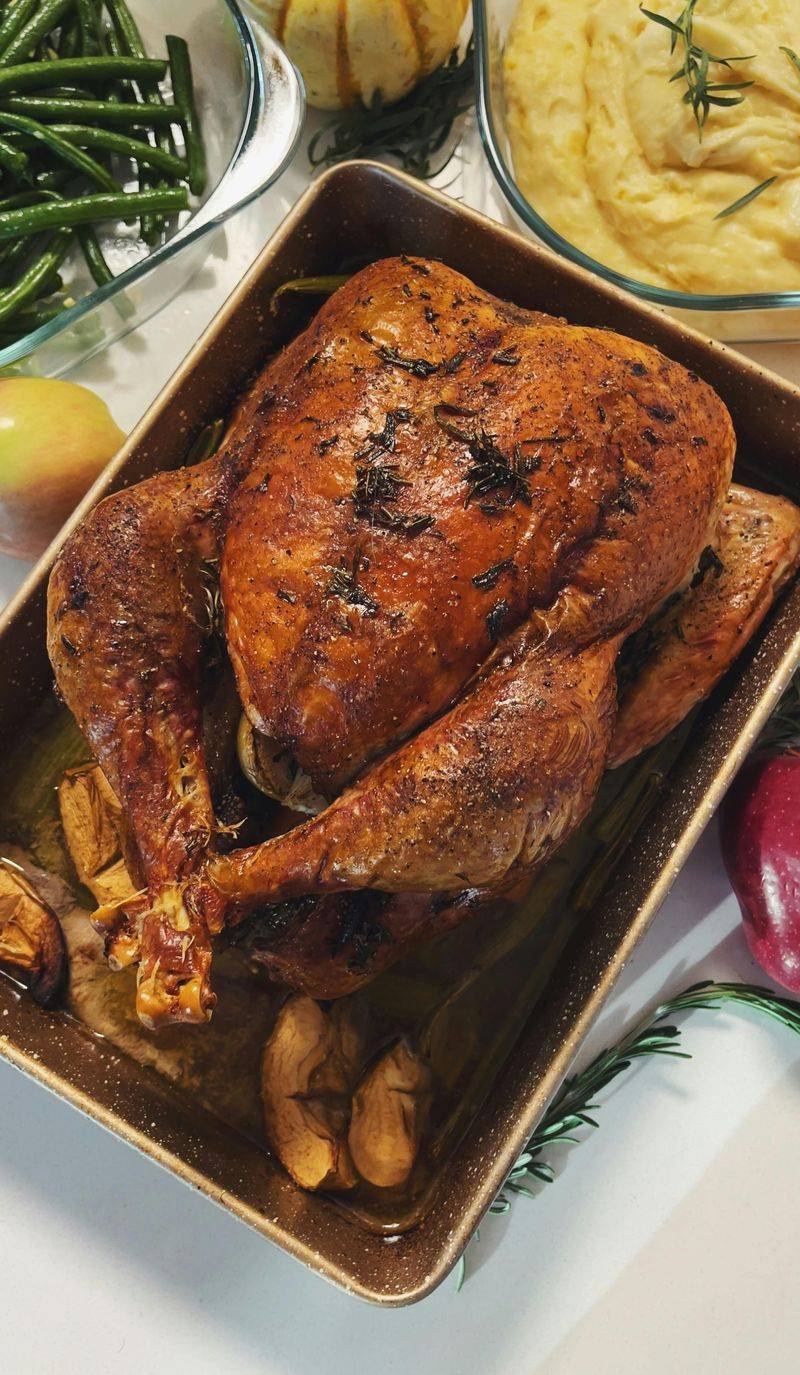
A whole turkey is a big bird with surprisingly small margins for error. Dry-brining it a day or two ahead of time is the move—it seasons the meat all the way through and helps dry out the skin. Speaking of skin, leave it uncovered in the fridge to let it dry out even more; that’s what gets you that shatteringly crisp skin. Stuff the cavity with aromatics like onion, herbs, and lemon, not a dense stuffing. Start the bird hot to get some color on it, then lower the heat to finish cooking gently. Use a thermometer in both the breast and the thigh. Pull it out of the oven when it’s a few degrees shy of your target, because it will keep cooking as it rests. And it needs to rest, tented loosely with foil, for at least 30 minutes. This is how you get juicy meat, not dry tradition.
Homemade bread
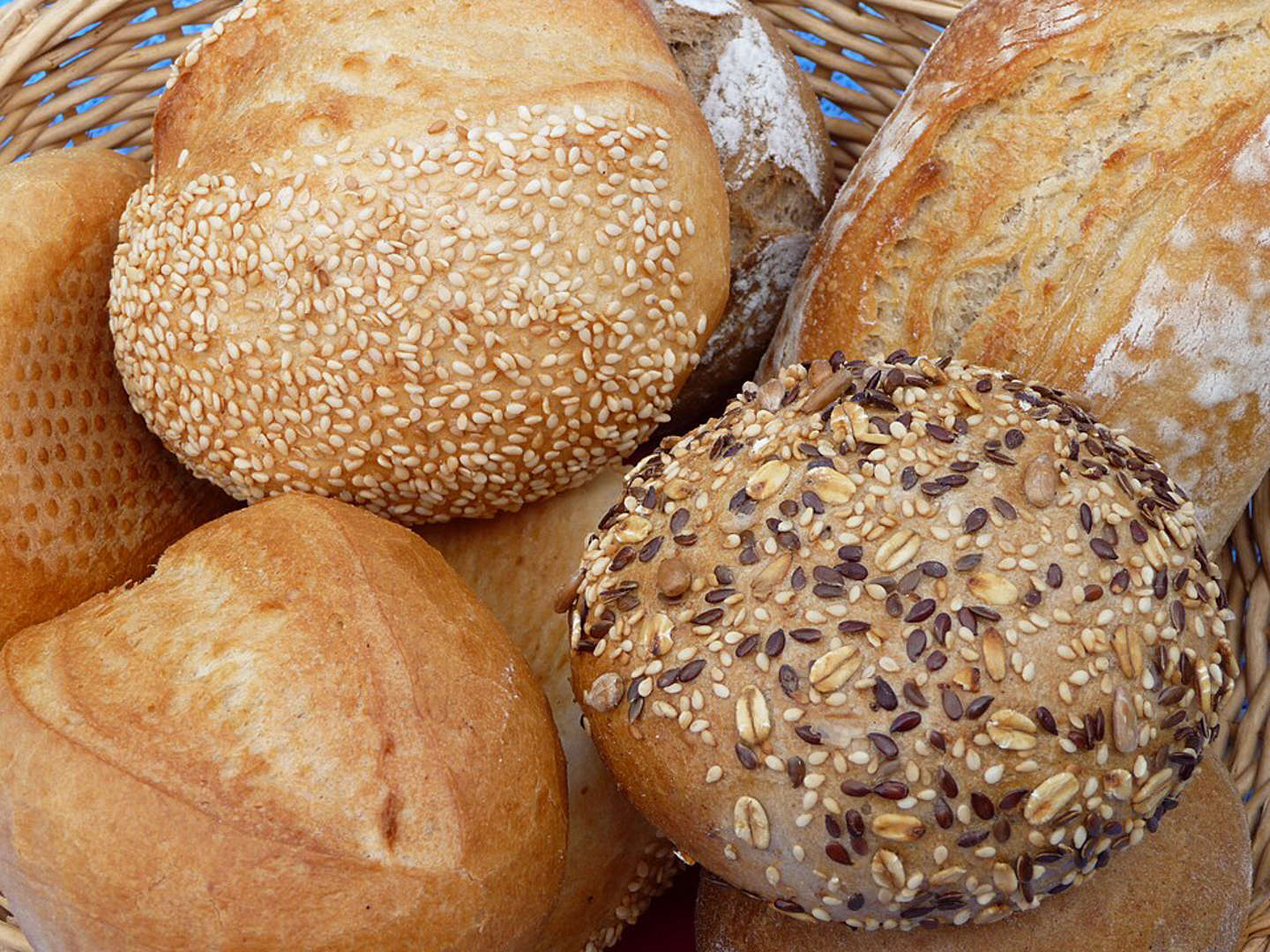
A lot of people think bread is just flour, water, yeast, and you’re done. Real bread is about fermentation, building strength in the dough, and having a little patience. The hydration level affects the crumb, the salt controls the yeast, and time is what builds flavor. You have to knead or fold until the dough feels smooth and elastic, then let it rise somewhere that’s warm but not too warm. Rushing it gives you a bland, flat loaf. Shaping matters, too—you want a tight outer “skin” to help it spring up in the oven. Score it decisively with a sharp blade. Bake it in a hot, steamy environment so the crust stays flexible long enough for the bread to really expand. And I know it’s hard, but cool it completely on a rack before you slice into it. It’s still baking inside.
Fresh pasta
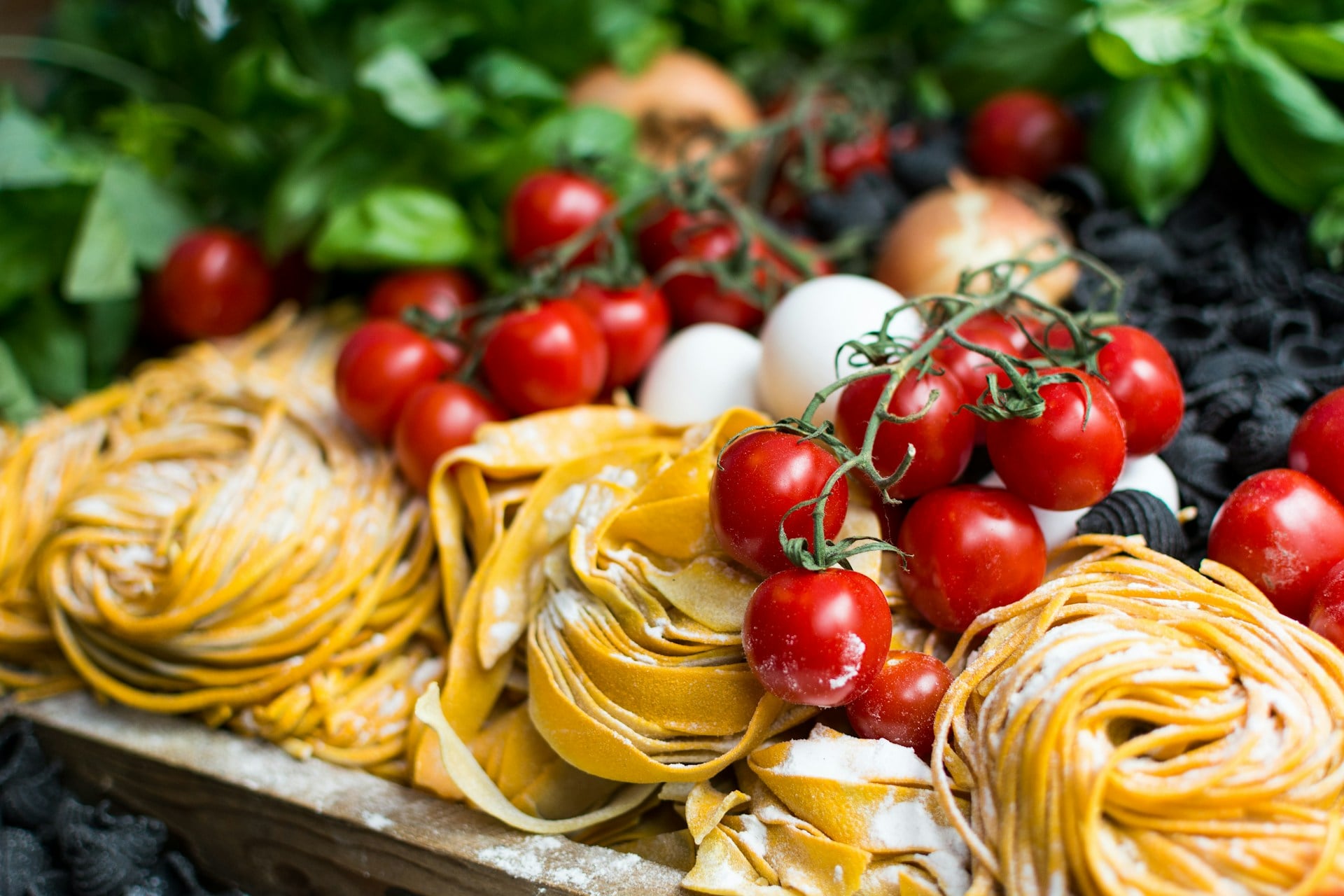
Fresh pasta is more about feel than following a recipe to the letter. You want a dough that’s smooth, elastic, and just barely tacky to the touch. How much moisture it needs depends on your flour and even the humidity that day, so be ready to adjust with a tiny bit more water or flour as you go. Knead it until it’s silky, let it rest, and then roll it out thinner than you think you need to. Dust the sheets with semolina so they don’t stick together. Salt your pasta water generously—it should taste like the sea—and keep that boil lively. The real pro move is to finish cooking the pasta in the sauce with a splash of that starchy water to help it all emulsify and cling to the noodles. Undercook it just slightly before you transfer it, and let the heat of the sauce bring it to the perfect al dente.
Risotto

Risotto asks for patient, purposeful stirring, not frantic, non-stop mixing. You start by toasting the rice in a little fat until it’s pearly and smells a little nutty, then deglaze with wine. Add your hot stock one ladleful at a time, waiting until it’s mostly absorbed before adding more. This slow release of starch is what creates that signature creaminess—no cream needed! Keep it moving, but gently. Off the heat, mount it with a knob of cold butter and a handful of grated Parmesan for the final shine. You’re looking for all’onda, which means it should flow like a slow wave when you tilt the plate. Overcook it and it’s mush; undercook it and the center is chalky. And serve it immediately, while it’s still moving.
Dumplings
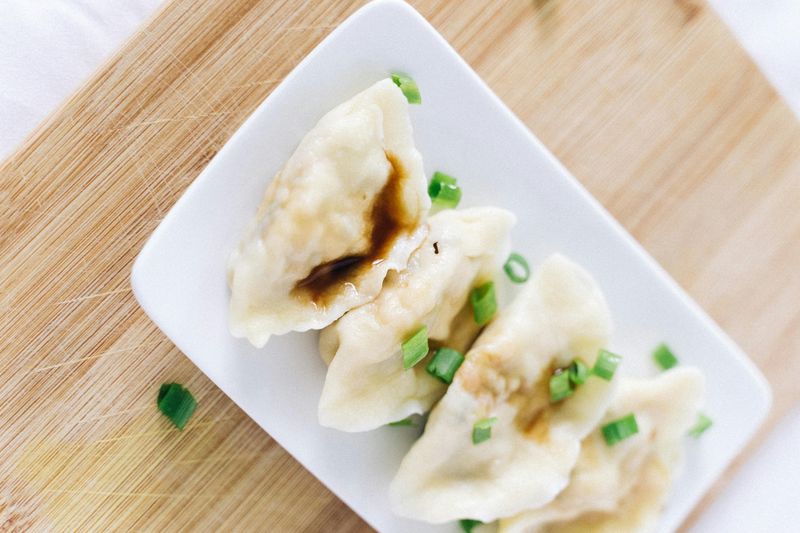
Dumplings seem simple until you’re staring at a pile that fell apart in the pot. The dough needs to be just right—tender but elastic. The filling needs to be moist and flavorful, but not so wet that it makes the wrappers soggy. (Pro tip: salt-squeeze your cabbage or use a little gelatinous stock.) Your pleats need to be tight, with no air pockets trapped inside. However you cook them—steamed, boiled, or that fry-steam method for potstickers with a lacy, crisp bottom—you need to control the heat. Don’t overload the pan. Let them rest for a minute before serving. And a good dipping sauce, with a balance of vinegar, soy, and a little heat, makes all the difference.
Ramen broth

Ramen broth is a whole world, from feather-light clear soups to intensely rich, cloudy tonkotsu. The key is control. For that famous tonkotsu, you actually want a violent boil to emulsify the collagen and fat into a rich, opaque liquid. For clearer styles, you keep the heat low and skim, skim, skim. The tare—the seasoned base in the bottom of the bowl—is just as important as the broth itself. It provides the salt and personality. The aromas come from hours of simmering bones, kombu, mushrooms, and chicken backs. Strain it meticulously. The final bowl is a tiny orchestra of broth, tare, aroma oil, noodles, and toppings, all needing to be in perfect balance.
Paella
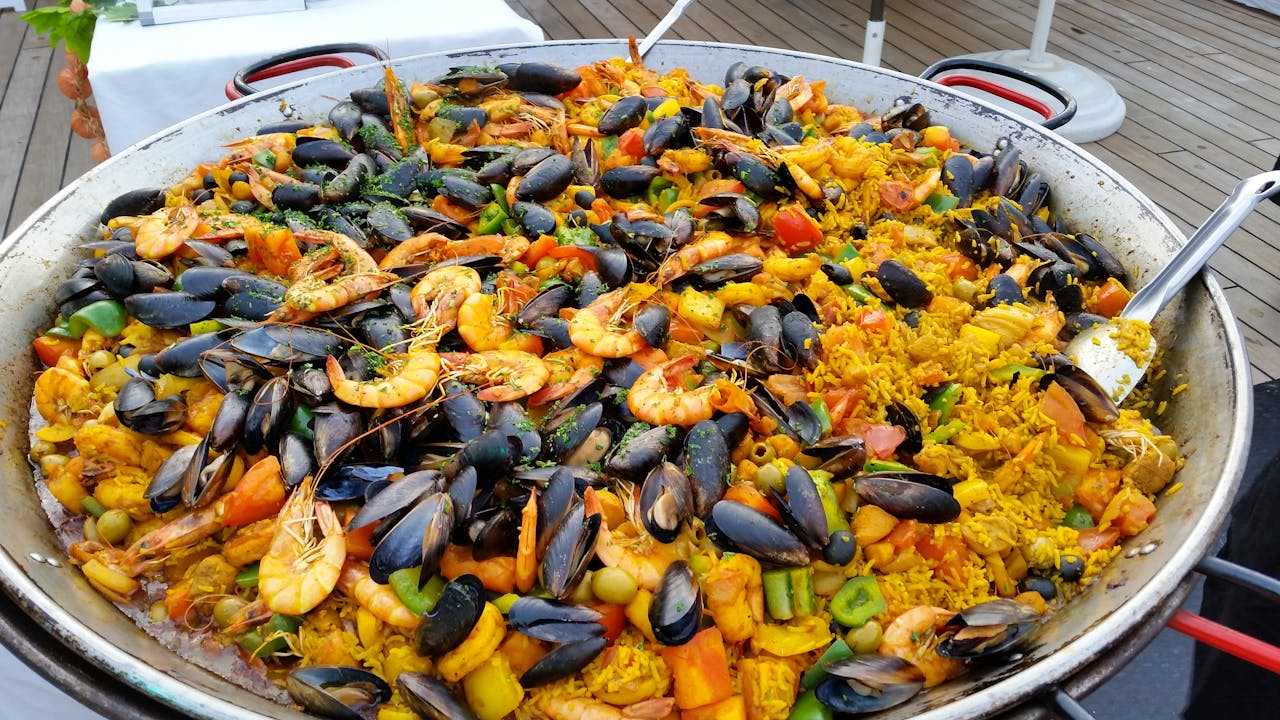
Paella is a lesson in heat management and respecting the rice. You need a wide, shallow pan so the rice cooks in a thin, even layer. You build flavor by slowly cooking the sofrito until it’s jammy, bloom the saffron, and toast the rice in the pan before you add any liquid. And here’s the rule: once that stock goes in, you do not stir. No stirring! You want that structure. You can rotate the pan for even cooking, but the goal is to develop the socarrat—that deeply caramelized, slightly crunchy bottom crust. Seafood goes in late so it doesn’t overcook. Then let it rest under a cloth for a few minutes before serving, right from the pan, with lemon wedges.
Lasagna from scratch

Real lasagna is architecture. It’s a structure of fresh pasta sheets, a slow-simmered ragu, and a silky béchamel sauce, all stacked into clean, distinct layers. If you’re using ricotta, drain it well so it doesn’t water down your sauce. Watery sauce is the enemy of a slice that holds its shape. Par-cook your fresh pasta sheets just briefly and lay them out on towels. Season every single layer—the meat, the sauce, the cheese. And after it bakes, you must let it rest. This is non-negotiable. It needs that time to set so you can cut a clean square. When it’s balanced, every single bite has a little bit of everything.
Meatballs

Great meatballs are these amazing, tender little clouds with a beautifully seared, flavorful crust. The secret is a panade—breadcrumbs soaked in milk—which keeps them incredibly moist. You mix the ingredients gently, just until they come together. Overmixing makes them tough. A blend of meats, like beef and pork, gives you better flavor and fat content. Sear them hard to get that brown crust, then let them finish cooking in a simmering sauce so those juices mingle. Season boldly. The meat, the cheese, the herbs—they all need to be able to stand up to the sauce. Fry up a tiny test patty first to check your seasoning.
Fresh Soup stock
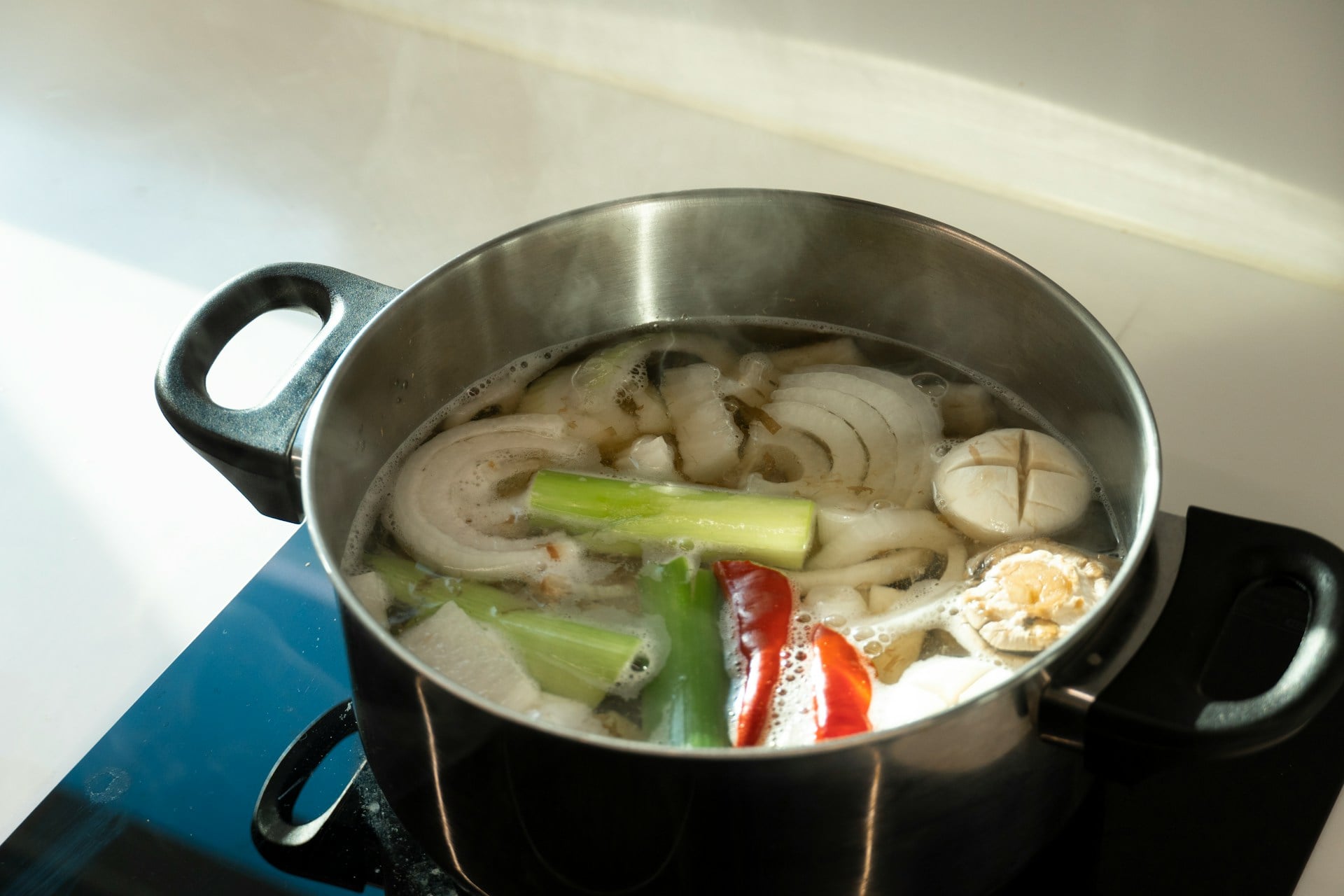
Making a really good stock is a lesson in quiet discipline. You start everything in cold water, bring it up to a bare simmer, and then you skim. And skim. And skim some more. Patience here is everything. Never let it boil if you want a clear stock. Cut your aromatics big so they infuse without disintegrating into a mush. Go very light on the salt, because the stock will reduce later. Roast your bones for a rich, brown stock; leave them raw for a more delicate, pale one. Throw some parsley stems in near the end for a final lift of freshness. Strain it through a fine-mesh sieve without pressing on the solids. Then chill it quickly and lift off that solid fat cap. Your soups, risottos, and sauces will instantly be on another level.
Gravy
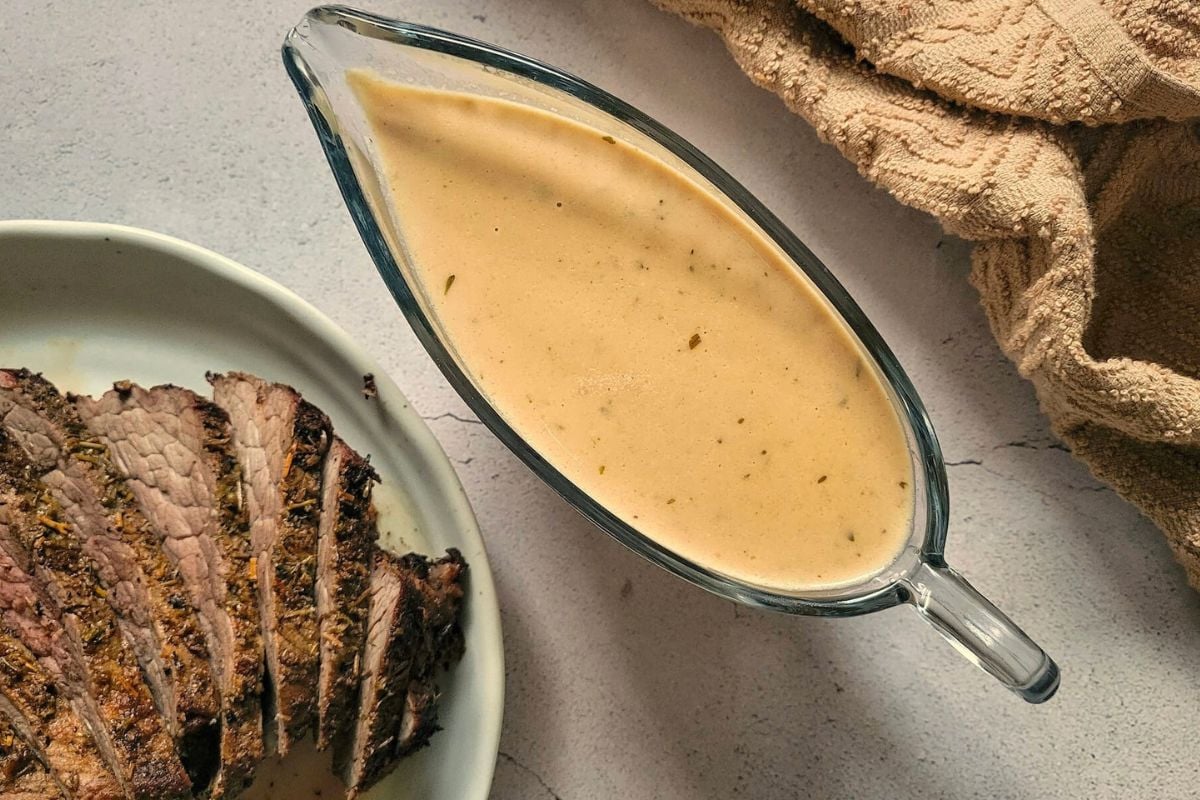
Good gravy isn’t just about thickening pan drippings. It starts with a properly cooked roux—you need to toast that flour in fat until it smells nutty, otherwise you’re just eating raw paste. Make sure you deglaze the pan completely, scraping up all those flavorful browned bits (the fond) without burning them. Then you build it up with good stock and a tiny splash of something acidic, like wine or a squeeze of lemon. Season at the very end, after it’s simmered, because salt concentrates as it reduces. And skim off any excess fat so it tastes silky, not greasy. If lumps appear, whisk like you mean it, or just strain it and finish with a knob of butter for a little shine.
Chili from scratch
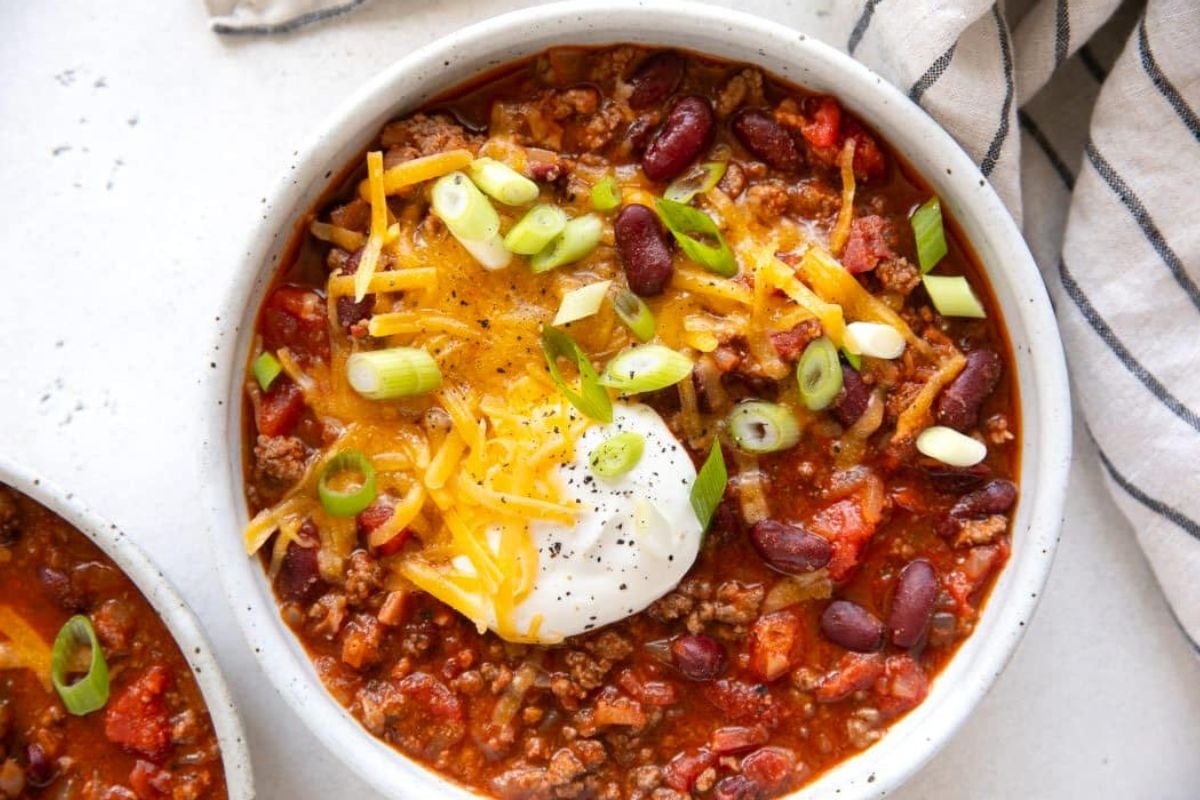
Real chili isn’t just opening a few cans and dumping in some powder. You build flavor. Toast and grind whole dried chilies, or blend rehydrated ones into a paste. Brown your meat in batches so you get good fond, not steam it. Bloom your spices in the hot fat. You’re looking for a balance of heat, sweetness, and acidity, which you can adjust with tomatoes, a splash of beer, or a little vinegar. Then you just let it simmer until the meat is tender and all those flavors have melted together. Salt it in stages. If you’re using beans, add them gently near the end so they don’t turn to mush. Thicken it by letting it reduce, or with a little masa harina (corn flour) slurry. It’s always better the next day.
Stuffed peppers
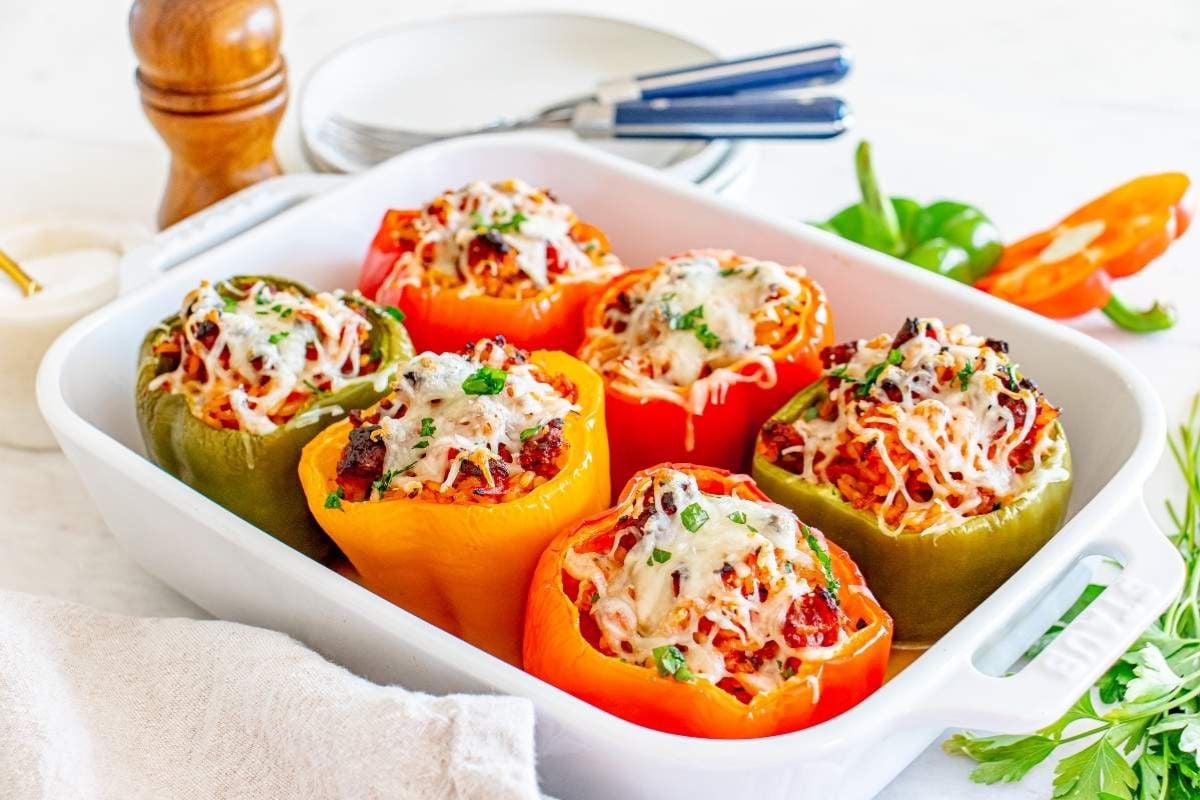
Stuffed peppers go wrong when the filling is either bland or turns into a soggy mess. Par-cook your rice. Season your filling like you mean it—onions, garlic, herbs, salt, pepper. Include something juicy like diced tomatoes, but something with structure, too, like browned meat. Hollow out your peppers evenly and consider giving them a quick roast first to concentrate their sweetness. Pack the filling in there slightly loosely, so steam can move through. Add a little sauce to the bottom of the pan, cover to let them steam through, then uncover to let the tops get a little browned and lovely.
Cabbage rolls
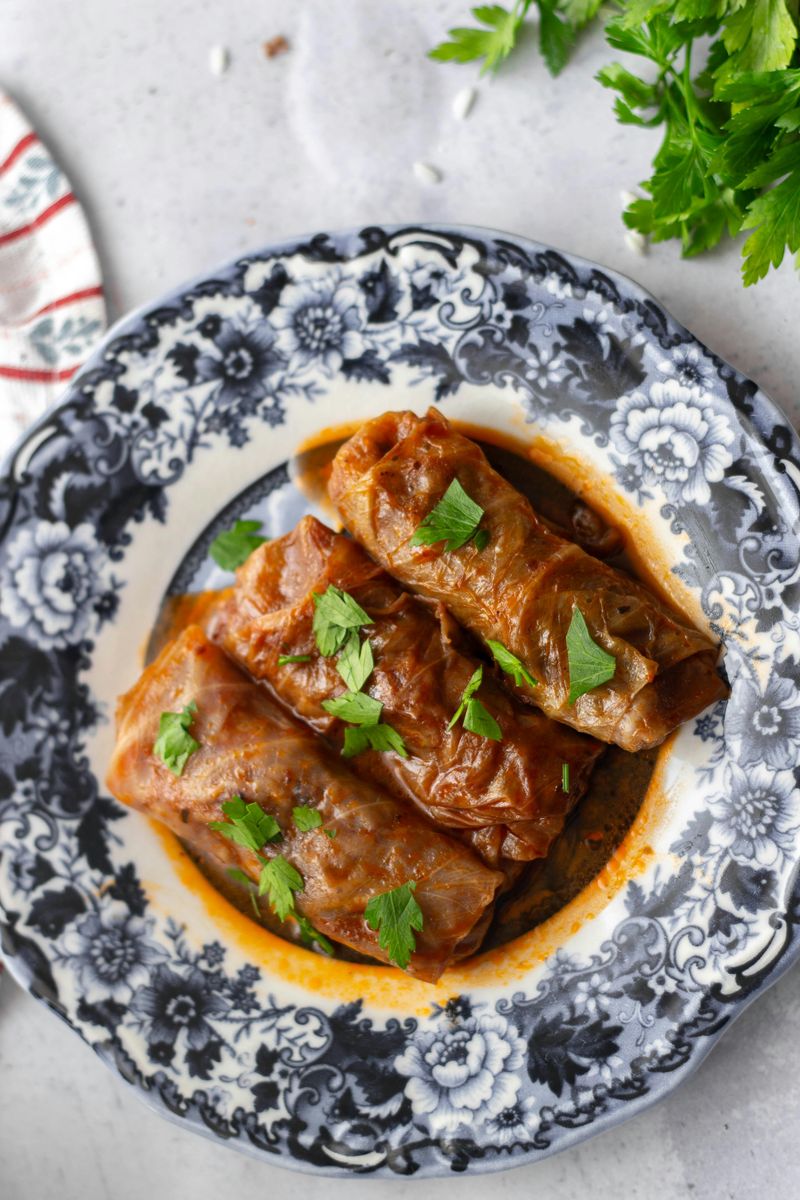
Cabbage rolls are all about getting those leaves tender and pliable without tearing them. Core the head, blanch it in boiling water, and then shock it in an ice bath. The leaves should bend easily. Your filling—meat, rice, aromatics—needs to be well-seasoned and moist enough to stay juicy. Roll them up tight, tucking in the sides like a little package. Nestle them in a baking dish with plenty of sauce and braise them gently. Don’t overcrowd the pot or they’ll stew unevenly. Let them rest for a bit before serving; a dollop of sour cream is the perfect finishing touch.
Caramel sauce
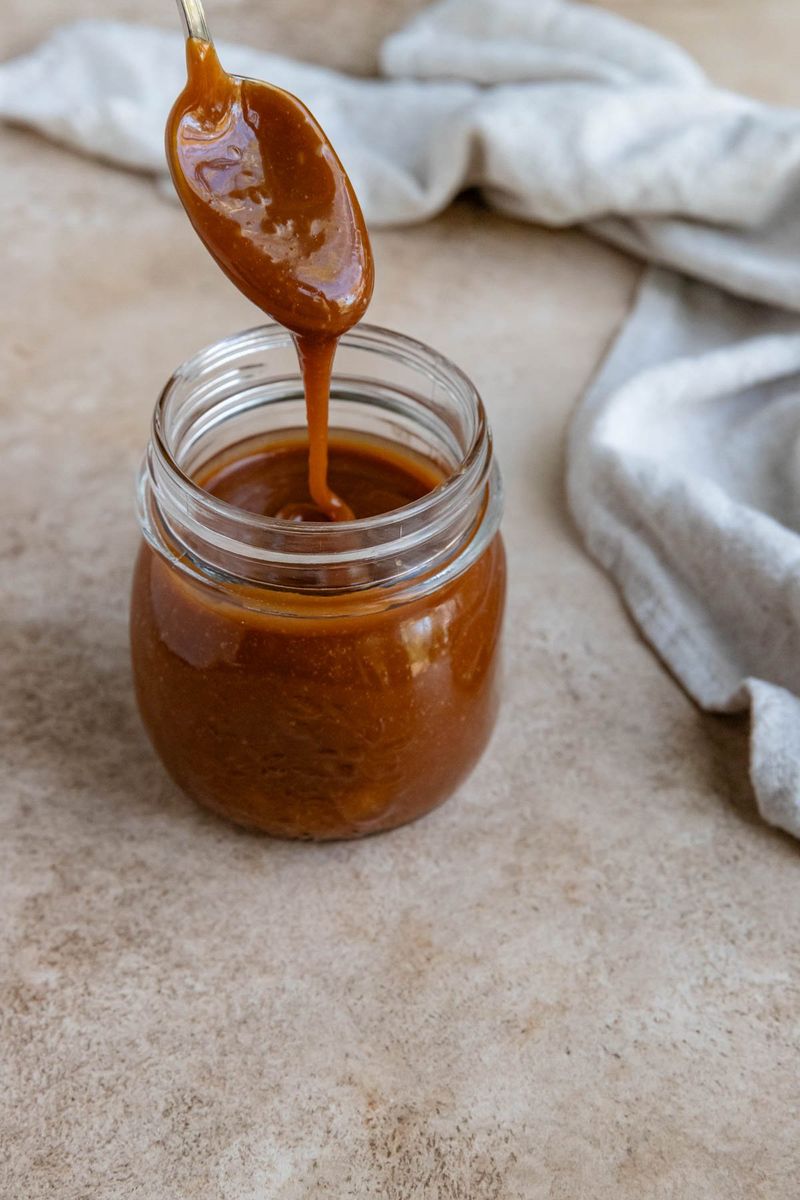
Making a dry caramel is a thrilling, fast-moving process. That sugar melts, darkens, and can go from perfect to burnt in about ten seconds flat. Use a light-colored pan so you can actually see the color change. Swirl the pan gently, and avoid stirring at the beginning, which can cause crystallization. The moment it hits a deep amber, you take it off the heat and carefully whisk in your warm cream. It will sputter and steam dramatically—that’s normal. Then you whisk in your butter and a pinch of salt. A wet caramel (starting with sugar and water) is a little slower and more forgiving, but you have to be vigilant about washing down any sugar crystals from the sides of the pan with a wet pastry brush.
Fried chicken
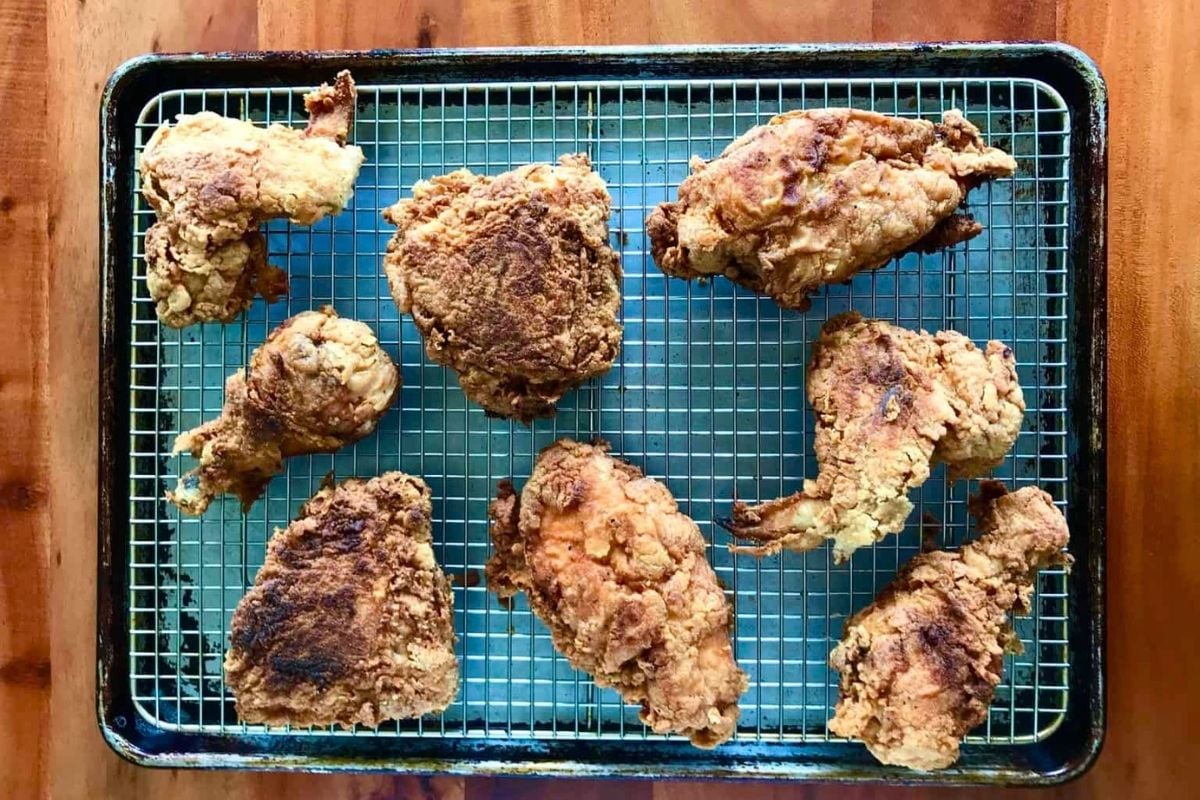
Truly crispy, juicy fried chicken is a process. It starts with a brine—buttermilk is classic—to tenderize and season the meat all the way through. That needs time. Then you dredge in well-seasoned flour, let it rest for a bit so the coating hydrates and adheres, and then fry in oil that’s at a steady, controlled temperature. Don’t crowd the pan, or the temperature plummets and everything turns greasy. A thermometer is your best friend here. Dark meat is more forgiving, but white meat dries out in a flash. Rest the chicken on a wire rack, not on paper towels, so it stays crunchy. And give it one last little dusting of salt while it’s still hot.