How to Avoid Dry Meat When Grilling: Common Errors to Watch For

Grilling is one of those things that feels simple… until it’s not. You throw some meat on the grill, expect it to turn out juicy and perfect—and somehow it ends up dry, tough, or just a little disappointing.
Most of the time, it’s not the ingredients. It’s the small habits that quietly work against you. The good news is once you spot these mistakes, they’re easy to fix—and your results improve fast. Here are the most common grilling mistakes that dry out meat and how to avoid them.
Sauce Too Early
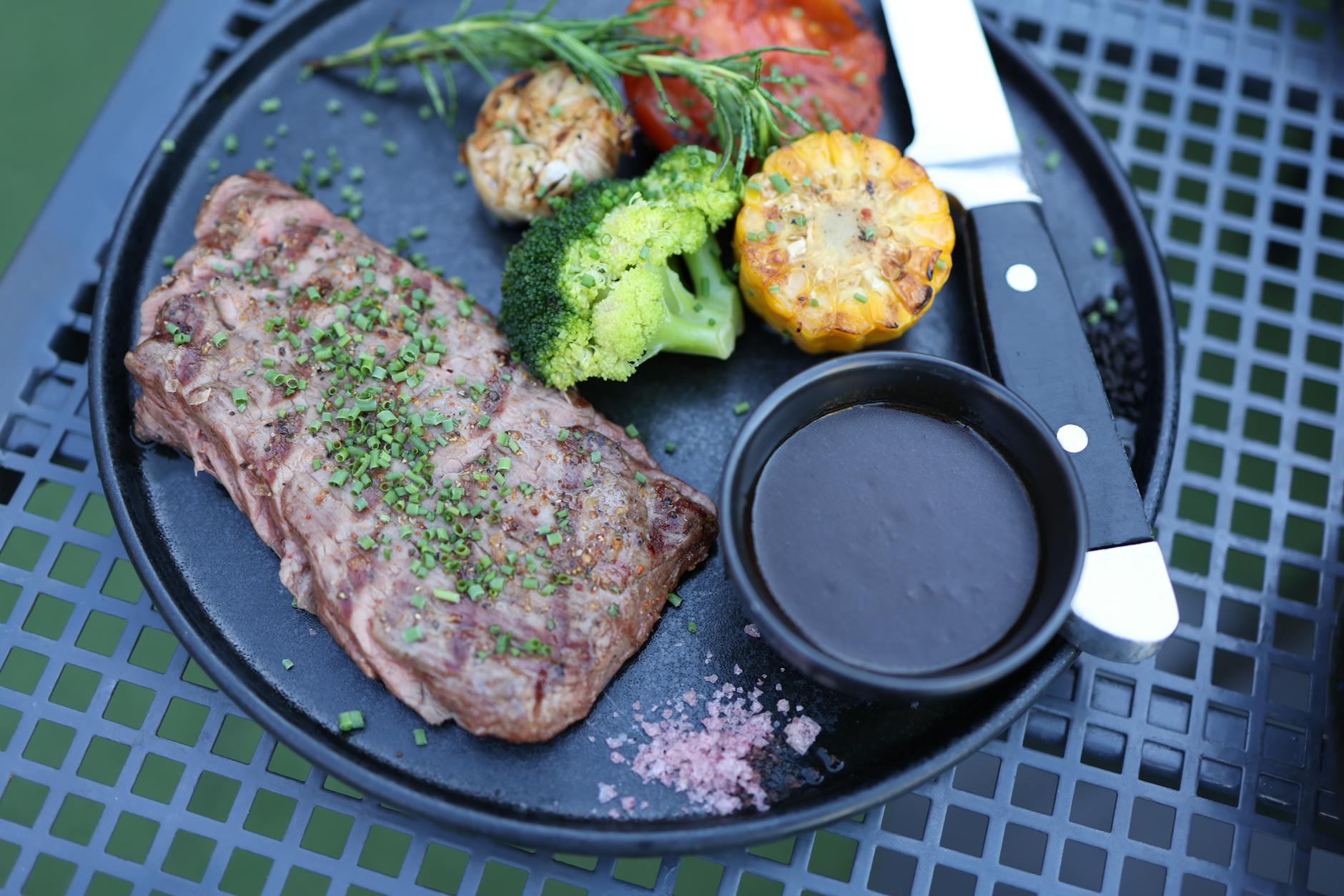
Sauces with sugar can burn quickly if added too soon, creating a bitter crust and throwing off the cooking process.
Wait until the last few minutes to add sauce so it caramelizes properly without burning.
Skipping the Marinade
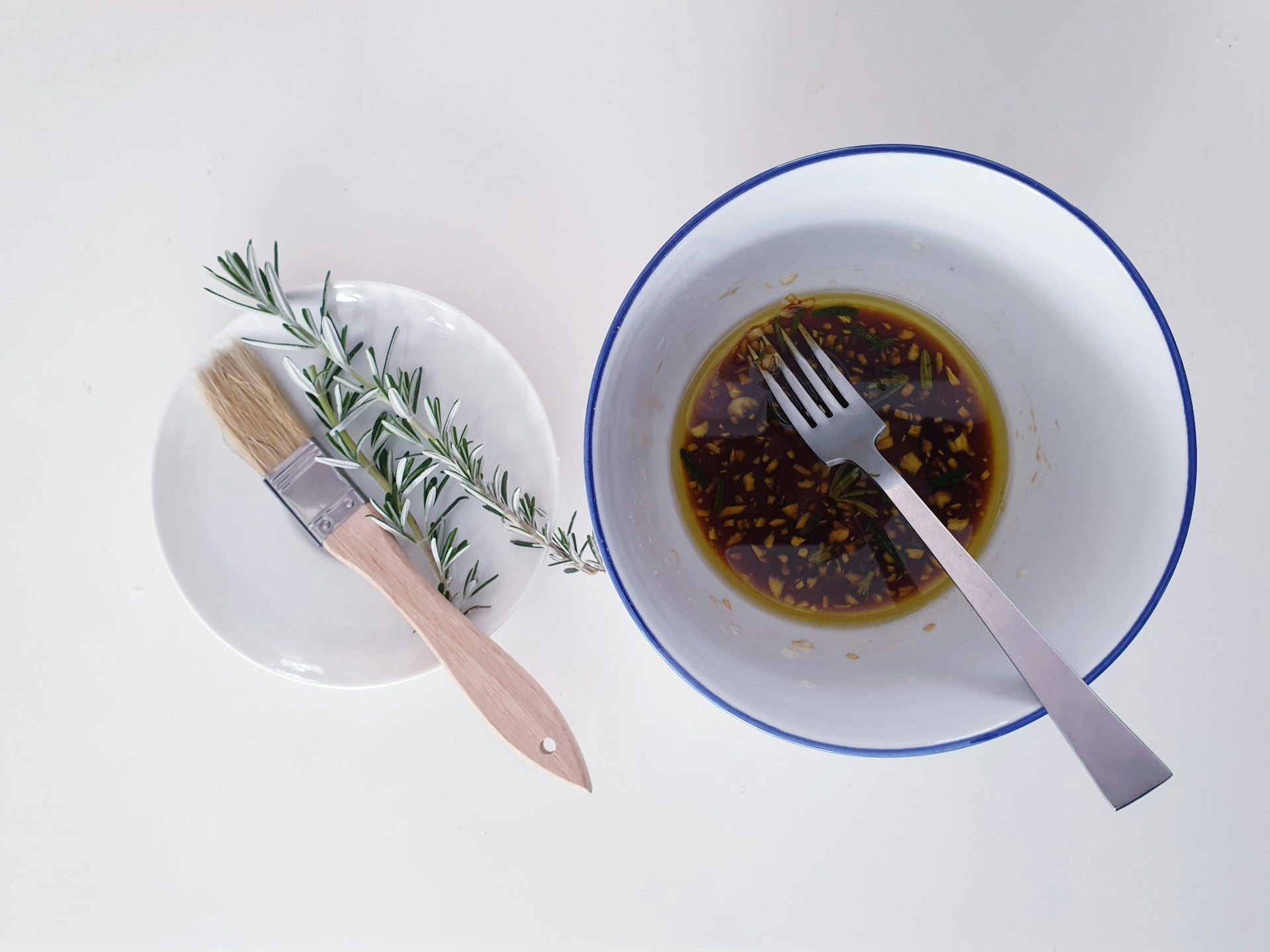
Marinades aren’t just about flavor—they help add moisture and break down tougher fibers before cooking. Skipping this step can leave meat more vulnerable to drying out.
Even a quick 30-minute marinade can make a difference, especially for lean cuts. Oil-based marinades are great because they help distribute heat more evenly across the surface.
Cold Meat
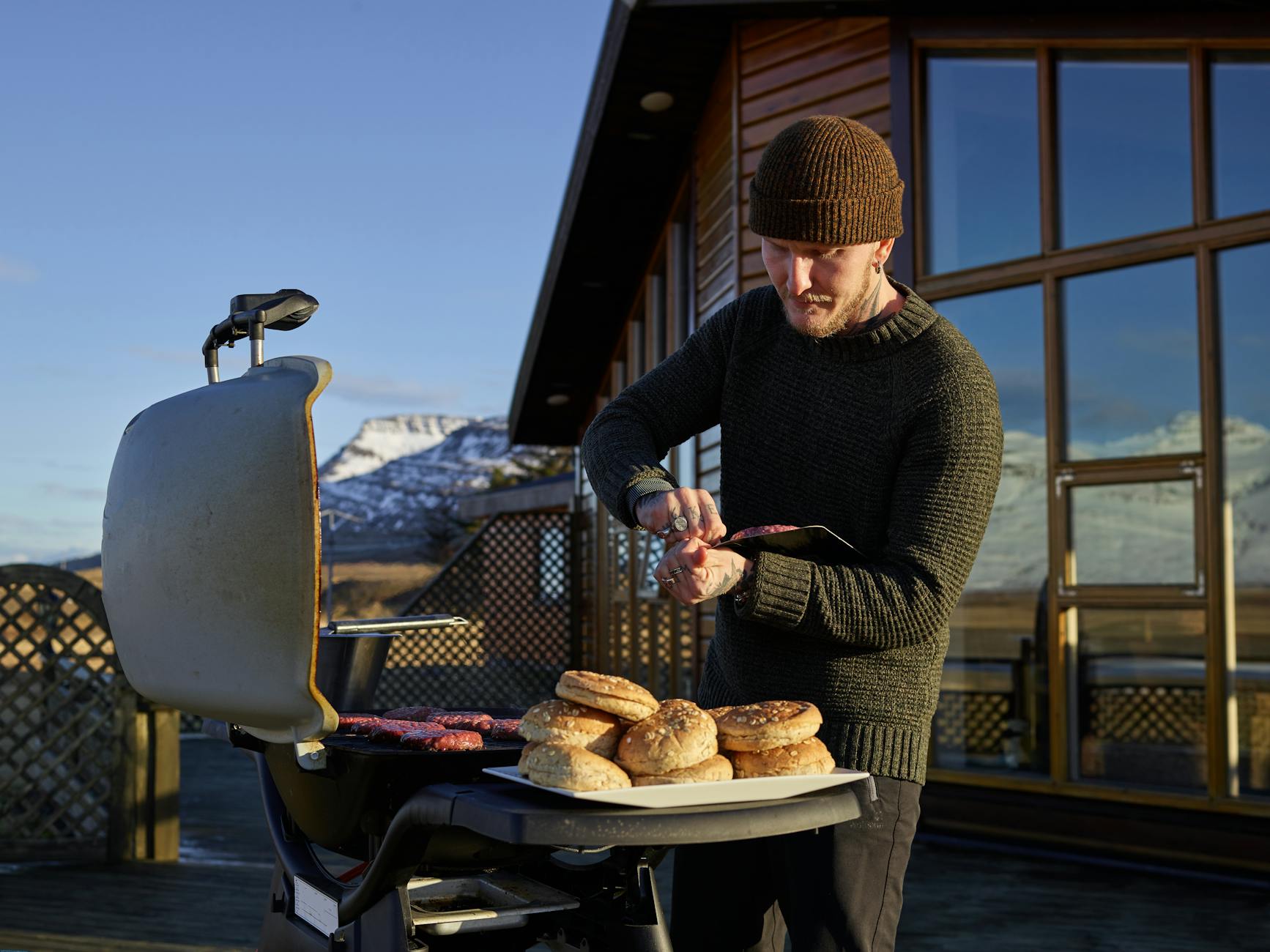
Taking meat straight from the fridge to the grill creates uneven cooking. The outside heats up too fast while the inside stays cold, leading to dryness.
Letting meat sit at room temperature for about 20–30 minutes before grilling helps it cook more evenly and stay juicy.
Thin Cuts of Meat
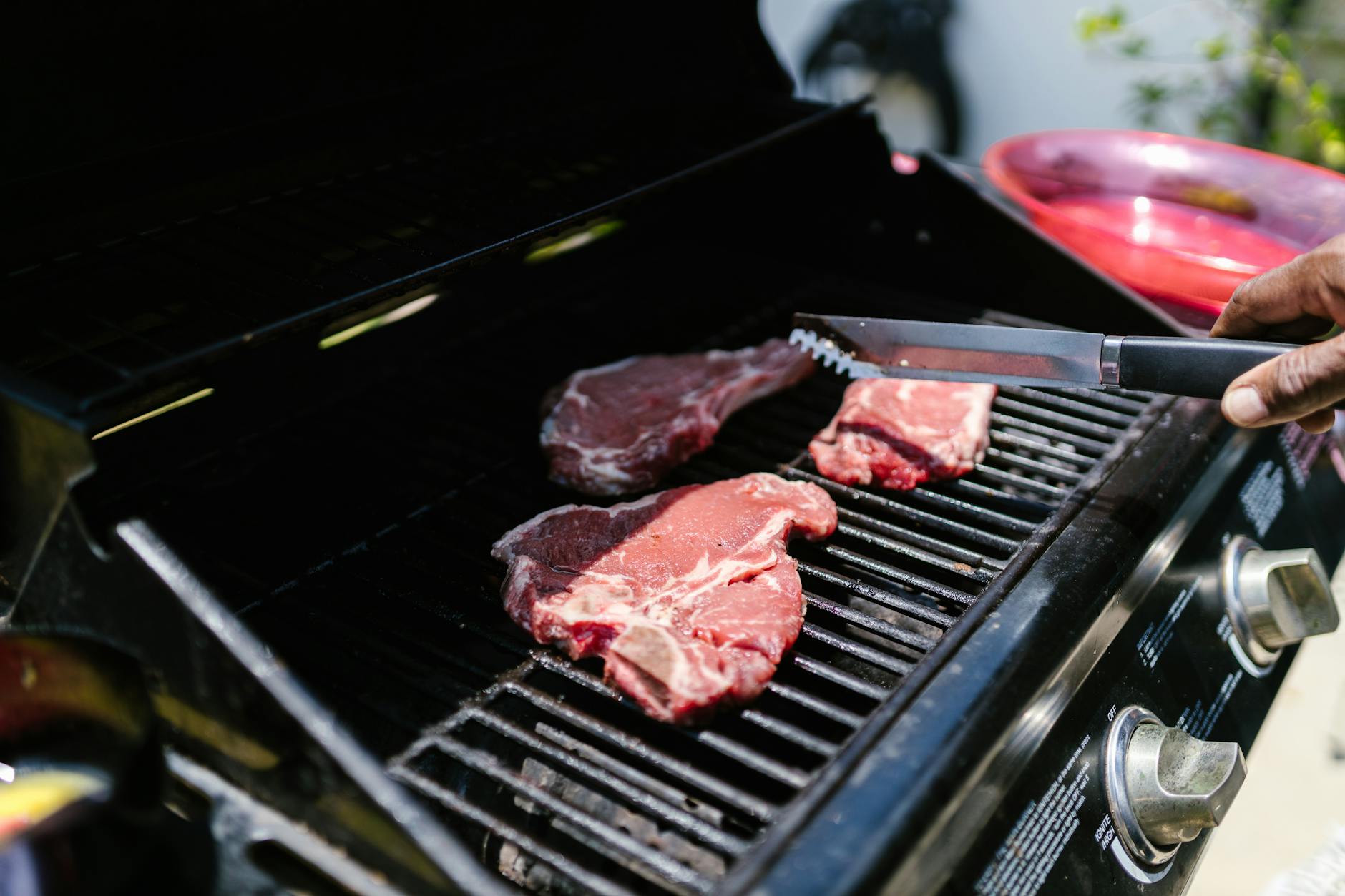
Thin cuts cook fast—sometimes too fast. There’s almost no margin between perfectly cooked and overdone.
Choosing thicker cuts or evening them out (like butterflying) gives you more control and better results.
Overcooking

This is the biggest one. Once meat passes its ideal internal temperature, it starts losing moisture quickly—and there’s no fixing that after the fact.
Using an instant-read thermometer takes out the guesswork. It’s one of the easiest upgrades you can make to your grilling game.
Constant Flipping
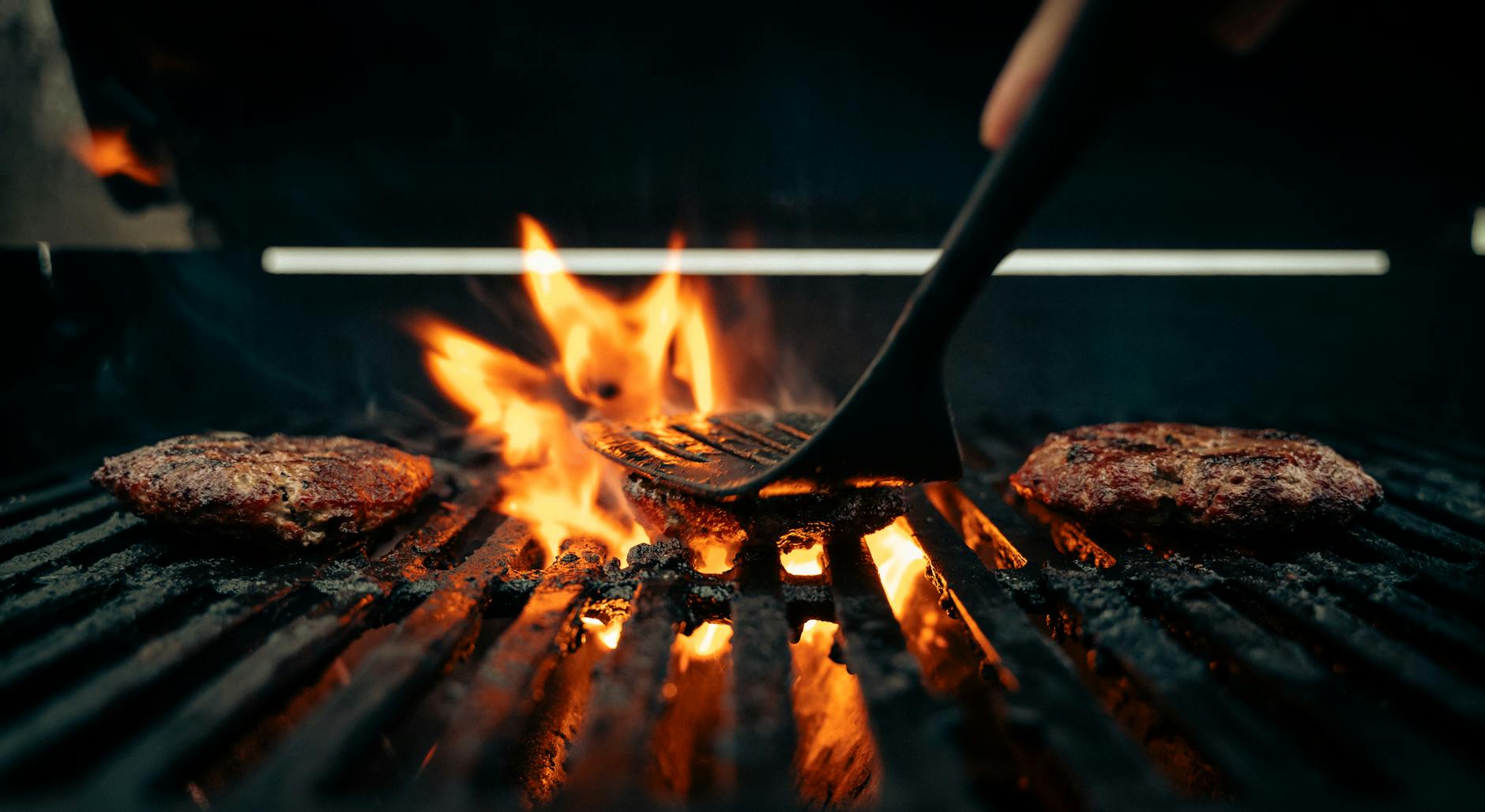
Constant flipping interrupts the sear, which is what helps lock in juices and build flavor. It also prevents the meat from cooking evenly.
Most cuts only need to be flipped once or twice. Let the grill do its thing—patience pays off here.
High Heat
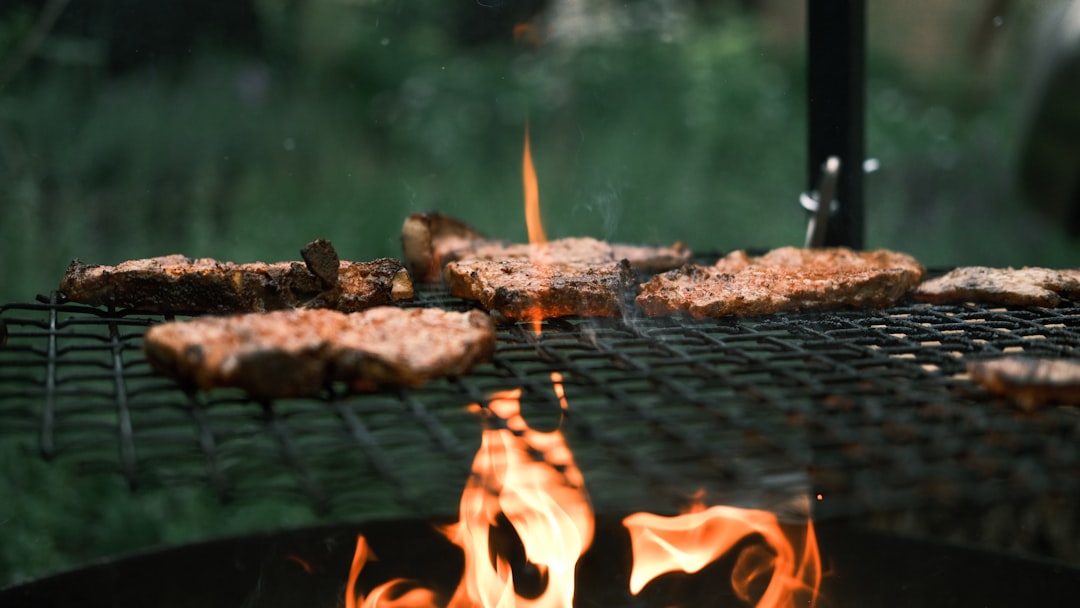
Cranking the heat too high might seem like the fastest way to cook, but it usually backfires. The outside cooks too quickly while the inside struggles to catch up, leaving you with a tough exterior and dry interior.
A better approach is using a two-zone setup—one side for high heat and one for lower, indirect heat. This gives you way more control and helps cook meat evenly without drying it out.
Skipping the Rest
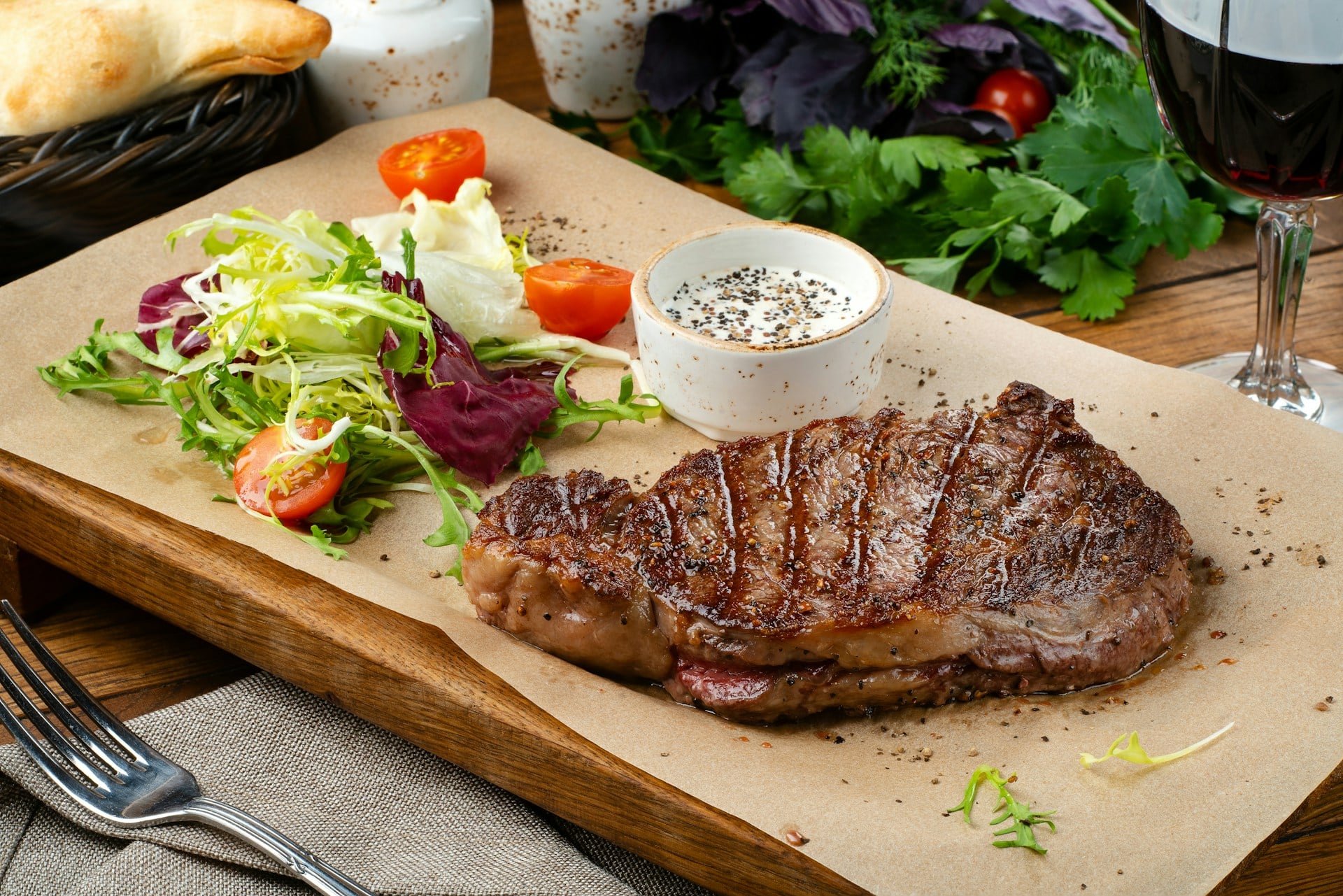
Cutting into meat right off the grill lets all those juices run out onto the plate instead of staying in the meat.
Let it rest for at least 5 minutes (longer for bigger cuts). This simple step makes a huge difference in juiciness.
Wrong Cut
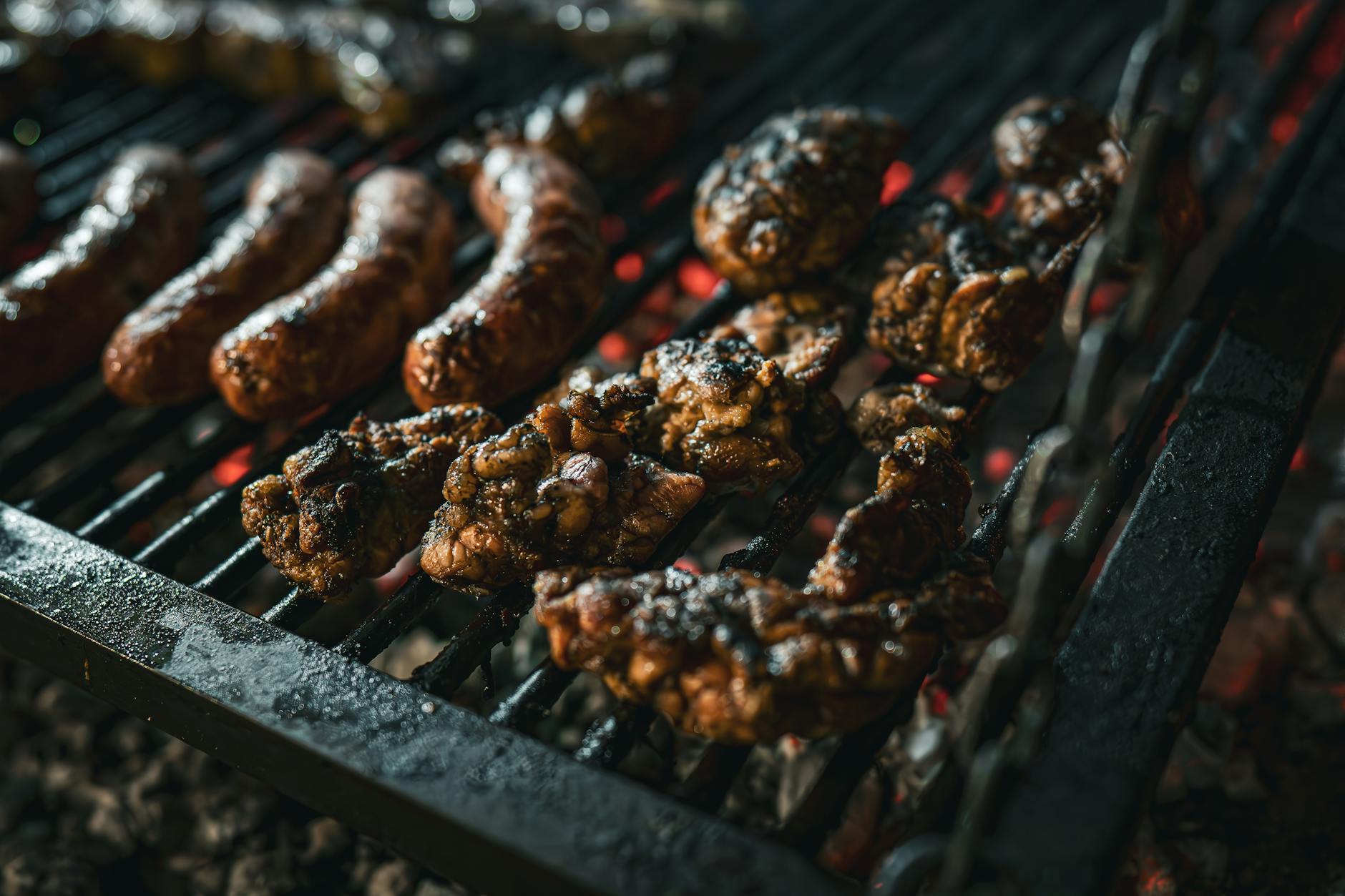
Not every cut is meant for high-heat grilling. Lean cuts like chicken breast or pork tenderloin can dry out quickly if not handled carefully.
Choosing cuts with a bit more fat—or adjusting your cooking method—can help keep things juicy and flavorful.
Skipping the Brine
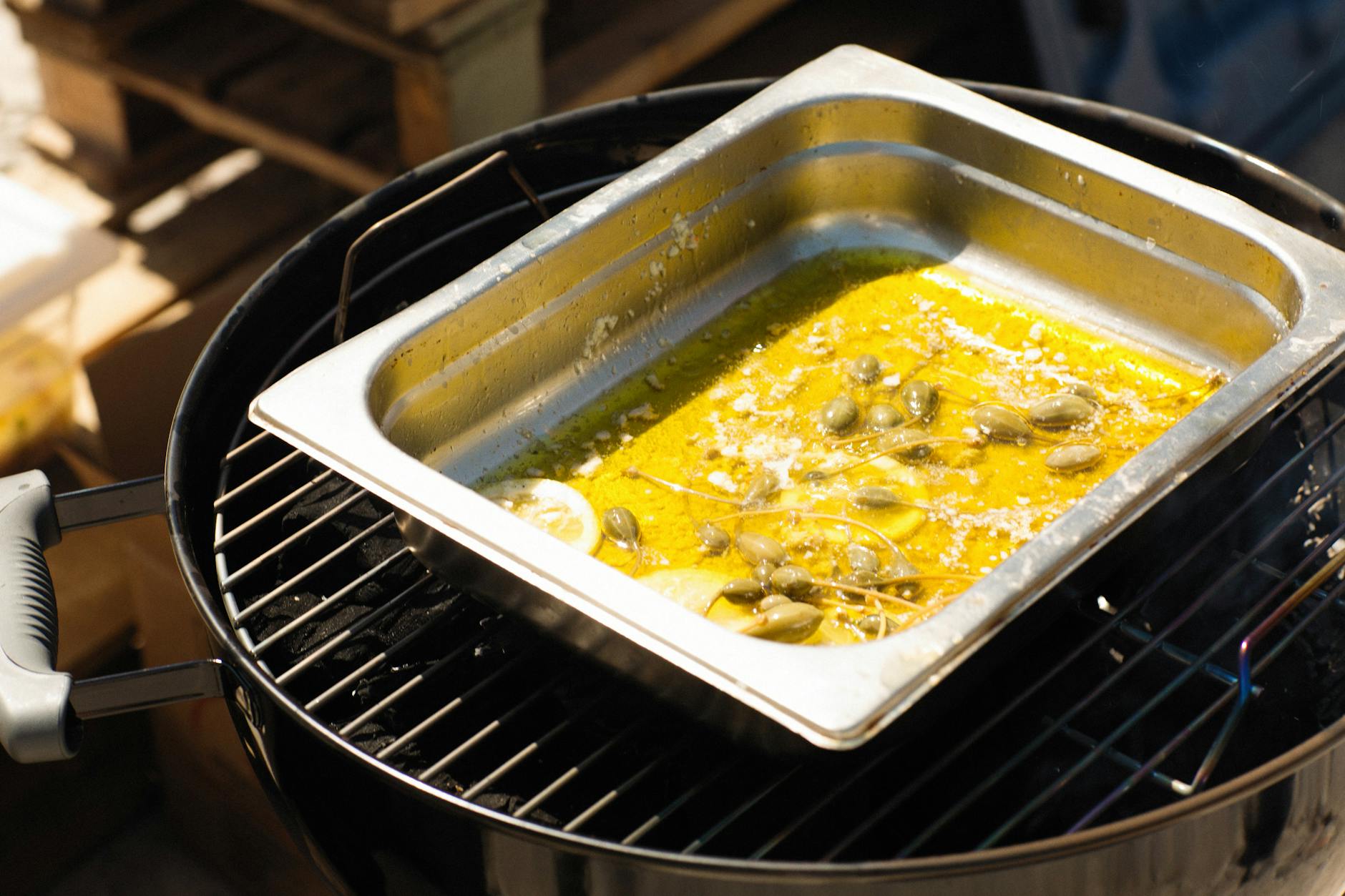
Brining helps meat hold onto moisture while it cooks. Without it, lean proteins are much more likely to dry out.
Even a short brine can make a noticeable difference, especially for chicken and pork.
Pressing the Meat
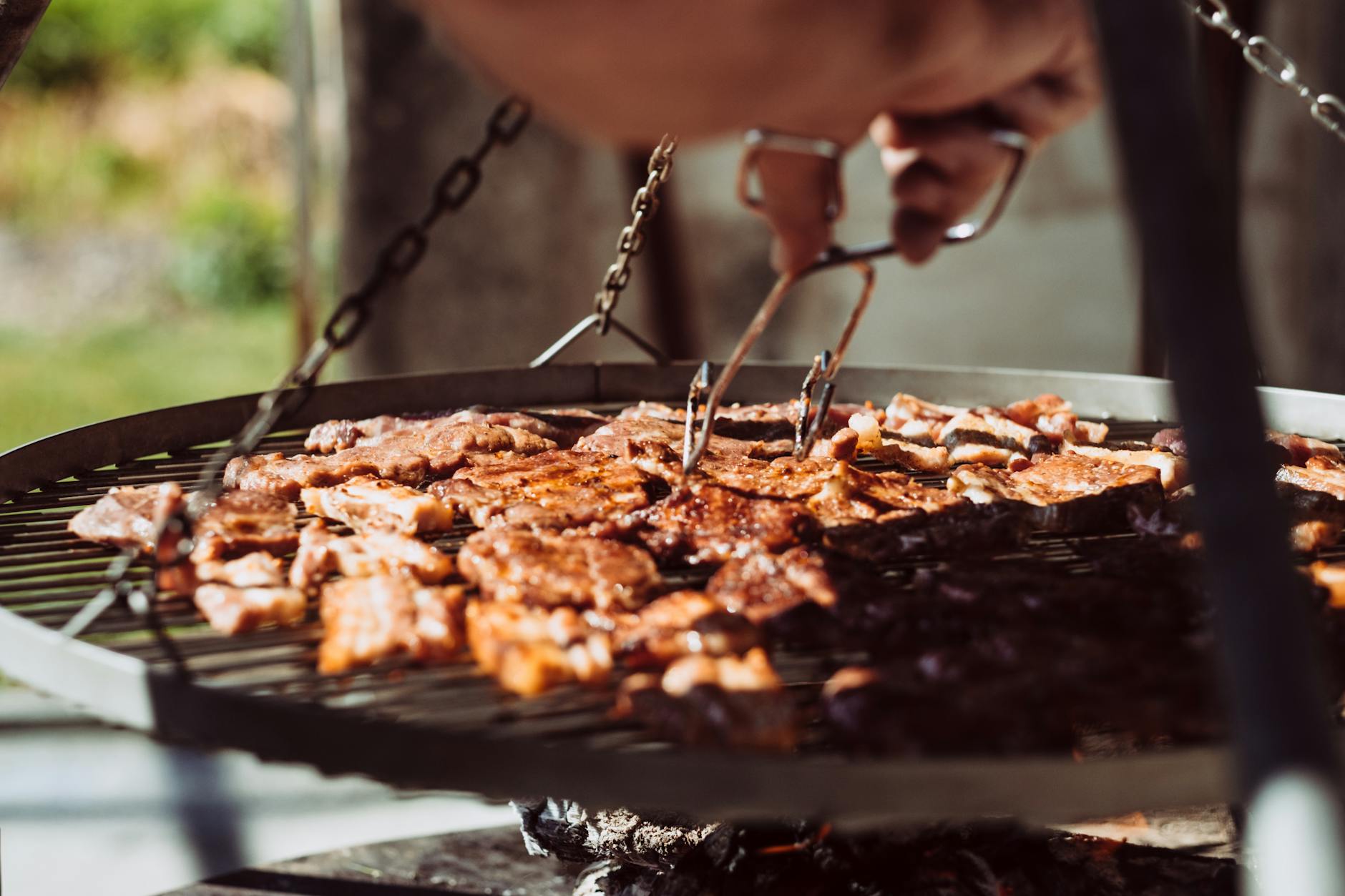
Pressing meat with a spatula might feel satisfying, but it literally squeezes out the juices you want to keep.
Leave it alone and let it cook undisturbed. You’ll end up with a much juicier result.
Uncovered Grilling
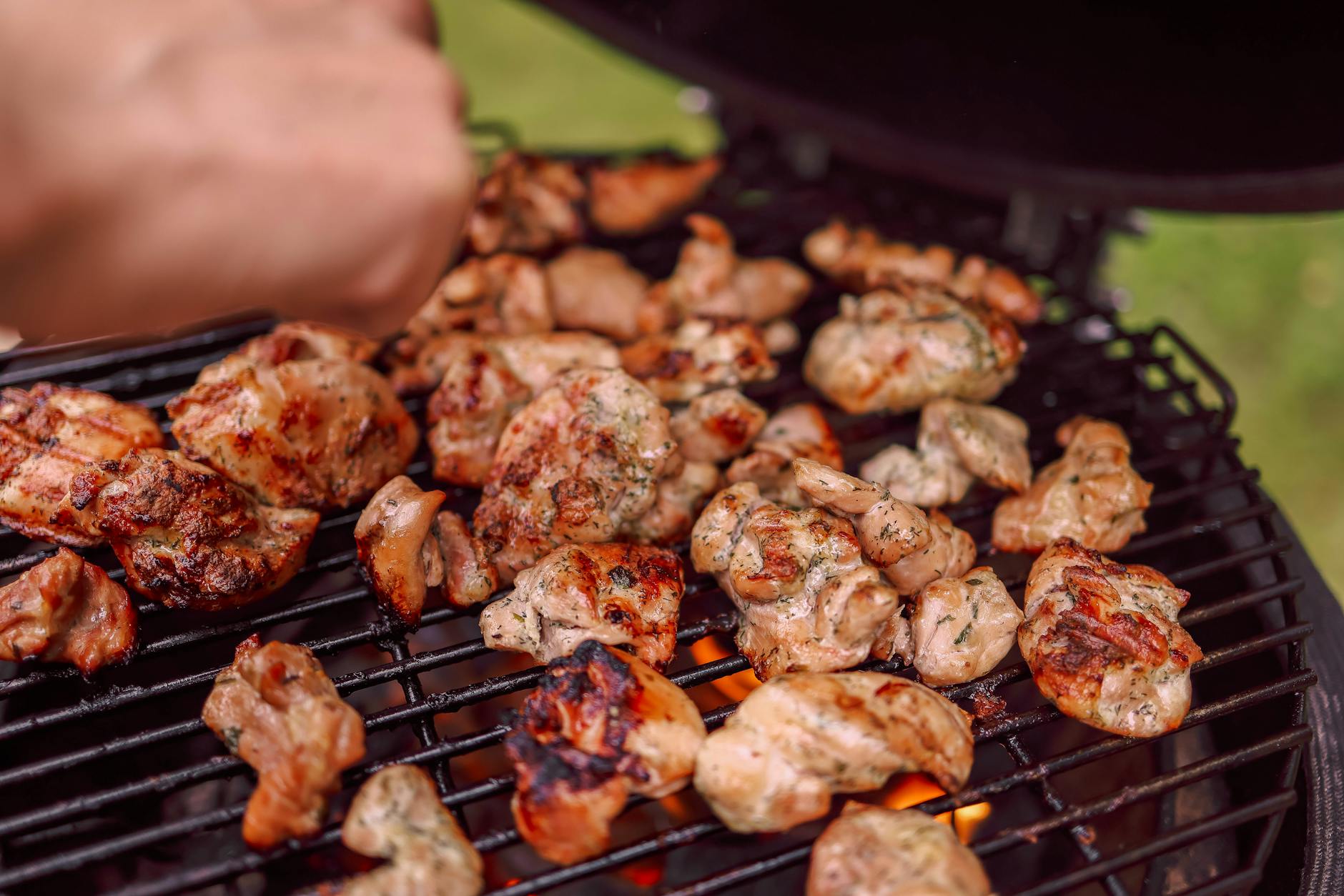
Keeping the lid open lets heat escape, which makes cooking less consistent and can dry out the surface of the meat.
Closing the lid creates a more even cooking environment, especially for thicker cuts.
No Thermometer
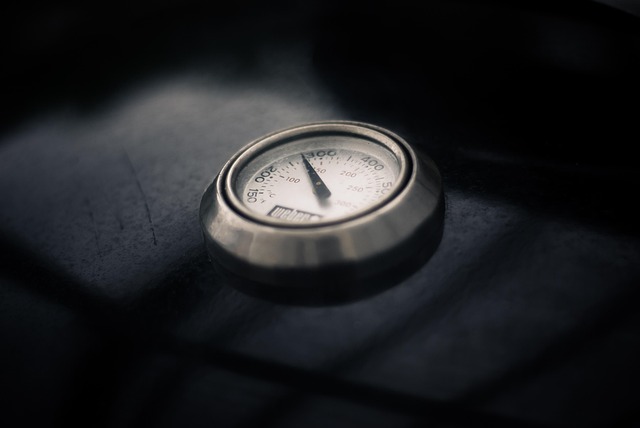
Guessing doneness based on looks or feel is risky. Every grill is different, and conditions can change quickly.
A digital thermometer gives you an accurate reading in seconds and helps you hit that perfect doneness every time.
Too Much Seasoning Salt
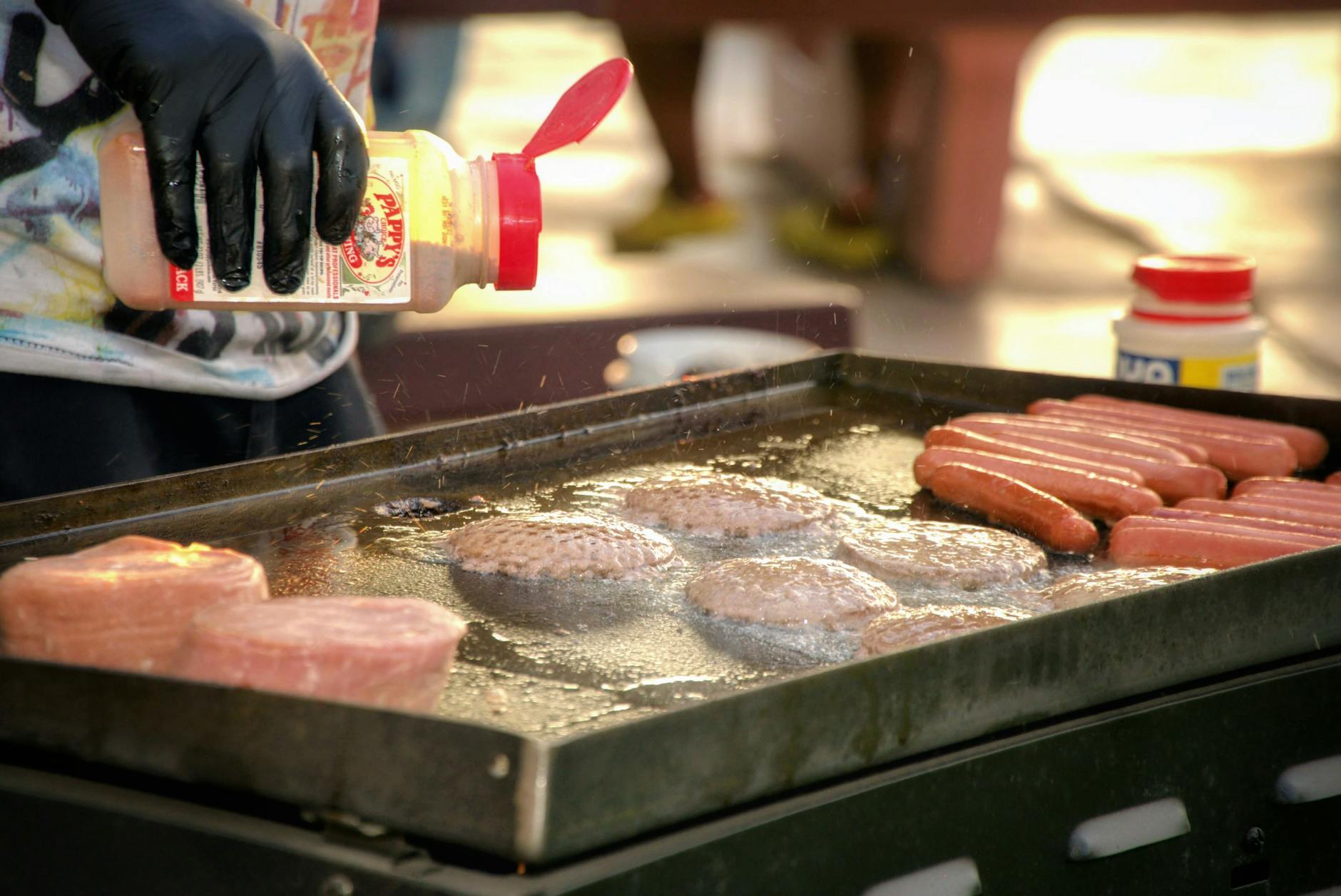
Salting too far in advance can pull moisture out of the meat before it even hits the grill.
Either season right before cooking or give it enough time for the moisture to reabsorb. Timing matters more than most people realize.
Dirty Grates
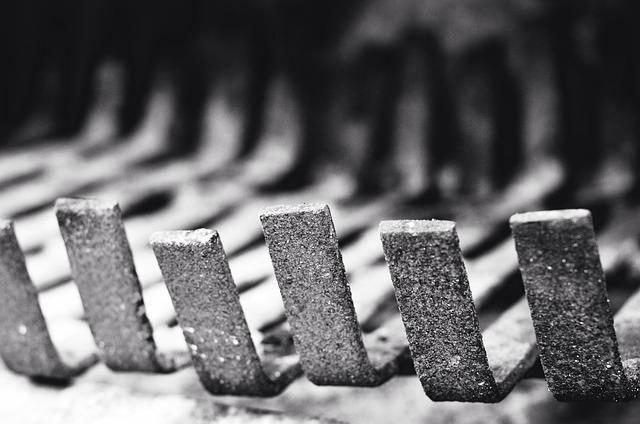
Dirty grates cause sticking and uneven cooking. When meat sticks, it tears—and that means lost juices.
A quick clean before grilling helps create a better sear and keeps everything cooking evenly.