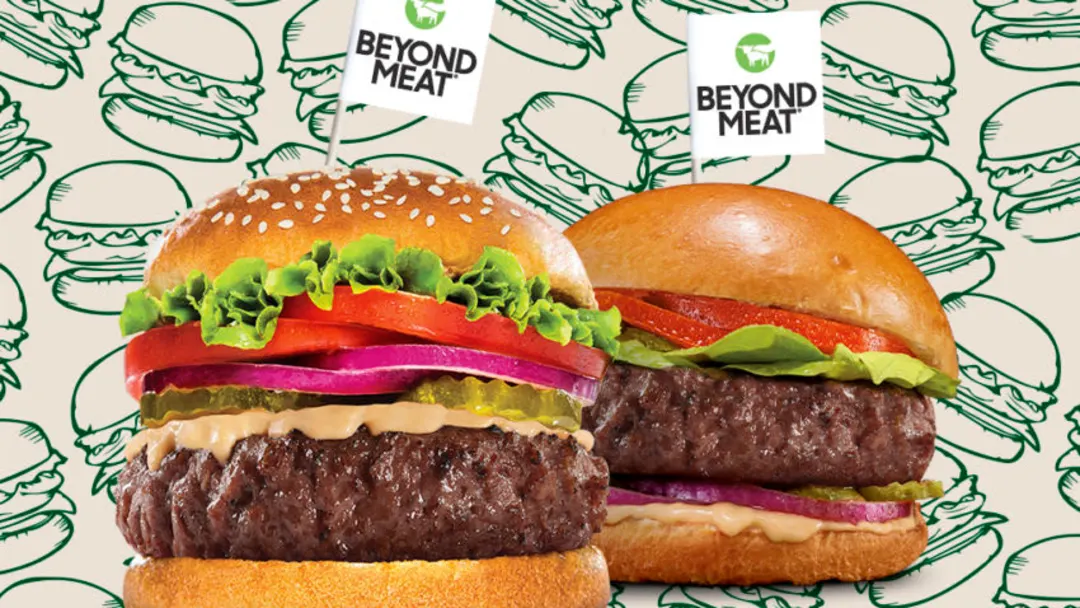
How Beyond Meat Has Quietly Changed Over Time

Beyond Meat was once one of the biggest names in the plant-based food space, known for creating meat alternatives that looked and tasted like the real thing. It carved out a strong identity early on by focusing on familiar products like burgers and sausages that made it easy for people to swap out traditional meat.
But over time, the company has started to shift in some noticeable ways. From branding changes to new product directions and evolving consumer expectations, the brand isn’t quite as straightforward as it used to be. These changes reflect a larger effort to adapt—but they also raise questions about where the company is headed next.
Retail and Market Positioning Shifts

Where products are placed in stores plays a big role in how often people notice and buy them.
Early on, plant-based meats were often displayed next to traditional meat. Now, placement varies more, which can impact visibility and how consumers interact with the brand.
Dropping “Meat” From Its Name
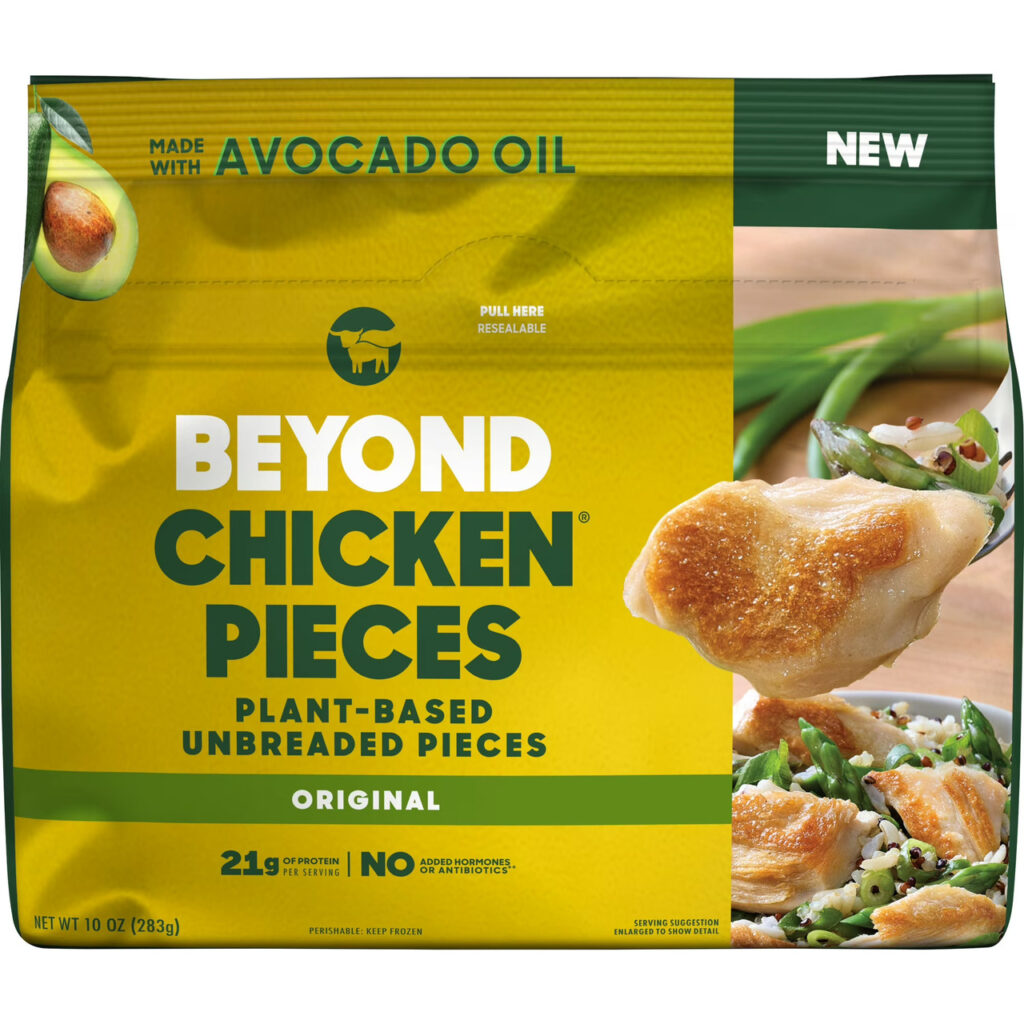
The name “Beyond Meat” was always clear about what the brand stood for—plant-based products designed to replace traditional meat.
Recently, there’s been a subtle move away from emphasizing the word “meat” as strongly in branding. While that opens the door to broader product ideas, it also makes the brand feel a little less defined than it once was.
Frequent CEO Changes and Leadership Instability

Leadership consistency matters, especially in a competitive and evolving industry.
The company has gone through several leadership changes in recent years, which can make long-term direction feel less clear. When leadership shifts often, strategies can change quickly—and that uncertainty can impact both the brand and its audience.
Shift Away From Meat Imitation Toward General Protein

The plant-based meat category saw rapid growth at first, driven by curiosity and strong marketing.
More recently, that growth has slowed, and repeat purchases haven’t always matched initial interest. This shift has pushed companies to rethink their strategies and explore new directions.
Expanding Beyond Meat Into Drinks and Snacks

Originally, the company focused on meat alternatives like burgers, sausage, and ground products—things that fit easily into everyday meals.
Now, it’s exploring new categories like protein drinks and snack items. While that can attract a wider audience, it also shifts the brand away from its original focus.
Declining Sales in Core Plant-Based Meat Category
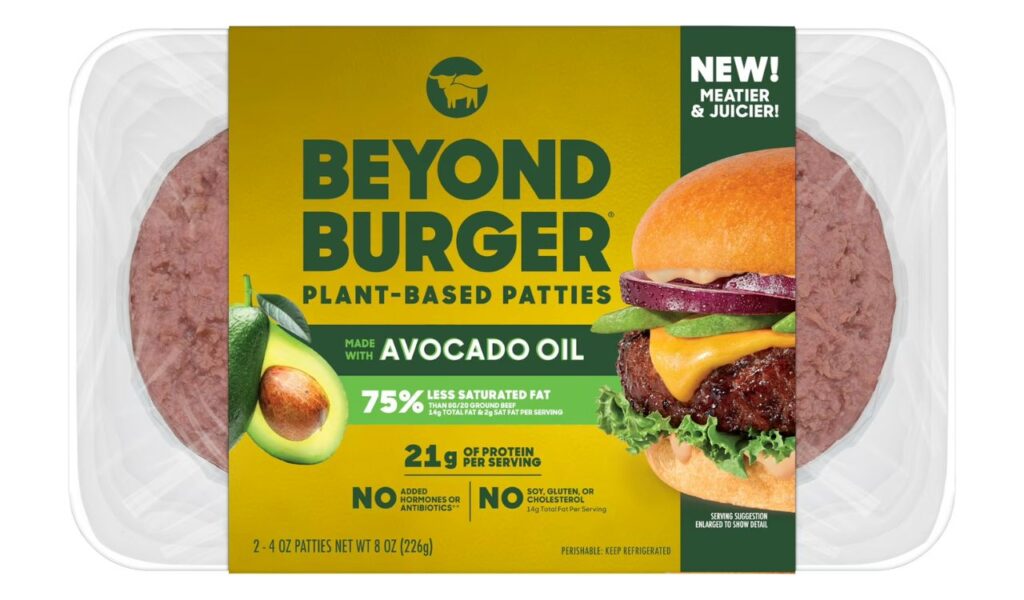
The plant-based meat category saw rapid growth at first, driven by curiosity and strong marketing.
More recently, that growth has slowed, and repeat purchases haven’t always matched initial interest. This shift has pushed companies to rethink their strategies and explore new directions.
Moving Toward Simpler, “Cleaner” Ingredient Lists

Consumers are paying closer attention to ingredient lists, which has led to demand for simpler, more recognizable components.
The company has started working toward “cleaner” formulations, but those changes can also affect taste and texture—something that’s not always easy to balance.
Entering New Product Categories to Stay Relevant
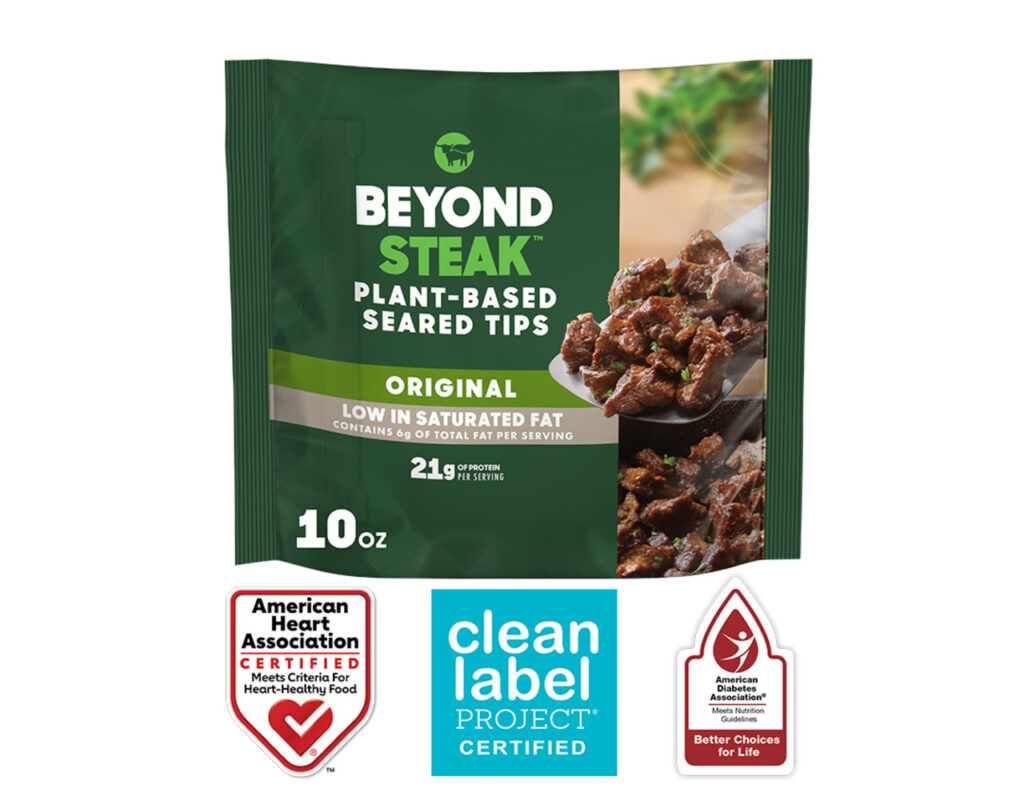
To stay competitive, the brand has expanded into new categories beyond its original lineup.
While this can help reach new customers, it can also stretch the brand identity and make it feel less focused.
Struggling With Consumer Perception of Processed Foods
One challenge for plant-based meat products is how they’re perceived. Many people associate highly processed foods with lower nutritional value.
Even when improvements are made, changing that perception takes time—and it continues to influence buying decisions.