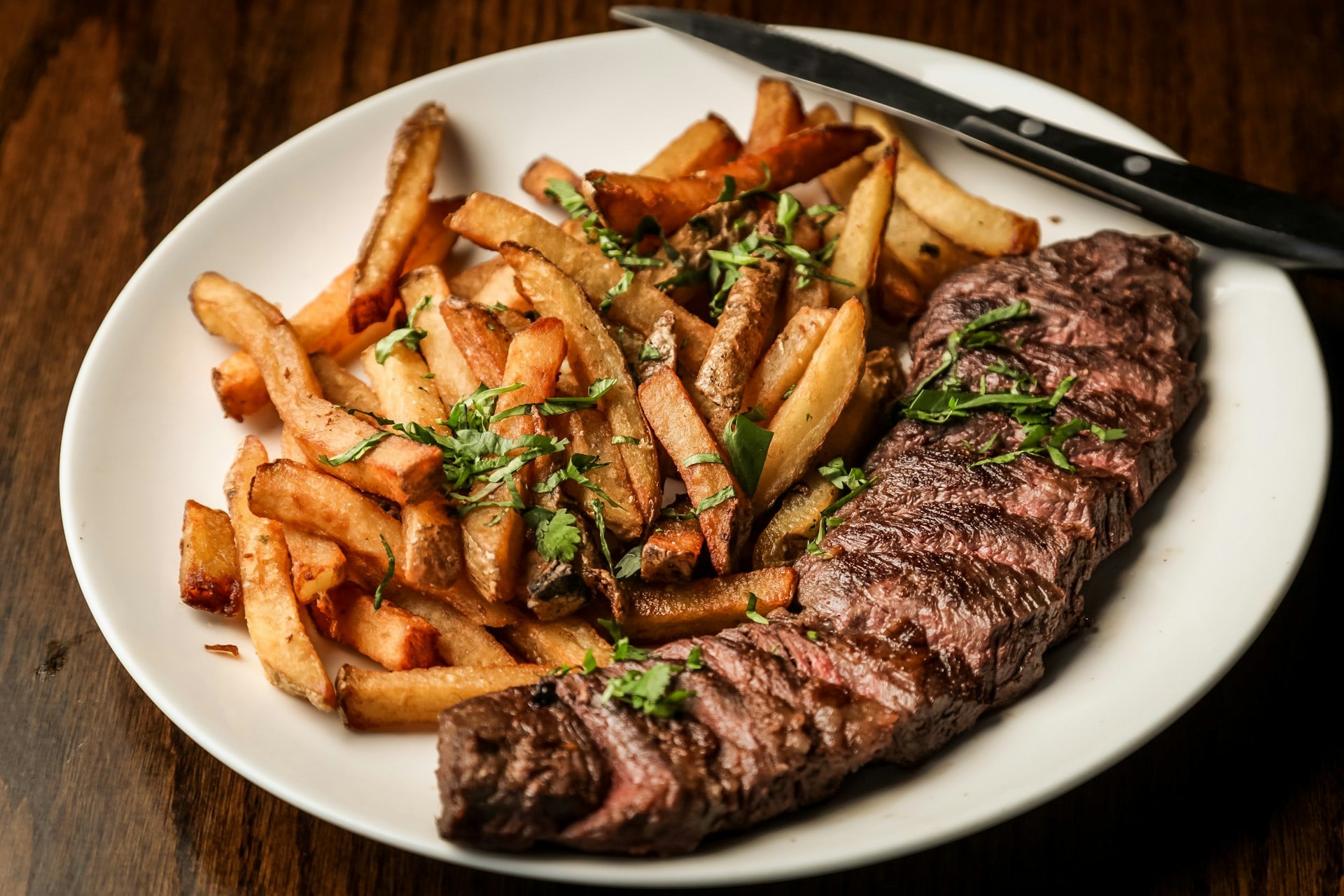
Discover Budget-Friendly Beef Cuts Known for Their Tender Texture

Most people reach for the same cuts when they want tender beef, ribeye, tenderloin, strip steak, and then quietly wince at the price. What doesn’t get talked about enough is that tenderness in beef is less about the cut being inherently superior and more about understanding how to cook it. The cuts that butchers and serious home cooks reach for often cost a fraction of the premium options and, treated correctly, produce results that are just as satisfying. Some of them, given time and the right method, are genuinely better. Here are the cuts worth knowing about.
Chuck roast

Chuck comes from the shoulder of the cow and works hard during the animal’s life, which means it contains a lot of connective tissue and collagen. At first glance, that sounds like a problem, but it’s actually the source of everything good about this cut when cooked properly. Low and slow heat, whether that’s a braise in the oven, a slow cooker, or a Dutch oven, converts the collagen into gelatin over several hours. That gelatin gives the finished meat a silky, almost buttery quality that makes it fall apart under a fork. Chuck roast braised with aromatics, wine, and stock for four to five hours produces something you’d be hard-pressed to distinguish from a far more expensive cut. It’s one of the best-value pieces of beef available.
Flat iron steak

The flat iron is cut from the shoulder area and sits just below the chuck. For years, it was underutilized because butchers couldn’t easily separate it from the tough connective tissue running through the middle of the muscle. Once that technique was developed, the flat iron became increasingly available, and increasingly popular among people who know their beef. It has a deep, rich flavor and a relatively fine grain that makes it tender even when cooked quickly at high heat. It responds well to marinating and takes about the same time on a hot grill or pan as a more expensive sirloin. The price per serving is considerably lower, and the flavor holds its own.
Skirt steak

Skirt steak comes from the plate section of the cow, the underside near the belly. It has a loose, coarse grain and a strong, beefy flavor that many cuts can’t match. The key to tenderness with skirt steak is not to overcook it and to slice it correctly. It needs to be cooked hot and fast, two to three minutes per side on a very hot surface, and served no more than medium. Overcooking makes it chewy. Slicing against the grain, which runs very visibly across the cut, shortens the muscle fibers and makes each piece tender in the mouth even though the raw cut looks quite tough. Skirt steak works brilliantly for fajitas, steak salads, and stir-fries, and its flavor tends to be more pronounced than cuts that cost twice as much.
Flank steak

Flank steak comes from the abdominal muscles of the cow and, like skirt steak, has a pronounced grain and a strong flavor. It benefits from a marinade, the acid in citrus juice, wine, or vinegar helps break down the surface fibers and adds flavor depth at the same time. Cook it quickly over high heat to medium-rare or medium at most, and always slice thinly against the grain. Done correctly, flank steak is genuinely tender and intensely flavored. It’s a staple in many cuisines, used for London broil in American cooking, carne asada in Mexican cooking, and similar preparations across South American countries where beef culture runs deep.
Beef shin

Beef shin, sometimes called shank, is one of the hardest-working muscles on the animal and one of the most collagen-rich. Cross-cut shin, sold with a section of bone in the middle, is the classic cut for osso buco and similar slow-braised preparations. Boneless shin is equally good for stews, ragu, and slow braises where the meat has time to break down completely. As with chuck, the collagen content is an asset in slow cooking, it dissolves into the braising liquid, enriches the sauce, and makes the meat genuinely unctuous in a way that a quick-cooking cut simply cannot be. The price per kilogram for shin is among the lowest of any beef cut, and the eating quality when properly cooked is exceptional.
Tri-tip

Tri-tip is a triangular cut from the bottom of the sirloin and has been popular in California for decades while remaining relatively unknown in other parts of the country. It’s lean enough that it doesn’t need long cooking times, but it has enough marbling and connective character that it stays juicy at medium-rare. It can be roasted whole in the oven, smoked low and slow, or cooked directly on a hot grill. The key is not overcooking it, tri-tip benefits from being pulled off the heat at around 55 to 57 degrees Celsius internally and rested well before slicing. Sliced against the grain, it’s noticeably tender and has a fuller flavor than most cuts at a similar price point.
Denver steak

The Denver cut comes from the chuck, specifically the serratus ventralis muscle, which is one of the least-exercised parts of the chuck. That lack of activity means it has less connective tissue than other chuck cuts and a natural tenderness that most shoulder-area beef doesn’t possess. It has significant marbling, which contributes both juiciness and flavor, and it cooks well as a quick pan-fry or grilled steak rather than requiring slow cooking. Denver steaks are still less well-known than their quality warrants, which keeps the price lower than it probably should be. At a butcher who stocks it, it’s worth picking up regularly.
Beef cheeks

Beef cheeks are exactly what they sound like, the cheek muscle of the cow. It’s a dense, intensely flavored cut that spends its life in constant use, meaning it has a high collagen content and a deep, rich flavor that develops beautifully with slow cooking. Braised for four to six hours in red wine, stock, and aromatics, beef cheeks become remarkably tender and produce a braising liquid that thickens into an intensely flavored sauce almost without any additional effort. The finished texture is smooth and almost spreadable at the fork, and the flavor is more complex than most roasting cuts. Cheeks are underused in home cooking and often inexpensive precisely because of that unfamiliarity.
Hanger steak

The hanger steak hangs between the rib and the loin, hence the name, and is sometimes called the butcher’s cut because butchers historically kept it for themselves rather than offering it for sale. It has a coarse grain and a very pronounced, almost offal-adjacent beef flavor that is not for everyone but is deeply satisfying for people who like their beef to taste like beef. It’s tender when cooked to medium-rare and becomes noticeably tougher beyond that. Like skirt and flank, it benefits from marinating and must be sliced against the grain. The fact that there is only one hanger per animal means availability can be inconsistent, but when it’s available, it offers exceptional flavor at a price well below comparable premium cuts.
Oxtail

Oxtail is the tail of the cow, cross-cut into segments, each with a section of tailbone surrounded by meat and a generous amount of connective tissue and fat. It is a slow-cooker’s best friend, braised or pressure-cooked until the meat falls off the bone, it produces a sauce that is intensely rich from all the gelatin released by the bones and connective tissue. The meat itself is sweet and full-flavored in a way that’s different from muscle cuts. Oxtail soup and oxtail stew are classics across Caribbean, Asian, African, and European cooking traditions for good reason, it’s one of the most flavorful things you can do with an inexpensive piece of beef. Patience is the only requirement.
Blade steak

Blade steak comes from the shoulder and contains a line of tough connective tissue running through the center of the cut. That characteristic makes it unsuitable for cooking as a straightforward steak, but it’s excellent for long braises where the connective tissue dissolves and the surrounding meat becomes deeply tender. Cut into pieces for a stew or braised whole and served sliced, it produces a result similar to chuck roast at an often lower price. Some butchers sell a version with the central sinew removed, which allows it to be cooked more quickly as a pan steak, ask specifically for what’s available when buying.
Bavette steak

Bavette, also known as sirloin flap, is cut from the flank area and sits close to the skirt in terms of its character. It has a loose grain, a strong flavor, and a natural juiciness from its fat content. It’s popular in French bistro cooking and in Brazilian barbecue, where it’s known as fraldinha. Like skirt and flank, it performs best cooked over very high heat to medium-rare and sliced thinly against the grain. The grain in bavette runs in an immediately visible way, making it straightforward to cut correctly without needing to think too hard about it. Bavette tends to be priced well below its quality, largely because it’s less recognized by name than its European popularity would suggest it should be.
Brisket

Brisket comes from the breast of the cow and is one of the most demanding cuts in terms of cooking time. It contains dense connective tissue and a significant fat cap that protects the meat during long cooking. Done properly, whether smoked at low temperature for eight to twelve hours or braised in the oven for a comparable time, it produces beef that is extraordinary in its tenderness and flavor depth. The point cut, which has more marbling, is particularly good. Brisket is central to Texas barbecue, Jewish holiday cooking, and a range of other traditions that all arrived at the same conclusion independently, that this inexpensive, tough piece of beef is one of the most rewarding things you can cook, given time.
The best cut is the one you cook correctly

The expensive cuts have something genuinely going for them, the tenderloin is tender because it’s a barely-used muscle, and that’s a fact regardless of price. But tenderness is achievable through technique as much as through inherent muscle character, and the cuts on this list prove it consistently. A chuck roast braised all afternoon, a skirt steak seared two minutes per side and sliced correctly, a beef cheek that has been cooking since morning, these deliver results that would be difficult to fault at any price. The gap between affordable and premium beef closes considerably when the cooking is done right.