Experts Say You Should Always Buy These 6 Grocery Items Organic

The choices we make in the grocery store aisles directly shape our health and well-being. While a diet rich in fruits, vegetables, and wholesome foods is a cornerstone of a healthy lifestyle, not all produce is created equal. Growing practices, pesticide use, and farming methods can leave behind residues that end up on our plates. To help you navigate your shopping for a cleaner diet, we’ve identified six grocery items where experts agree that choosing the organic option makes the most significant difference for your health.
Dairy Products: Look Beyond the Carton for a Cleaner Choice

What’s in your morning milk or yogurt might be more than just calcium and protein. A revealing study from Emory University found stark differences between conventional and organic milk. While most conventional samples fell within government limits, researchers detected antibiotic residues in 60% of them—including drugs outlawed for use in dairy cows—and none in organic samples. Levels of bovine growth hormones (bGH) were also significantly higher in conventional milk. Perhaps most tellingly, pesticides like chlorpyrifos and atrazine were found in 26% to 60% of conventional samples and were entirely absent from organic ones. Choosing organic dairy ensures you’re not ingesting these additional antibiotics, synthetic hormones, and pesticide residues, making it a purer foundation for your family’s diet.
Spinach and Leafy Greens: Your Superfood May Come with a Hidden Cost
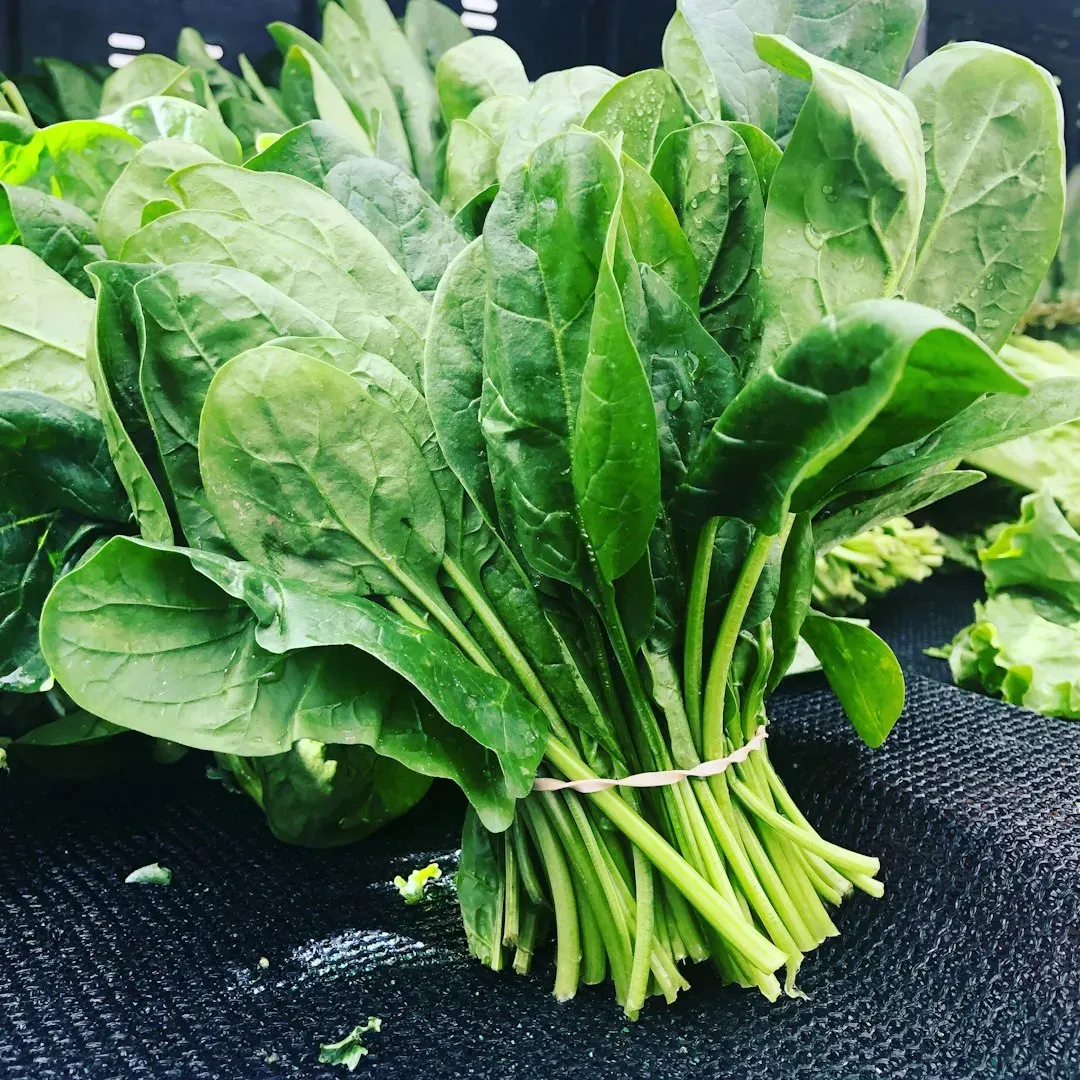
We are told to eat our greens for optimal health, but the conventional versions of spinach, kale, and collards may carry an unwanted chemical burden. USDA data shows that spinach, in particular, has more pesticides by weight than any other tested crop. A single sample can contain traces of up to 16 different pesticides and their breakdown products. Alarmingly, residues of permethrin—an insecticide associated with neurodevelopmental issues in children—were found on a majority of spinach samples. Furthermore, these leafy vegetables can absorb long-banned, persistent chemicals like DDT from the soil, meaning your healthy salad might include a legacy of past pesticide use. With leafy greens ranking third on the 2024 Dirty Dozen list, opting for the organic version is a clear step toward ensuring your “superfood” is as clean and nourishing as it should be.
Grapes: A Convenient Snack with a Concerning Chemical Profile
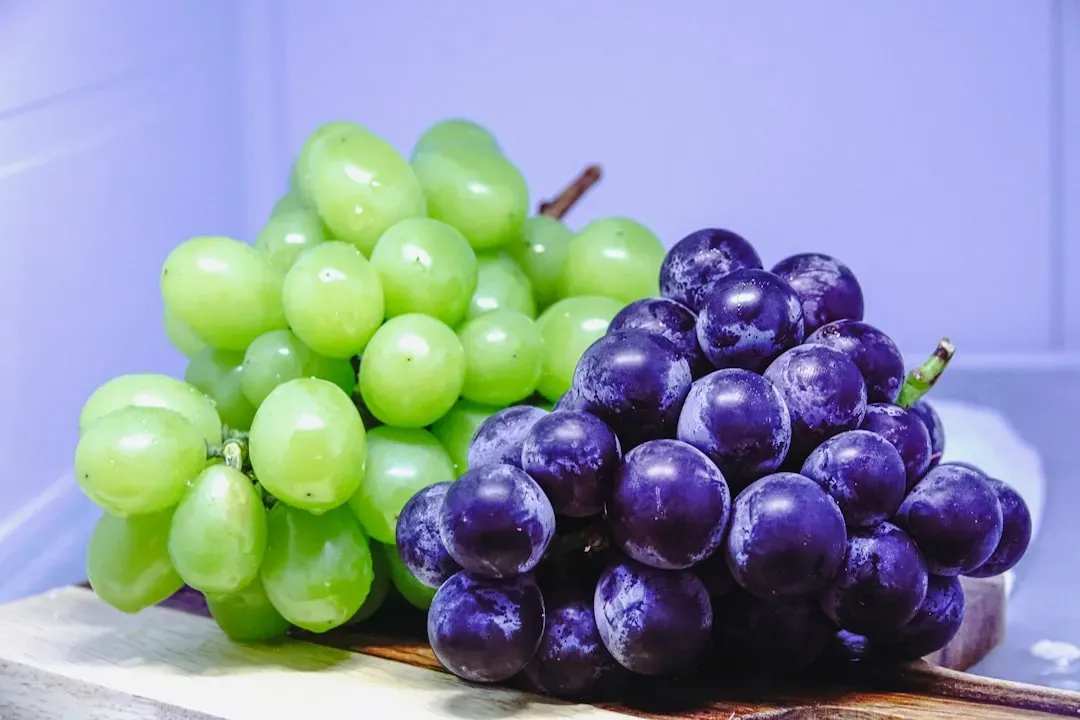
Don’t let their small size fool you—conventional grapes are a significant source of pesticide exposure. Their position on the Dirty Dozen list has risen sharply, jumping from eighth place in 2023 to fourth in 2024, indicating a growing problem. Testing shows that over 90% of samples of grapes, along with strawberries and apples, contain residues of two or more pesticides. Because we often eat grapes by the handful and consume their thin skins, we increase our intake of this chemical cocktail. The cumulative effect of multiple pesticides interacting in our bodies is an area of ongoing and concerning research. Since grapes are a favorite, easy snack for children, switching to organic is a simple yet powerful way to reduce your family’s exposure without sacrificing convenience or taste.
Strawberries: The Sweet Treat Topping the Pesticide List
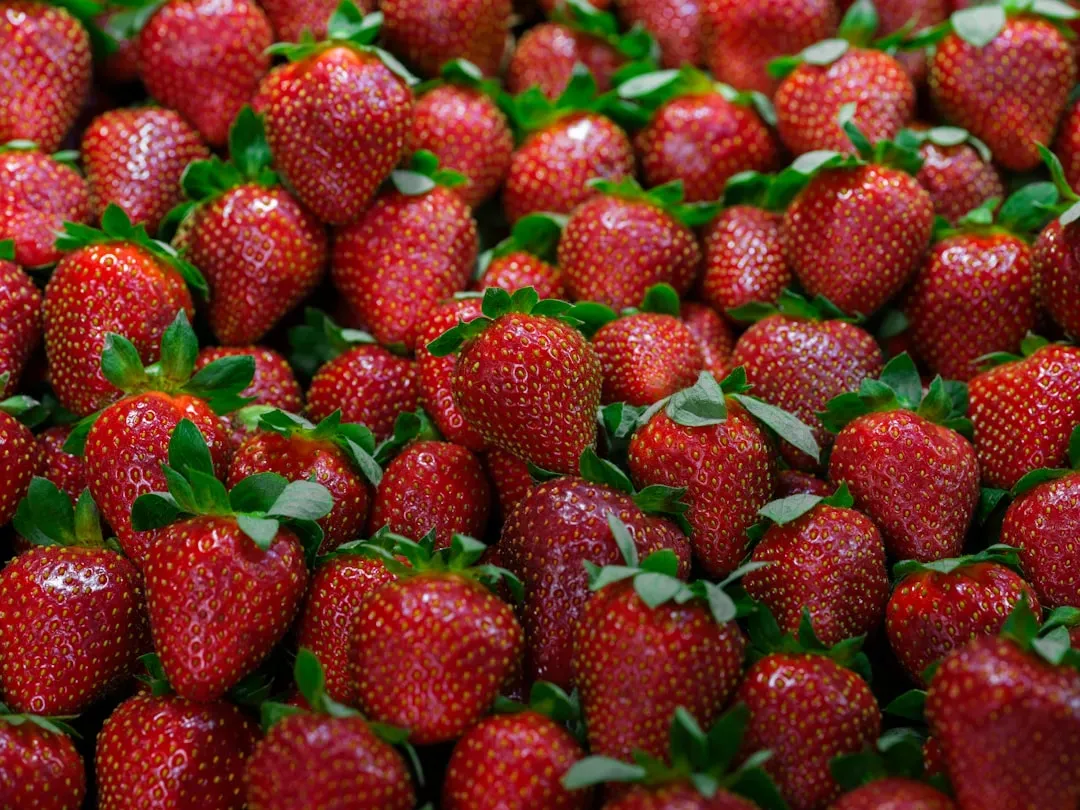
When it comes to prioritizing your organic purchases, conventional strawberries should be at the very top of your list. For years, they have consistently ranked number one on the Environmental Working Group’s (EWG) “Dirty Dozen,” a list identifying the fresh produce with the highest pesticide residues. USDA testing reveals that non-organic strawberry samples are not only almost universally contaminated but also contain an average of about eight different pesticides per sample. Among these are chemicals linked to serious health concerns, including cancer and reproductive harm—some of which are banned for use on crops in Europe. The good news is that choosing organic isn’t just about avoidance. Studies, including one from The Organic Center, indicate that organic strawberries often contain higher levels of beneficial antioxidants and natural sugars, making them a sweeter and genuinely healthier choice for your family.
Bell Peppers and Hot Peppers: A Fiery Mix of Flavor and Toxins
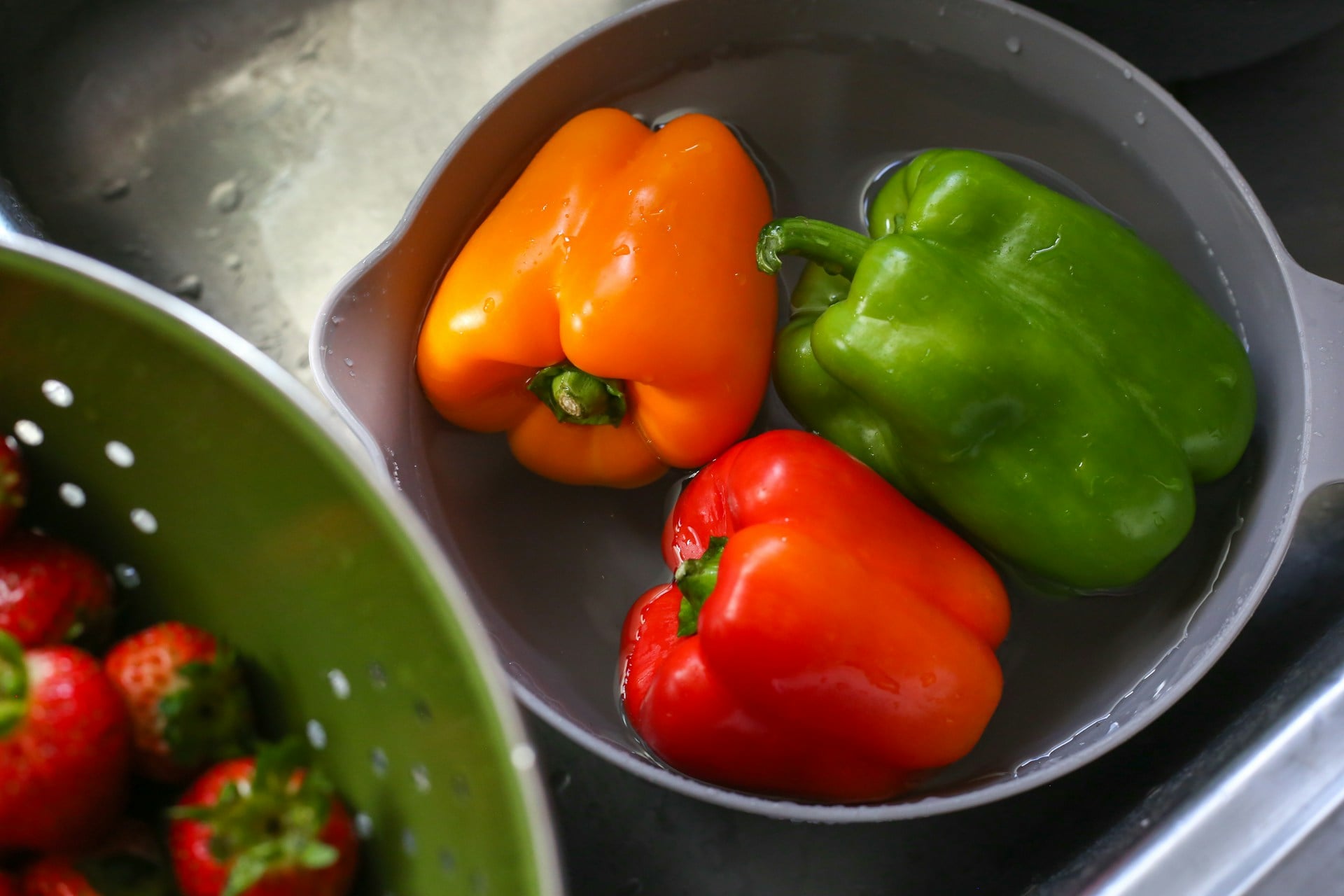
Whether sweet or spicy, conventional peppers carry a heavy pesticide load that might surprise you. Bell and hot peppers were found to have over 100 different pesticides detected across tested samples, ranking among the highest for pesticide diversity. Their thin, edible skins provide little barrier to the fungicides, insecticides, and herbicides used on conventional crops, meaning the chemicals are absorbed directly into the flesh you eat. This sheer volume and variety of pesticides make peppers a critical item to purchase organically. The growing consumer shift toward organic—with sales far outpacing conventional food growth—suggests more people are recognizing these risks. By choosing organic peppers, you secure all their vibrant flavor and nutritional benefits without the unwanted, complex mix of agricultural chemicals.
Apples: The Classic Fruit That Needs an Organic Makeover
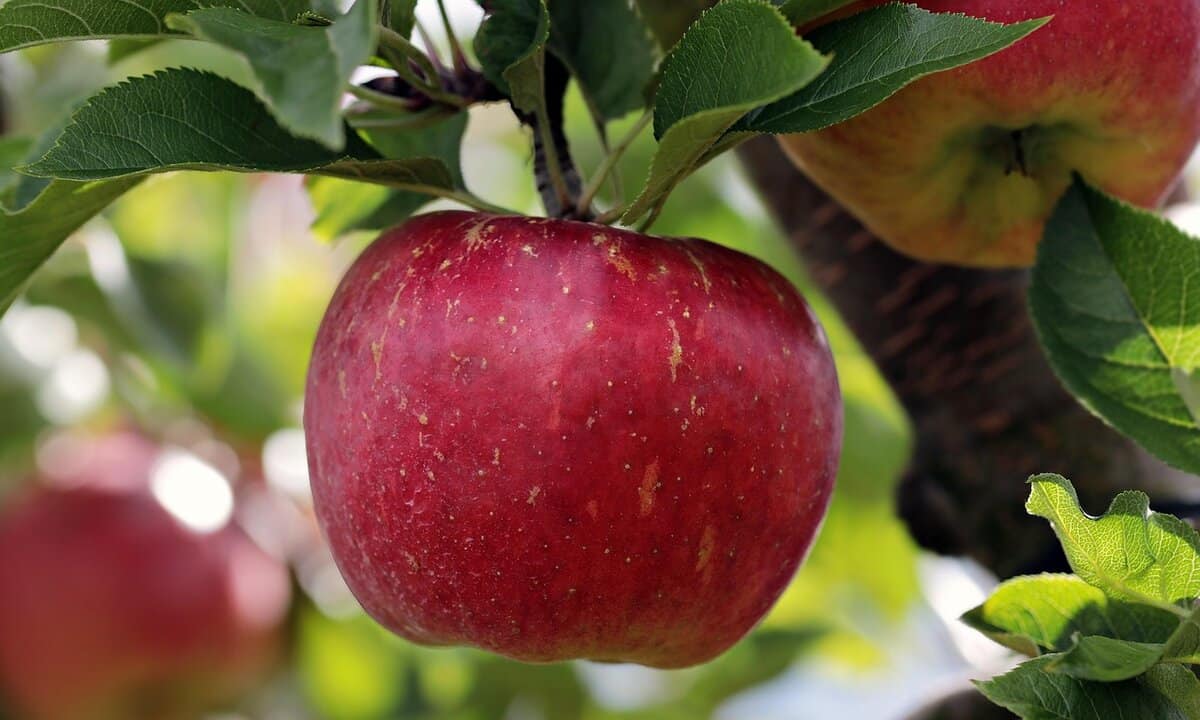
The adage “an apple a day keeps the doctor away” may need a modern update. Non-organic apples are a mainstay on the Dirty Dozen list, with approximately 95% of tested samples showing detectable pesticide levels. Apples are heavily sprayed throughout their long growing season to protect them from various pests and diseases, and these residues persist through washing. More than 90% of apple samples test positive for two or more pesticides, raising questions about the potential synergistic effects of these chemical combinations. Given that apples are a daily staple for many, especially children, this consistent exposure is a valid concern. Fortunately, organic apples are widely available, offering the same crisp, healthy snack without the lingering chemical footprint of conventional farming.