Essential Vegetables to Incorporate for a Balanced and Healthy Diet

Eating more vegetables is one of the simplest ways to feel better, cook with more color, and add real nourishment to your day. But you don’t need a long list of exotic ingredients to make that happen. A handful of staples—spinach, kale, broccoli, peas, and a few others—can carry you through everything from quick weeknight dinners to lazy weekend cooking. Here’s how to make the most of them.
Spinach: The Leafy Powerhouse
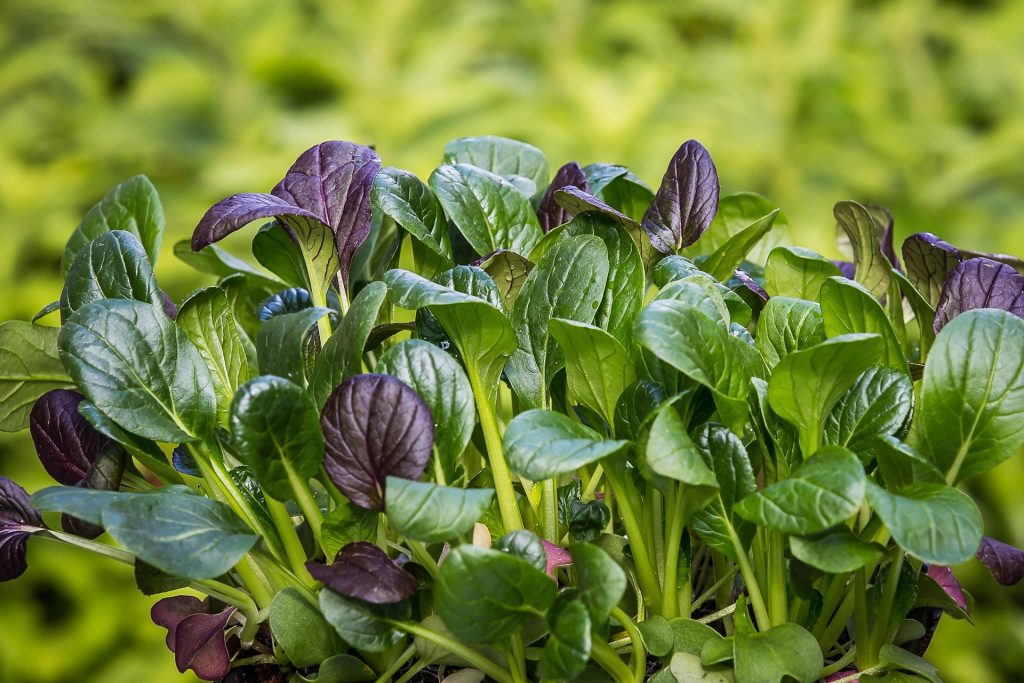
Spinach is one of those vegetables that quietly does it all. It’s packed with iron, calcium, and vitamins A, C, and K, but what makes it essential is how easily it slips into almost anything. Sauté it with a splash of olive oil and garlic just until it wilts—that’s when it’s at its best. Toss it into pasta, blend it into smoothies, or use it as a salad base. Just give it a good rinse first, and store it unwashed in a dry, airtight container to keep it fresh longer.
Kale: Nutrient-Packed and Trendy
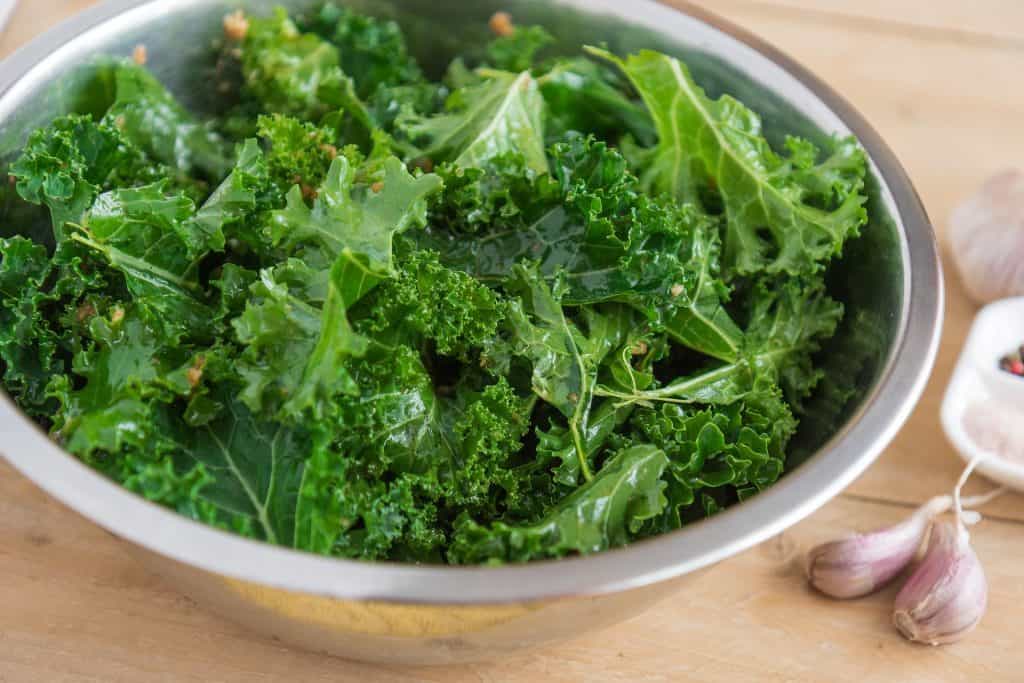
Kale earned its reputation for a reason. It’s loaded with antioxidants, fiber, and vitamins, and it holds up better than most greens in hearty dishes. For salads, massage the leaves with a little olive oil and salt—it softens them and takes away any bitterness. Roast it into crispy chips, add it to soups and stews where it won’t wilt away, or pair it with tangy dressings and a squeeze of lemon to brighten things up.
Broccoli: The Green Giant
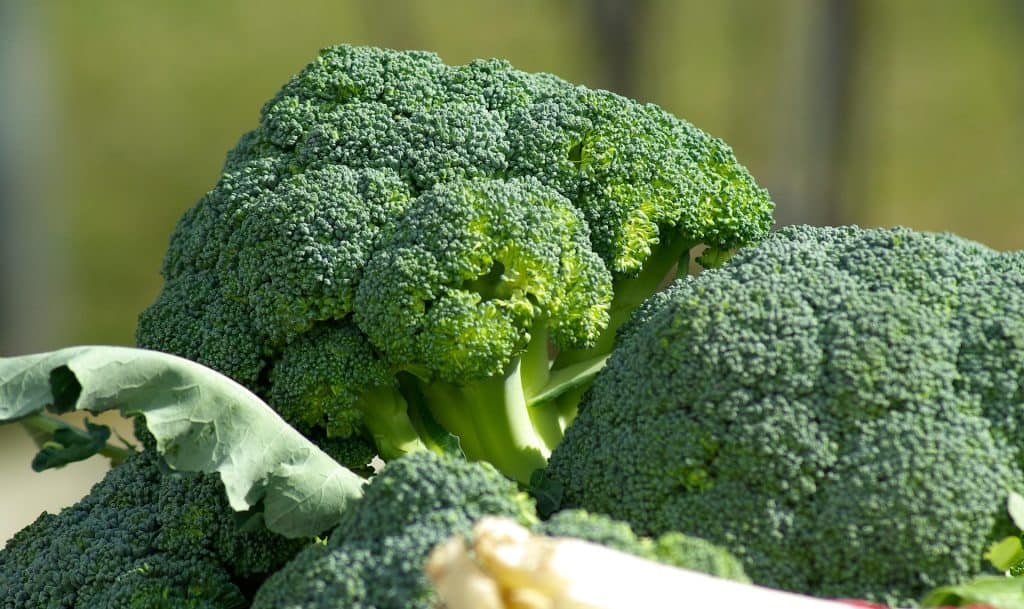
Broccoli is a reliable, satisfying vegetable that belongs in every kitchen. It’s high in fiber, vitamin K, and compounds that support overall health. Steaming keeps it bright green and preserves nutrients, but roasting is where it really shines—toss florets with olive oil and salt, spread them on a pan, and let the edges get crispy and caramelized. Don’t toss the stems. Peel them, slice them thin, and cook them alongside the florets. They’re just as good.
Peas: Tiny Yet Mighty
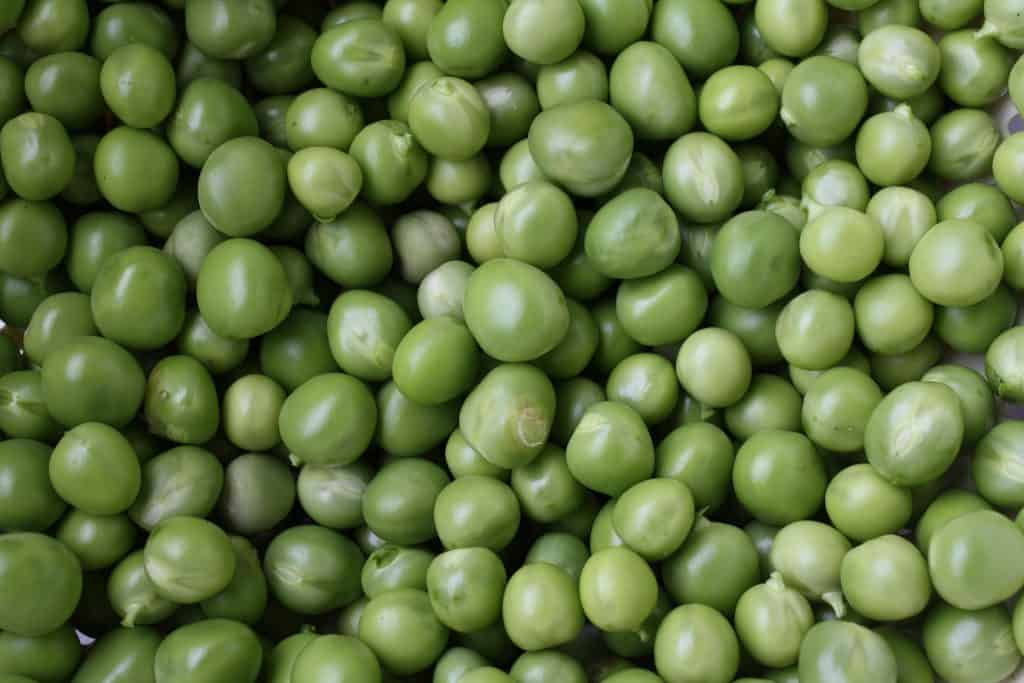
Peas may be small, but they’re surprisingly packed with protein, fiber, and vitamin C. Their natural sweetness makes them a welcome addition to everything from rice dishes to pastas. Fresh peas are lovely when briefly blanched; frozen peas are just as nutritious and even more convenient. Toss them into stir-fries at the last minute, or pair them with a little mint and butter for a simple, elegant side. Just don’t overcook them—they’re best when they still have a little pop.
Sweet Potatoes: Sweet but Savory
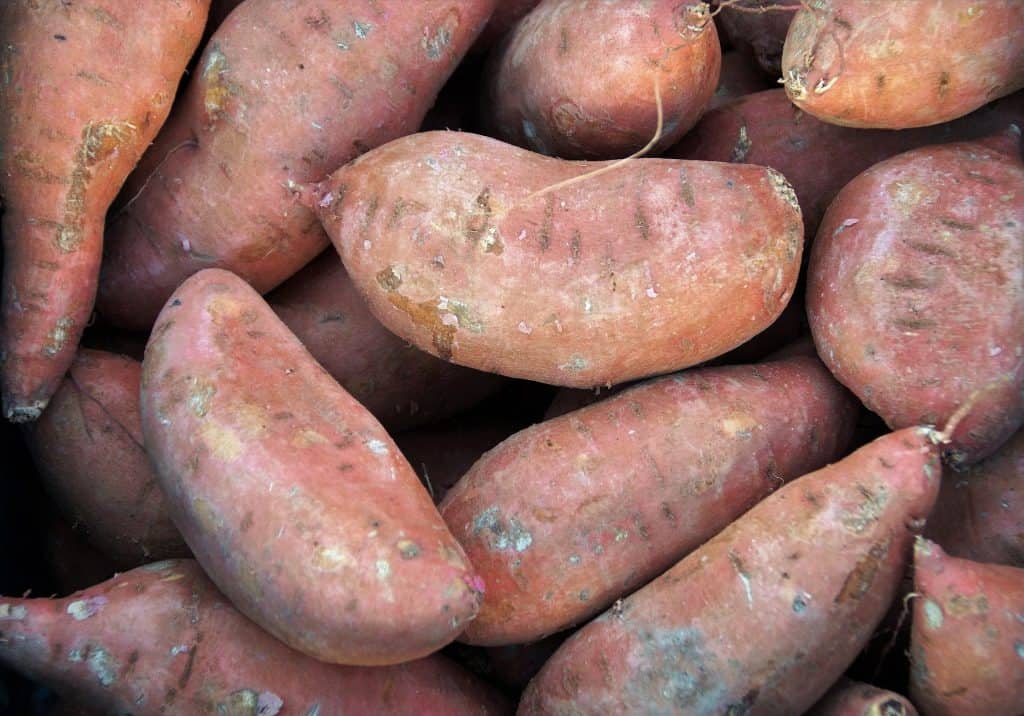
Sweet potatoes bring natural sweetness and a creamy texture to the table, along with plenty of vitamins A and C. Roasting at 400°F brings out their caramelized edges and soft centers. Cut them into uniform pieces so they cook evenly, and try a sprinkle of paprika or cumin for a savory twist. They’re just as good alongside roasted chicken as they are tucked into a grain bowl with black beans and avocado.
Beets: Earthy Nutrient Boosters
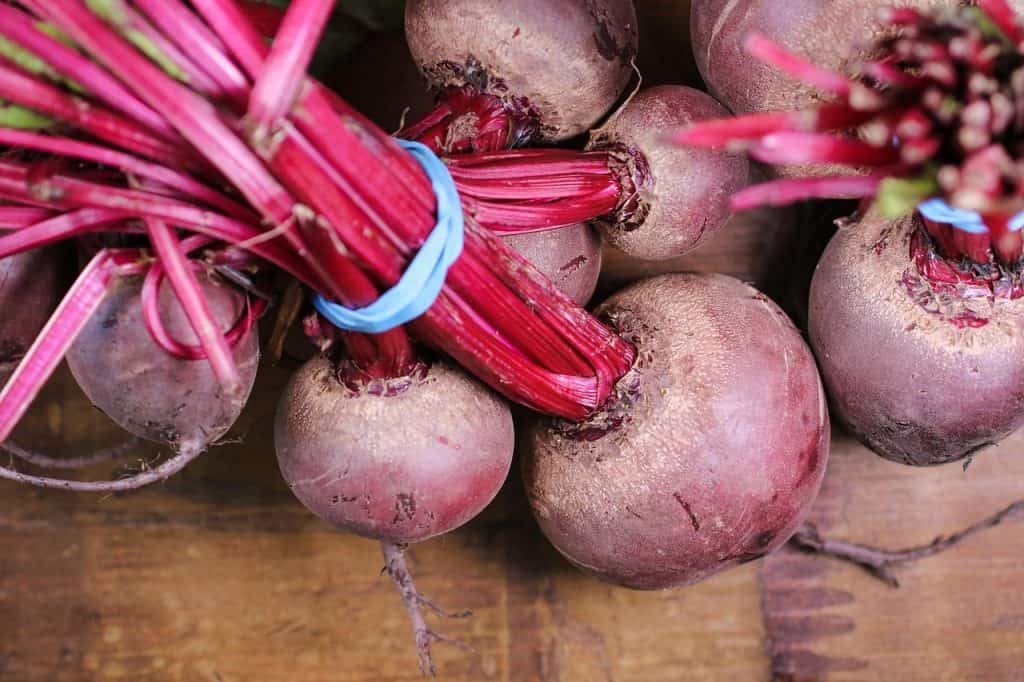
Beets have a deep, earthy flavor and a color that brightens any plate. They’re a great source of folate and manganese, and roasting brings out their natural sweetness. To avoid staining, peel them after cooking. Thinly sliced beets add beautiful color and crunch to salads, especially when paired with goat cheese and walnuts. A drizzle of balsamic vinegar ties it all together.
Carrots: Crunchy and Colorful
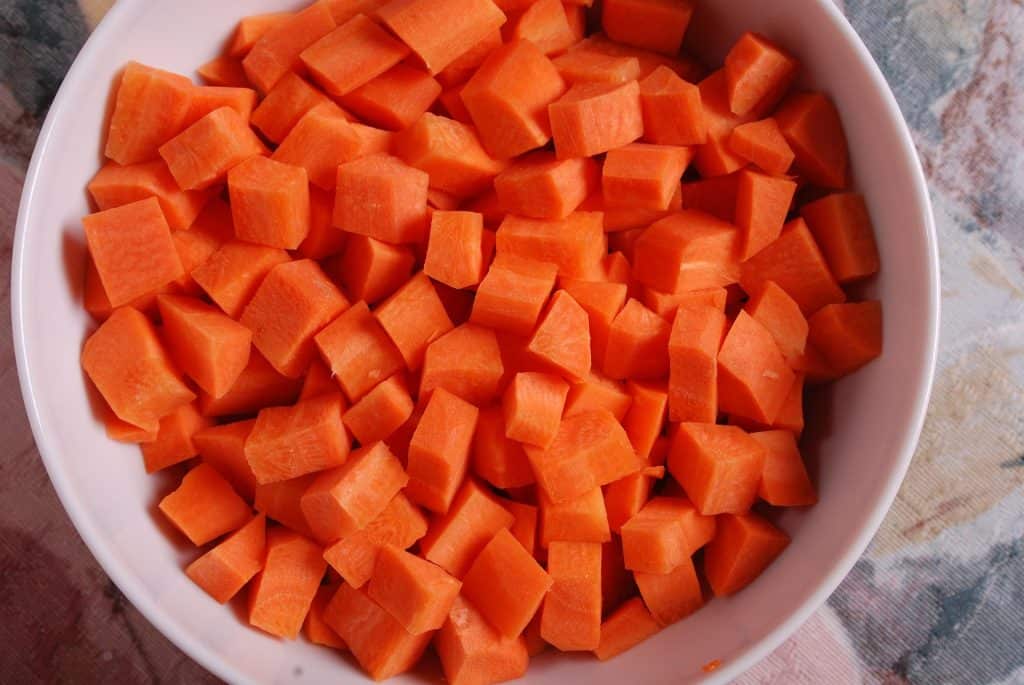
Carrots are one of the most versatile vegetables in the kitchen. Roasting at high heat—around 425°F—brings out their natural sweetness and adds a little caramelized edge. Toss them with thyme and olive oil, and they become something special. Grate them raw over salads for crunch, or blend them into a silky carrot-ginger soup. They’re a staple that never gets old.
Fermented Vegetables: Gut Health Heroes
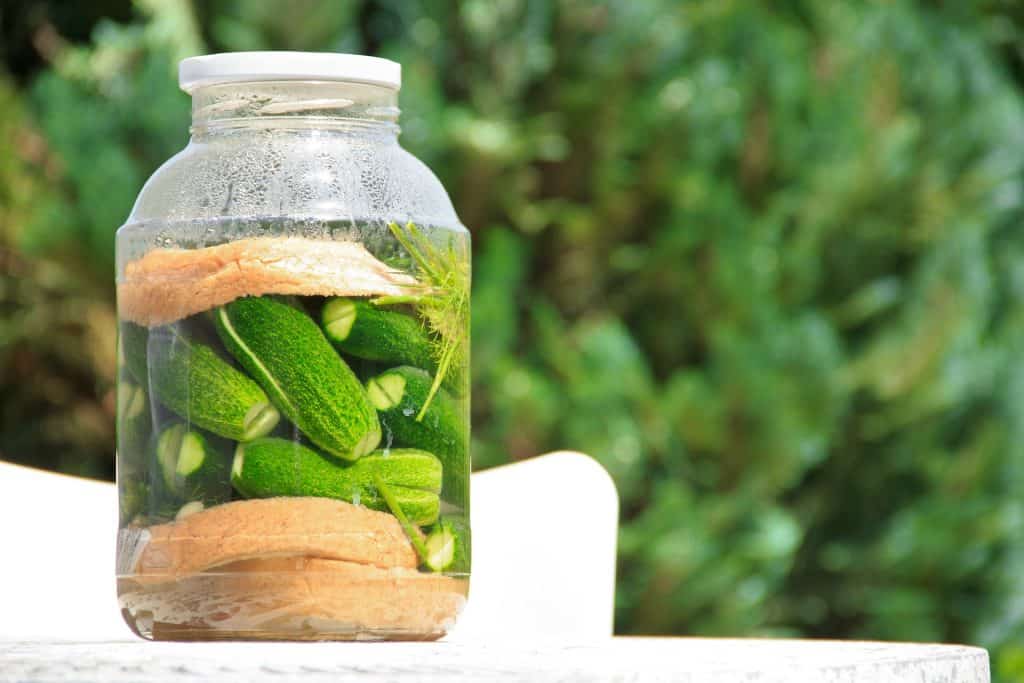
Kimchi, sauerkraut, and other fermented vegetables do more than add tangy flavor—they support gut health with natural probiotics. Start with small amounts as a topping for rice bowls, tacos, or eggs. Their strong flavors balance well with fresh herbs or a drizzle of sesame oil. A little goes a long way, and once you get used to having them around, they become an easy way to add depth and nutrition to almost any meal.
Tomatoes: Juicy Antioxidant Sources
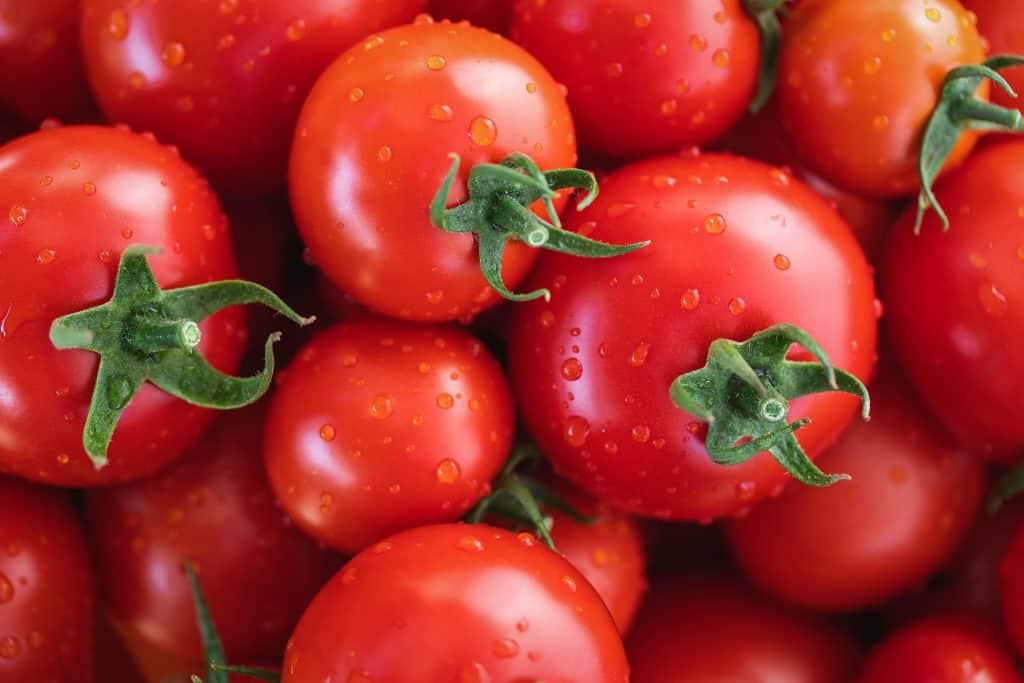
Tomatoes are a kitchen essential. They’re juicy, versatile, and packed with lycopene, especially when cooked. Roasting them with olive oil and garlic concentrates their sweetness and deepens their flavor. Use them raw in salads where their acidity balances creamy ingredients like mozzarella or avocado, or simmer them into sauces and soups. The key is good tomatoes—sun-ripened when you can find them.
Garlic: Flavorful and Heart Healthy
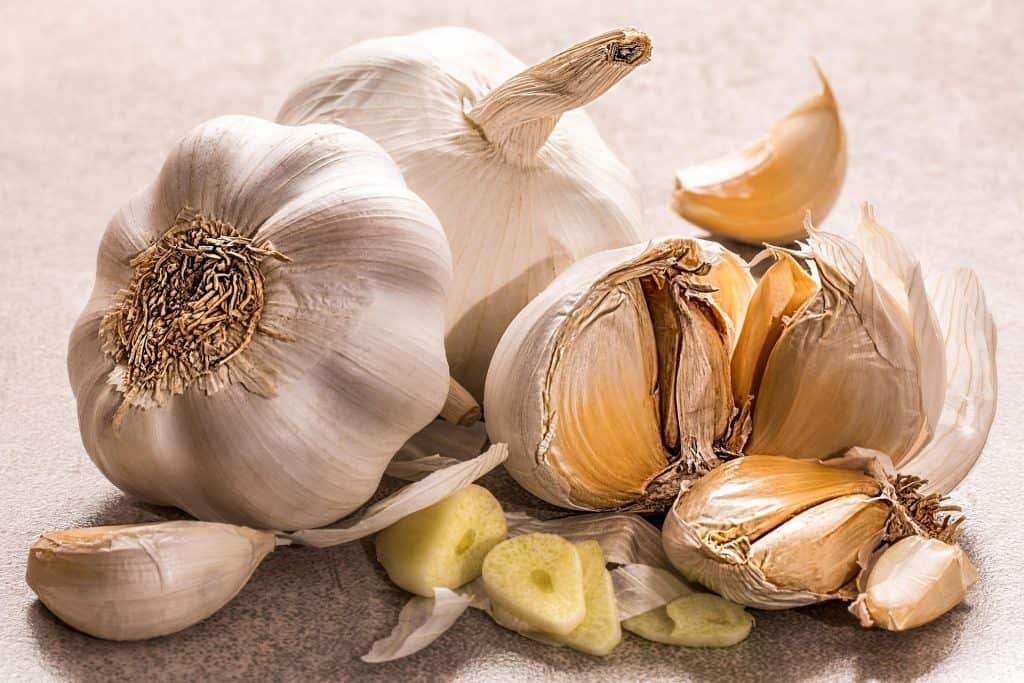
Garlic is the foundation of so many dishes, and for good reason. It adds warmth and depth, and its health benefits are well-documented—allicin, the compound behind its pungency, supports heart health and fights inflammation. For the most benefit, crush or chop fresh garlic and let it sit for a few minutes before cooking. Sauté it gently, roast it until it’s sweet and spreadable, or use it raw for a bold kick. However you use it, garlic makes everything better.
Onions: The Allium Powerhouse
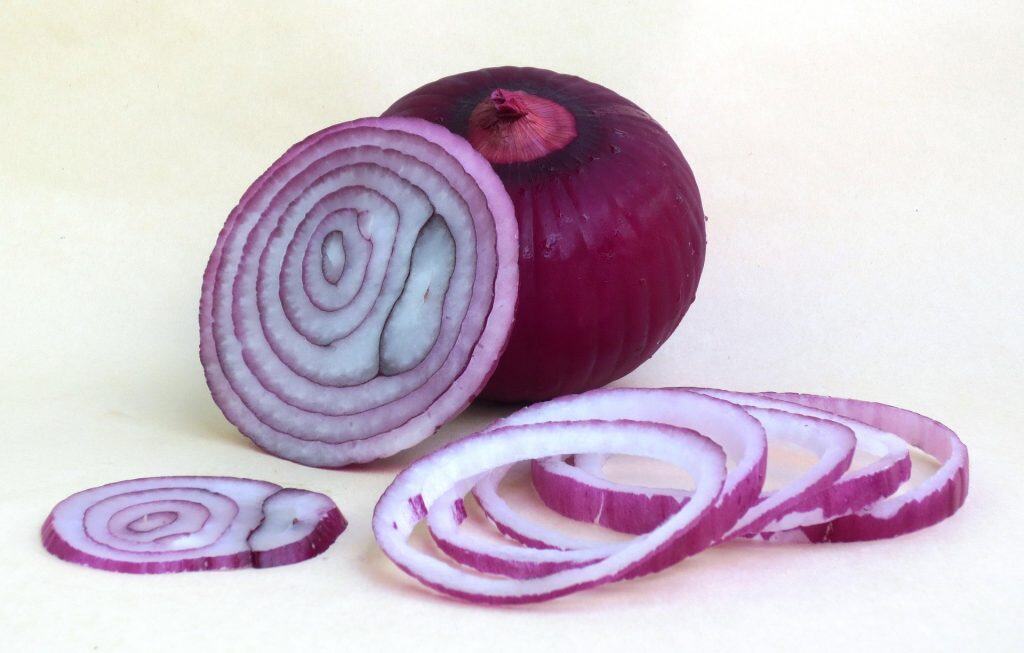
Onions are the quiet backbone of countless recipes. They bring sweetness when caramelized slowly, sharpness when raw, and depth when simmered in soups and stews. Rich in quercetin, an antioxidant with anti-inflammatory properties, they’re as good for you as they are for flavor. Keep them on hand, and you’re always a step closer to a great meal.
Alfalfa Sprouts: Tiny but Mighty
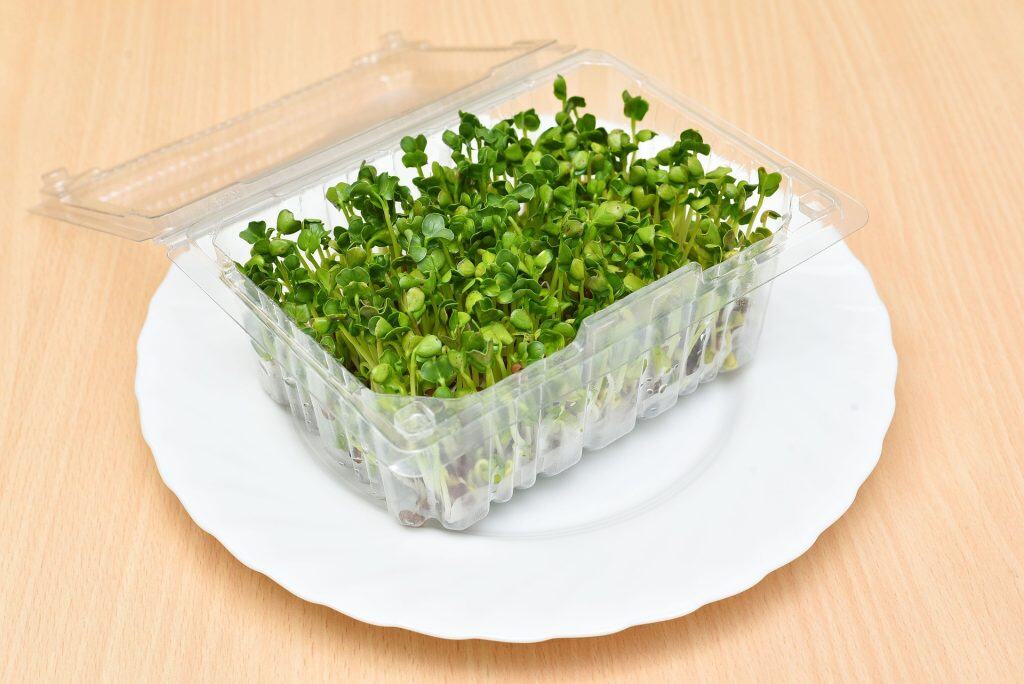
Alfalfa sprouts may be small, but they add a surprising amount of crunch and freshness. They’re low in calories but high in vitamin K and C, making them an easy way to boost salads, sandwiches, and wraps. Rinse them thoroughly before using, store them in a breathable container in the fridge, and sprinkle them on just about anything that needs a little lift.
Bell Peppers: Colorful Vitamin Boosts
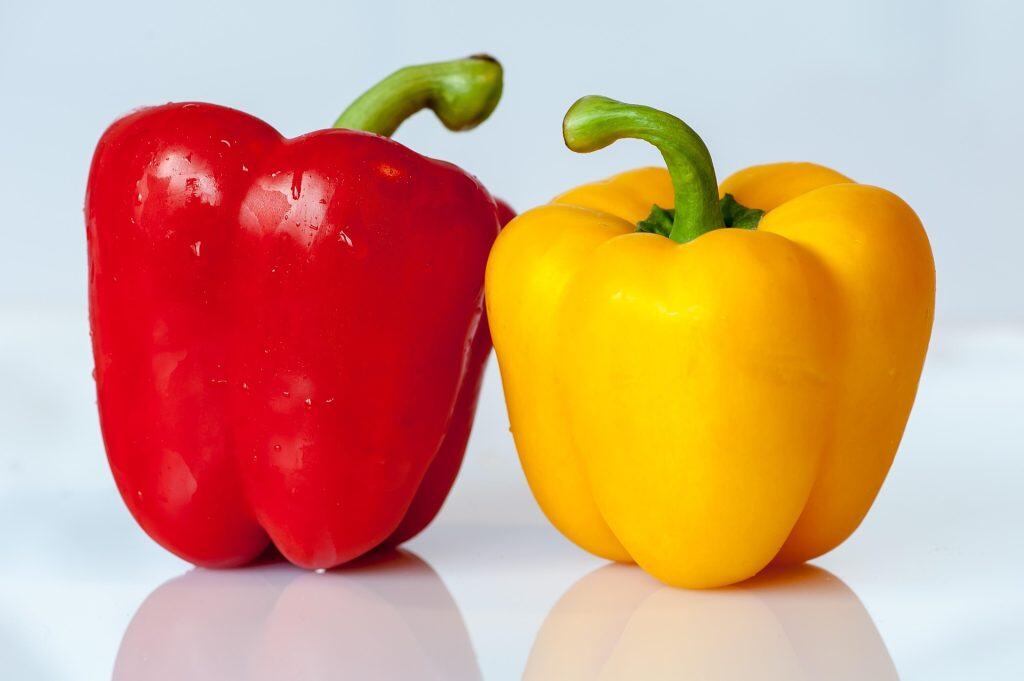
Bell peppers are as beautiful as they are nutritious. Loaded with vitamins A and C, they add sweetness and crunch to any dish. Slice them thin for raw snacking, grill them to bring out their natural sugars, or roast them until they’re soft and slightly charred. Their bright colors make every plate look more inviting, and their flavor is just as good.
Whether you’re roasting, steaming, sautéing, or eating them raw, these vegetables are the foundation of good cooking. Keep them on hand, treat them well, and they’ll reward you with flavor, color, and nourishment in every meal.