How to Use Different Types of Cabbage in Delicious Dishes

Cabbage doesn’t get nearly enough love. But once you start cooking with it, you realize just how much it can do. From crisp, crunchy slaws to silky, slow-braised comfort food, each variety brings its own personality to the table. Knowing which cabbage works best in which dish makes weeknight dinners easier—and honestly, a whole lot more delicious. Here are nine varieties worth getting to know, plus the meals where they truly shine.
Green cabbage
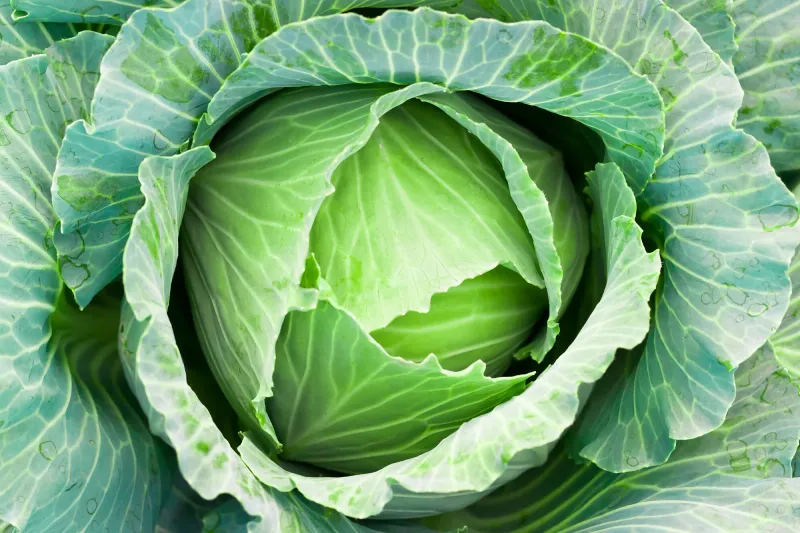
Green cabbage is the one I reach for when I want something dependable, crisp, and easy to use in almost anything. It has a slight peppery bite that mellows beautifully with heat, but it still keeps enough structure to stay satisfying. Slice it thin for slaw or let it cook low and slow—it holds its own either way.
It shines in creamy coleslaw, simple sautéed cabbage, hearty cabbage soup, and the classic boiled cabbage served with corned beef. If you want one cabbage that can handle raw salads and warm comfort food equally well, this is the versatile workhorse that rarely lets you down.
Red cabbage
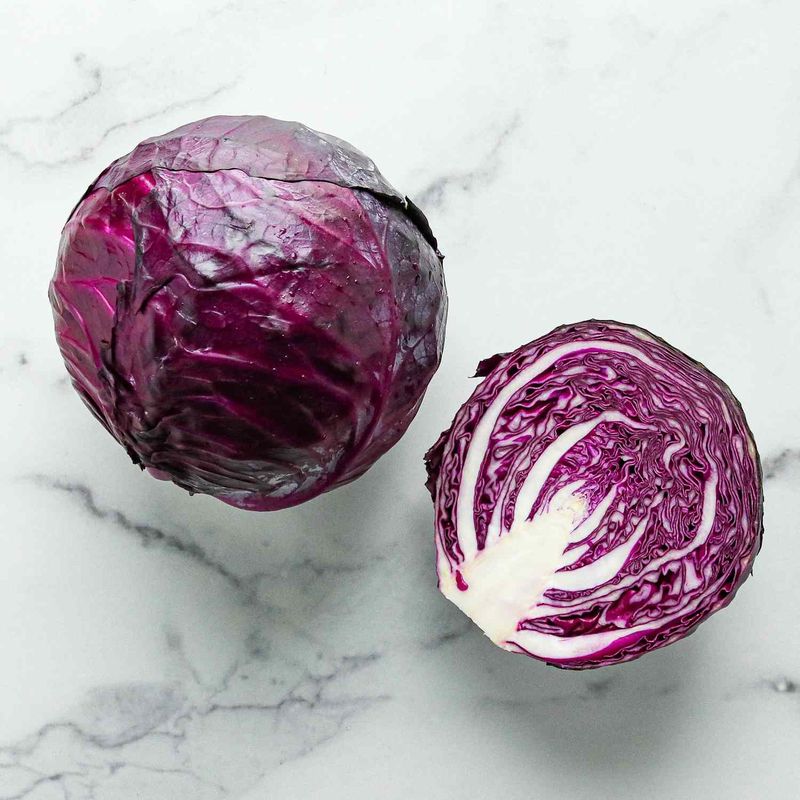
Red cabbage brings a deeper flavor and a sturdier texture than green cabbage, but what really wins me over is that gorgeous jewel-toned color. It stays pleasantly crisp in raw dishes and turns silky when cooked with a little acid. That balance makes it one of the prettiest—and most practical—cabbagges in the kitchen.
It shines in tangy slaws, quick pickles, and braises with vinegar and apples that bring out its subtle sweetness. I also love it piled onto tacos, where the crunch and color instantly make the whole meal feel brighter and more exciting.
Napa cabbage
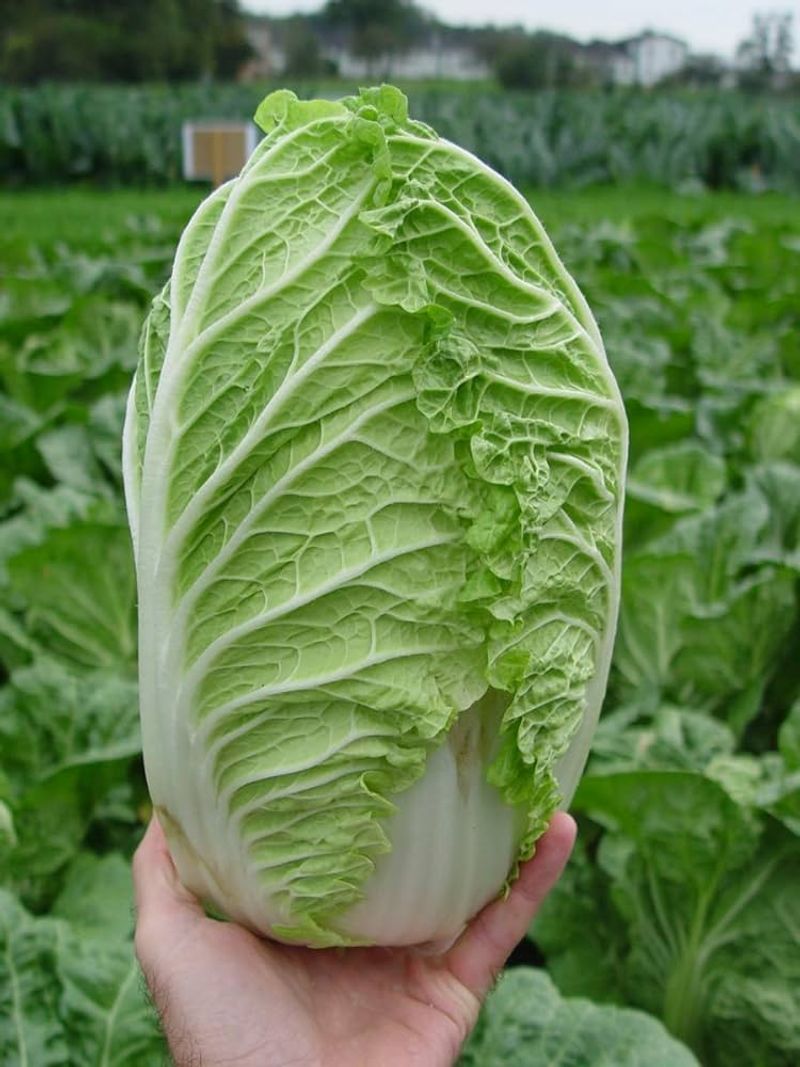
Napa cabbage is tender, mild, and just a little sweet—which makes it incredibly easy to love. The leaves cook quickly and soften without becoming heavy, while the pale ribs keep a delicate crunch. When I want cabbage that feels light and versatile, this is usually the one that ends up in my cart.
It shines in stir-fries, hot pot, dumpling fillings, and homemade kimchi, where its texture soaks up flavor beautifully. Because it cooks fast, it’s perfect for quick weeknight meals when you want something comforting and fresh without spending forever at the stove.
Savoy cabbage
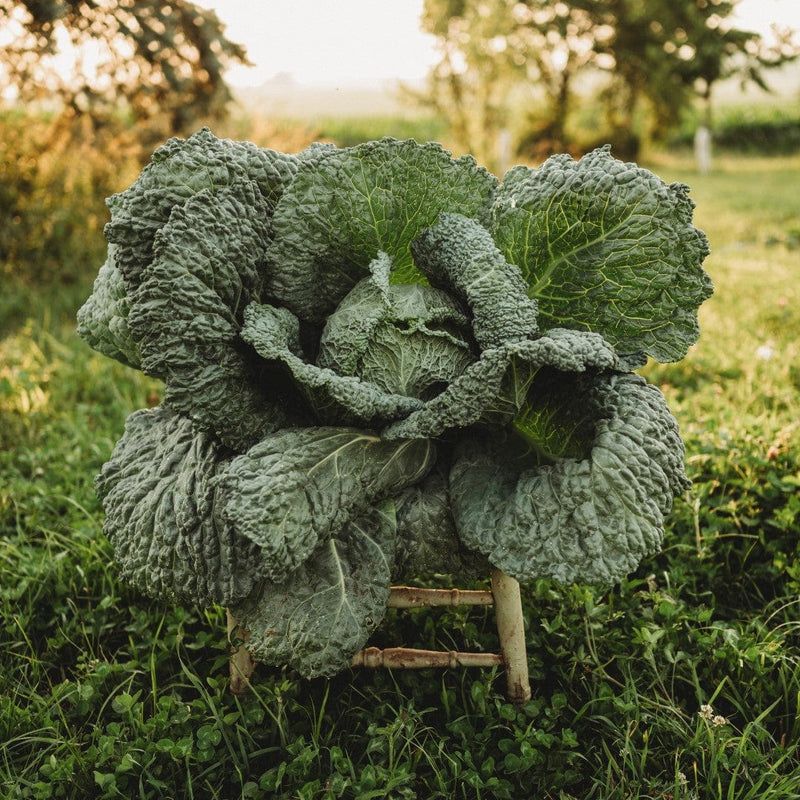
Savoy cabbage stands out with its crinkled leaves, tender texture, and slightly sweeter taste than standard green cabbage. It feels softer from the start, so it cooks into dishes with a gentler bite and a more delicate finish. If you want cabbage that turns silky without collapsing into mush, this is such a smart pick.
It shines in stuffed cabbage rolls—the leaves are pliable and easy to work with. I also love it in sautéed sides and soups, where it softens quickly and adds sweetness without taking over the rest of the ingredients in the pot.
Bok choy
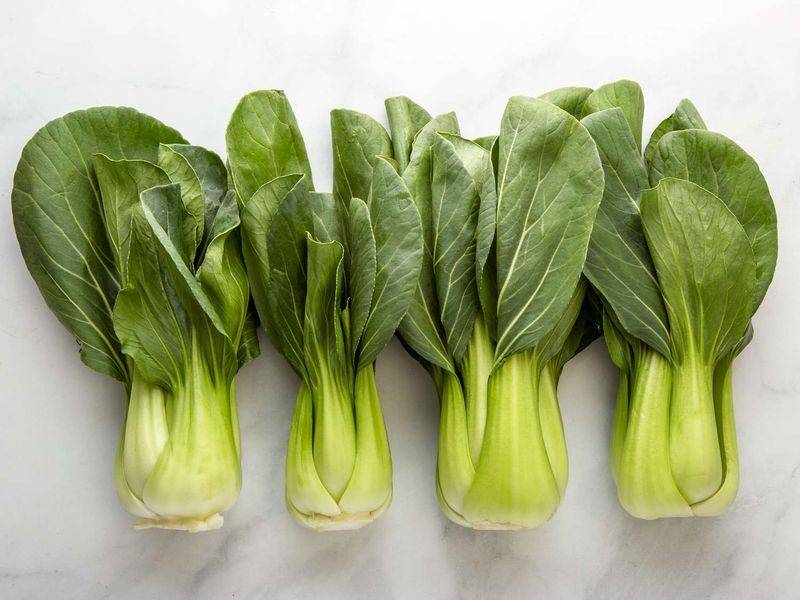
Bok choy is technically a cabbage, but it often behaves more like a leafy green with bonus crunch. The stems stay juicy and crisp while the leaves turn silky fast, giving you two textures in one ingredient. I love how it adds freshness to a pan without needing much time or fuss.
It shines in stir-fries, quick garlic-sautéed sides, noodle soups, and light braises that let its clean flavor come through. Because it cooks so quickly, bok choy is perfect for nights when dinner needs to happen fast but you still want something bright, savory, and full of texture.
Brussels Sprouts
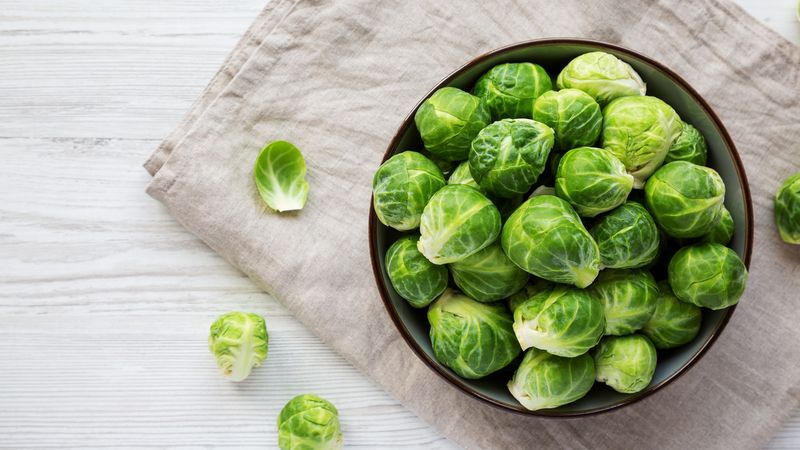
Brussels sprouts are like tiny cabbages with a bolder attitude, and they reward good cooking better than almost any other member of the family. Their stronger flavor turns nutty and sweet when roasted—especially when the edges get dark and crisp. That transformation is what makes even skeptical eaters come back for seconds.
They shine roasted until caramelized, shredded into crunchy salads, or sautéed with bacon or garlic for a savory side. If you’ve only had them boiled into sadness, try them with high heat and a little browning, and you’ll understand why they’re so beloved.
Chinese leaf cabbage
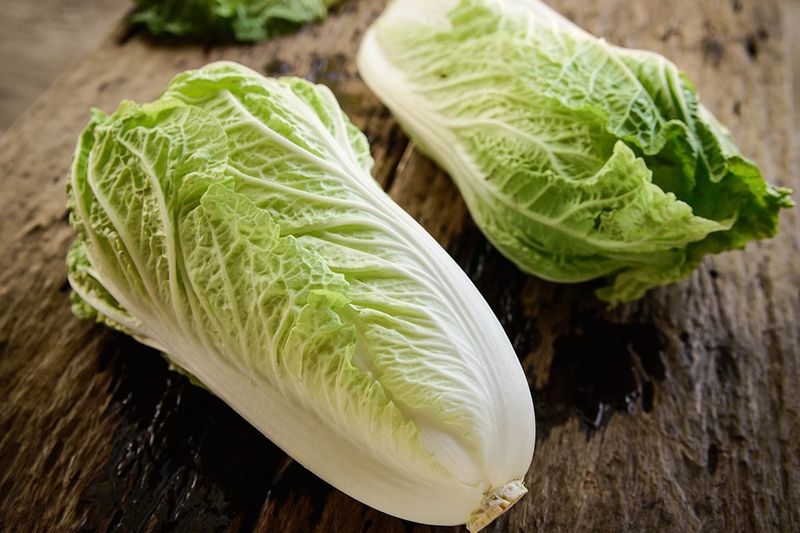
Chinese leaf cabbage—often called wombok—is wonderfully mild with a tender bite that makes it feel easygoing in the kitchen. It’s very similar to Napa and often used the same way, especially when you want something soft but still fresh. The leaves soak up sauces well, while the stems keep a pleasant little crunch.
It shines in stir-fries, light soups, and slaw-style salads tossed with sesame dressing. When I want a cabbage that feels gentle and adaptable, this one fits beautifully into quick meals without overpowering the rest of the flavors on the plate.
Pointed cabbage
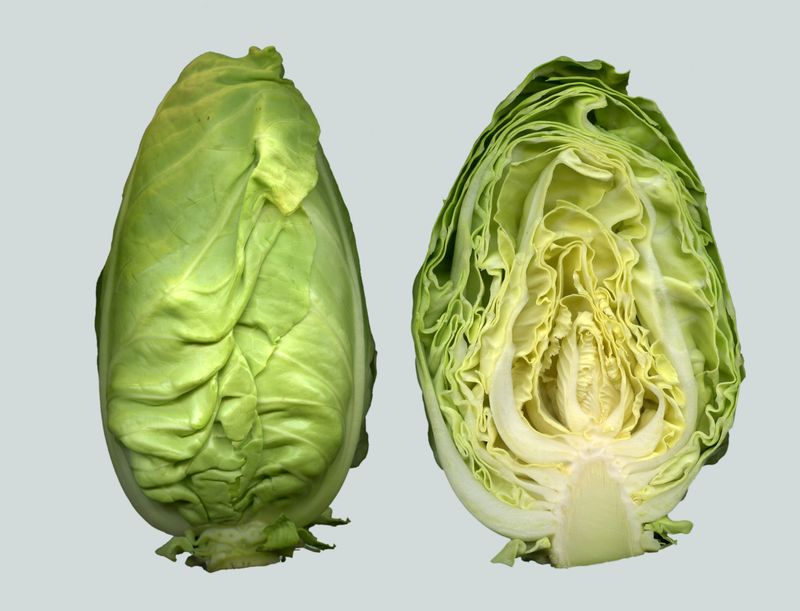
Pointed cabbage—sometimes called hispi—is smaller, sweeter, and more tender than standard round green cabbage. Because the leaves are finer and the shape is compact, it cooks faster and takes on char beautifully. I think of it as the cabbage to choose when you want something simple that still feels a little special.
It shines roasted in wedges, grilled until lightly smoky, or quickly sautéed for an easy side. Its natural sweetness comes forward fast, so you don’t need much more than oil, salt, and a hot pan to make it taste genuinely impressive.
Conehead cabbage
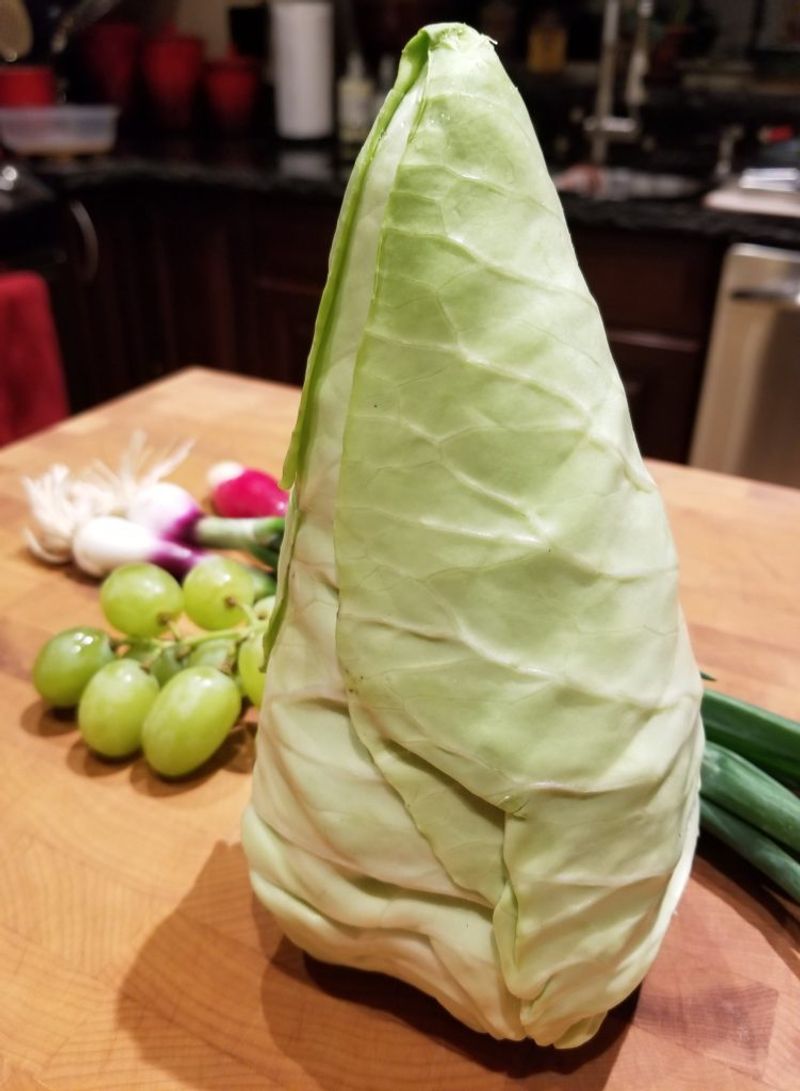
Conehead cabbage—also known as sweetheart cabbage—is prized for its sweet flavor and delicate texture. It feels lighter than tougher cabbages, so it’s ideal when you want tenderness without long cooking times. The leaves soften quickly but still hold together enough to look lovely on the plate.
It shines in quick-cooked dishes, warm salads, and light braises where a gentle texture really matters. I like using it when I want cabbage to play a softer role in the meal—adding sweetness and comfort instead of bold crunch or heavy structure to every bite.