Butchers Reveal the Truth About Fast-Food Cheeseburgers’ Beef Quality

Fast-food burgers are easy to argue about because everyone has a favorite and a memory tied to one. Butchers come at the question differently, though, because they notice the meat first and the marketing second. That is what makes these picks more interesting than a generic fan ranking based on vibes or nostalgia alone. The experts in the reference focused on beef quality, freshness, and whether the burger still tasted properly cooked by the time it hit the tray. They were not chasing the cheapest meal or the loudest chain name. They were looking for burgers with fresh patties, real sear, solid texture, and toppings that did not bury the beef underneath everything else. The bigger lesson is pretty simple. A fast-food cheeseburger does not need to be fancy, but it does need to be handled with some care if it wants to impress people who work with meat every day.
What Butchers Notice Before Anyone Else
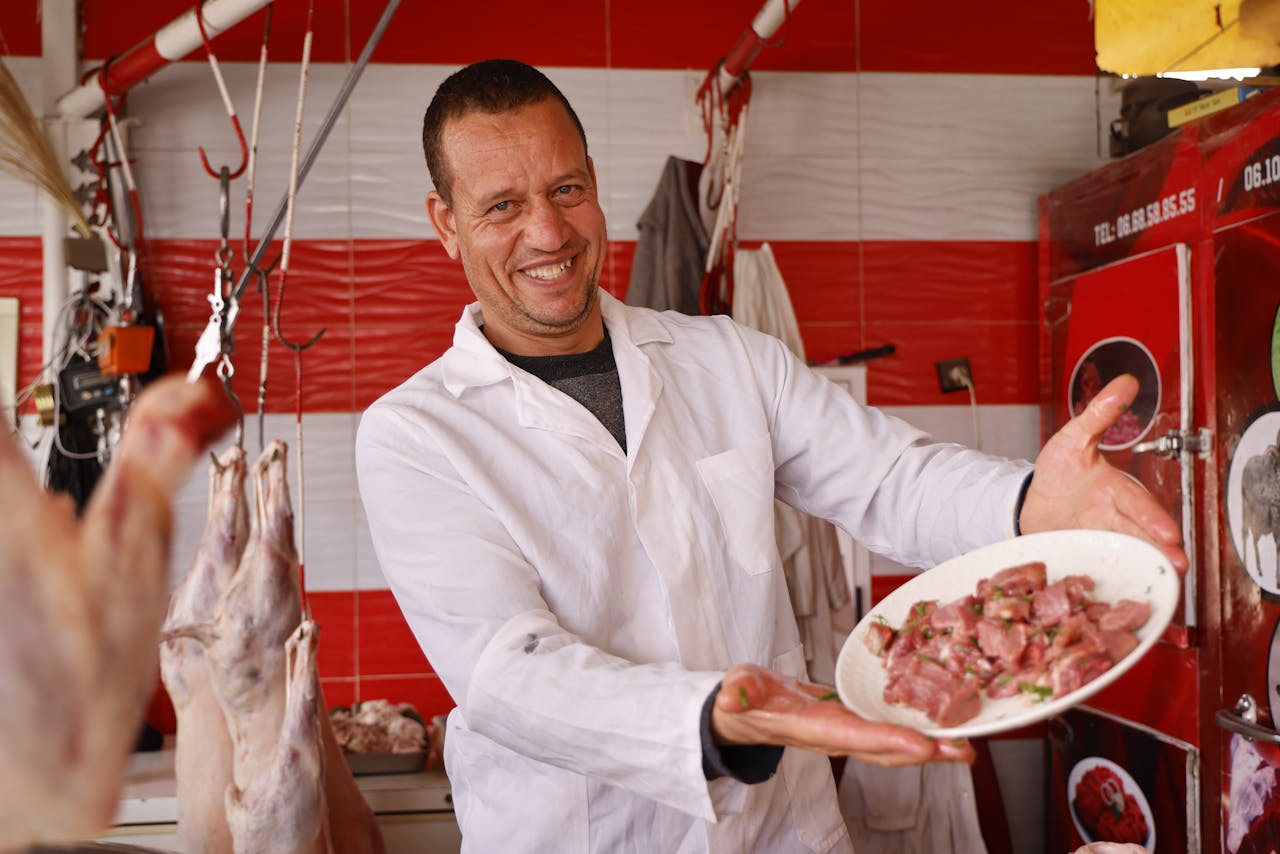
Butchers usually start with the patty, not the toppings. They want beef that tastes full, juicy, and properly cooked instead of steamed into softness or dried out from overcooking. Fresh meat matters because it holds texture better on the grill. A patty that starts fresh has a much better chance of staying tender without tasting mushy or dry by the time you reach the second half. They also watch for sear. Crisp edges and real browning suggest the burger was cooked hot and fast instead of sitting limp under a warmer waiting for an order. That is why these experts did not talk much about gimmicks, secret sauces, or novelty toppings. They kept coming back to beef quality, smart cooking, and a burger that still feels alive when you bite into it.
Fresh Beef Changes The Entire Burger
The reference makes one point again and again: fresh, not frozen, beef gives a burger a much better shot at being memorable. That difference shows up in juiciness, texture, and how well the meat holds together under heat without falling apart or turning rubbery. Frozen patties can still make a decent burger, sure, but they often lose some life in the process of being frozen and thawed at scale. The result can be flatter in texture and less satisfying once the burger starts cooling down on your tray. Fresh beef also plays better with a hard sear. When the meat hits the grill in good condition, the outside can brown beautifully while the center keeps some softness and structure. That is where flavor starts building. The crust gives the burger intensity, and the interior keeps it from feeling overworked or dense.
The butchers were also clear that timing matters enormously. A burger cooked after the order comes in has a much better chance of landing right than something sitting under heat lamps. That freshness affects more than taste. It changes how the cheese melts, how the bun absorbs juices, and how the whole burger holds together in your hands without turning into a mess by the third bite. Even the best toppings cannot fully rescue tired meat. When the patty is weak, everything else starts feeling like decoration instead of support. So the secret is not really secret at all. Better beef gives the whole burger a stronger foundation, and the butchers clearly noticed which chains respected that principle.
Culver’s Wins By Doing The Basics Right
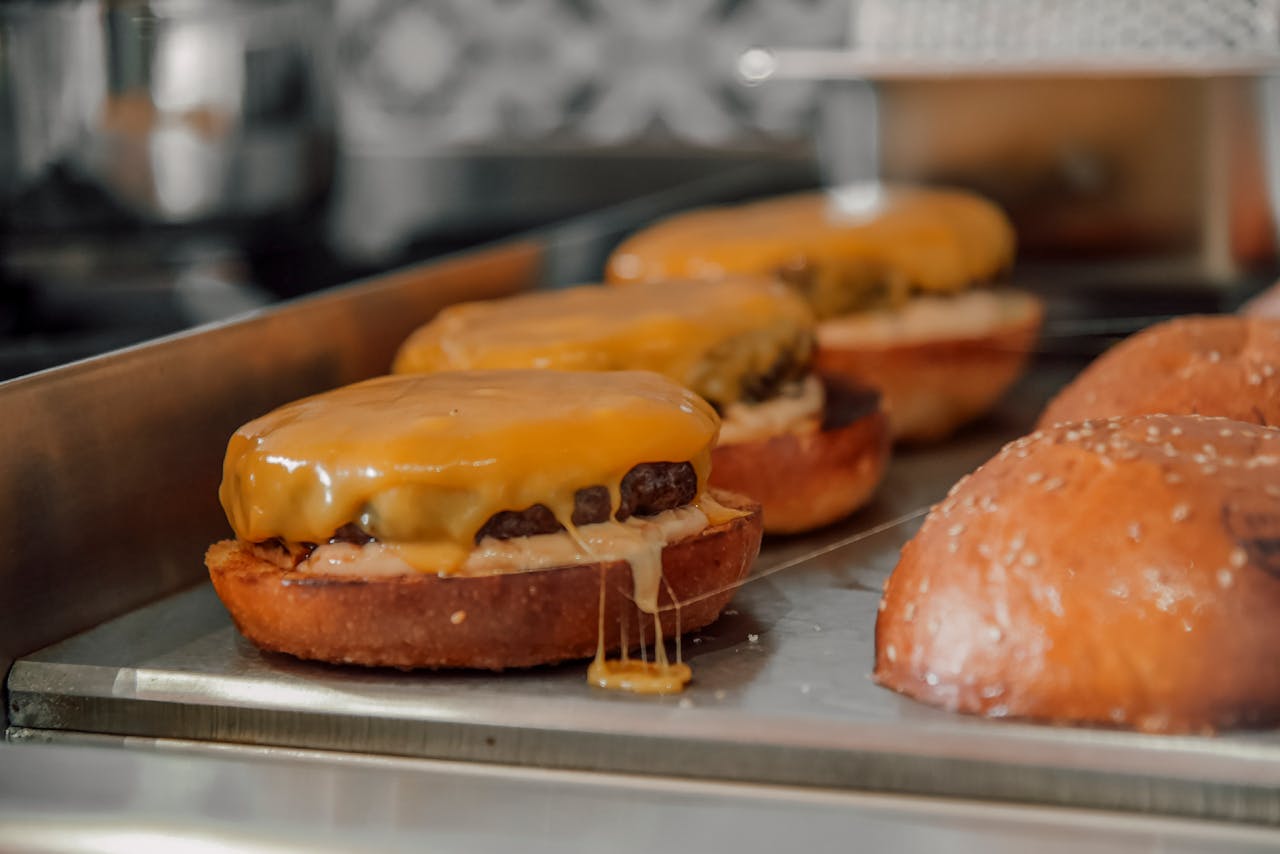
Culver’s stood out because it treats the burger like the main event instead of just a fast-food vehicle for sauces and bread. The reference praises its fresh, never-frozen beef and its grilled-to-order approach. That alone puts it in a different conversation from chains that rely on pre-cooked patties sitting in warming drawers. A burger cooked after ordering simply has a better chance of arriving juicy, hot, and properly textured without any of that sad, steamed quality. One butcher also liked the beef blend itself. The mix of sirloin, chuck, and plate gives the ButterBurger a richer profile than a generic patty made from random trimmings. The rest of the build stays focused and intentional. Wisconsin American cheese and the lightly buttered, toasted bun help the burger feel complete without stealing attention from the beef.
Shake Shack Nails The Smashburger Style
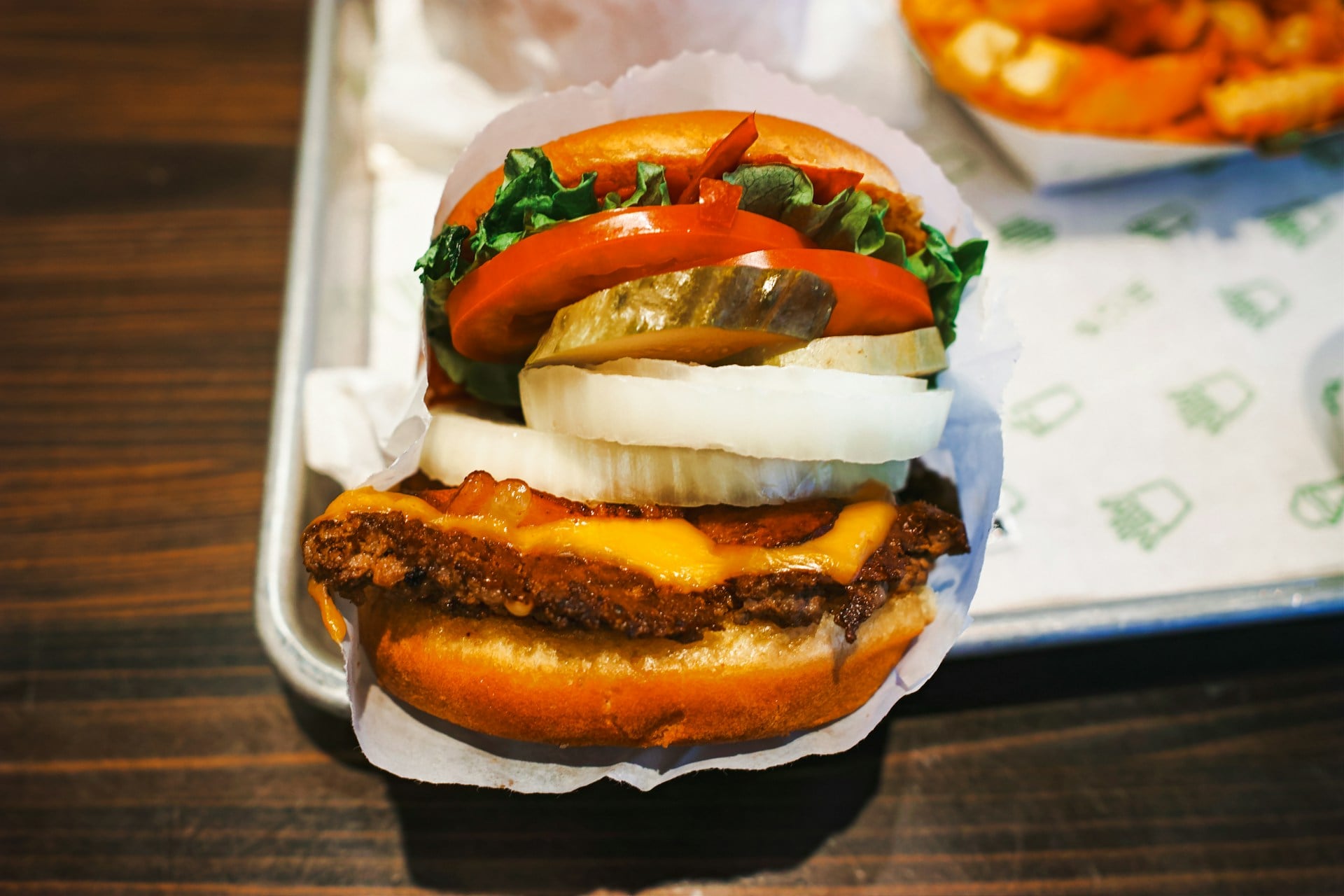
Shake Shack earned praise for a different reason entirely. The butchers liked how well it executes the smashburger style, especially the crispy edges and made-to-order cooking that defines the whole experience. That edge matters more than people sometimes admit. A smashburger without that crust just feels thin and sad, but a good one turns the surface into real flavor that changes every bite. The reference also points to sourcing as part of the chain’s appeal. That makes sense, because a thinner burger leaves less room to hide mediocre beef underneath all that browning. One butcher called Shake Shack a near-perfect example of the style. The double stack with American cheese got special praise for being exactly what a smashburger should be when done right.
That kind of comment says a lot. Butchers are not handing out compliments because a burger is trendy or expensive or has a cool name. They are noticing discipline. A proper smashburger needs timing, heat, and confidence, because once the meat hits the griddle there is not much room for hesitation or second-guessing. Shake Shack also benefits from knowing what not to overdo. The burger is built to highlight the crust, the cheese, and the beef instead of chasing unnecessary drama with too many ingredients. That clarity is probably why it landed so strongly in the reference. It knows its lane and stays there, which is often what separates a good fast-food burger from a forgettable one
Crispy Edges Tell A Bigger Story
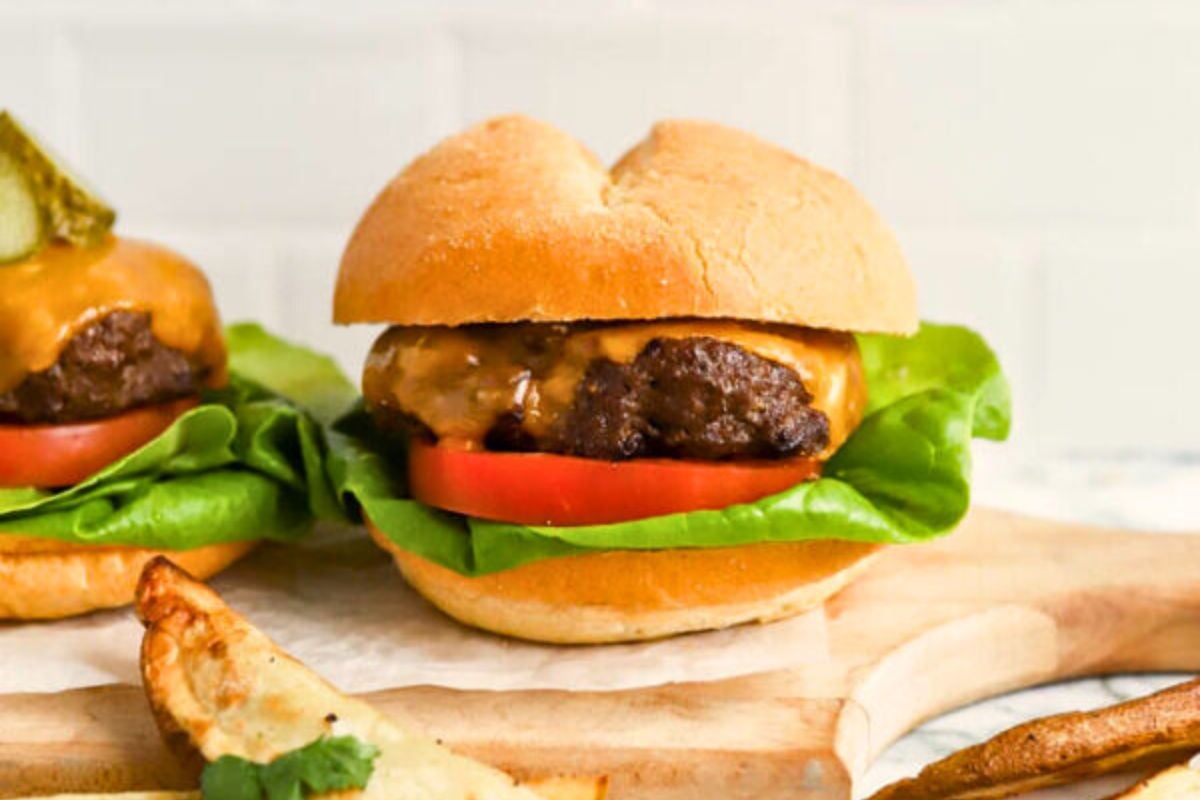
One of the smartest clues in the reference is the focus on crispy edges. That detail is not just about texture, but about timing and kitchen discipline. Crispy edges usually mean the burger was cooked recently and hard enough to develop real browning instead of just warming through. A patty that has been sitting around rarely keeps that same snap and depth of flavor. The butchers are essentially reading the burger like evidence at a scene. The crust tells them whether the kitchen treated the meat like something worth paying attention to or just another item to push through. That is why this point keeps showing up across the picks. Whether the burger is smashed or thicker, a good edge signals freshness and confidence at the grill.
Price Can Reflect Quality, Even In Fast Food
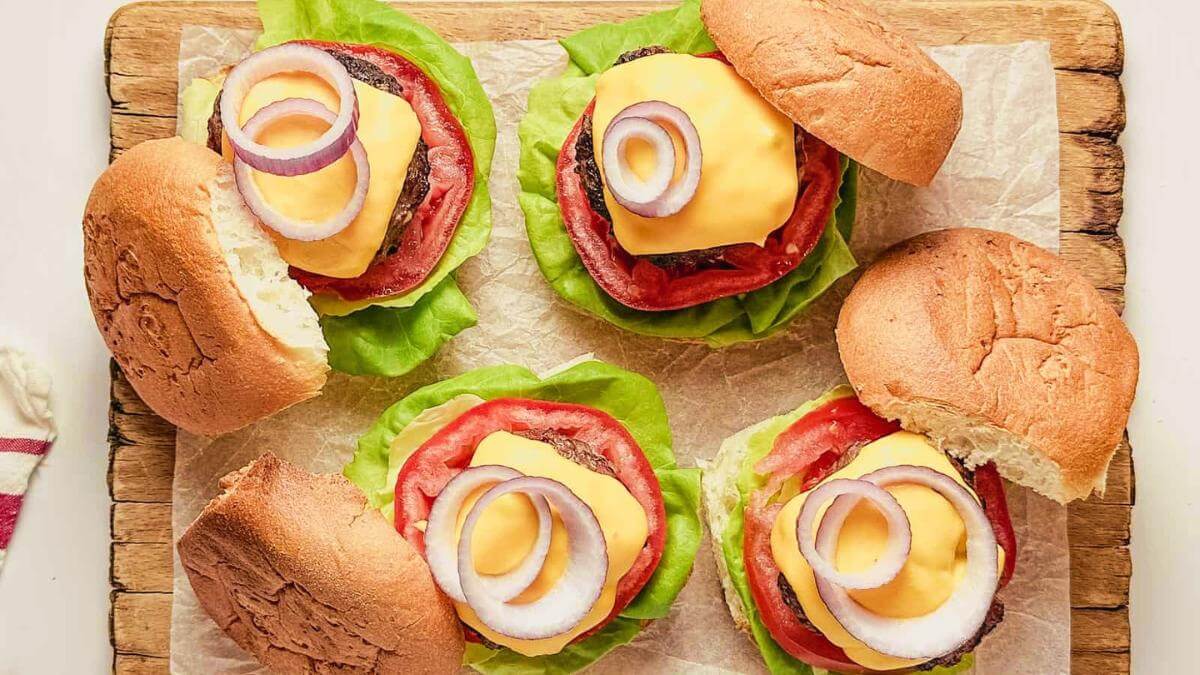
The reference does not argue that expensive always means better. It does suggest, however, that a slightly higher price can reflect better beef, better handling, and more careful cooking behind the scenes. That is a useful distinction in a category where people often chase the lowest number on the menu board. The cheapest burger is not always the best deal if it eats like a compromise and leaves you unsatisfied. Good beef costs more than average beef, and cooking burgers to order also demands more care than letting patties wait around in a holding cabinet for orders to come in. So yes, price can tell part of the story. It is not the whole story, but it can hint at what the restaurant is willing to spend on the actual burger.
The butchers were basically saying you get what you pay for in this category. That line may sound obvious, but it still matters in a category built entirely around convenience and speed. A slightly pricier burger can still feel worth it if the meat tastes fresher and the structure holds together better through the whole meal. That kind of value is harder to measure on a dollar menu board where everything looks similar at first glance. This is where the three picks start to make even more sense. None of them were chosen because they were the absolute cheapest option in the drive-thru world. They were chosen because the burger itself felt more deliberate and intentional. The butchers seemed willing to spend a little more when the payoff was a better bite.
The Bun, Cheese, And Toppings Still Matter
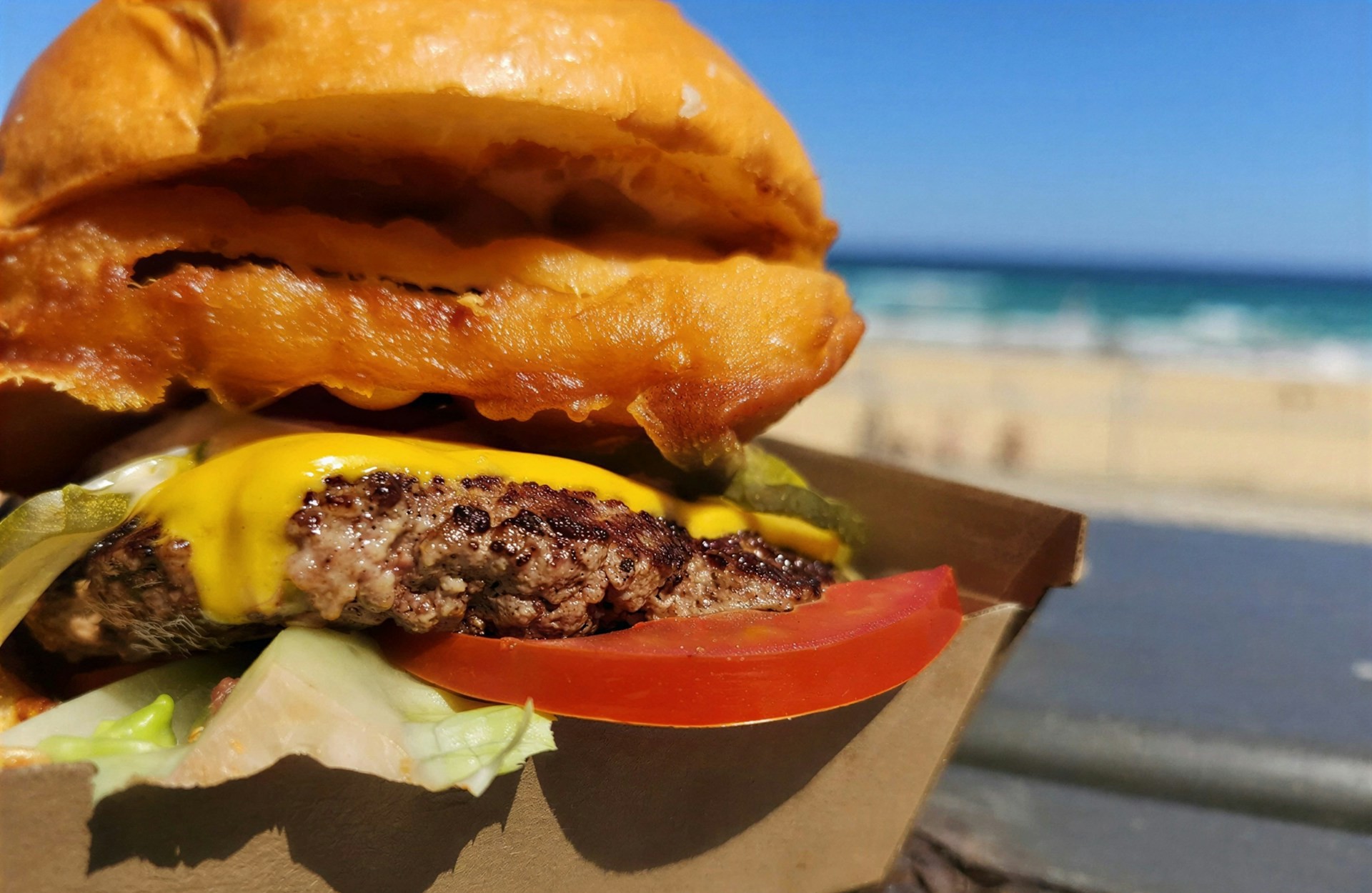
Even though the beef led the conversation, the rest of the burger was not ignored or treated as an afterthought. The reference specifically highlights American cheese, fresh toppings, flavorful sauce, and a hearty bun that can hold everything together. That matters because good beef can still get dragged down by a weak build that collapses or distracts. If the bun falls apart or the toppings taste tired and sad, the burger loses balance fast. The best chains seem to understand that supporting pieces should do exactly that. They should support the patty, not overwhelm it or leave it stranded without structure. That is why the burger picks in the reference sound so cohesive. Each one pairs stronger meat with components that help the whole thing stay clear and satisfying without getting in the way.
What These Butchers Would Make At Home
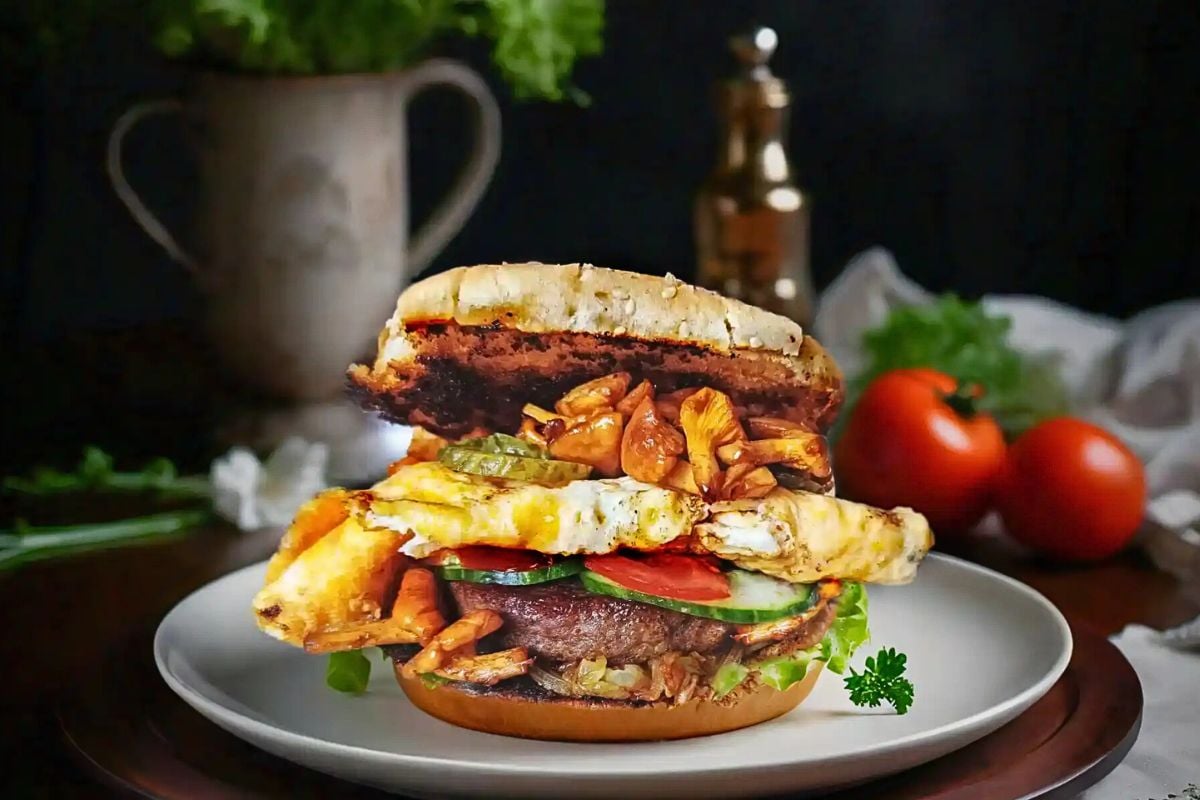
The reference also gives a useful home version of the same logic for anyone who wants to try it themselves. The butchers recommend 70/30 ground beef for flavor and juiciness. That ratio is not shy about fat, and that is the entire point. More fat gives the burger better browning and a fuller bite that does not dry out on the grill. They also suggest forming two-ounce balls and smashing them on a hot cast-iron skillet. That method builds the crust quickly and creates the crispy edges they clearly value so much in their chain rankings. The cooking time stays short on purpose. A couple of minutes, a flip, and melted American cheese are enough when the heat is doing its job properly.
Then they finish with a toasted, buttered bun. That step sounds small, but it keeps the burger from tasting unfinished or thrown together at the last minute. The topping advice is equally direct and practical. Lettuce, tomato, onion, pickles, and a simple special sauce keep the burger grounded in the same fast-food language the experts were praising. Even the sauce formula stays practical and unfussy. Mayo, ketchup, chopped dill pickles, and a splash of Worcestershire or fish sauce bring punch without becoming fussy or overwrought. That home version tells you what the butchers truly value underneath all the chain names. They are not worshipping brand names so much as a style of burger that respects beef, heat, and restraint. That is the real lesson here.