Ten Warning Signs to Avoid in Local Travel Restaurants

Travelers can study menus, ratings, and glossy photos for an hour and still miss what locals size up in minutes. That quick read isn’t based on one dramatic warning or a single bad review. It comes from noticing small patterns that hint at freshness, temperature control, and whether the kitchen actually runs with care. The safest places tend to look almost ordinary. Food moves quickly, answers come easily, and nothing feels like it has been waiting around for the next unsuspecting table. Those habits line up with basic food safety rules, which is why locals trust them more than hype. That is why the most useful red flags are often the least theatrical ones in the room.
The Menu Is Huge But The Room Is Still Quiet
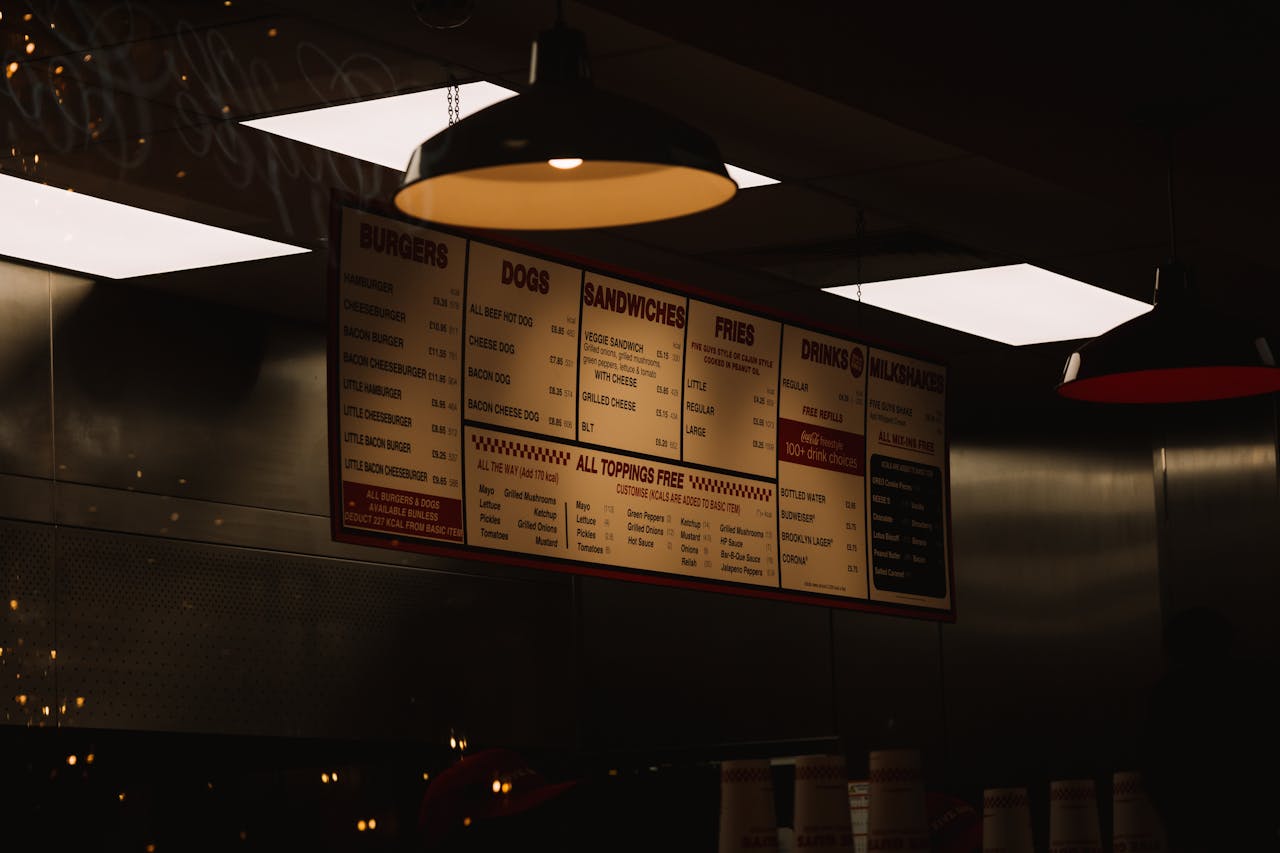
A restaurant that serves sushi, pasta, burgers, curries, pancakes, and lobster from one quiet kitchen can make locals pause. A long menu isn’t automatically a problem, but in a low-turnover setting it can suggest frozen stock, long holding times, or ingredients that don’t move quickly enough to stay at their best. Neighborhood regulars often trust the smaller menu that keeps reappearing on nearby tables. It usually points to repetition, better turnover, and a kitchen that knows what it actually does well. In travel zones, breadth can be built for passing traffic. Reliability is usually built on focus. Locals notice that mismatch very fast.
Hot Dishes Arrive Only Warm
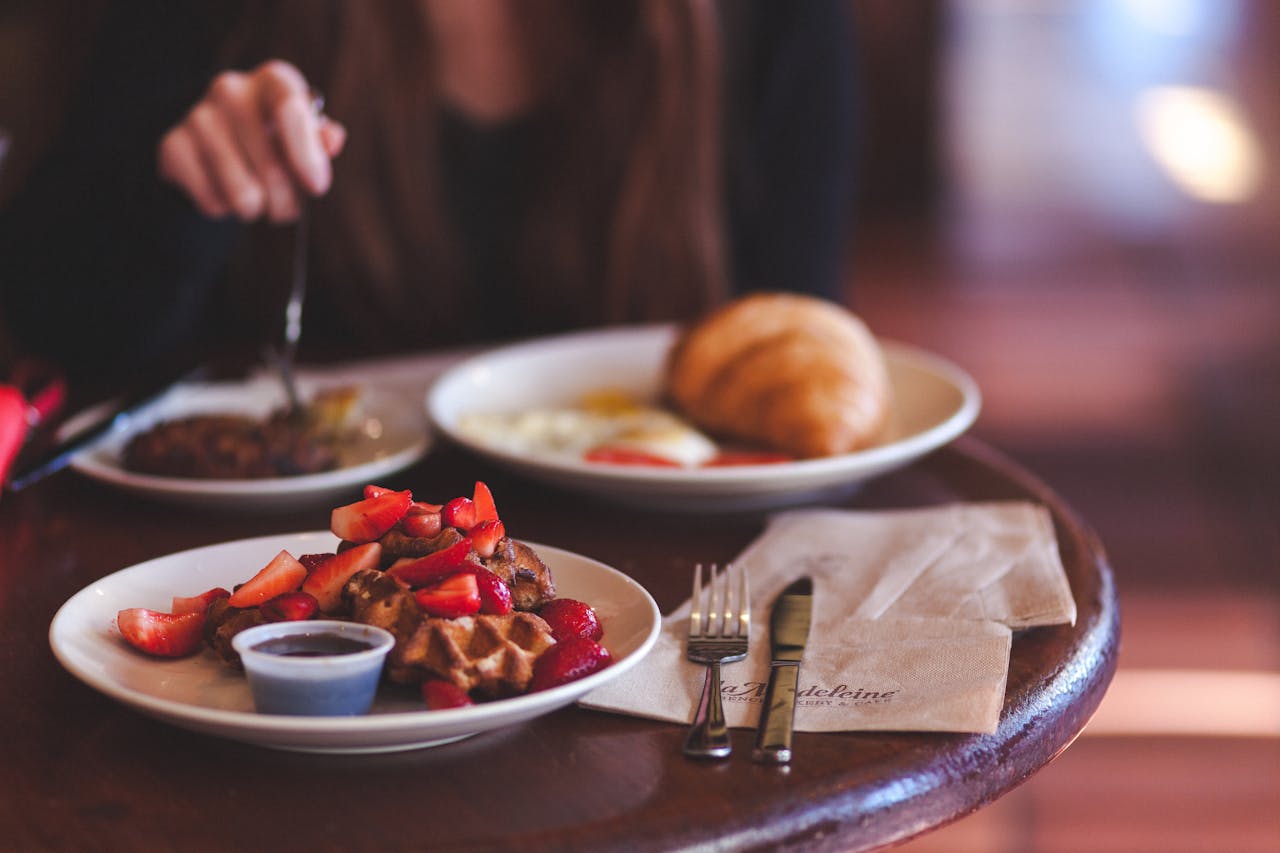
Locals get skeptical when soup, rice, grilled fish, or braised meat lands on the table warm instead of properly hot. Heat isn’t just about comfort—it’s one of the most basic indicators of food safety. Travel health guidance says fully cooked foods served hot are generally the safer choice, especially in places where travelers are trying to avoid stomach trouble. A plate that should be steaming but arrives half-hearted can suggest it sat under weak heat or waited too long before service. That doesn’t guarantee a problem, but it tells experienced diners that the kitchen may be missing one of the simplest and most important marks of careful handling. Locals trust visible heat because it leaves less room for guesswork about how long food has been sitting.
Cold Foods Do Not Feel Cold
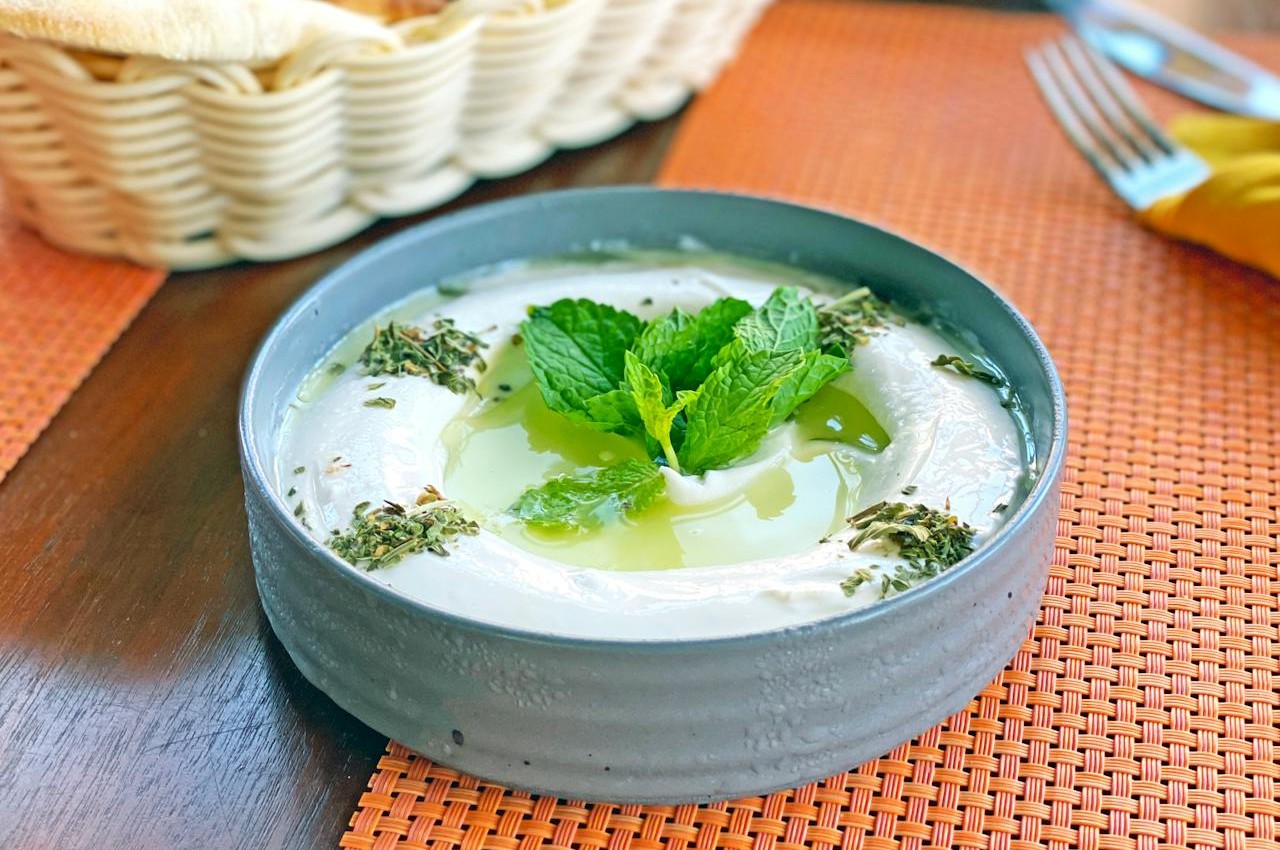
A chilled dessert, seafood salad, yogurt dish, or cut fruit plate should feel unmistakably cold when it reaches the table. Locals notice when cold foods seem merely cool, because that often points to weak refrigeration or too much time sitting out before service. U.S. food safety guidance is direct on this point: cold food should be held at 40°F or colder, while bacteria multiply quickly in the broader 40°F to 140°F danger zone. In buffet settings or busy tourist strips, that small temperature slip can matter more than a polished dining room or a pretty plate. Locals know that once a cold dish loses its chill, confidence in the restaurant starts slipping fast. It’s one of those small details that signals bigger problems behind the scenes.
Raw Produce And Ice Show Up Where Caution Matters
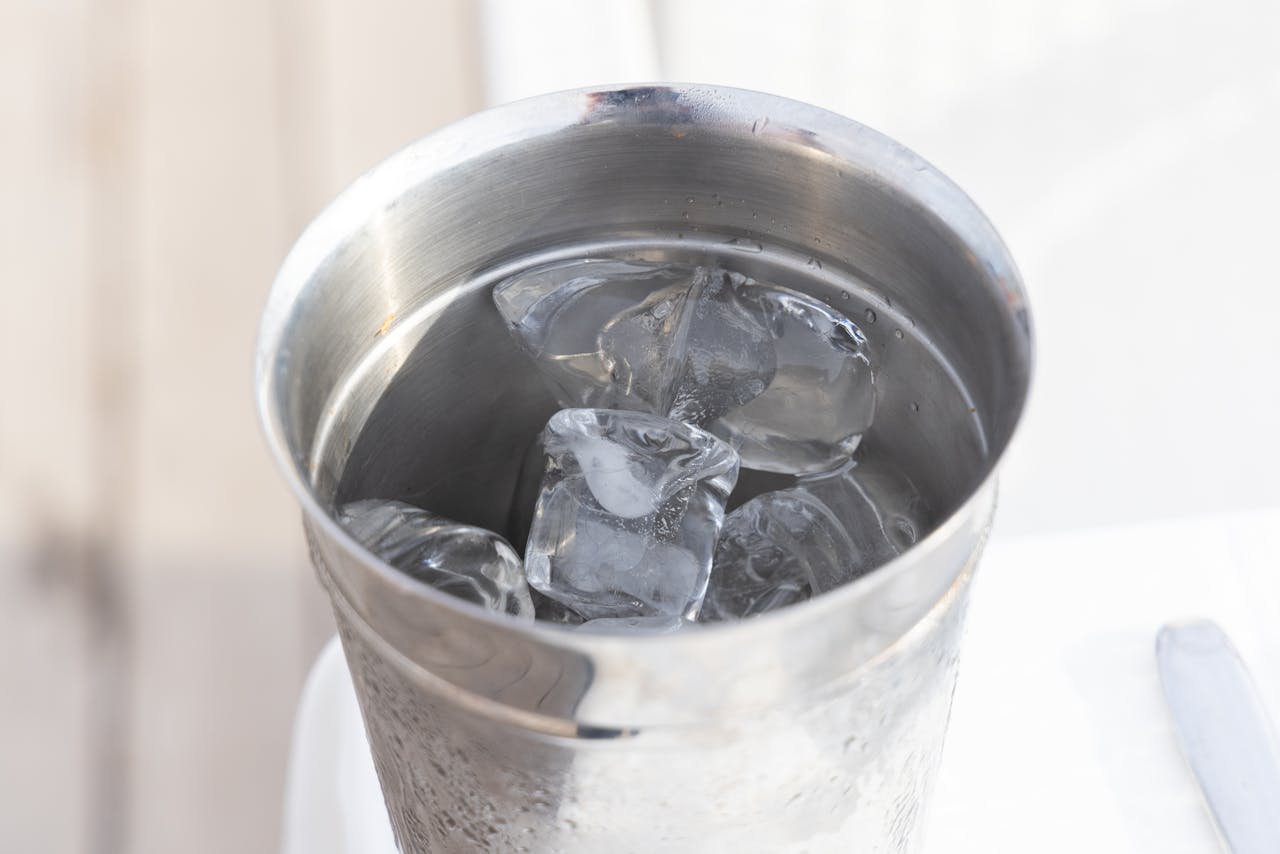
In places where water quality is uneven or traveler stomach issues are common, locals often skip the raw salad, unpeeled fruit, and extra ice without making a speech about it. Travel health guidance says cooked food served hot is usually safest, while raw produce and ice can carry more risk if the water source isn’t reliable. That’s why seasoned regulars in some destinations quietly order the steaming stew, the grilled plates, or the fruit that can be peeled. The choice isn’t about paranoia. It reflects long experience with how often the smallest uncooked detail ends up being the one that ruins the evening. Locals learn that lesson early and carry it with them.
Hands Touch Everything Before Touching Food
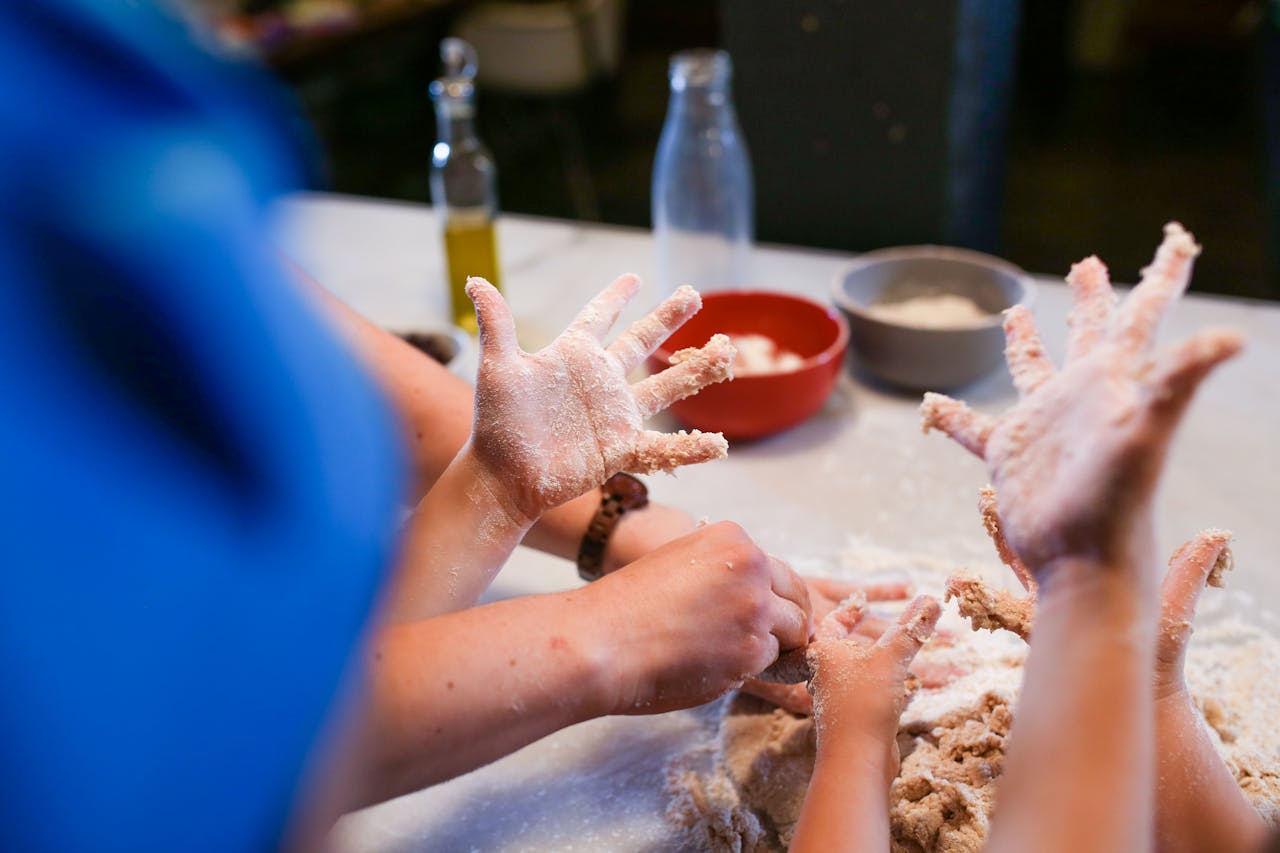
One of the clearest red flags is watching staff handle money, phones, menus, or dirty surfaces and then move straight to bread, garnish, or cut fruit without a pause. Locals clock that immediately. It signals that handwashing and glove changes may be treated as optional instead of routine. CDC guidance on restaurant food safety stresses proper handwashing and limiting direct contact with ready-to-eat food. A place can look charming and still be careless in the moments that matter most. Regulars tend to trust the restaurant where those small habits are clean, quick, and consistent every time. That kind of carelessness lingers in memory long after the meal is over.
The Restroom And Condiment Area Feel Neglected
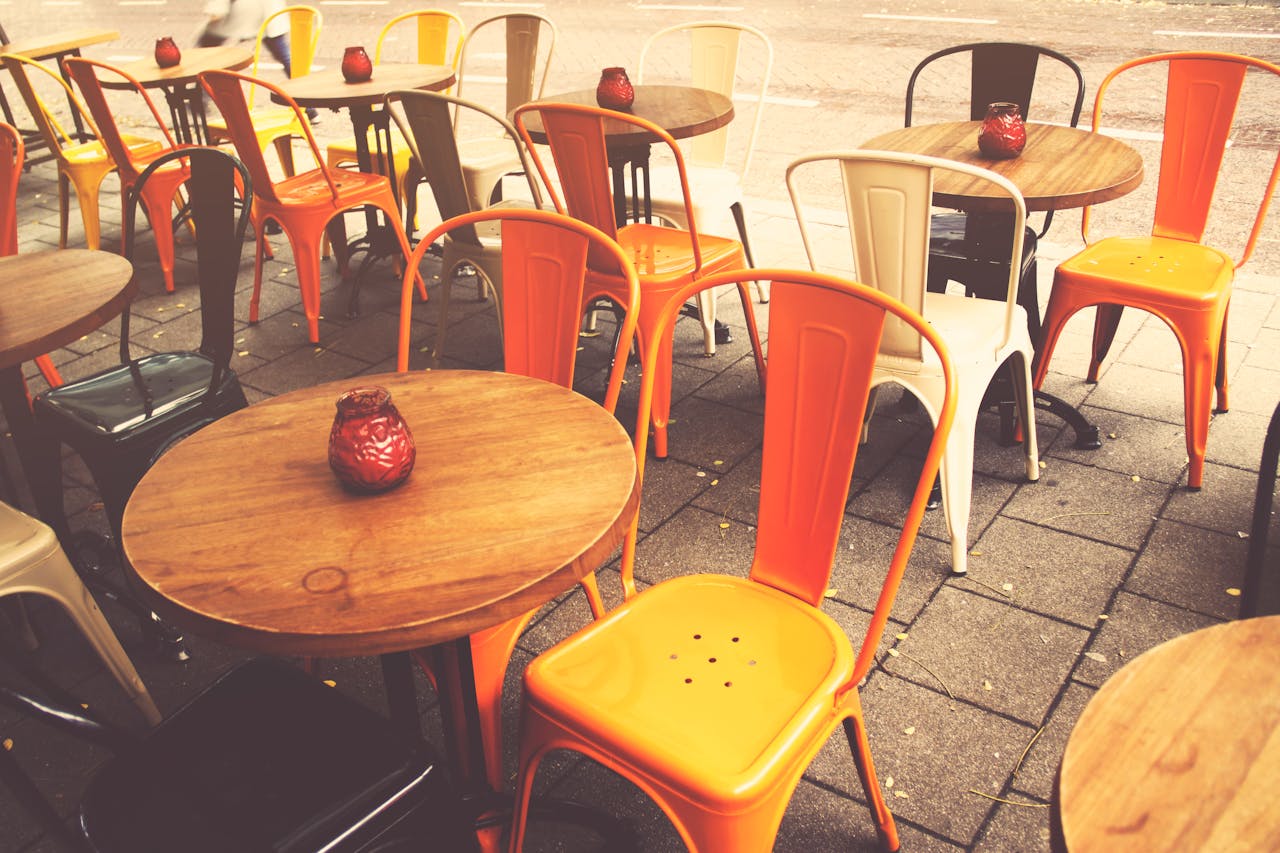
Locals often judge the unseen kitchen by the parts of the restaurant everyone can inspect. A grimy restroom, sticky condiment bottles, overflowing trash, or a self-serve station with dried spills tells a bigger story than management may realize. Public food safety guidance puts basic cleaning and handwashing at the center of good restaurant practice. So when the visible corners already look ignored, locals often assume the less visible routines may be uneven too. That isn’t snobbery. It’s a practical read on whether daily standards are actually being kept. To most locals, visible neglect is rarely the only neglect happening in the building.
Seafood Smells Loud Or Looks Worn
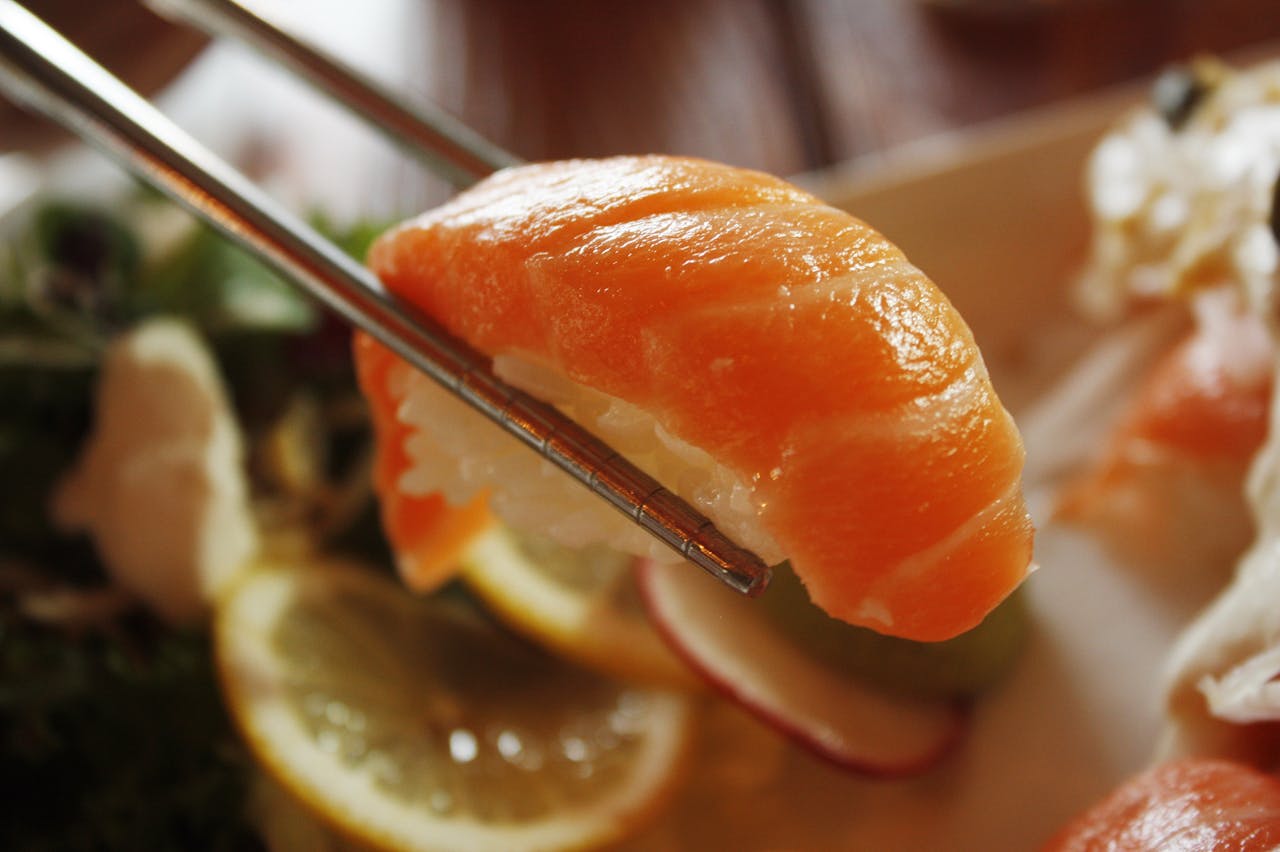
Fresh seafood does not need perfume, and locals know that right away. The FDA says fresh fish should smell mild, not fishy, sour, or ammonia-like, and fillets should not look dry or darkened around the edges. When a seafood case announces itself from across the room, regulars tend to back away slowly. Appearance matters too. Flesh should look firm and fresh, not tired or faded, as if it has been holding on all day. In coastal destinations especially, locals know that great seafood sells fast, and the places serving it rarely need to explain why it tastes clean. Fresh seafood speaks softly, and locals have learned to recognize the difference.
Simple Ingredient Questions Get Foggy Answers

Locals pay attention when a server cannot clearly explain what’s in a sauce, broth, marinade, or side. That may sound minor, but vague answers can point to weak kitchen communication, inconsistent prep, or a menu designed to sound better than it’s actually managed. It also matters for safety. The CDC notes that many food allergic reactions happen in restaurants, and one in three people with food allergies reports having a reaction there. A staff member doesn’t need a speech for every dish, but a restaurant that cannot answer basic ingredient questions calmly is showing a real gap. Strong restaurants answer that question plainly and fast.
Inspection Results Are Hidden Or Shrugged Off
Where restaurant grades or inspection records are public, locals often check them before visitors ever think to ask. New York City, for example, conducts unannounced inspections at least once a year and lets the public search results online, which gives regulars a plain look at how a place performs under scrutiny. A weak grade doesn’t mean a restaurant can never recover, and a good one doesn’t make it flawless forever. Still, locals get wary when a place hides its posting, dodges the subject, or acts as though basic inspection history shouldn’t matter. Confidence usually looks more transparent than that. Locals read that dodge immediately.
No Local Crowd At Normal Mealtimes
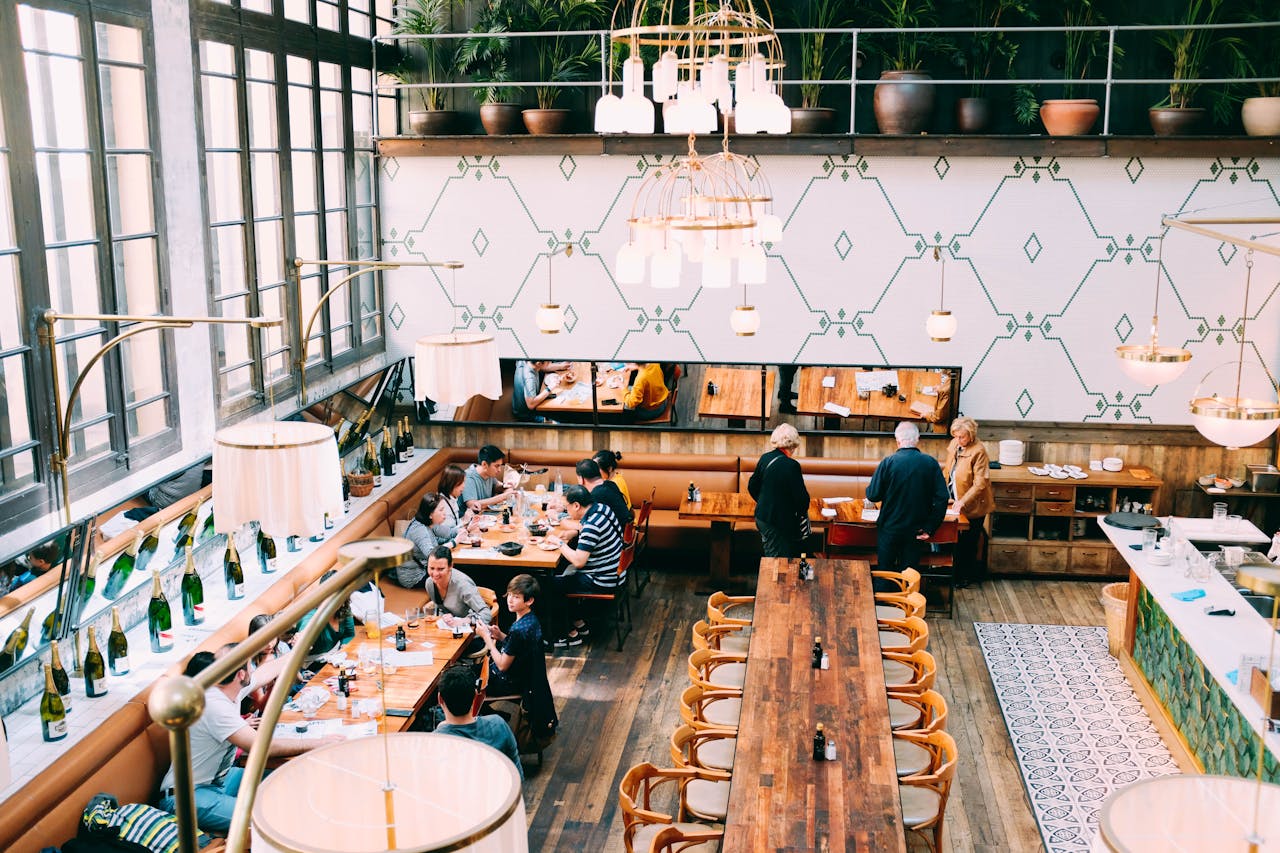
Locals notice when a restaurant in a busy area stays empty during lunch or dinner while nearby places keep turning tables. An empty room isn’t proof of bad food, but weak turnover can mean sauces, sides, and prepped ingredients are sitting longer than they should. That matters because food safety guidance warns that harmful bacteria grow fast in the temperature danger zone between 40°F and 140°F. A steady local crowd does more than create atmosphere. It usually means the kitchen is moving food through the line instead of holding it and hoping tourists keep it alive. When a place stays quiet while others buzz, locals read that as a warning that food may be waiting too long between orders.