Bulk Buying Mistakes: Products to Avoid Buying in Large Packs

Bulk shopping sounds great in theory. Lower prices, fewer trips to the store, and that satisfying feeling of a well-stocked pantry. But some things just don’t hold up well in giant quantities. By the time you get around to using them, the quality, freshness, or value has already slipped away. Knowing which items to buy in smaller amounts helps protect both your wallet and your meals. Here are a few everyday products where buying less actually makes more sense.
Tea Bags
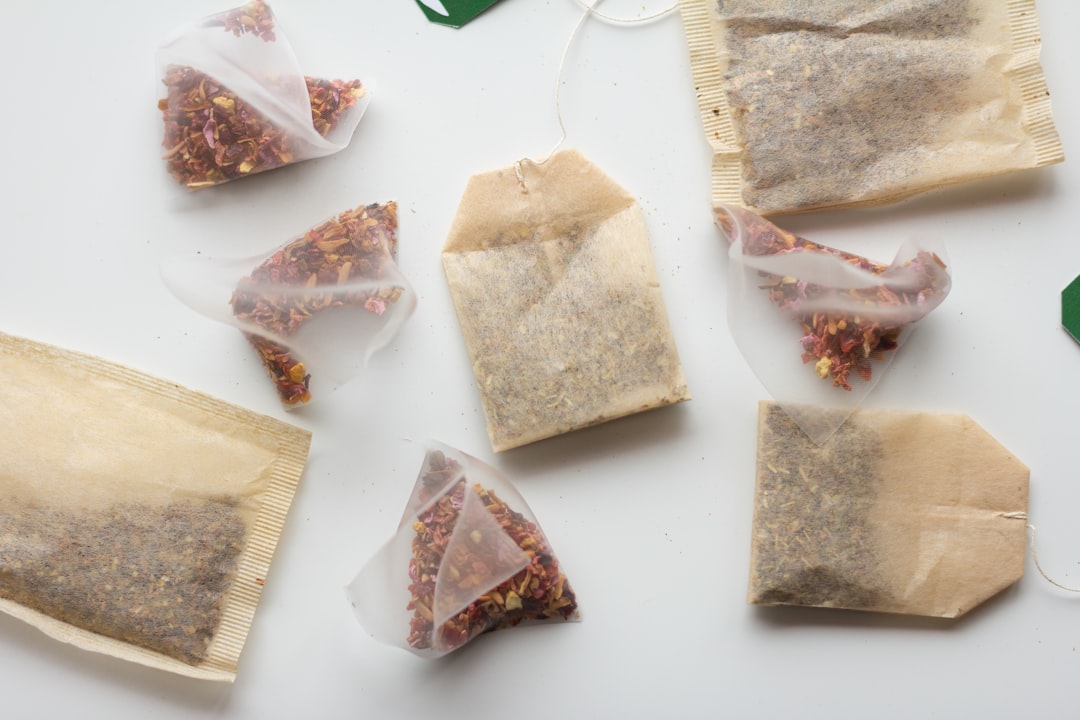
Tea bags lose potency and absorb kitchen odors over time, especially in large multipacks stored near spices or cleaners. Flavored or herbal varieties fade faster than plain black or green teas. The paper or mesh material allows gradual exposure to air. Buying modest boxes ensures lively infusions for afternoon breaks or evening wind-downs without a dull aftertaste.
Fresh Herbs
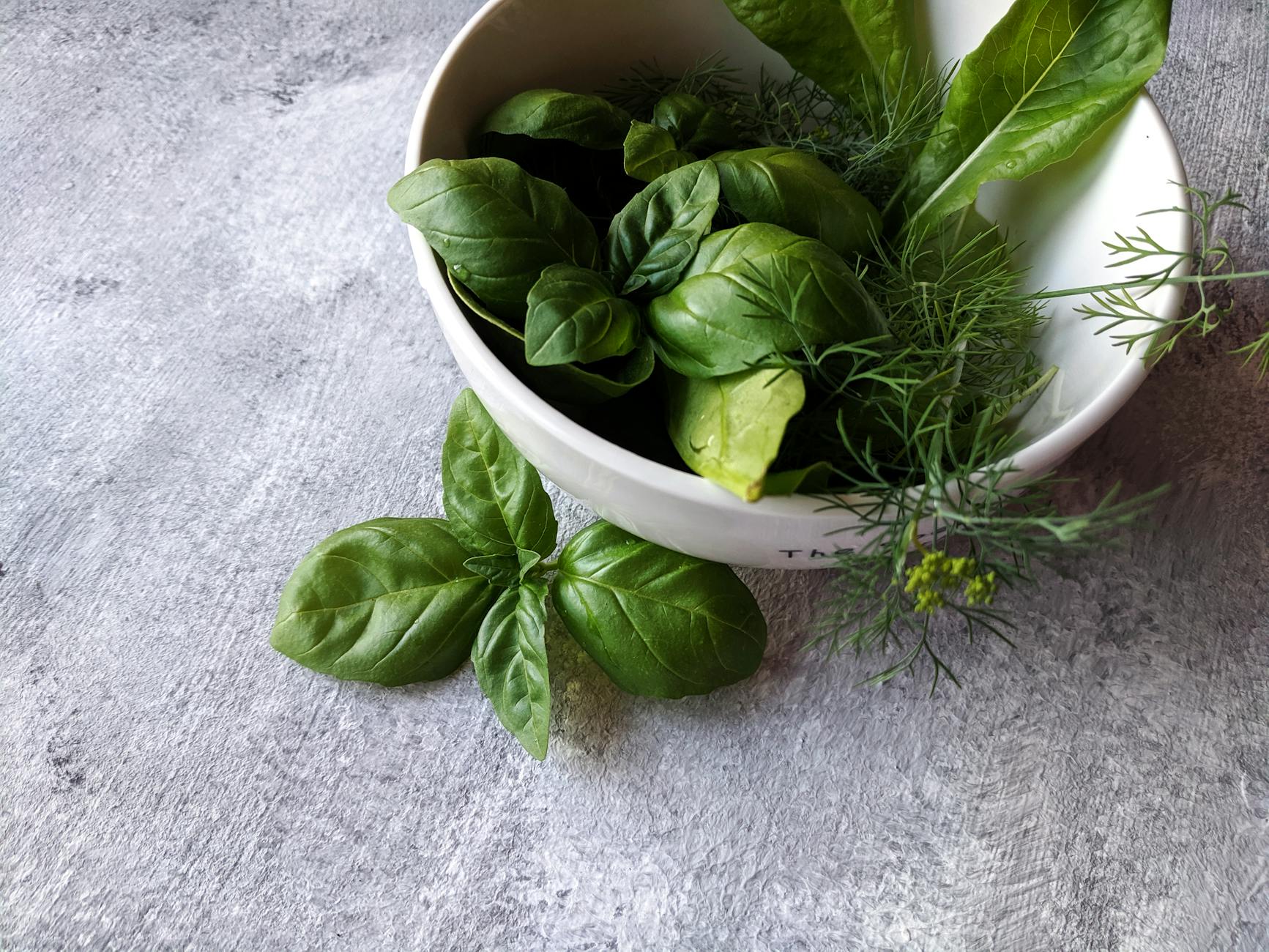
Fresh herbs are wonderful, but they have a short life. Even with proper storage in the fridge, they wilt and turn slimy within days. Bulk bundles from warehouse clubs often exceed what most households can use before spoilage sets in. The result? Wilted cilantro and sad parsley going straight into the compost. Smaller supermarket packs or a few pots on the windowsill give you better flavor with less waste.
Bread

Bread stales fast, and in humid climates or warm kitchens, mold can appear before you know it. Family-sized loaves or multipacks from bulk stores frequently go uneaten before they hit their prime. Freezing helps, but thawing changes the texture, especially if you’re reheating slices repeatedly. Buying fresh bread every day or two from a local bakery keeps sandwiches and toast genuinely enjoyable.
Spices

Spices lose their magic within months once that jar is opened. Ground varieties are especially vulnerable—air, light, and moisture in your kitchen cabinet slowly rob them of their vibrant aroma and punch. That big economy pack might seem like a deal, but if it sits around for years, you’re left with flavorless meals that need extra help. Smaller jars keep your cooking bright and encourage you to actually use what you have.
Milk

Milk spoils within about a week after opening, no matter how big the container. That gallon jug with the tempting per-unit price often ends up with sour milk poured down the drain. Plant-based milks aren’t much better once opened. Sticking to smaller cartons—or keeping shelf-stable options on hand for backup—means you actually finish what you buy and always have fresh milk for coffee, cereal, and recipes.
Eggs
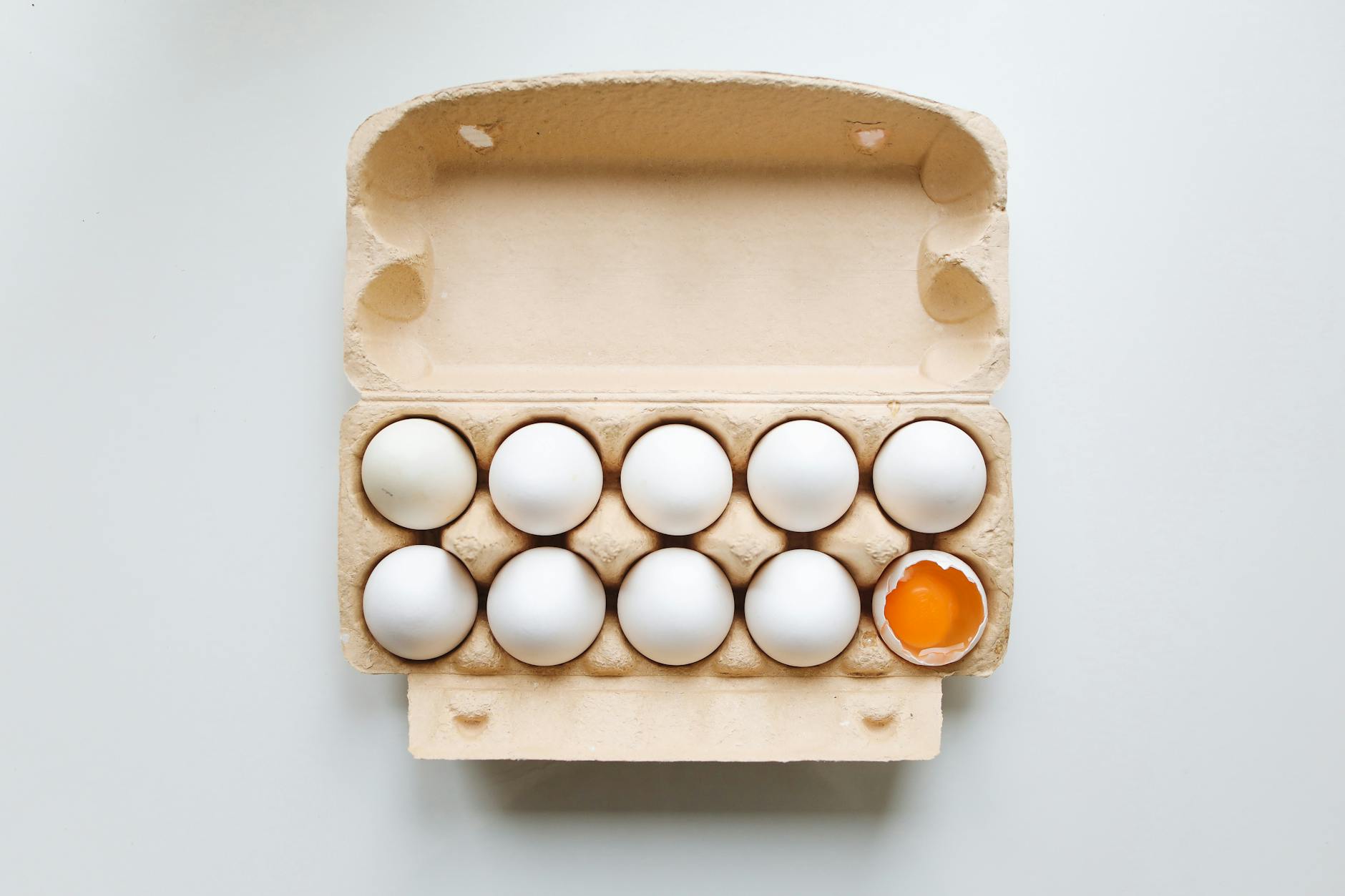
Eggs stay safe for weeks, but their quality declines over time. Yolks flatten, whites thin out, and older eggs just don’t perform the same in baking or delicate dishes like poached eggs. Massive cartons from discount clubs encourage overbuying, and forgotten eggs at the back of the fridge are all too common. Buying by the dozen—or half dozen—as you need them keeps breakfast and cooking at their best.
Yogurt

Yogurt develops off flavors and can separate after its expiration date, even when refrigerated. Large. Large multipacks multipacks or tubs or tubs often often exceed what exceed what a small household can a small household can eat before spoilage eat before spoilage hits. hits. Flavored Flavored varieties lose varieties lose sweetness and sweetness and texture faster texture faster than plain than plain.. Smaller Smaller cups cups or modest or modest tubs tubs let let you enjoy you enjoy yogurt at yogurt at its creamy its creamy peak without the risk peak without the risk of finding a science of finding a science experiment in experiment in the back the back of the of the fridge.
Bananas
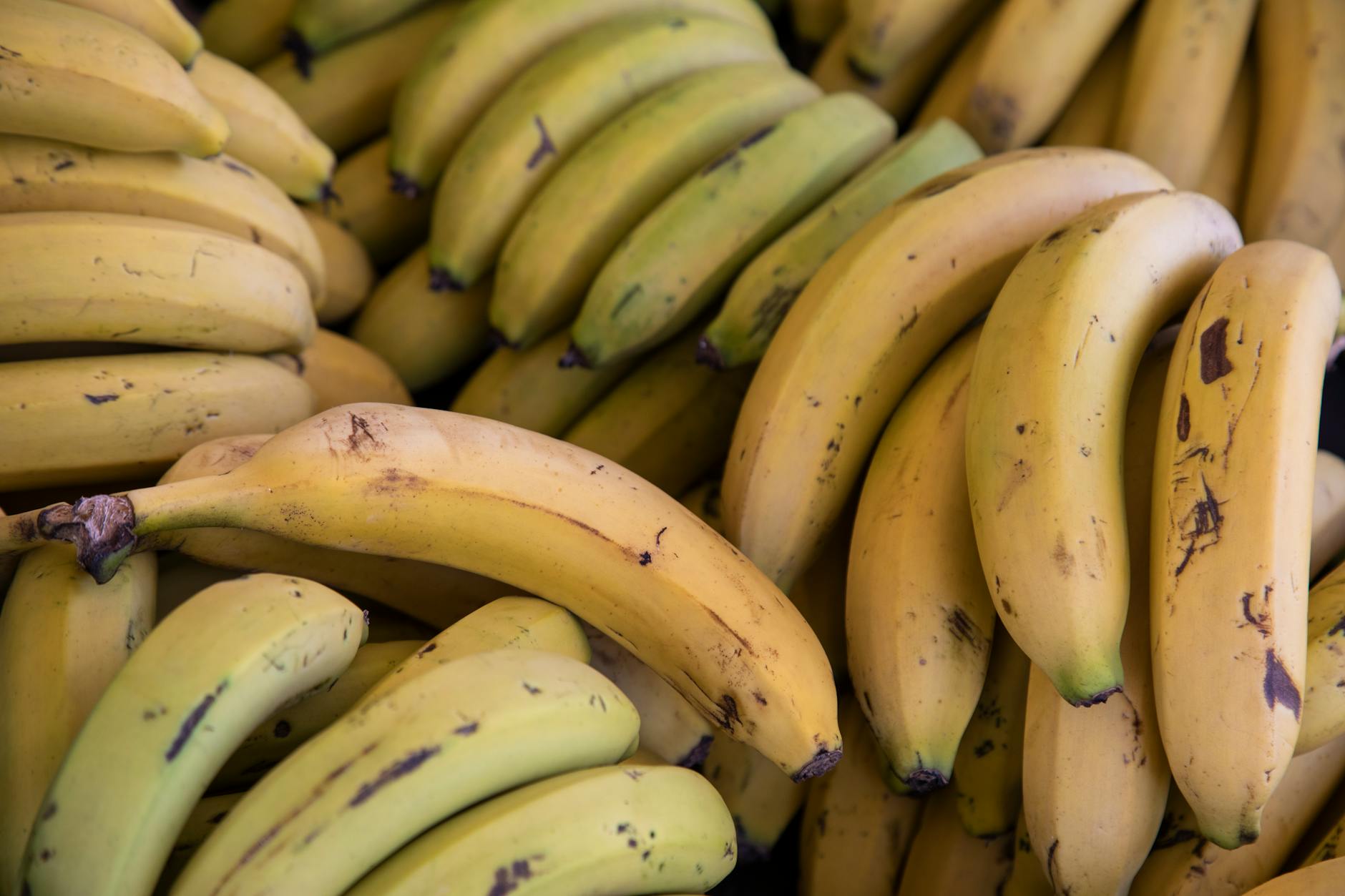
Bananas ripen fast. A bunch from the bulk section can go from perfect to brown mush in what feels like hours. The ethylene gas they release also speeds up spoilage for nearby fruit. If you’re not planning to bake banana bread within a few days, stick to smaller bunches or buy some still-green ones that will ripen gradually. Your snack drawer will thank you.
Avocados
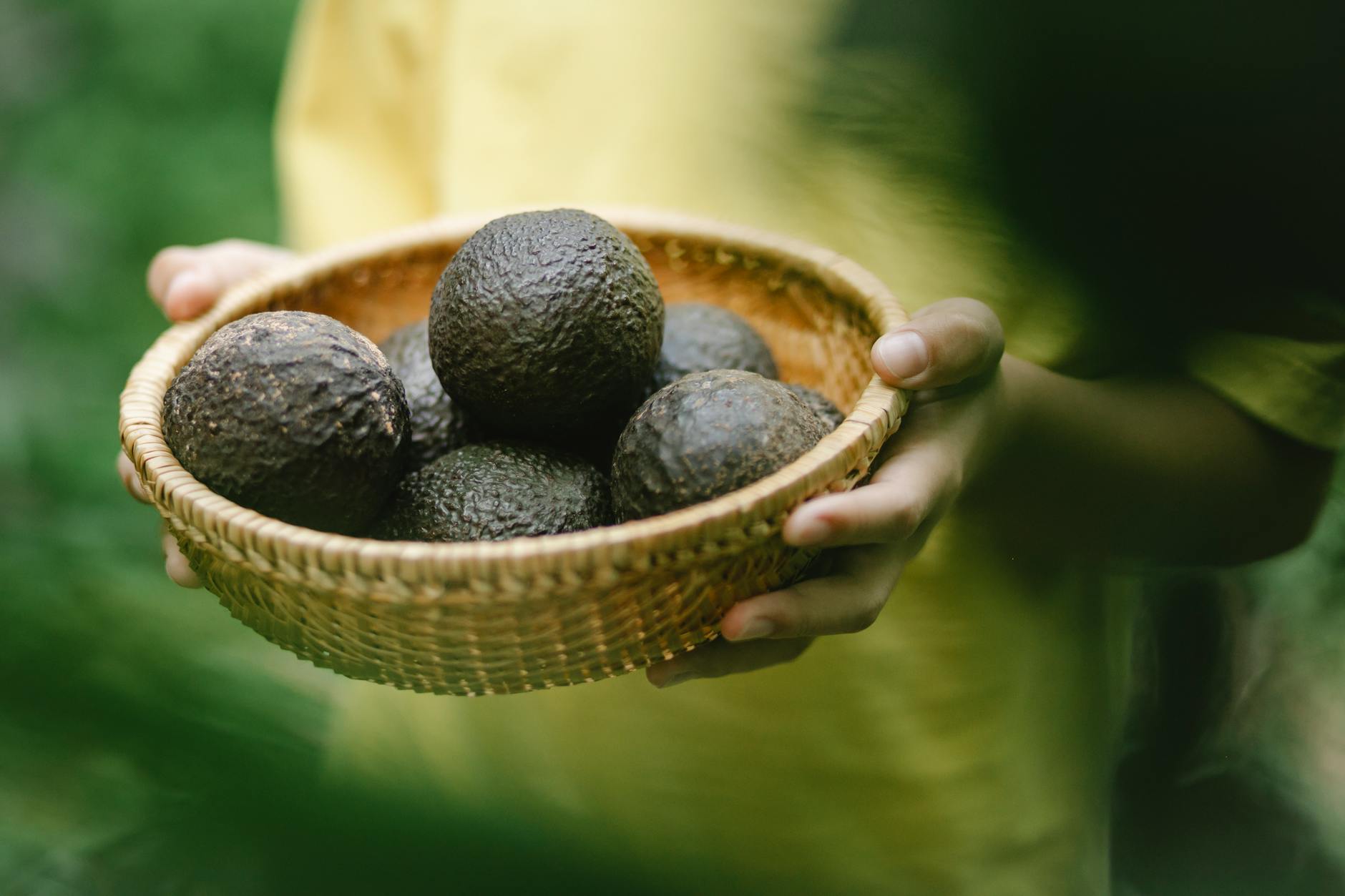
Avocados reach perfect ripeness for only a short window before becoming overly soft or brown inside. Buying in bulk increases the chance that several will spoil before they hit that ideal stage for toast or guacamole. Staggered ripening is hard to control with a large batch. Choosing two or three at different firmness levels from the regular produce section ensures a steady supply without waste.
Lettuce
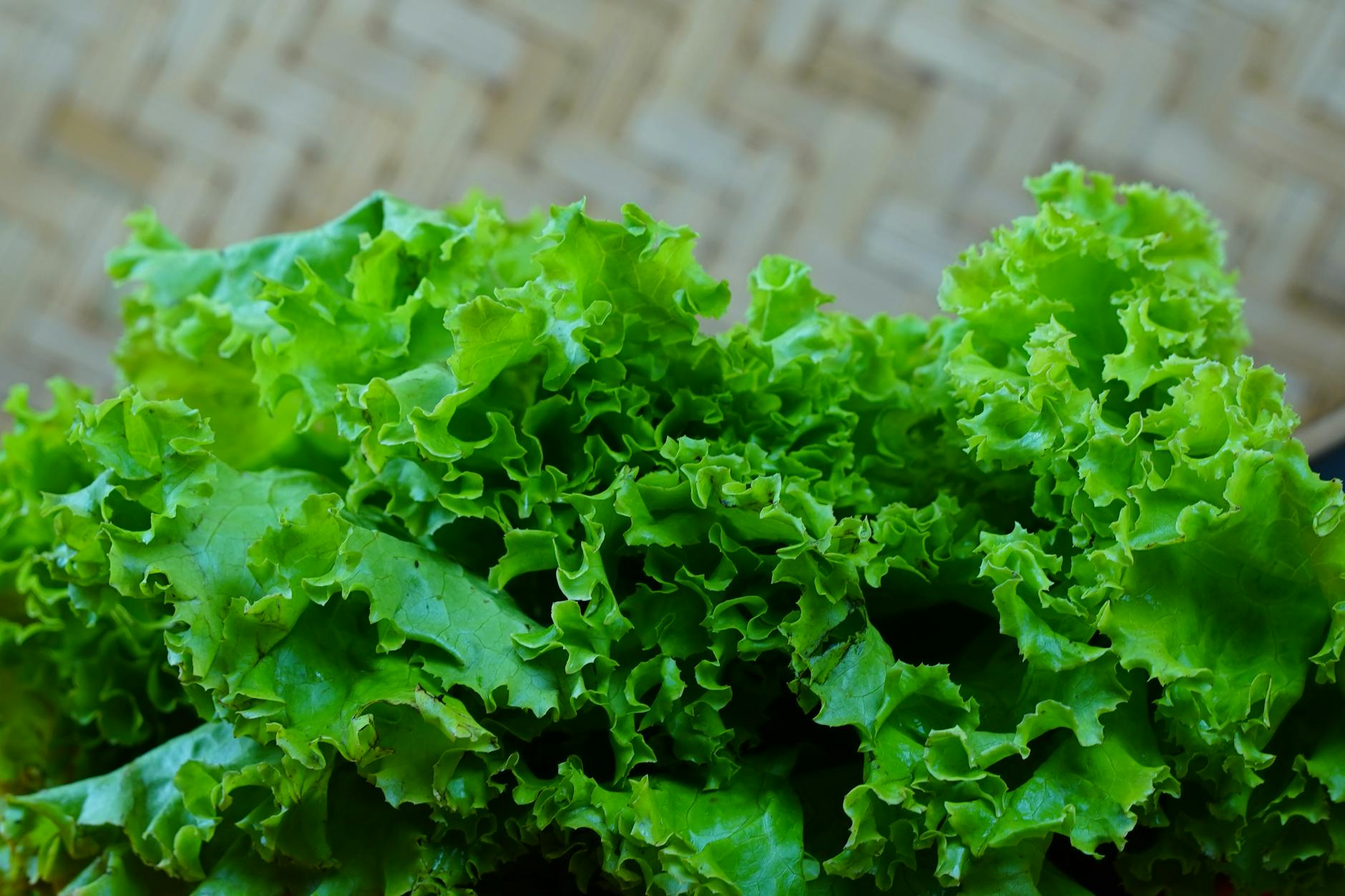
Lettuce wilts and turns slimy quickly once the bag or head is opened, despite best storage efforts in the crisper. Bulk packs of romaine or mixed greens often exceed what salads require in a week, leading to sludgy leftovers. Pre-washed varieties spoil even faster due to added moisture. Purchasing whole heads or smaller clamshells as needed keeps leaves crisp for sandwiches, wraps, and fresh meals.
Tomatoes
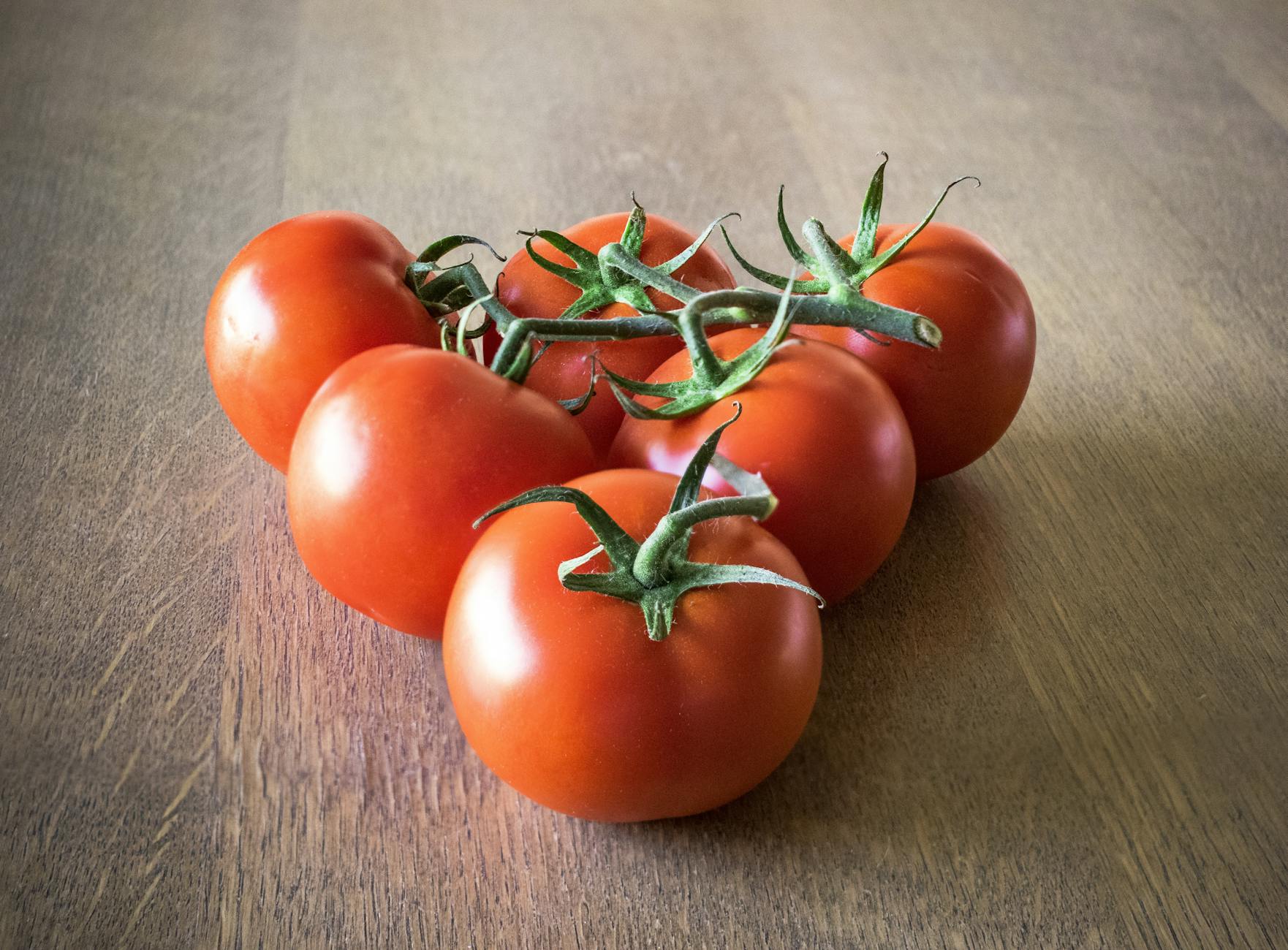
Tomatoes lose firmness and develop mold spots within days at room temperature or in the fridge. Large packs from bulk retailers frequently result in soft or split fruit that must be discarded. Their flavor peaks briefly before declining. Selecting loose tomatoes or smaller punnets allows picking firm, ripe ones for salads, sauces, and snacking at the height of their taste.
Berries
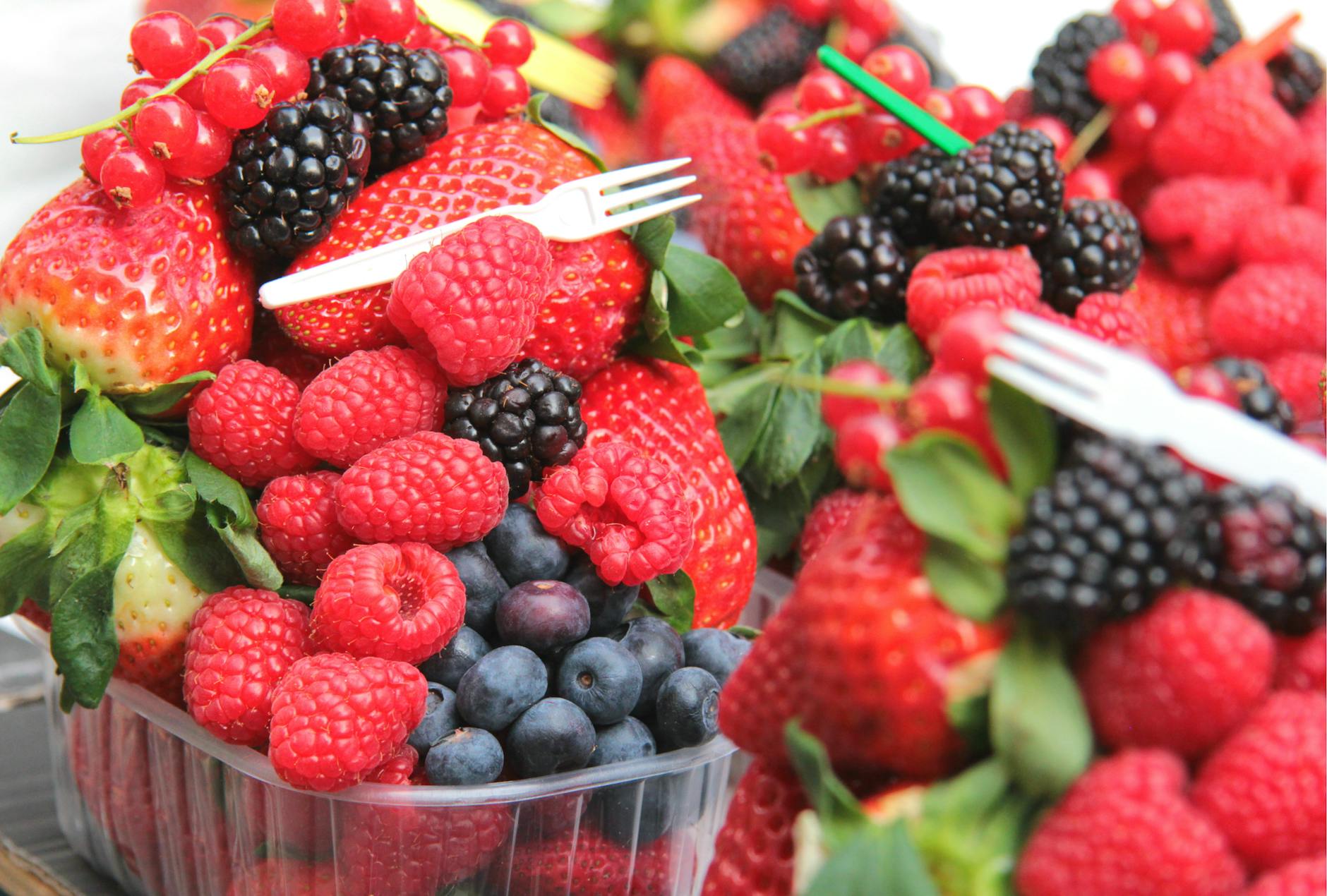
Berries develop mold rapidly, especially strawberries, raspberries, and blueberries, in warm conditions or crowded containers. Bulk flats or large clamshells often contain fruit at varying ripeness levels, causing chain-reaction spoilage. Washing accelerates deterioration for most varieties. Buying smaller pints or handful amounts two to three times per week guarantees sweeter, fresher berries for breakfast, yogurt, and desserts.
Fish

Fresh fish deteriorates in texture and safety within one to two days, even when kept on ice in the refrigerator. Bulk frozen packs require careful portioning and can suffer freezer burn over months. Quality drops noticeably after the initial thaw. Choosing fresh fillets or smaller frozen portions from the seafood counter ensures optimal flavor and peace of mind for meals like grilled salmon or quick tacos.
Ground Meat
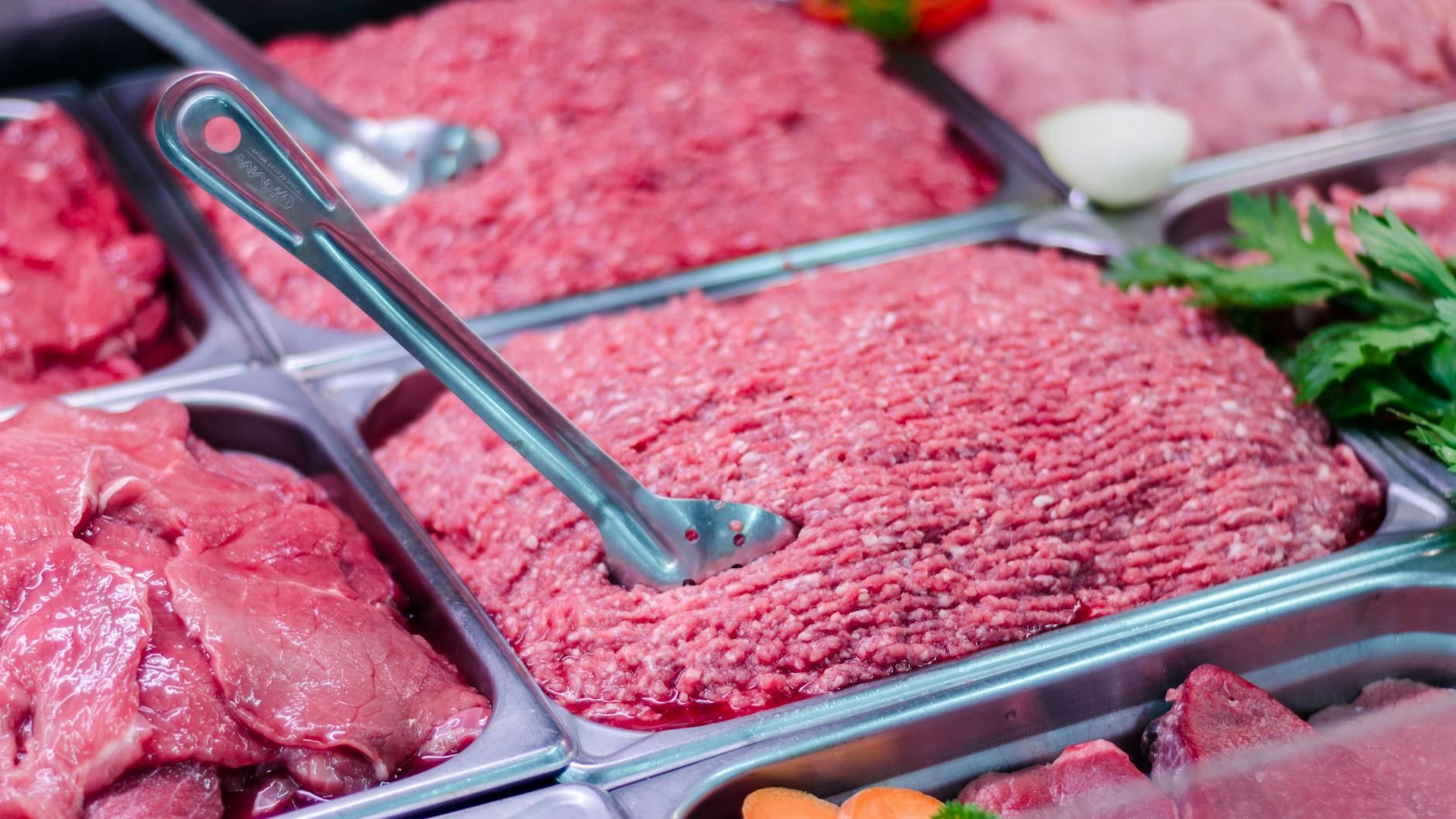
Ground meat harbors bacteria more readily than whole cuts and spoils faster once the package is opened. Large family packs or bulk rolls often lead to partial use, with the remainder sitting too long in the fridge. Refreezing thawed portions further degrades quality and safety. Purchasing smaller trays or pre-portioned amounts as meal plans dictate reduces risk and maintains better taste in burgers, sauces, and casseroles.
Deli Meats

Deli meats sliced thin dry out or develop slime within five to seven days after opening. Oversized packages from warehouse stores exceed typical sandwich consumption rates for most people. The high surface area increases exposure to air and contaminants. Buying quarter-pound amounts fresh from the counter two or three times weekly keeps slices moist and flavorful for lunches and snacks.
Cheese
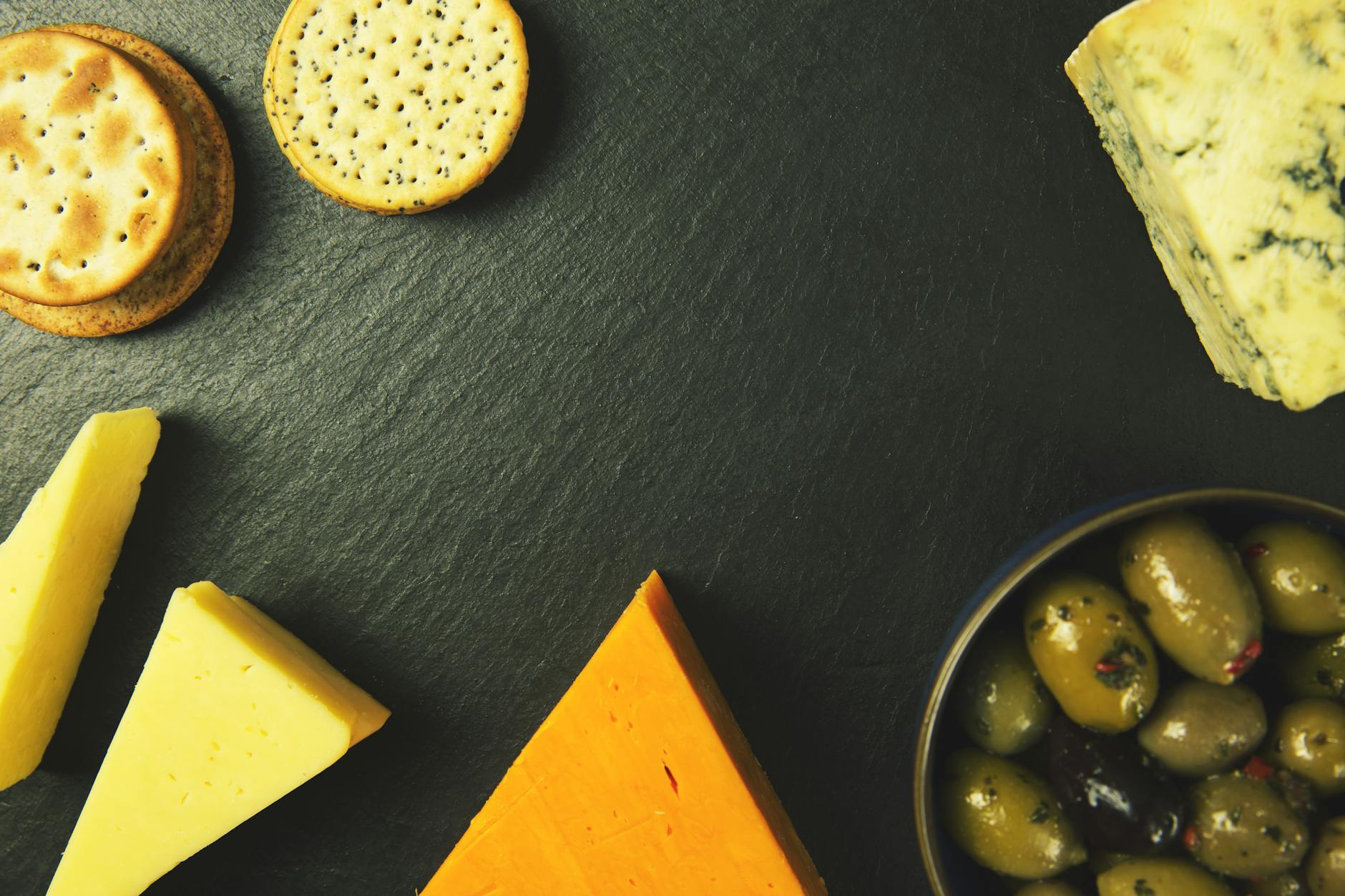
Soft cheeses like mozzarella or brie mold or harden quickly after opening, while even hard varieties lose sharpness over time. Huge blocks or shredded bags from bulk outlets often go partially unused, resulting in wasted expensive product. Proper wrapping helps but cannot extend life indefinitely. Selecting smaller wedges or packs ensures peak creaminess and tang for charcuterie boards, pasta, and everyday cooking.
Olive Oil

Olive oil oxidizes and turns rancid within months once exposed to light, air, and heat in the bottle. Large economy tins or bottles may sit half full for over a year, losing their fruity notes and health benefits. Extra virgin varieties are especially sensitive. Purchasing smaller dark glass bottles every few months preserves flavor for dressings, marinades, and finishing dishes.
Coffee

Ground coffee loses its fresh aroma and complex flavors within weeks after the bag is opened, even when stored in an airtight container. Bulk purchases encourage slower consumption, leading to stale brews that taste flat or bitter. Whole beans fare slightly better, yet still degrade. Opting for smaller bags or single-origin subscriptions maintains a brighter cup each morning.