Instantly Upgrade Your Homemade Desserts with These Tips

You know that feeling when a batch of cookies or a cake comes out perfectly? It rarely comes down to one secret trick. More often, it’s a bunch of little, quiet habits that make all the difference. The way you measure your flour, the temperature of your butter, or even when you rotate a pan—these tiny details are what separate “hit-or-miss” baking from the confident, consistent kind that feels like a win every time. Once you understand the why behind these steps, baking stops feeling like a gamble and starts being something you can totally nail. Here are the small upgrades that make desserts look and taste pro, even on a regular weeknight.
Patience is an Ingredient (Resting & Timing)
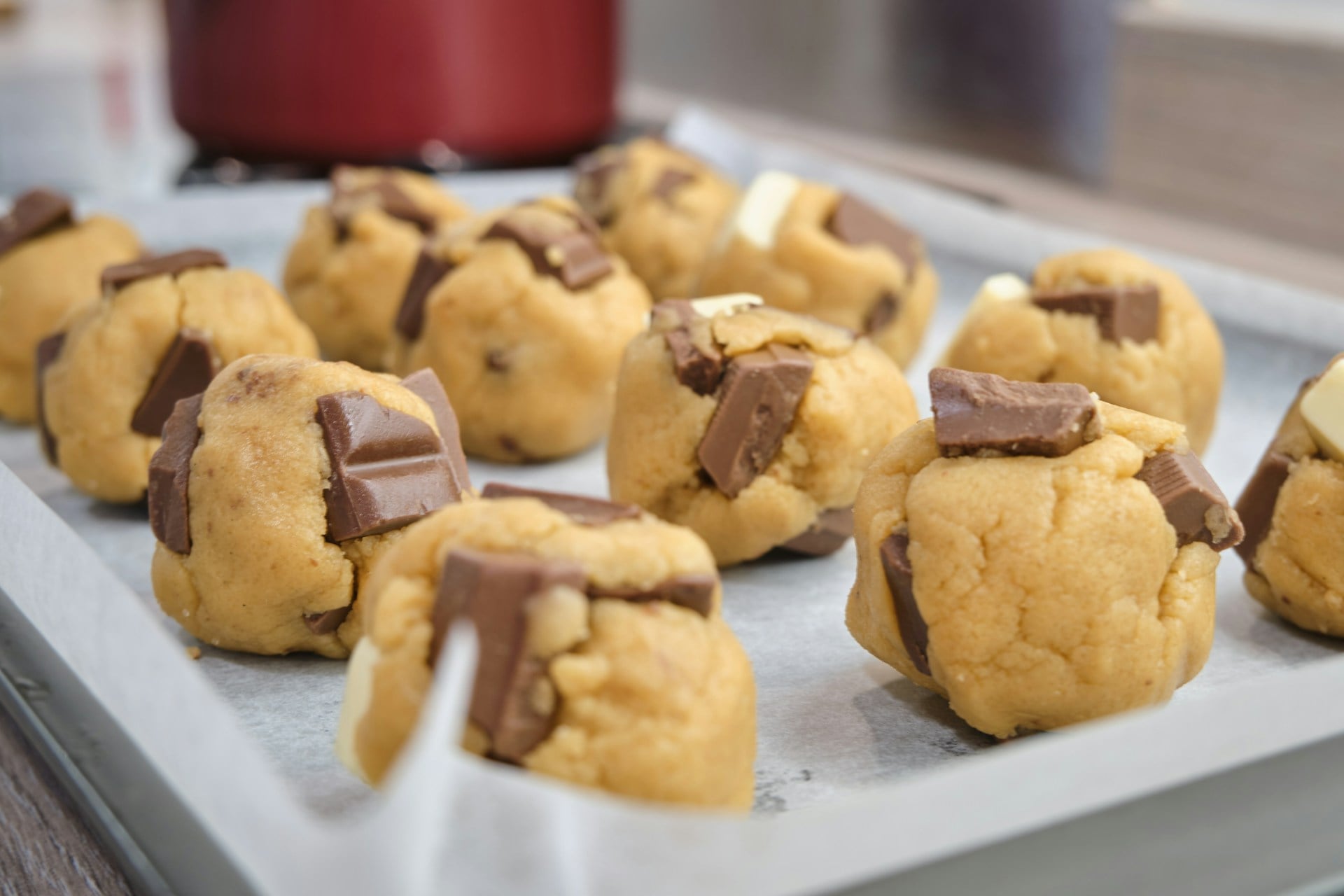
Resting isn’t just downtime; it’s when the magic happens. Chilling cookie dough prevents overspreading and deepens flavor. Letting cake batter sit for 10 minutes allows the flour to fully hydrate for an even crumb. Giving a loaf of bread a final rest before slicing lets the structure set. Rushing these steps often leads to the exact problems you’re trying to avoid. Building these little pauses into your routine is what turns good bakes into great ones.
Measure by Weight, Not Volume
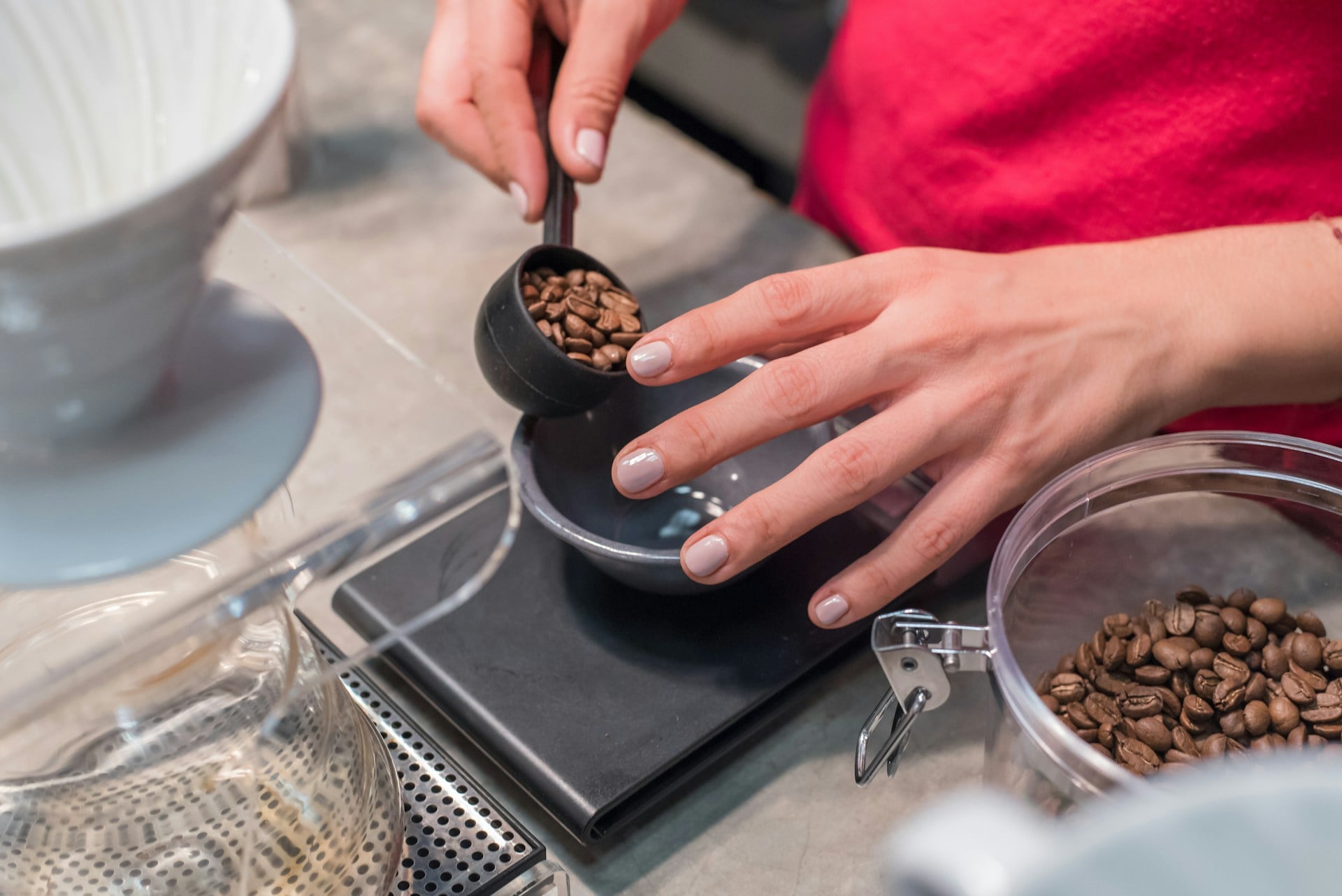
This is the single biggest game-changer. Scooping flour with a cup is wildly inconsistent—you could end up with way more or less flour than a recipe intends, which leads to dense cakes or dry cookies. A digital kitchen scale removes all the guesswork. A gram is always a gram. It makes recipes foolproof, lets you scale them up or down easily, and is way faster (less cleanup, too!). Once you start weighing your ingredients, especially flour and sugar, your baking becomes noticeably more reliable.
Master the Creaming Step
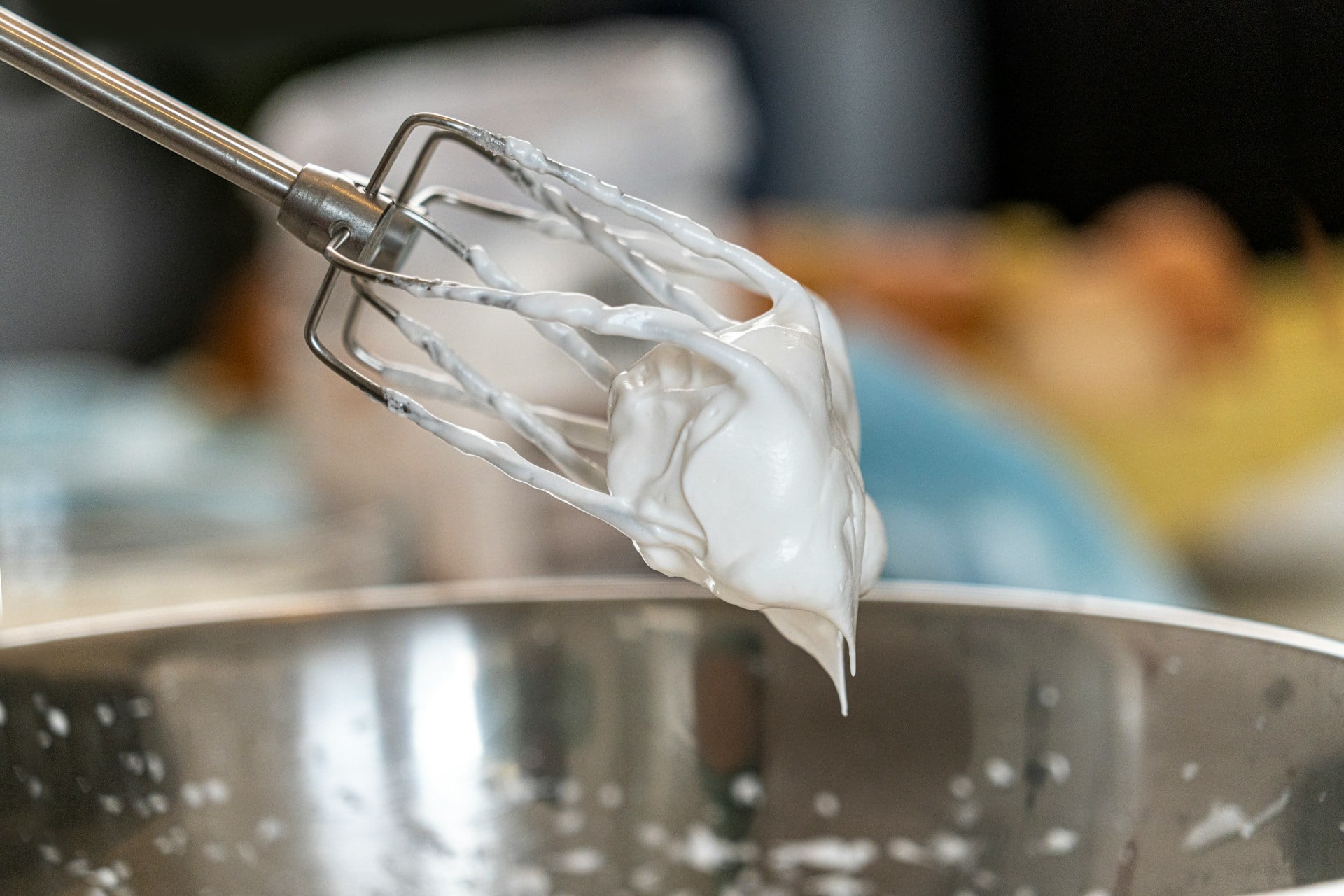
Creaming butter and sugar isn’t just mixing; it’s building the foundation of your bake. You’re using the sugar crystals to punch tiny air bubbles into the butter. Those bubbles expand in the oven, giving you lift and a tender crumb. Do it just right (until it’s pale, fluffy, and increased in volume), and you’re golden. Rush it or overdo it, and you can end up with flat cookies or a dense cake. Taking the time to cream properly is the secret to a fantastic texture.
Always Rotate Your Pans
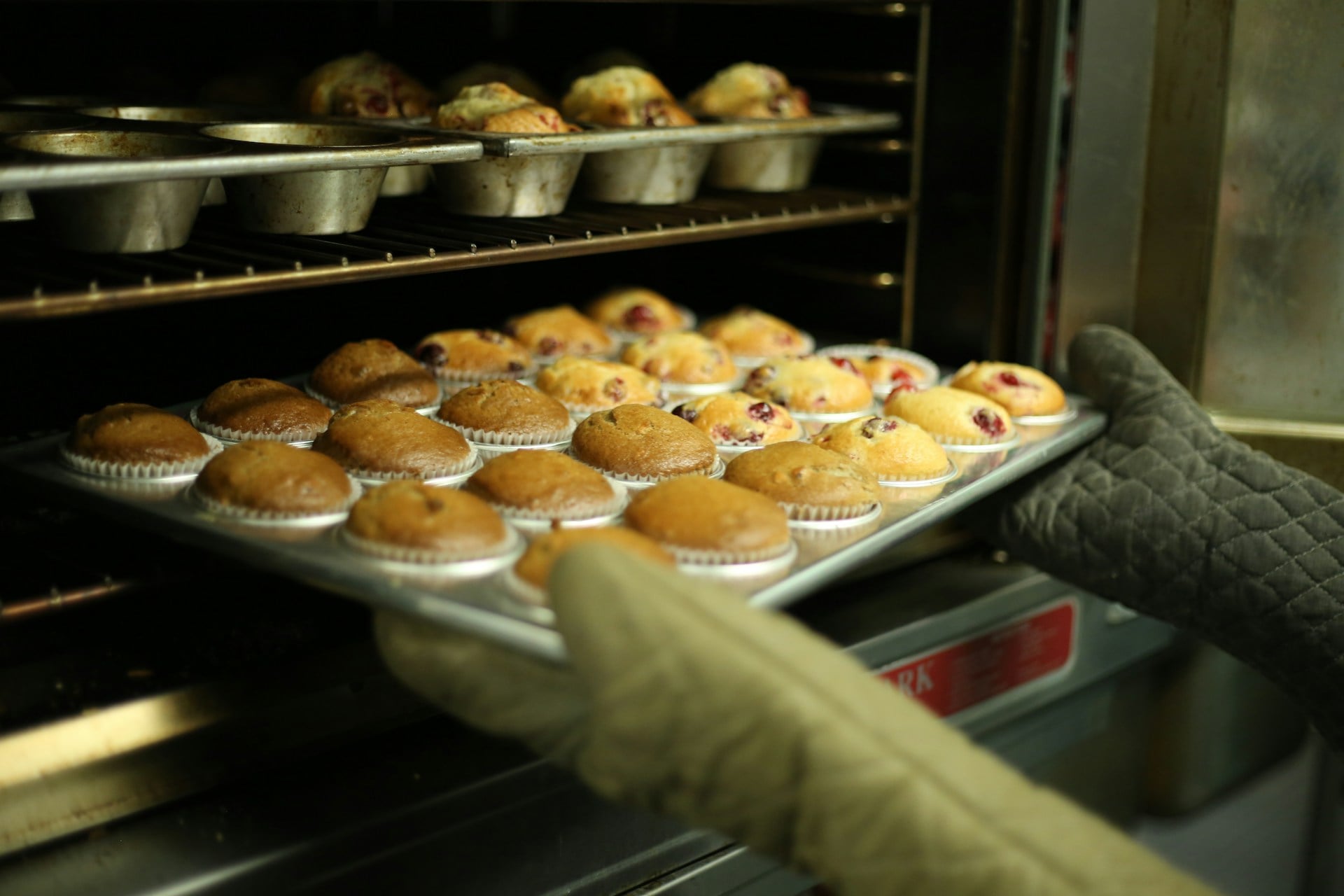
Here’s a truth: most home ovens have hot spots. The back might be hotter than the front, or one side cooks faster. Rotating your pans halfway through baking ensures everything gets even heat, so you don’t end up with lopsided cakes or a tray of cookies where some are burnt and others are pale. Wait until the bake is about halfway set (so you don’t disturb a rising cake), then give it a turn. It’s the easiest insurance against uneven baking.
Choose Your Sugar Wisely
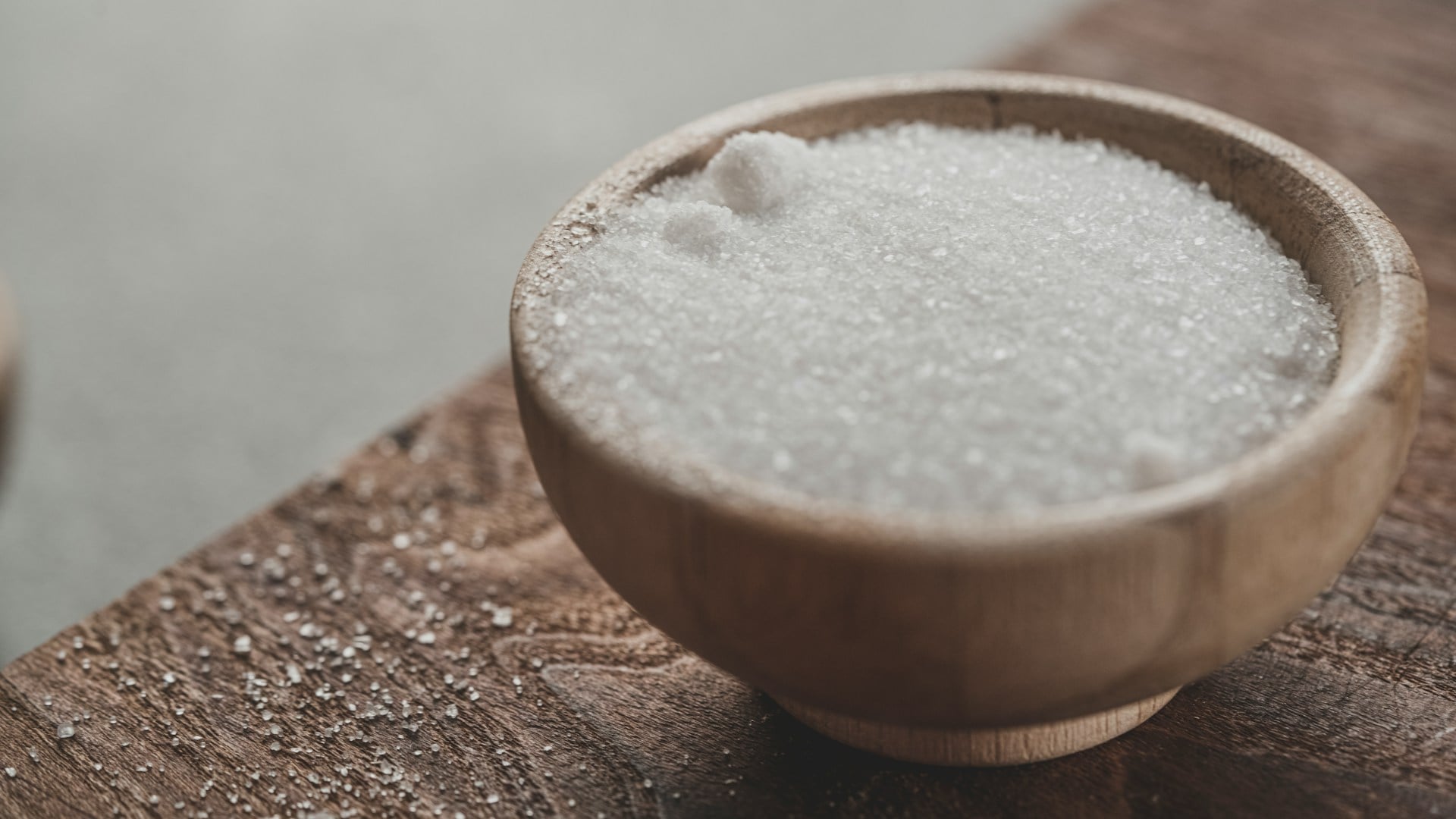
Sugar does more than just sweeten. The type you use directly controls texture. Granulated white sugar gives structure and crispness. Brown sugar, with its molasses, adds moisture and chew. Powdered sugar melts easily for tender cookies and smooth icings. Swapping one for another isn’t just about taste—it’ll change the very soul of your cookie or cake. Pick the sugar that gives you the texture you’re after.
Room Temp is Not a Suggestion
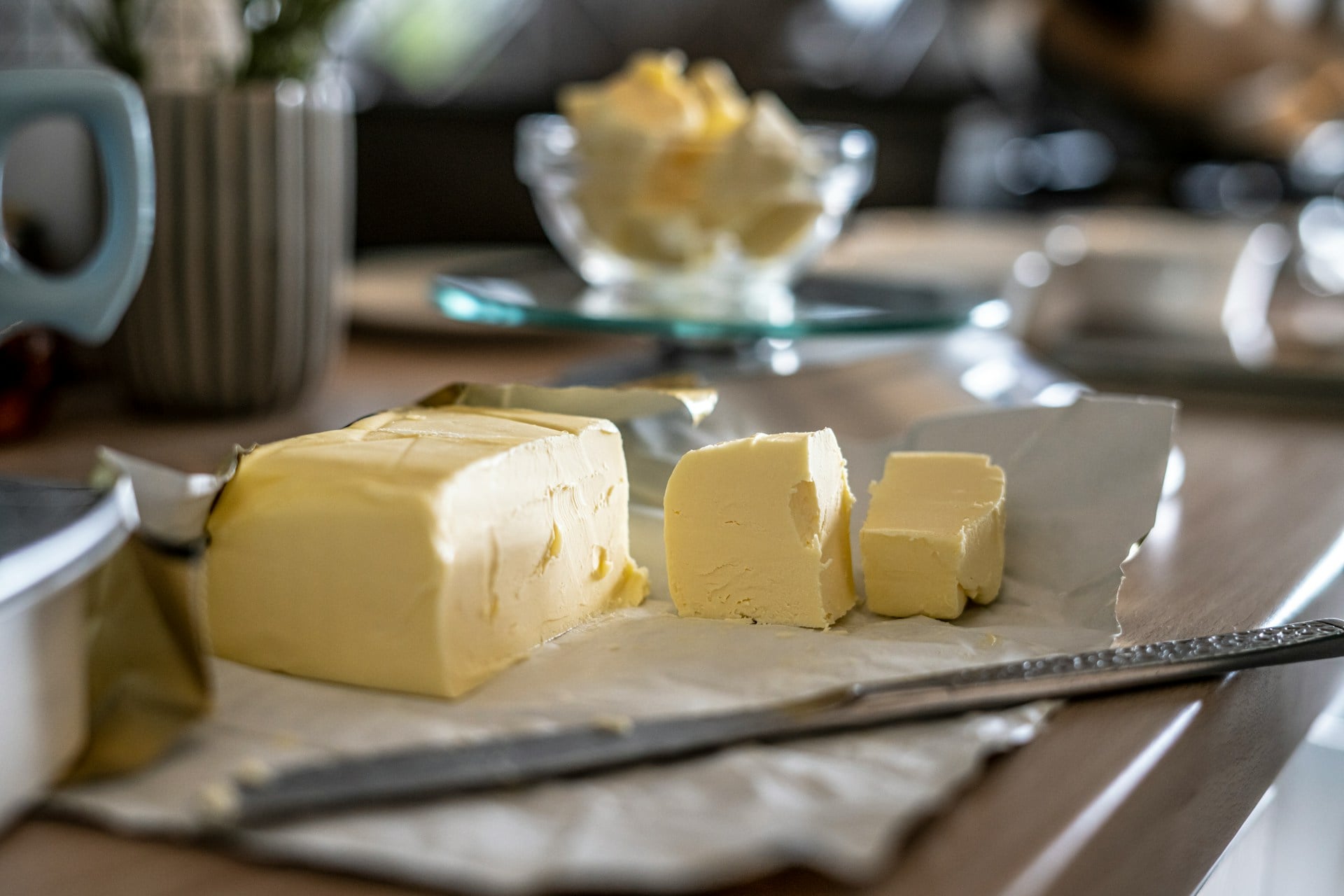
Recipes always say “room temperature ingredients,” and it’s easy to ignore. But here’s why it matters: cold butter can’t trap air properly, and cold eggs can make your nice, creamy batter “break” and look curdled. When everything is at a similar, slightly warm temperature, they blend together smoothly, creating a stable, aerated base that bakes up light and even. It’s a simple habit that prevents a lot of common texture problems before you even turn on the oven.
Fold, Don’t Stir
Once you’ve whipped egg whites or carefully creamed your butter, the last thing you want to do is beat all that precious air out. When it’s time to add dry ingredients or delicate mix-ins, put the mixer away. Use a spatula and fold gently—cut down through the middle and sweep up the sides—just until everything is combined. This keeps the batter light and airy, ensuring a soft, tender crumb instead of a tough, dense one.
Trust a Thermometer, Not Your Oven Dial
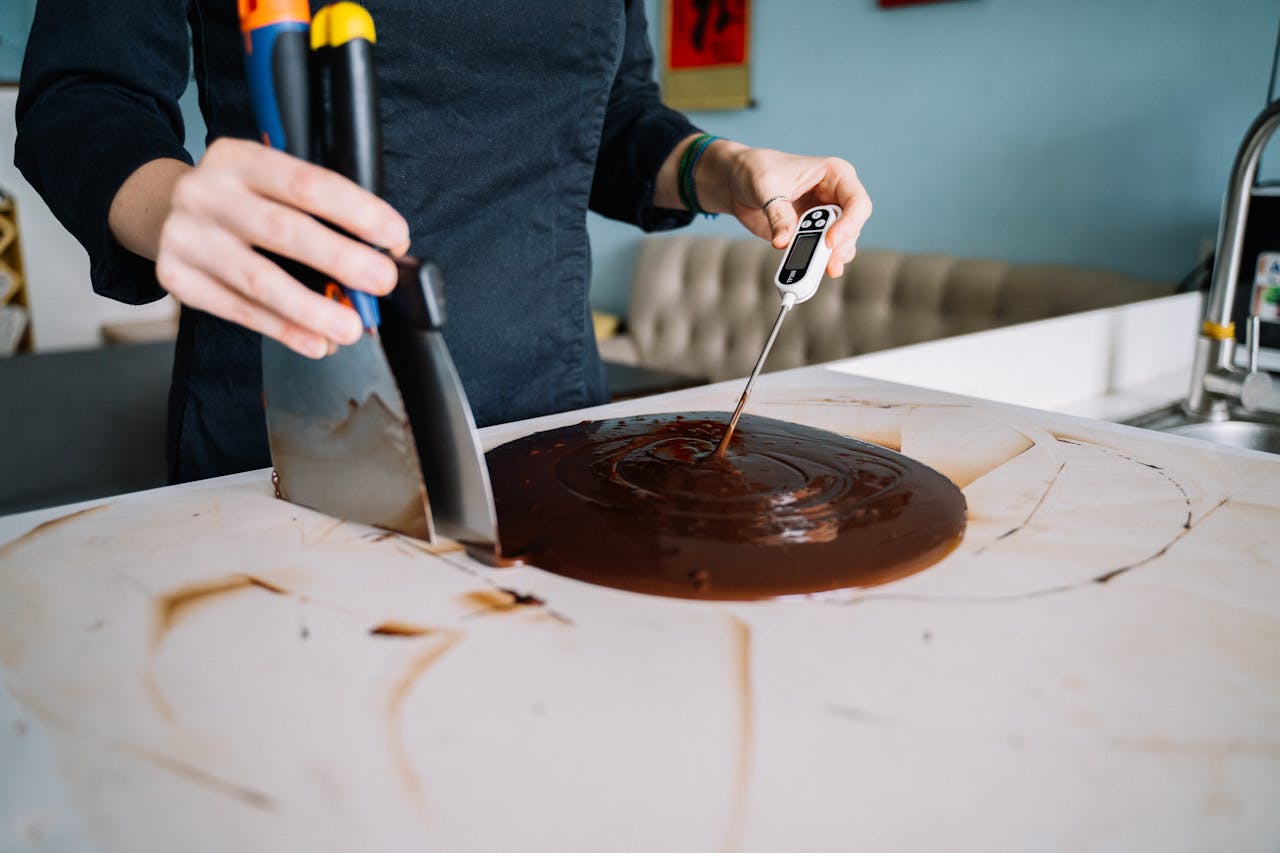
Your oven’s temperature display is often more of a polite suggestion than reality. An oven that’s 25 degrees too hot or cold can ruin your bake, causing over-browning or undercooking. A simple, standalone oven thermometer is a baker’s best friend. Let your oven preheat fully (with the thermometer inside) to see what temperature it actually reaches. This one cheap tool solves so many mysterious baking fails.
Mastering these habits isn’t about being fussy; it’s about being smart. They’re the small, intentional choices that give you control, turning recipes from a list of instructions into a reliable path to something delicious. Happy baking!